



Related: What Will it Take to Charge All Those Electric Vehicles?
Electric-Truck Adoption Connected to Charging Infrastructure Development
Fleet adoption of medium- and heavy-duty electric vehicles means more than just acquiring the trucks. It also means having places to charge those trucks — and it’s not as simple as plugging a Nissan Leaf into a port in your garage or a parking space at Whole Foods.
October 26, 2020
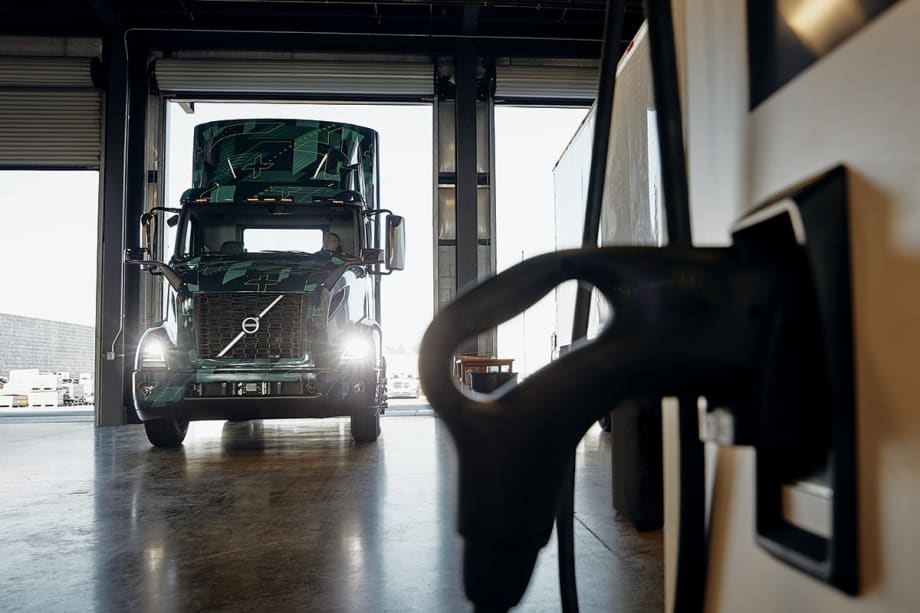
Volvo recently collaborated with charging connector provider REMA EV Connections to secure UL certification for its Combined Charging System CCS2 connector.
Photo: Volvo Trucks North America
7 min to read
J.B. Hunt recently took delivery of its first Class 8 electric truck — a Freightliner eCascadia it’s using in intermodal service. Craig Harper, chief operations officer, said the company learned some painful lessons when it previously deployed natural gas vehicles about the importance of having an entire fueling ecosystem set up before the trucks are put on the road.
“When we kicked off [with natural gas], we heard of all these stations that were available — then we found out many were built for cars. Many were slow-fill, so it took too long to fuel our equipment. We learned from that — we have to have better infrastructure set up [for electric],” Harper said during a session at ACT Virtual, this year’s digital version of the annual ACT (Alternative Clean Transportation) Expo.
Fleet adoption of medium- and heavy-duty electric vehicles means more than just acquiring the trucks. It also means having places to charge those trucks — and it’s not as simple as plugging a Nissan Leaf into a port in your garage or a parking space at Whole Foods.
Although electric-truck makers are working with public utilities and others on public charging options, it’s not realistic to expect a widespread public charging infrastructure will be ready to go at the same time the trucks come on to the market. That’s why the focus in general is on “depot charging” — installing charging stations at fleet locations where trucks come back to charge. This also fits with the range limitations of battery-electric trucks, and it’s why initial applications will be in urban and regional operations where routes are known, such as refuse trucks, drayage, and local pickup and delivery.
Charging Basics
There are three levels of charging speed: Level 1, a 120-volt home outlet, typically used for light-duty vehicles; Level 2, a 240-volt charger; and Level 3, DC fast chargers (DCFC).
The Rocky Mountain Institute points out that a Nissan Leaf has a 40-kWh battery on board, a Chanje V8100 medium-duty panel van has a 100-kWh battery, and Freightliner’s Class 8 eCascadia boasts a 550-kWh battery.
An electric delivery van may be able to recharge its batteries in four to six hours using a Level 2 charger. An electric Class 8 tractor may need the same amount of time to recharge using a DC fast charger. DCFCs in the passenger vehicle market are capable of supplying 25 to 350 kW of power, RMI says — but the medium- and heavy-duty commercial vehicle market is already calling for chargers as large as 1 MW or greater.
“This level of power can put a much larger strain on the electrical grid than passenger vehicle chargers, and can result in time-intensive negotiations with local utilities and costly demand charges,” the institute notes.
And, of course, fleets will need to charge multiple electric trucks at the same facility. “A fleet manager responsible for ensuring that 10, 20, or even 100 trucks are charged and ready to go for their first shift may struggle with how best to plan the necessary charging infrastructure to minimize capital and installation costs as well as operating expenses,” says RMI.
Utilities prefer that electric vehicles not charge during “peak” times when electricity demand is highest, typically in the late afternoon or early evening when people return home from work and begin doing energy-intensive chores — and they typically charge higher rates to discourage it. Fleets with flexible operations or that can allow trucks to be charged at night will likely find charging more economical than fleets that need to charge during the day or all at once.
That’s why increasingly there’s discussion of microgrids and distributed energy resources at electric-truck charging facilities. Energy-storage systems can store energy from solar panels, for instance, and can pull electricity from the grid during cheaper off-peak hours.
Nevertheless, utility companies in many areas now see electric-fleet charging as a big opportunity, according to a recent report by the RMI and the North American Council for Freight Efficiency.
A Collaborative Approach
Some utilities, as well as manufacturers of electric trucks, and third-party companies, say they’re ready to help customers put together a charging plan and infrastructure.
Daimler Trucks North America, for instance, has a consulting group helping customers that are testing its eCascadia and eM2 trucks to navigate incentives, get the right charging infrastructure in place, the right permits, etc.
So far, said DTNA President and CEO Roger Nielsen in a recent press call, the company has helped install 60 chargers, with another 150 on the drawing board. “We’re out there giving the complete solution to our customers in order to get the miles and the time on these trucks so we can prove out the technology.”
Developing the required charging infrastructure is the “most pressing need and the biggest obstacle” at the moment, said Peter Voorhoeve, president, Volvo Trucks North America, in a recent update on the Volvo LIGHTS (Low Impact Green Heavy Transport Solution) program, which is putting electric Volvo VNR regional haul tractors into service in California.
Volvo recently collaborated with charging connector provider REMA EV Connections to secure UL certification for its Combined Charging System CCS2 connector. Southern California Edison, another partner in the LIGHTS project, added the ABB CCS2 chargers to the list of approved charging equipment for its Charge Ready Transport EV charging infrastructure program for medium- and heavy-duty fleets. The Charge Ready Transport program offers low-to no-cost electrical system upgrades to support the installation of electric vehicle charging equipment for qualifying vehicles in southern California truck and bus fleets.
Navistar’s NEXT eMobility Solutions business unit recently signed an agreement with energy solutions provider In-Charge Energy to develop charging infrastructure and offer consulting services to Navistar and fleets interested in moving to electric.
“With electric vehicles, it’s important to understand that we can provide the very best truck for our customers,” said Jason Gies, director of business development at Navistar. “But if they don’t have a partner to show them how to operate it, charge it, or take care of it in the long run, it likely won’t be a successful deployment.”
Paccar, whose Kenworth and Peterbilt brands recently opened the order books for medium-duty electric trucks, is working with Faith Technologies and Schneider Electric to provide charging infrastructure solutions. Kenworth and Peterbilt customers will be able to order electric chargers from Paccar Parts. Paccar Financial will provide flexible financing options for infrastructure and charging systems. PacLease will bundle the cost of charging systems within full-service lease offerings to customers.
“There are challenges involved in charging electric trucks, but I think we’re ready to answer that challenge,” said Michael Gerty, Paccar director of advanced research, during an ACT Virtual session on charging. “Collaboration will be key.”
Turn to Third-Party Experts
Meanwhile, companies such as Schneider Electric and Greenlots are offering services to fleets to help them set up charging infrastructure.
Schneider Electric, for instance, provides electrical infrastructure, energy-as-a-service, and services and software solutions for electric-vehicle fleets.
“The electrification of transportation … means we need different types of energy to be located in places it’s not been required before,” said Annette Clayton, Schneider Electric North America president and CEO, in a recent ACT Virtual presentation. “This taxes the grid in new ways.” Wildfires in California have left thousands without power, and super storms have affected the grid. As wider electrification of vehicles spreads, the ability of the electric grid to bounce back becomes another concern. Clayton believes microgrids are the solution to this situation.
Greenlots, part of Shell New Energies, is another company working on electric-truck charging solutions. As part of the Volvo LIGHTS program, Greenlots is building four fast-charging stations to serve Volvo eVNRs that move freight between LA ports and warehouses.
“Software is at the heart of what Greenlots provides, and we marry that with infrastructure for a true end-to-end solution,” said COO Henrik Holland during an ACT Virtual session. “We can take you from design through construction and operations.”
Holland said another idea gaining traction is charging as a service. “Instead of fleet operators putting up all the capital to fund this infrastructure up front, which can be significant, if you have a fleet project with a reliable charging profiles, with a reliable way of creating value for a customer, there are ways to wrap that into a charging-as-a-service project,” he said. “There are different ways to structure that, but now you’re not paying on a capital basis up front, but as a cents-per-kilowatt-hour or a flat monthly fee over time. It feels a little like a lease product.”
And leasing companies such as Ryder and Penske themselves are working with fleets on electric-truck charging, as well.
Ryder, for instance, partnering with In-Charge Energy and ABB, already offers 19 EV charging stations — 17 Level 2 charging stations and two direct current (DC) charging stations — in California, with plans to continue expanding across the country in the coming years.
Penske Truck Leasing recently opened its sixth heavy-duty electric vehicle charging station in Southern California. The station in Ontario, California, is equipped with an innovative battery energy storage system designed to offset demand on the electricity grid during peak charging times. Its six charging positions bring the total Penske heavy-duty commercial vehicle DC fast-charging positions to 21.
James Menzies and Stephane Babcock contributed to this story.
Subscribe to Our Newsletter
More Vehicle Research
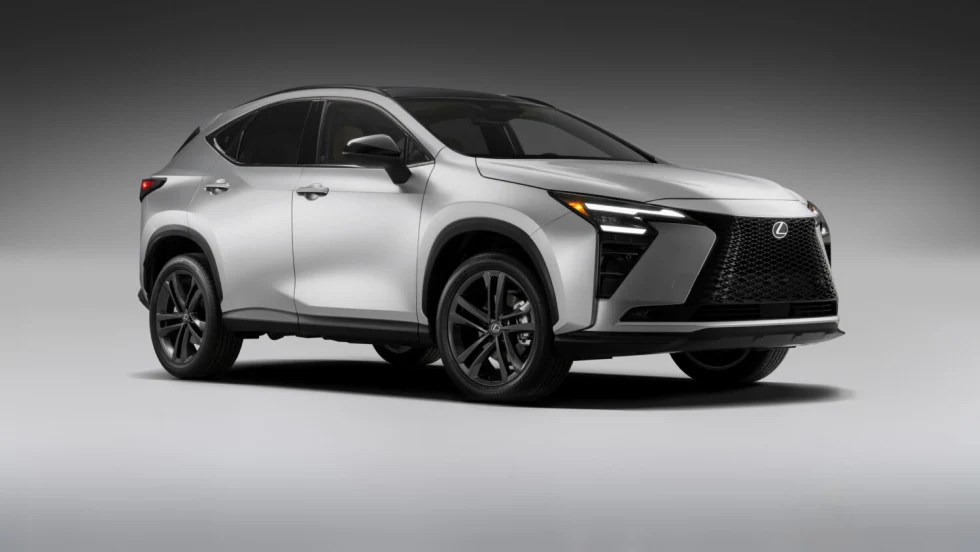
2027 Lexus NX Moves to Fully Electrified Lineup
For 2027, the NX moves to an entirely electrified lineup, with either hybrid or plug-in hybrid powertrains.
Read More →
2027 Mitsubishi Eclipse Sportback Named Green SUV of the Year
Green Car Journal recognized Mitsubishi’s new battery-electric crossover, which offers NACS compatibility and DC fast charging at up to 150 kW.
Read More →
Dave Carroll Named President of Ford Energy
Carroll succeeds Lisa Drake, who will remain with Ford through Dec. 31 to support the leadership transition.
Read More →
City of Long Beach Named No. 1 Green Fleet of 2026
NAFA's 2026 Green Fleet Awards recognized fleets for sustainability efforts spanning alternative fuels, technology, facilities, workplace culture and fleet operations.
Read More →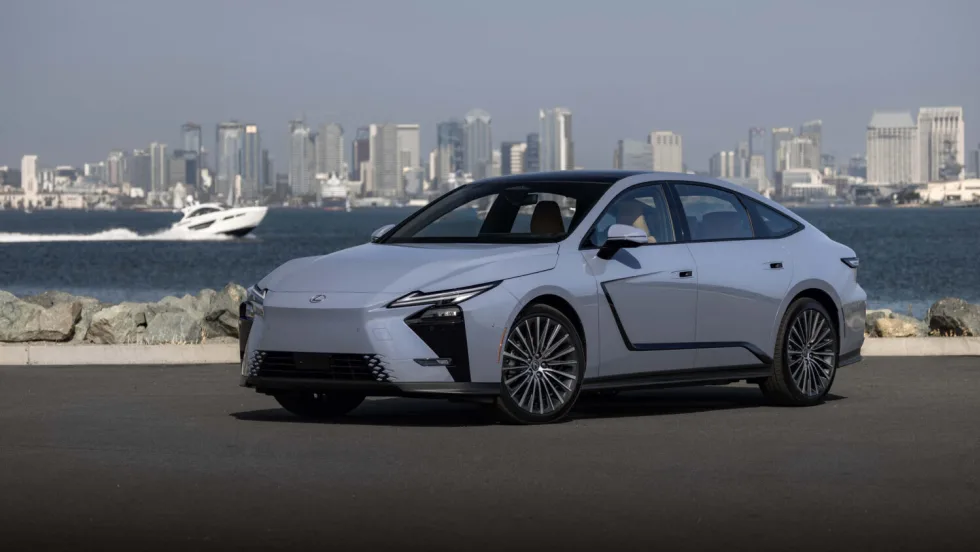
2027 Lexus ES Adds First Battery-Electric Models
The ES 350e and ES 500e join the hybrid ES lineup with up to 338 hp, an EPA-estimated 307 miles of range and standard NACS charging capability.
Read More →
EV Fleet Reality Check: What Operators Wish They Knew Before Electrifying Their Work Vans
Electric work truck upfits bring new compatibility questions. Learn how parts availability, OEM guidance, power demands, and route planning can affect fleet performance.
Read More →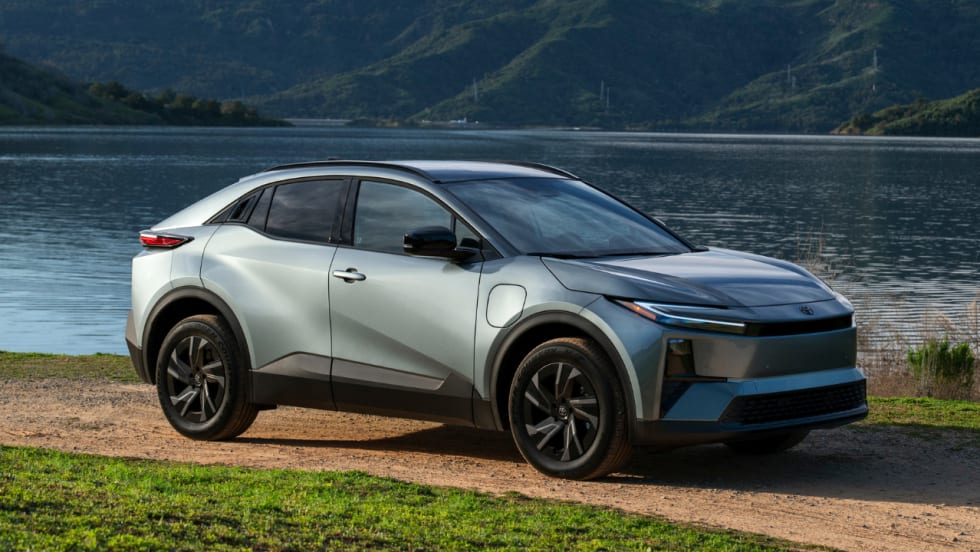
2027 Toyota C-HR Offers 287-Mile Range and Standard AWD
Toyota’s 2027 C-HR brings 287 miles of estimated range, standard all-wheel drive, and NACS fast-charging capability to the compact EV market. See what its mix of performance, cargo space, and everyday technology could offer business users.
Read More →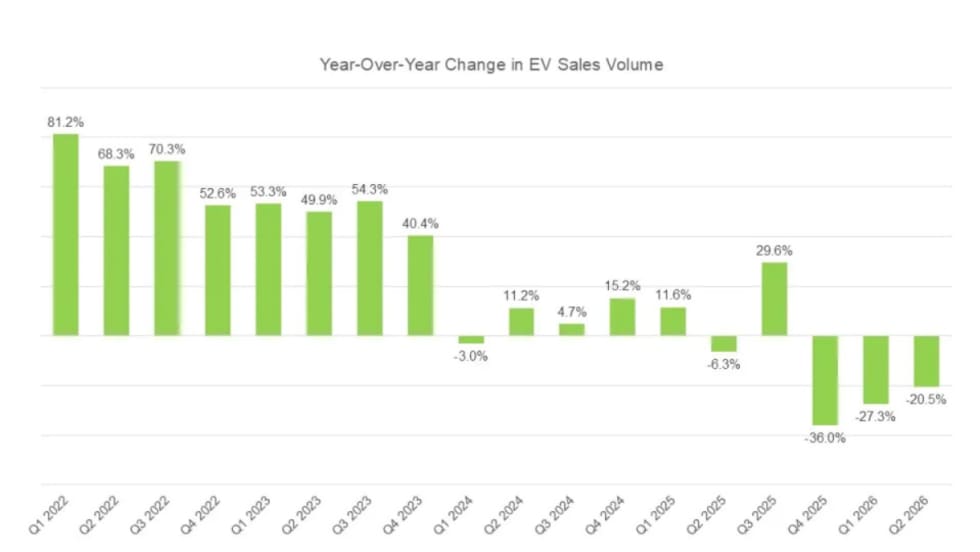
New Vehicle Models Stabilize Electrified Market In Q2
But more credit goes to hybrids than to all-electric vehicles, as more buyers look for fuel-efficient alternatives amid high gas prices.
Read More →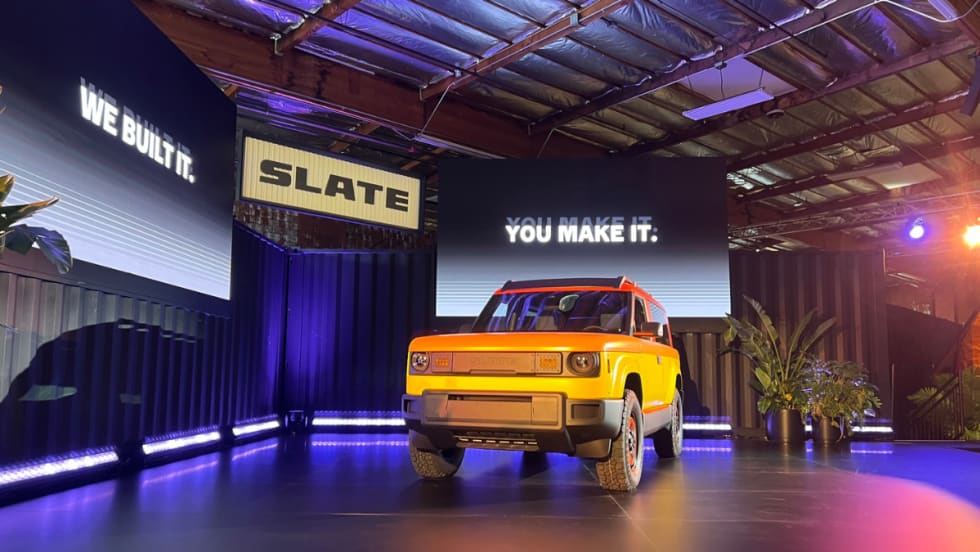
Slate Debuts Colorful, Unique EV Models
A recent media and client event, studded with electric vehicles dressed up on platforms, planted a new position for the manufacturer in the wider EV market. Fleets will find cost-saving advantages.
Read More →
Slate Electric SUV, Pickup Switchable Model Aims For Light-Duty Fleets
Everything about this EV is counterintuitive and understated, making it stand out from the crowd.
Read More →