


Chevrolet Volt: More Range, More MPG, More Fun
Redesigned for 2016, the second-generation Volt features improved mileage, range and drivability as well as an all-new interior and exterior.

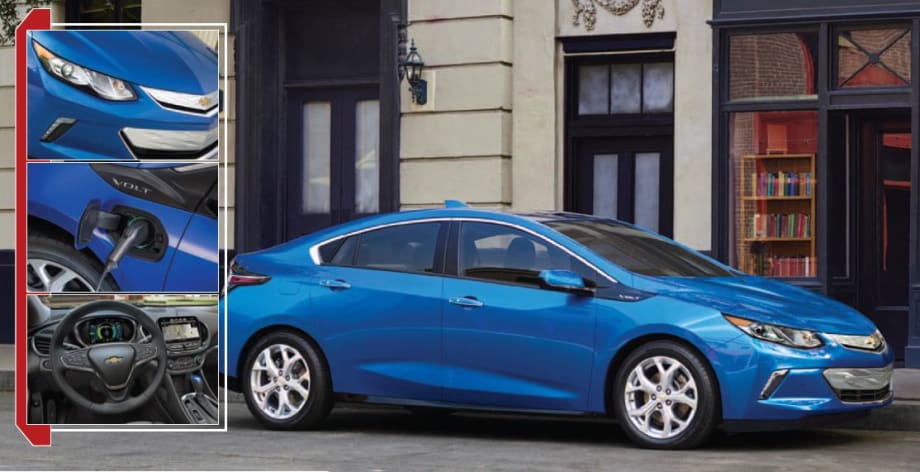
2016 Chevrolet Volt.
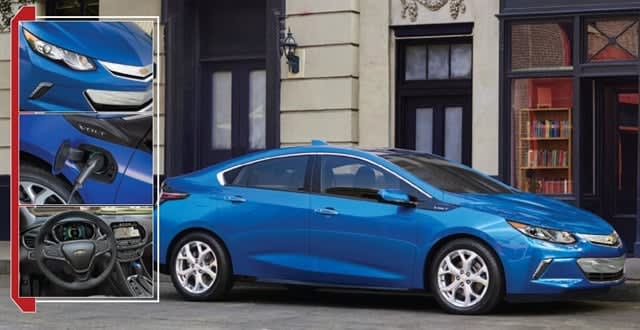
2016 Chevrolet Volt.
First sold in late 2010 as a 2011-MY, the plug-in hybrid gas/electric Chevrolet Volt has racked up more than 70,000 sales stateside and another 15,000 overseas. Redesigned for 2016, the second-generation Volt aims to continue that momentum with improved mileage, range and drivability and an all-new interior and exterior.
The Volt is designed to run as a pure electric vehicle until its battery charge falls to 30%, at which point the gasoline engine kicks in to power an electric generator and extend its range. The first-generation model was able to travel 38 miles in pure-electric mode with a total range of 379 miles.
According to General Motors, when engineers began work on the new Volt, they reached out to early adopters to ask how they could improve the vehicle. Their answers, in declining order of importance, were more range, better driving dynamics and “less quirky” styling. Remarkably, the OEM appears to have delivered in all three areas.
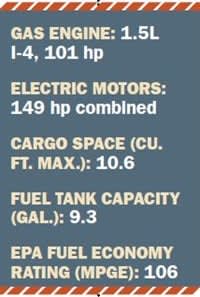
Specs for 2016 Chevrolet Volt.
The new Volt’s range has improved to 53 miles in all-electric driving and 420 miles overall. Those improvements were made possible by refinements to the battery — which features fewer cells but 20% more storage capacity and a 22-pound weight loss — and two small electric motors that replace a single, large unit and now deliver 149 horsepower (hp) and an impressive 294 pound-feet (lb.-ft.) of torque.
The gasoline engine, a 1.5-liter inline four, now delivers 101 hp and an estimated 104 lb.-ft. More importantly, it now runs on regular unleaded fuel, forgoing the premium juice demanded by its predecessor. Taken together, the new powerplants now offer a combined miles per gallon (mpg) equivalent (MPGe) rating of 106, up from 98 in the 2015.
When it debuted at the 2007 Detroit Auto Show, the four-door hatchback’s styling was purposely unique and instantly polarizing. The second-generation sheet metal remains distinctive but will blend in a bit easier. The see-through rear panel and lower-body moldings have been replaced by a more traditional hatch and continuous side panels.
The new cabin features an 8-inch touchscreen, redesigned controls and a smartphone charging pad, as well as uptown options such as leather upholstery, heated seats and steering wheel and automatic parallel parking. The rear bench now features a third seatbelt, but the T-shaped battery’s floor hump reduces the middle seat’s appeal.
The 2016 Chevrolet Volt is available now with a starting MSRP of $35,170.
Originally posted on Work Truck Online
More Suppliers

Slate Debuts Colorful, Unique EV Models
A recent media and client event, studded with electric vehicles dressed up on platforms, planted a new position for the manufacturer in the wider EV market. Fleets will find cost-saving advantages.
Read More →
Slate Electric SUV, Pickup Switchable Model Aims For Light-Duty Fleets
Everything about this EV is counterintuitive and understated, making it stand out from the crowd.
Read More →
Polestar Barred from U.S. Market Under Connected Vehicle Rule
The automaker loses its authorization to sell new vehicles in the U.S., starting with the 2027 model year. Polestar owners will retain access to the brand's service network.
Read More →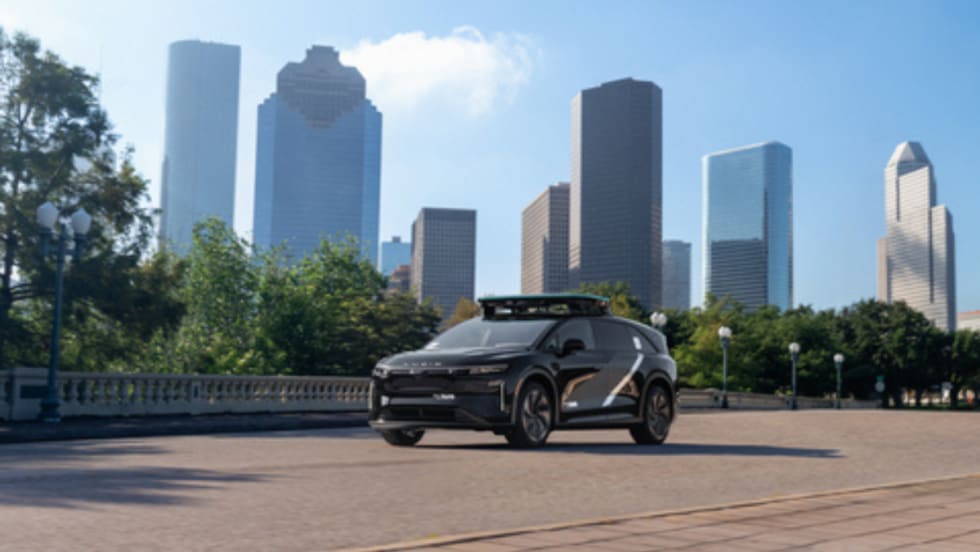
Uber, Nuro and Lucid Plan Houston Robotaxi Service in 2027
The tripartite venture brings out the combined advantages of electric vehicles, mobility, and autonomy into ground transportation.
Read More →
Electrify America Opens EV Fast Charging Station in Southern California
The large-format depot features 20 hyper-fast chargers capable of delivering 350 kilowatts and is backed by a powerful battery energy storage system.
Read More →
Inspiration Mobility Acquires Key Electrada Assets
Inspiration Mobility Group has acquired select assets of Electrada, adding the fleet electrification provider's team, technology, and charging infrastructure development capabilities to its energy management business.
Read More →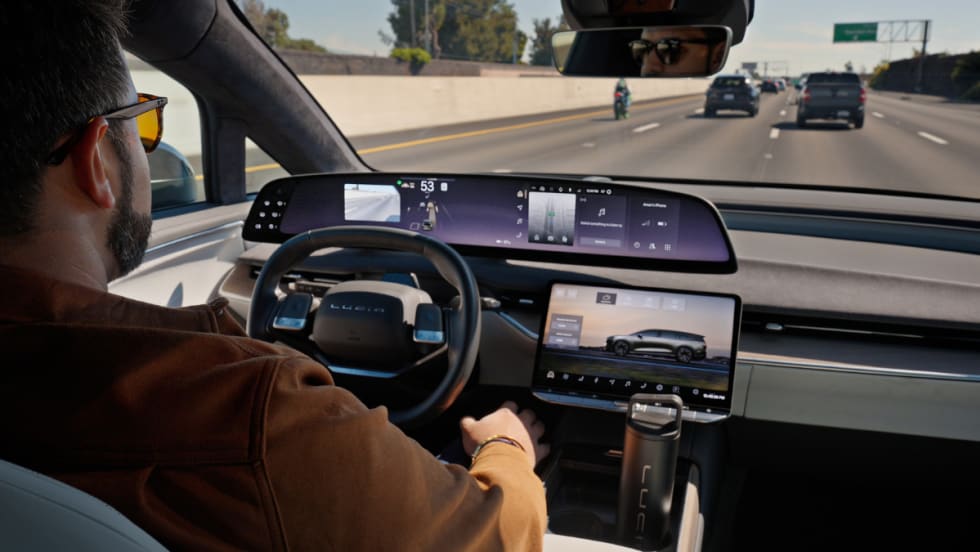
Lucid Adds Hands-Free Highway Driving, Software Updates To Gravity SUV
Hands-free drive assist makes highway driving more comfortable while keeping drivers attentive to the road.
Read More →
Harbinger Creates Hybrid-Electric Unmanned Vehicle Platform for Defense Use
The platform is based on the company's medium-duty plug-in hybrid chassis, which is also used in commercial vehicles.
Read More →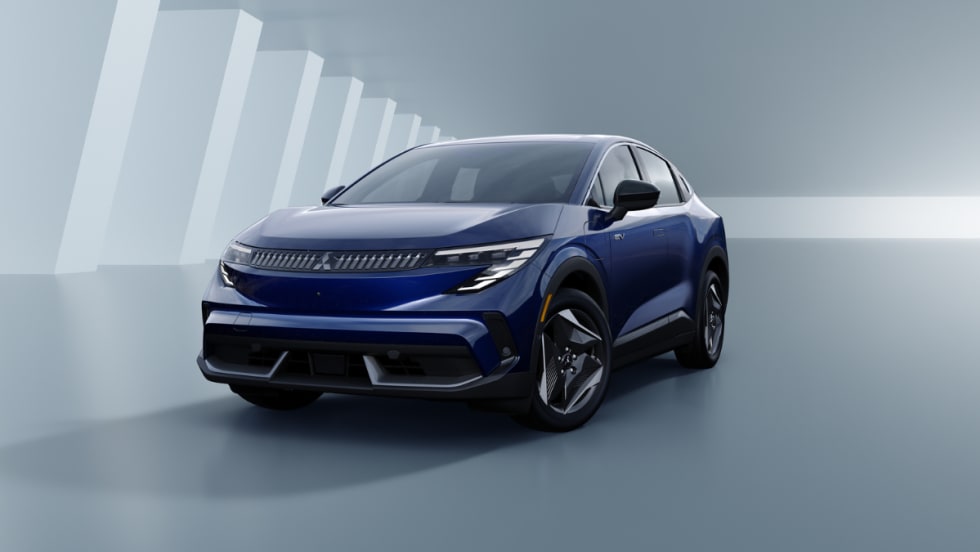
Mitsubishi To Debut All-Electric Eclipse Subcompact For North American Market
The 2027 Mitsubishi Eclipse Sportback is a small SUV that will go on sale by this fall.
Read More →
Stellantis To Build Smaller, Affordable EVs For European Market
Stellantis aims to expand access to urban EV mobility in Europe and address the decline in the smaller-vehicle segment.
Read More →