



Watch This: Independent EV Makers: Are We at the Tipping Point?
7 Questions for New Electric OEM Harbinger
In a crowded independent OEM landscape, Los Angeles-based manufacturer looks to gain EV traction with a “zero price acquisition premium” to gas and diesel trucks.
September 15, 2022
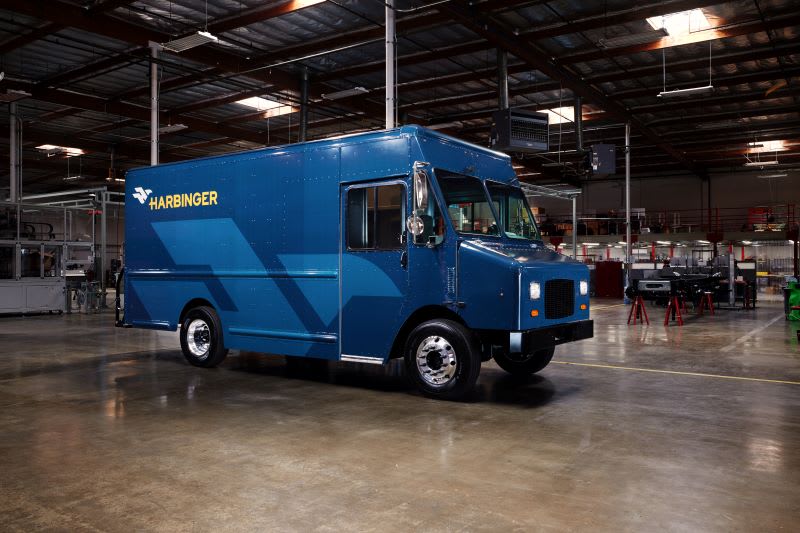
Harbinger enters the market with an electric stripped chassis and cab chassis for Classes 4 to 7 that will support commercial walk-in vans, RVs, box trucks, and other medium-duty vehicles.
Photo: Harbinger
7 min to read
Harbinger, a Los Angeles-based automotive manufacturer, announced on Sept. 8 the launch of a new medium-duty electric vehicle platform. Harbinger’s initial product line will include electric stripped chassis and cab chassis designed for Class 4 to Class 7 vehicles.
Harbinger’s stripped chassis will support commercial walk-in vans, RVs, box trucks, and other medium-duty vehicles, the company said, with a targeted 20-year, 450,000-mile standard operating life.
Harbinger debuted its EV platform at the 2022 North American International Auto Show in Detroit on Sept. 14.
According to a statement, Harbinger expects to scale production “significantly over the next five years” with first vehicles expected in customers’ hands in late 2023, followed by the launch of volume production in 2024.
In the statement, Harbinger set itself apart from current medium-duty electric models that “offer only incremental improvements, largely by retrofitting popular internal combustion engines.”
Harbinger differentiates its technology with a proprietary electric axle that combines the motor, inverter, and gearbox into an integrated unit, with the battery system positioned inside the frame, the company said. An 800v liquid cooled battery system will have capacity to scale in 35kWh increments and is capable of one-hour DC fast charging.
The trucks will employ drive-by-wire steering and a “novel” front suspension that will improve visibility and maneuverability. Floor height is expected to be below 28 inches.
“Medium-duty vehicles serve as the backbone of the commercial transportation industry and are responsible for delivering tens of millions of packages and critical services every day,” said John Harris, CEO of Harbinger, in the statement. “But while this industry has experienced tremendous growth, fleet customers today face acute shortages of gas- and diesel-powered vehicles, and any meaningful supply of production-ready EV offerings is still years out. We are solving this problem head on.”
Zero Premium?
Harbinger claims its electric platform will carry a zero-price acquisition premium relative to gas- and diesel-powered alternatives.
Harbinger stated it will achieve this cost parity by “leveraging strong existing supplier relationships and concentrating its efforts on in-house development of key vehicle systems, thereby eliminating costly third-party battery and powertrain system premiums.”
The modular battery pack and wheelbase configurations will allow fleets to scale appropriately to the duty cycle.
“Better technology often comes with outrageous price tags, and we’re seeing today's medium-duty EVs performing for half the life of today's ICE vehicles at triple the cost,” said Harris, who brings experience from Anduril Industries, Boeing, Faraday Future, and Xos Trucks. “Our technology was developed from scratch in order to control top level chassis cost.”
Harbinger’s C-suite also includes Phillip Weicker, chief technology officer, who was cofounder and head of powertrain at Canoo with other experience at Faraday Future, QuantumScape, Coda Automotive, and EnergyCS. Will Eberts serves as chief operating officer, bringing experience from Anduril Industries, Canoo, Faraday Future, and General Atomics ASI.
Indie EV Makers Face Consolidation
Harbinger launches into a market that in the last four years has seen at least 25 independent commercial manufacturers introduce plans for electric models in Classes 2b to 8.
Harbinger’s statement on electrifying chassis by retrofitting existing ICE engines seems to take aim at the business model of Lightning eMotors, SEA Electric, and ZEVx. This has been the most direct path to date to get electric commercial vehicles on the road, though other independents, along with incumbent medium-duty OEMs, are producing purpose-built electric engines and chassis.
The recent explosion of new commercial EV makers is now facing industrywide supply chain woes that have elongated the timeline to profit-generating sales for electric trucks and vans. And in the Wild West of fleet electrification, some manufacturers have experienced financial improprieties by executives and obfuscations that have brought disruption to the greater market.
Nikola, makers of a hydrogen-electric semi and an electric pickup, was the first to run into public trouble and personnel turmoil in 2020 with charges of fraud and an investigation by the Justice Department and the SEC.
Lordstown Motors’ CEO was forced out in 2021 amidst continued funding woes, an overstatement of placed orders and a subsequent short-seller report. The company pushed back release of its electric pickup several times from December 2020 to a planned third quarter release this year.
In June 2022, Electric Last Mile Solutions (ELMS) filed for Chapter 7 bankruptcy after its CEO departed in February and an investigation found its financial statements unreliable.
Other indie manufacturers have avoided legal issues — and many are moving from prototypes to fleet sales — but are in continual fundraising mode as the market ramps up slower than projected.
In September, a small electric car manufacturer, Mullen Automotive, announced it would acquire a 60% interest in electric truck maker Bollinger Motors. Mullen claims the Bollinger tie up will bring an infusion of cash and resources to get its vehicles to market. Bollinger had pivoted from its B1 and B2 prototype trucks to an electric delivery van, but appears ready to pivot back to producing the B1 and B2.
Nikola and Lordstown are still operational under new management.
Yet to date, unit sales of electric trucks and vans from independent makers have been slow. According to the North American Council on Freight Efficiency (NACFE), as of December 2021 there were only 1,250 zero-emissions trucks deployed in the U.S. in Classes 2b to 8, with two-thirds of them in California. However, NACFE counted 140,000 trucks on order then. That figure will have grown by now.
In the meantime, new EV makers, many of them public, wait for electric infrastructure to catch up and supply chain issues to improve to fulfill those orders. According to Steve Latin-Kasper, economist for NTEA, “The market is starting to consolidate, and we expect to see more.”
Latin-Kasper maintains the market won’t have clarity on commercial EV sales volume until well into the second quarter of 2023.
7 Questions for Harbinger
In an email exchange with Automotive Fleet, Harbinger responded to questions regarding its path to production.
AF: Has Harbinger contracted with a manufacturing partner yet to produce its vehicles?
HM: Stay tuned. To this end, Harbinger announced on Sept. 13 a joint venture with Kalyani Powertrain Limited (KPTL), an India-based global supplier of critical chassis and powertrain components. The JV, named ElectroForge, allows Harbinger to use KPTL’s facility in India to produce electric drivetrains. According to Harbinger, it’s not the only manufacturing partnership on the horizon, with “more news in the coming weeks.”
AF: To confirm, the battery itself is manufactured in house?
HM: Yes, the battery is manufactured in house, purchased standard form 2170 cylindrical cells, with modules and packs manufactured in house.
AF: Are there any partnerships with body builders or upfitters yet?
HM: Harbinger is making rapid progress with upfitters and body makers as well as additional strategic partnerships to help us advance our business. (We plan) to have more information to come at a later date. On Sept. 14, in conjunction with its launch at the Detroit show, Harbinger announceda partnership with Wabash to engineer truck and trailer bodies for Harbinger’s chassis.
AF: Will Harbinger use a direct sales model, or partner with existing dealers?
HM: We expect to do both, depending on specific customers and/or jurisdictions. But as a general matter, we highly value dealers and intend that they will be an important part of our distribution and customer support/operations channels.
AF: Will initial sales cover the U.S., or concentrated on certain areas of the country, such as California?
HM: We are aiming right now to be jurisdiction agnostic and support our customers wherever they are — subject to regulatory restrictions.
AF: How will service and maintenance be handled?
HM: With existing shops and service partners. We have relationships with several partners already and are continuing to develop this area today.
AF: With half or most of the cost of an EV in the battery, where will the money savings come from to offer a price with no premium over gas or diesel trucks?
HM: Through scalable 35 kWh battery packs, using standard-size 2170 cylindrical cells. (This) is another part of the reason we can match costs. We're also taking advantage of the general reduction in cell costs that has already occurred over time, and we won't be stuck with the same high-volume requirements as passenger cars (but still will buy a high enough volume to be attractive to cell manufacturers).
Originally posted on Automotive Fleet
Subscribe to Our Newsletter
More Electric Vehicles
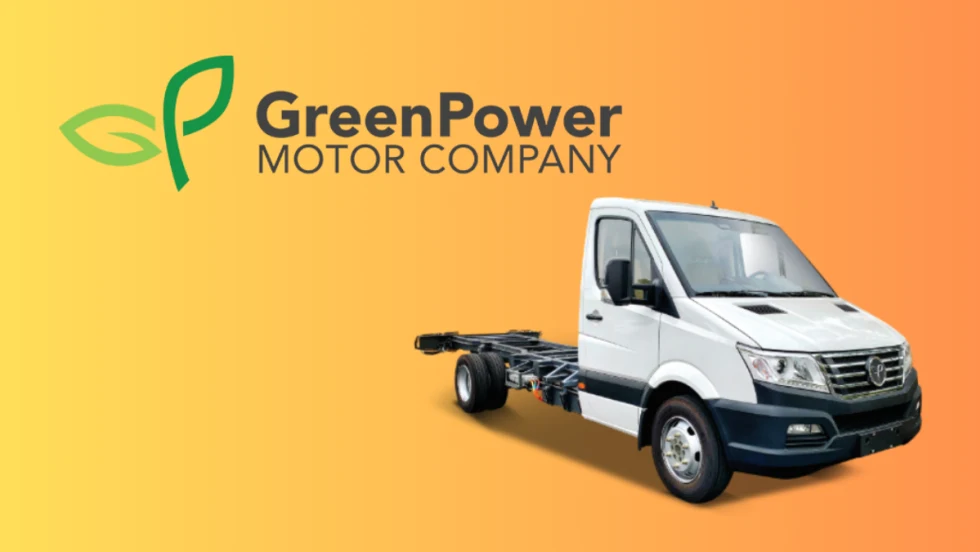
GreenPower Plans 50 Electric Shuttle Buses for Mexico
GreenPower plans to build 50 electric shuttle buses for Mexico using its EV Star Cab & Chassis platform, partnering with local body builders to expand its market reach.
Read More →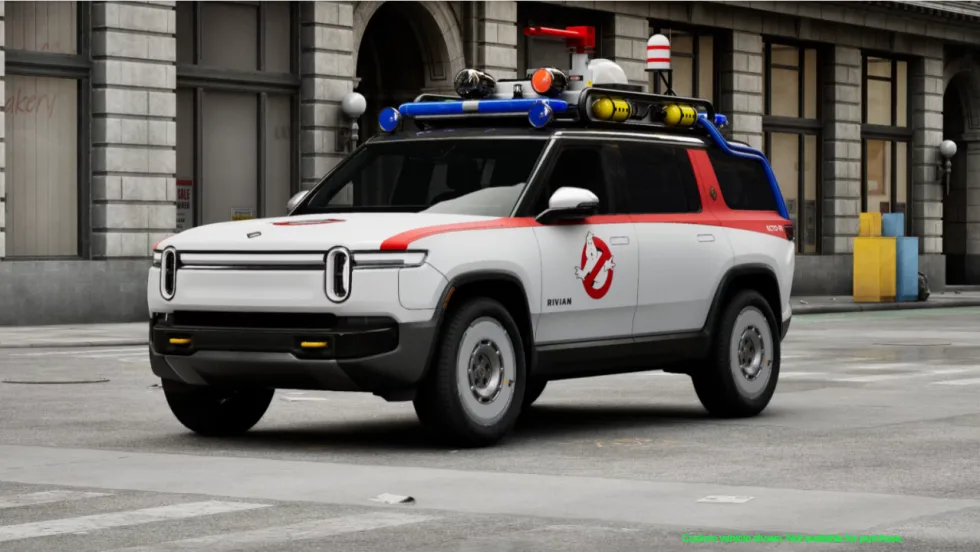
Who You Gonna Call? Rivian Turns Electric Vehicles Into Ghostbusters Rides
Rivian teams up with Sony Pictures for a Ghostbusters-inspired Halloween software update, complete with custom sounds, lighting effects, and a special Ecto-R1.
Read More →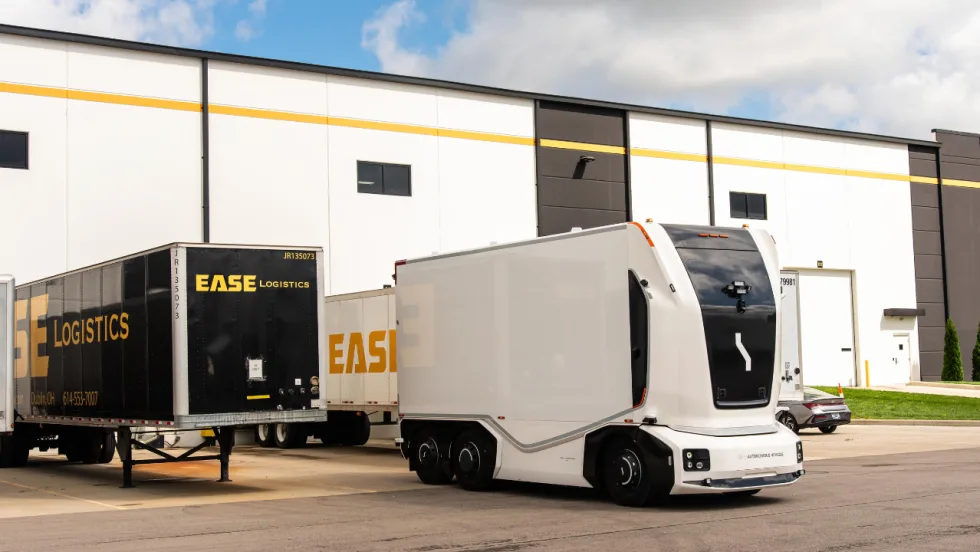
Einride Electric Driverless Trucks Begin Daily Freight Operations in Ohio
Two cabless electric trucks are now moving freight between EASE Logistics facilities, putting autonomous EV technology into daily commercial operations.
Read More →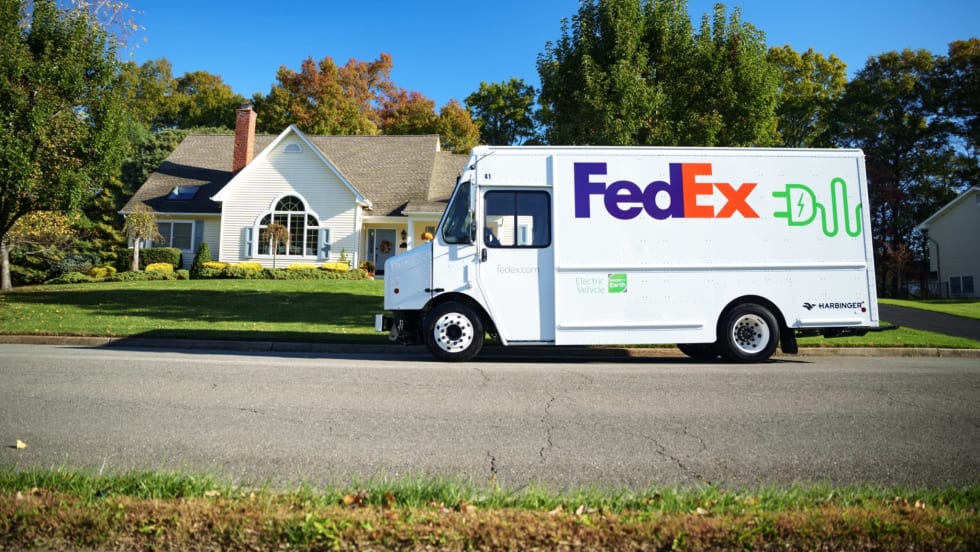
FedEx Orders 2,000 Harbinger Electric Trucks in $300 Million Deal
The Class 5 and 6 electric trucks are planned for delivery by the end of 2027 and will be deployed in FedEx pickup and delivery operations across the U.S. and Canada.
Read More →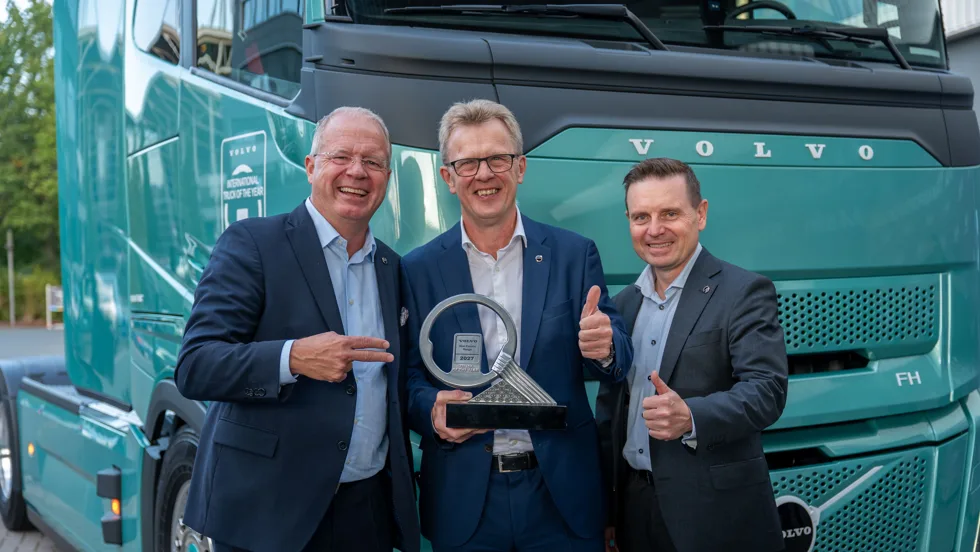
Volvo Trucks’ Electric Range Named International Truck of the Year 2027
The award recognizes Volvo’s global heavy-duty electric lineup, while more than 750 VNR Electric trucks have accumulated nearly 37 million miles in U.S. and Canadian fleet operations.
Read More →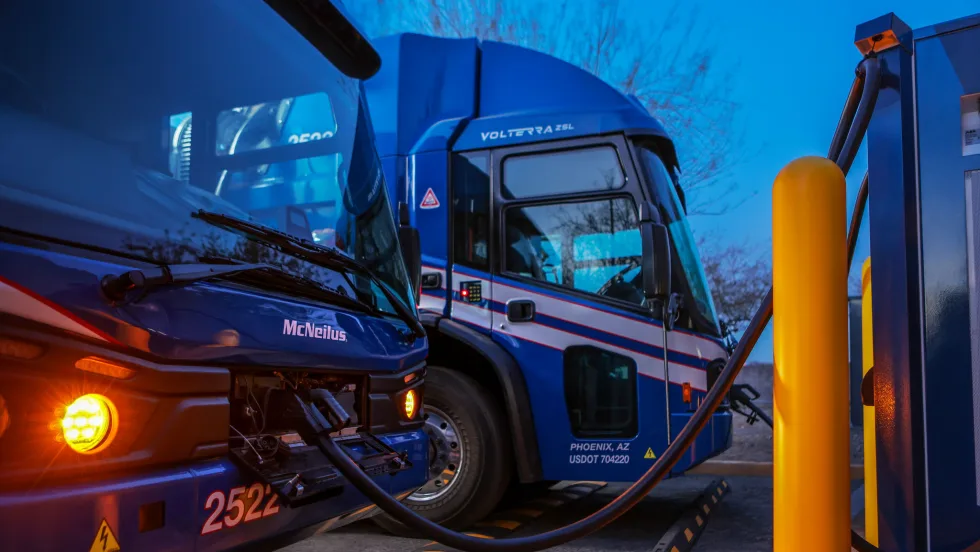
How Republic Services Decides Where Its Next Electric Trucks Can Go
With 250 electric collection trucks now in service, Republic Services is learning that scaling electrification depends less on proving the vehicle and more on whether each site can support what comes next.
Read More →
EV Charging Use Is Outpacing Infrastructure Growth
ChargePoint’s 2026 Charging Forward Report points to rising charger use, higher-powered charging, commercial vehicle electrification, and energy-management technology. Here’s what fleets should know.
Read More →
EV Realty Names Henrik Holland President as Charging Platform Expands
The former Prologis Mobility and Shell executive will help expand EV Realty’s truck charging business and move its power-first infrastructure model into autonomous vehicle depots and other fleet sectors.
Read More →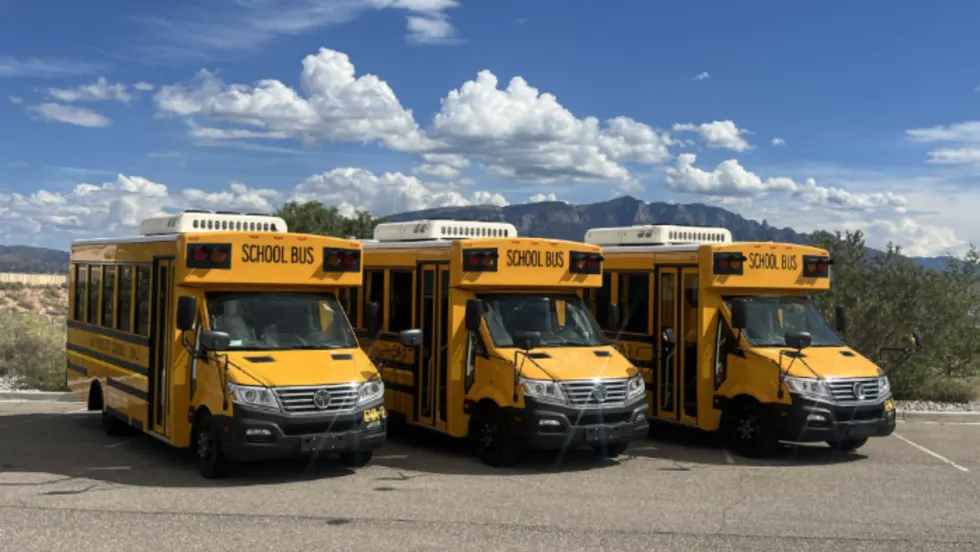
GreenPower Expands New Mexico EV Pilot With Larger Buses, V2G Testing
After logging more than 17,000 electric miles in the first year, New Mexico’s statewide pilot is moving into its second phase with larger vehicles, continued charging evaluations, and more.
Read More →
Can EV-as-a-Service Help Fleets Scale Electrification?
Sustainability Partners CEO Adam Cain explains how matching EVs, charging infrastructure, and duty cycles can help fleets scale electrification.
Read More →