


WEX Launches EV Depot for Secure On-Site Vehicle Charging Payments
The fleet service now offers an electric vehicle charging and payment solution across depot, public, and at-home sites

A recent Frost & Sullivan report, commissioned by WEX, showed that 80% of mixed-energy fleet operators surveyed intend for at least 25% of their fleets to be comprised of EVs by 2030.
Photo: Automotive Fleet
WEX, the global commerce platform, recently introduced WEX EV Depot, a new feature that enables secure charging at private chargers when using the WEX Fleet Card.
The newest addition to WEX’s comprehensive charging platform, including the existing public charging ‘En Route’ and ‘At-Home’ solutions, makes it one of the first fleet management businesses in North America to offer electric vehicle (EV) charging payments across depot, public, and at-home charging locations.
“As fleet managers shift from internal combustion engines to EVs, they face the challenge of consolidating data across different types of chargers and fueling stations for operational efficiency,” said Carlos Carriedo, chief operating officer of Americas Payments & Mobility at WEX.
“With WEX EV Depot, we are helping customers navigate the complexity of infrastructure rollout and giving them tools to operate efficiently at scale with a 360-degree solution,” Carriedo said.
The shift to mixed-energy fleets across the industry is underway. A recent Frost & Sullivan report, commissioned by WEX, showed that 80% of mixed-energy fleet operators surveyed intend for at least 25% of their fleets to be comprised of EVs by 2030.
According to WEX, fleets will need a streamlined payment approach for internal combustion engine vehicles (ICE) and EV vehicles, which makes WEX’s card offerings ideal for organizations seeking a unified charging and payment solution for mixed-energy fleets.
Benefits of the WEX EV Depot
For Fleet Operators:
WEX EV Depot is included in an integrated reporting system that allows fleets to manage all EV charges from any charging source or fuel transactions on a WEX fleet credit line.
Fewer cards are needed, simplifying onboarding and ongoing operations.
The platform will include the WEX EV Depot Mapping tool, which allows fleets to direct EV drivers to their preferred depot or private charging locations, regardless of whether chargers are connected to the internet.
Helps reduce downtime by scheduling charging overnight.
For Drivers:
A WEX-issued RFID tag ensures frictionless and secure EV charging payments at private chargers and the WEX public network comprising nearly 150,000 charging stations.
WEX DriverDash, WEX’s mobile payment app, allows for touch-free in-app charger activation for cross-vendor public and private chargers, providing a fast, secure smartphone payment option.
The number of cards needed to access chargers is significantly reduced.
“WEX EV Depot provides a wealth of benefits to our EV and mixed-fleet customers with comprehensive payment integration, the EV Depot Mapping tool, and robust data security,” Carreido added. “It offers a simple way to enhance operational and financial efficiency and accelerate lower-emissions goals.”
WEX EV Depot is available to WEX En Route customers for an additional subscription fee. WEX EV Depot works seamlessly with insights from Sawatch Labs, a WEX Company, to help fleets determine where to deploy depot charging based on real operational data and maximize ROI once the infrastructure is in place.
Originally posted on Automotive Fleet
More Charging
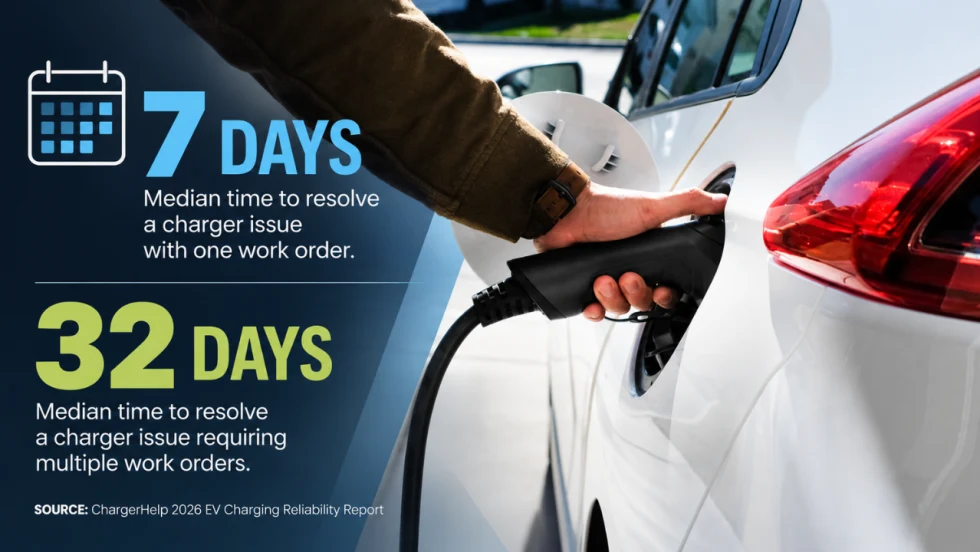
What Happens When an EV Charger Goes Down at Your Fleet Depot?
A failed EV charger can disrupt routes, delay vehicles, and create unexpected costs. Here's how fleets can troubleshoot problems, arrange backup charging, and minimize downtime.
Read More →
California Opens $28 Million in EV Fast-Charging Incentives
The Fast Charge California Project offers up to $100,000 per charging port for eligible, ready-to-build public charging projects, with applications open through Jan. 14, 2027.
Read More →
Honda Develops In-Motion Wireless EV Charging Technology for Commercial Vehicles
Honda, Taisei and Taisei Rotec are developing a road-embedded wireless charging system capable of transferring up to 150 kW, with public-road testing planned in Japan beginning in fiscal 2027.
Read More →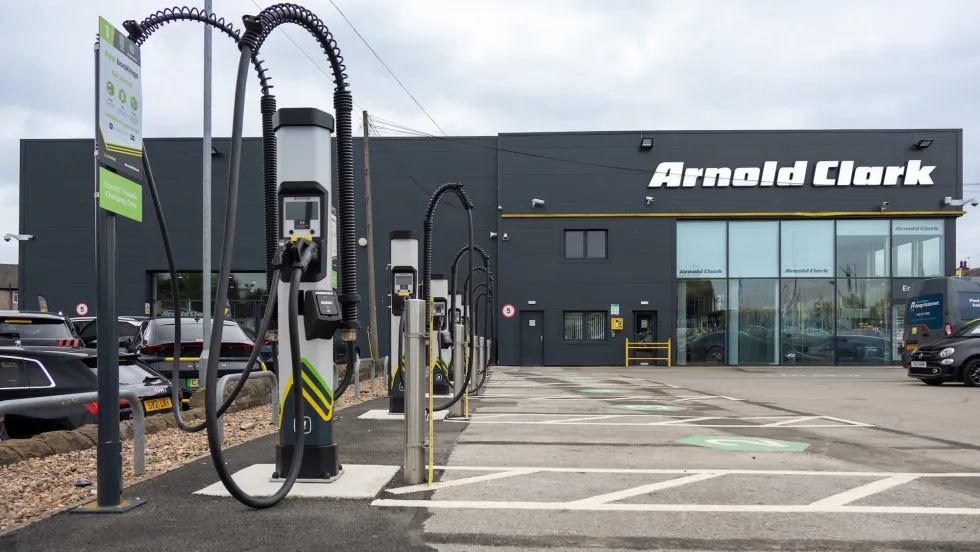
Arnold Clark Charge Opens Six Ultra-Rapid EV Chargers in Huddersfield
The new public charging site brings the Arnold Clark Charge network to 63 locations across the U.K., with charging priced at 55 pence per kWh.
Read More →
ChargerHelp Report Finds EV Charger Recovery Delays Can Stretch Beyond a Month
An analysis of approximately 500 million data points found charging issues requiring multiple work orders took a median of 32 days to resolve, highlighting the operational impact of diagnostics and repair coordination.
Read More →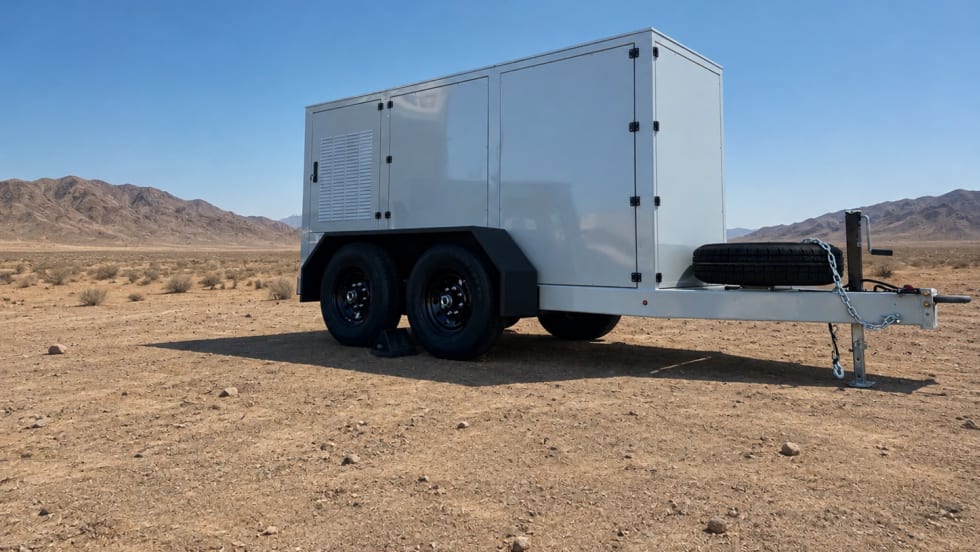
Xos Mobile Charging Hub Surpasses 1 GWh of Energy Delivered
As fleets electrify, charging capacity does not always arrive on the same timeline as the vehicles. Operating data from one Xos Hub shows how mobile, grid-independent charging can support vehicles when permanent infrastructure or utility upgrades aren't available.
Read More →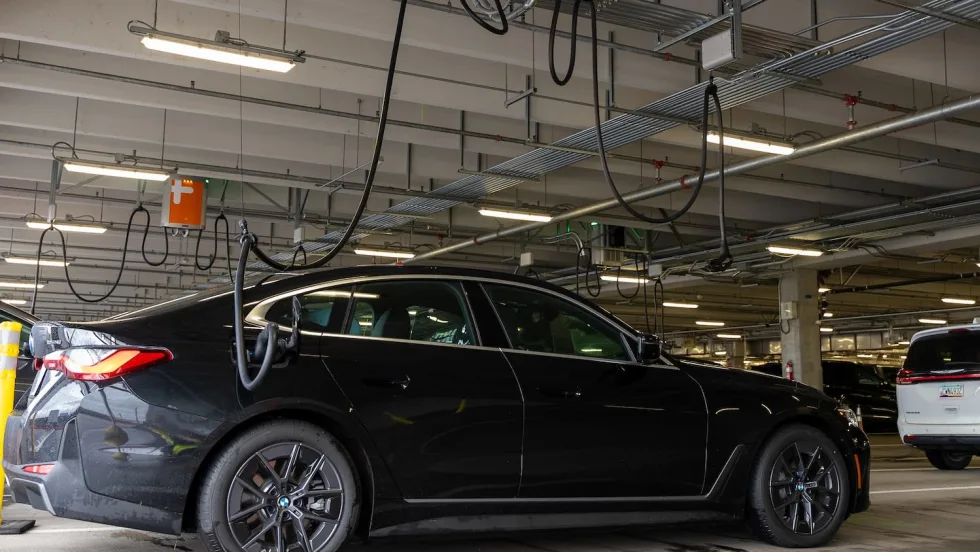
ChargePoint Adds Overhead EV Fast Charging at Portland International Airport
The installation can charge up to 20 rental vehicles simultaneously and uses overhead equipment to preserve ground-level space at the airport's Quick Turnaround Facility.
Read More →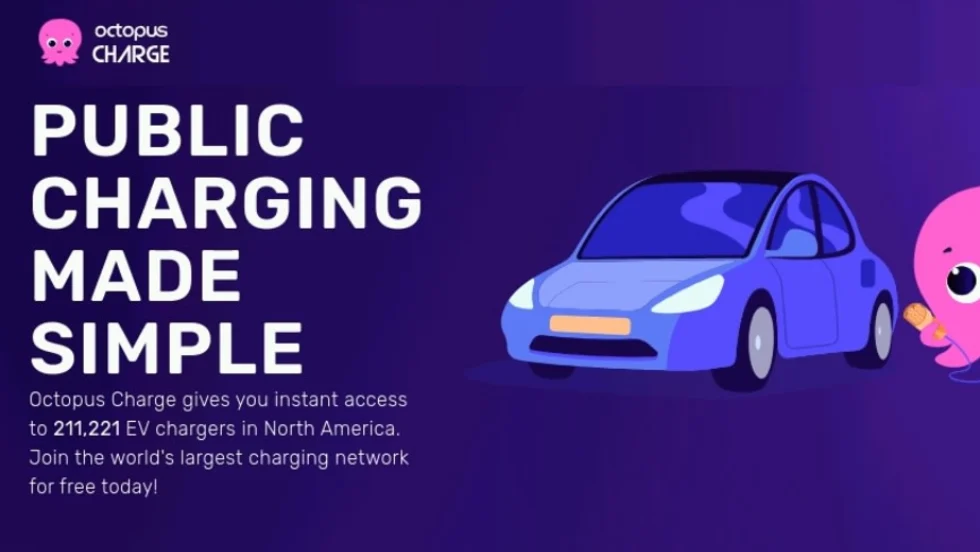
Octopus Energy Launches Public EV Charging App in U.S.
Octopus Charge allows EV drivers to locate and access public charging stations through a single app, building on the company's Electroverse platform in Europe.
Read More →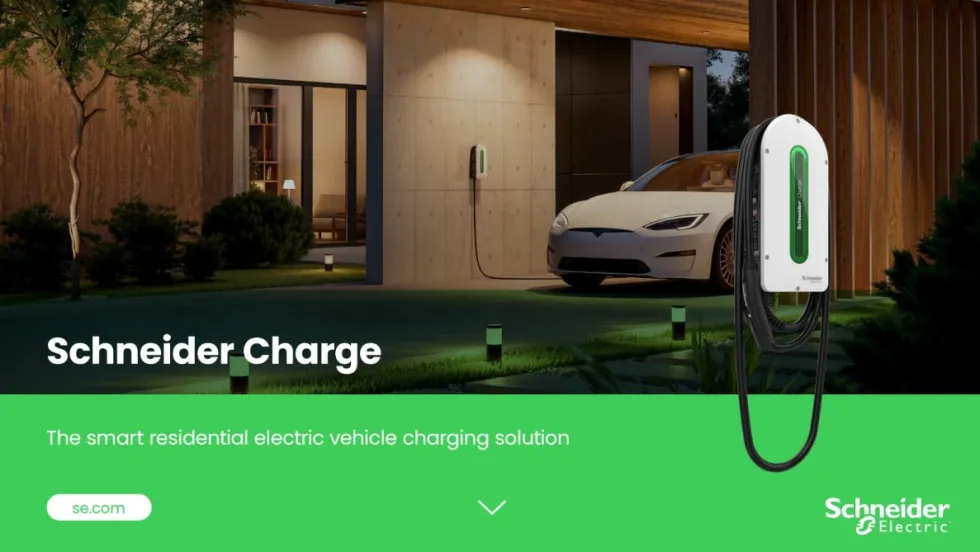
Schneider Electric Launches Level 2 Home EV Charger With Integrated Load Management
Schneider Charge uses integrated SmartAmp technology to adjust charging output based on household electrical demand and is available with NACS or J1772 connectors.
Read More →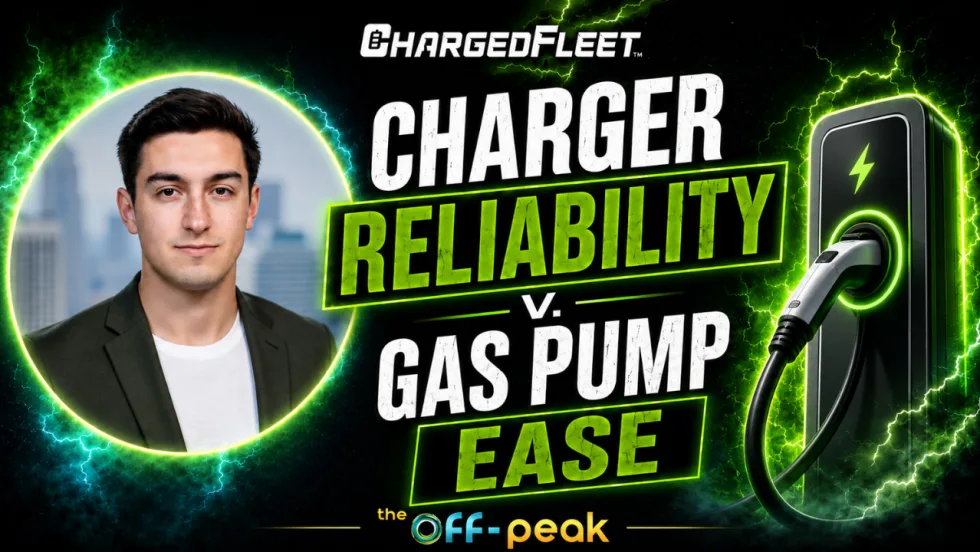
Why EV Charging Reliability Is More Complicated Than It Looks
GridLink CEO Josh Silets explains what causes EV chargers to fail, why fleet operators often struggle to identify the source, and what questions they should ask charging vendors.
Read More →