


Learn More: Utilities Play Critical Role In Electrifying Fleets
5 Tips On Connecting Your Fleet To the Electric Grid
Partnering with a power source can save a fleet operation on costs and energy consumption

Nicole Schlosser・Former Executive Editor
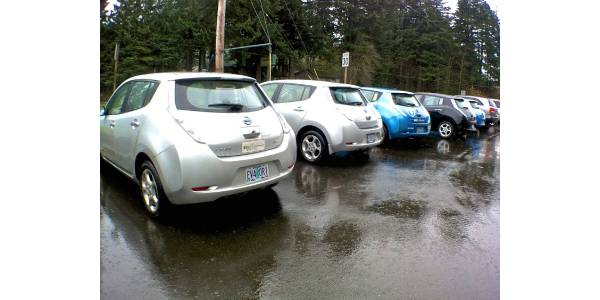
Photo: "Electric vehicles" by OregonDOT is licensed under CC BY 2.0
3 min to read
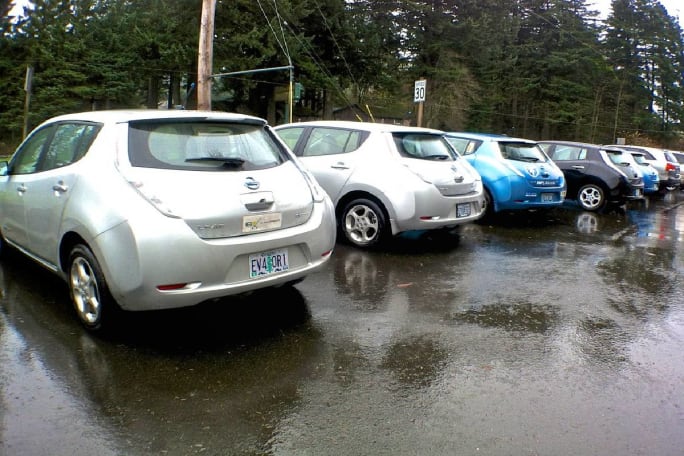
As soon as a company or fleet managers start thinking about adopting electric vehicles, they should start talking with their utility provider.
Photo: "Electric vehicles" by OregonDOT is licensed under CC BY 2.0
Known as vehicle-to-grid technology (V2G), the involvement of a local utility can bring a lot of potential for more efficient fleet operations.
What are some key tips or pieces of advice that all fleet operators should remember when partnering with an energy company on running electric vehicles, charging, and V2G?
It is important to work with your partners early on to ensure success throughout the process, from manufacturing to operation. Mark Childers, powertrain and technology sales manager for Thomas Built Buses, shares some key advice on integrating your fleets with power companies.
Start the conversation early. As soon as a company or fleet managers start thinking about adopting electric vehicles, they should start talking with their utility provider. Deploying new EVs can involve a prolonged timeline, so communicating early on will help the process move more smoothly and minimize unexpected hurdles. Involve your local dealer, too. They can add value to the discussion by providing specific vehicle options.
Invite the utility provider to a site review. A utility provider can assess what electrical infrastructure is already in place as well as what may need to be added to charge a fleet. While on site, fleet managers and the utility provider should also discuss fleet operations, such as how vehicles are parked and whether there are islands for charging multiples vehicles at a time. The utility provider can also offer suggestions on security around the charging infrastructure for safety purposes.
Discuss rates. There are two different rate structures that the transportation director and utility provider need to discuss: those based on time-of-use (TOU) and demand charge structures. TOU rate structures refer to the varying rates that a utility provider will charge for electricity depending on the time of day and whether it is peak-use time or not. Charging at varying times of day can greatly affect utility costs. Demand charge structures refer to additional fees that may be charged based on the highest amount of power drawn during an interval of time within the billing cycle. Knowing the cost of your electricity (fuel) is paramount to success in running electric vehicles.
Settle on electric vehicle (EV) support equipment — also known as charging equipment.
Together, the fleet manager and utility provider should discuss the best charging infrastructure for the fleet, whether AC or DC charging. How a fleet operates, whether on fixed routes, set schedules and/or established service hours, will play a critical role in the selection of chargers. Also think about the future growth of EVs in your fleet. Consider charging redundancy, such as a contingency plan if chargers are out of commission.Look into financial assistance and grants. Some utility providers can invest in some or all of the infrastructure costs, so budgeting and financing assistance should also be part of the conversation. Do your homework up front and look for make-ready EV programs from your utility provider.
Subscribe to Our Newsletter
More Charging
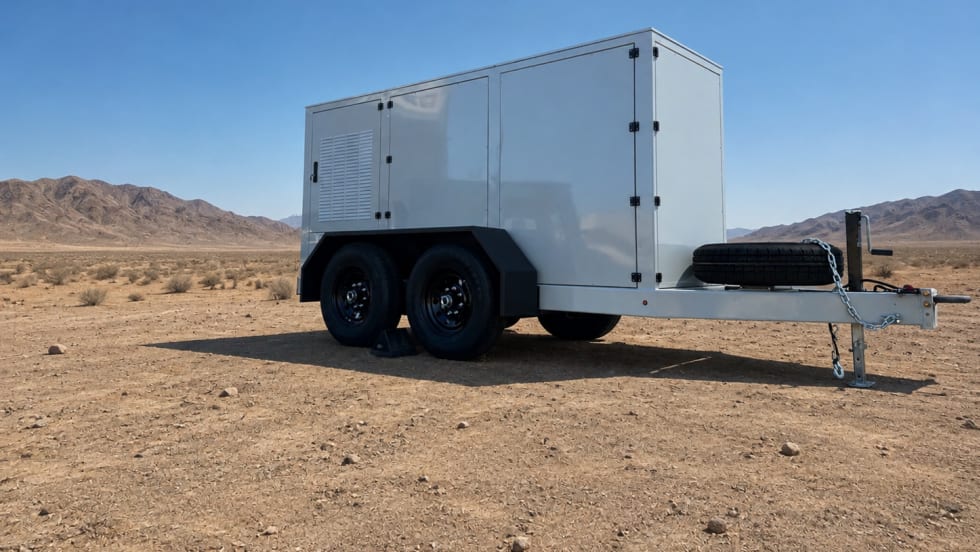
Xos Mobile Charging Hub Surpasses 1 GWh of Energy Delivered
As fleets electrify, charging capacity does not always arrive on the same timeline as the vehicles. Operating data from one Xos Hub shows how mobile, grid-independent charging can support vehicles when permanent infrastructure or utility upgrades aren't available.
Read More →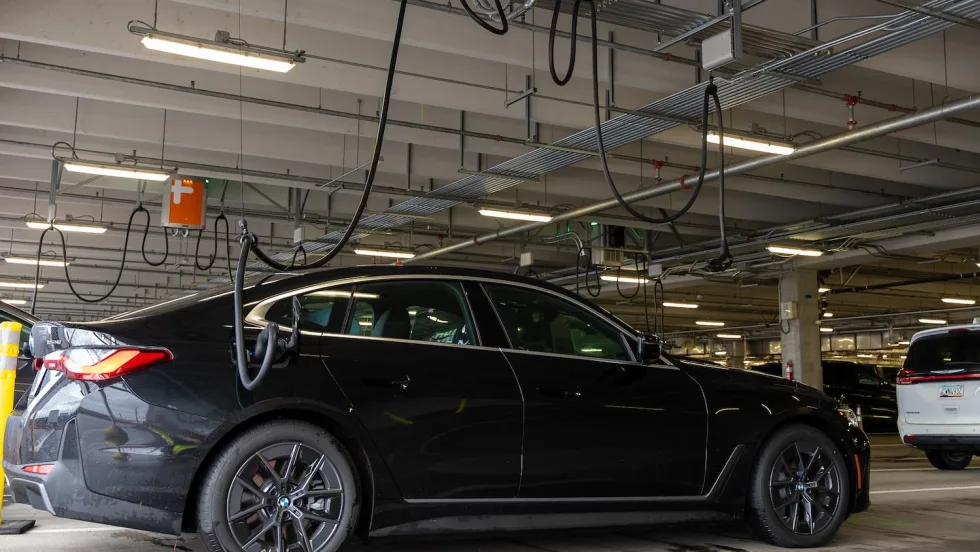
ChargePoint Adds Overhead EV Fast Charging at Portland International Airport
The installation can charge up to 20 rental vehicles simultaneously and uses overhead equipment to preserve ground-level space at the airport's Quick Turnaround Facility.
Read More →
Octopus Energy Launches Public EV Charging App in U.S.
Octopus Charge allows EV drivers to locate and access public charging stations through a single app, building on the company's Electroverse platform in Europe.
Read More →
Schneider Electric Launches Level 2 Home EV Charger With Integrated Load Management
Schneider Charge uses integrated SmartAmp technology to adjust charging output based on household electrical demand and is available with NACS or J1772 connectors.
Read More →
Why EV Charging Reliability Is More Complicated Than It Looks
GridLink CEO Josh Silets explains what causes EV chargers to fail, why fleet operators often struggle to identify the source, and what questions they should ask charging vendors.
Read More →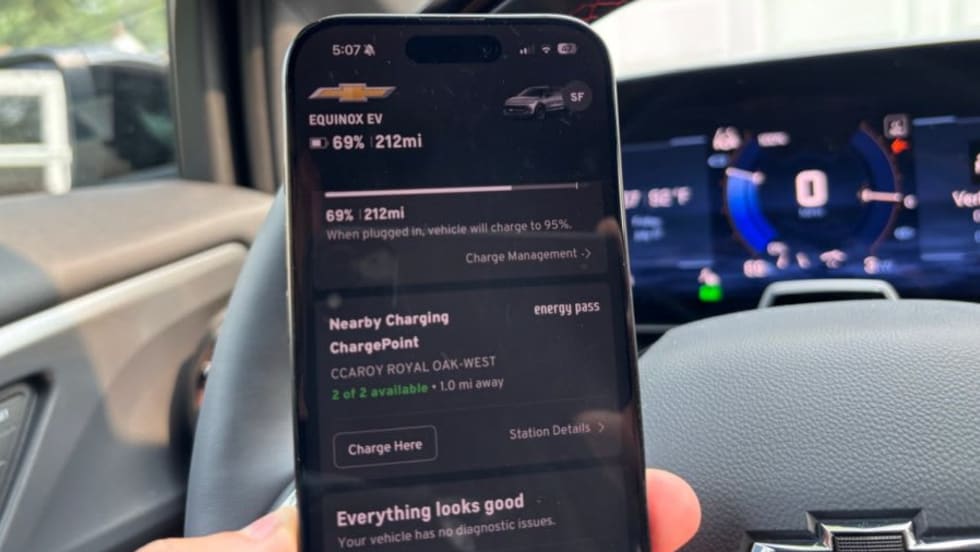
GM Adds ChargePoint Network to Energy Pass Platform
The integration gives GM EV drivers access to additional DC fast chargers and Level 2 stations through a single app while expanding the automaker's public charging ecosystem.
Read More →
Xos White Paper Asserts LA Olympics Will Lack Enough EV Chargers
The commercial EV fleet company recommends some faster and more flexible remedies to relieve the anticipated shortfall.
Read More →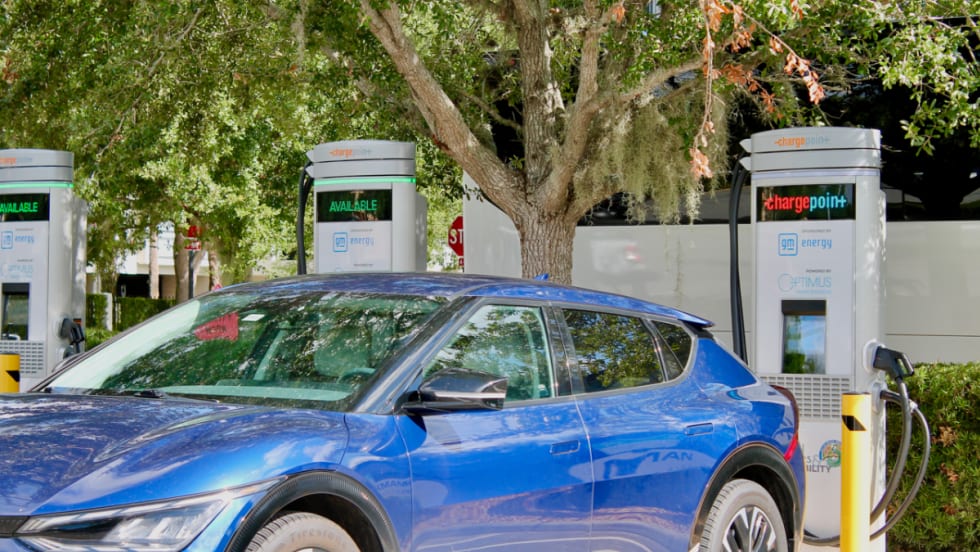
ChargePoint, Optimus Expand Fast-Charging Network Across Southeastern U.S.
ChargePoint will serve as the exclusive solutions provider, delivering hardware, software, and services to support Optimus’ growing charging network.
Read More →
Running A Profitable Electric Rental Fleet
How do you successfully operate an all-electric rental car fleet? Whether you manage a rental fleet or another commercial fleet, this conversation offers practical lessons on deploying, operating, and scaling electric vehicles.
Read More →
Why Charging May Never Be As Easy As Filling Up Gas
A seamless charge depends on a string of independent companies getting it right together, every time. How can electric fleets navigate the challenges to create a successful charging plan?
Read More →