


Why It's Difficult for Some Fleets to Go Green
For many fleets, aligning governmental mandates with the vehicles that OEMs offer creates a difficult task. This is especially true for fleets that operate a mix of light-, medium-, and heavy-duty vehicles.

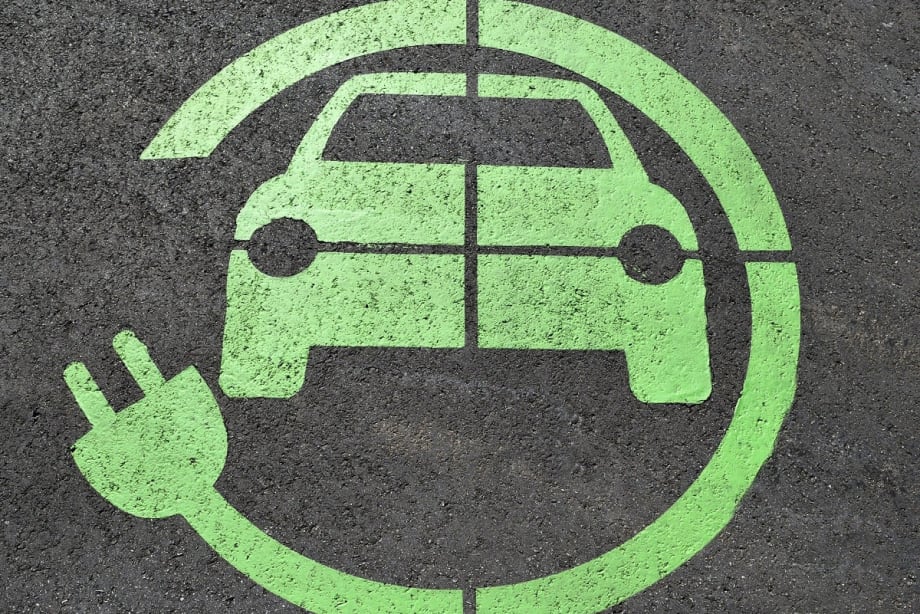
Image by Paul Brennan from Pixabay.
One difficulty with a global sustainability program is aligning governmental mandates with OEM product availability.
Many fleets operate a mix of light, medium- and heavy-duty vehicles. The fleet, as a whole, is judged on its sustainability, but many products do not offer a green alternative.

Jim Bigelow,
Cox Enterprises
[EMPTY CREDIT]
“One challenge has been getting the OEMs to provide ‘green’ vehicles in medium/heavy duty range,” said Jim Bigelow, senior director, enterprise fleet for Cox Enterprises. “It is a challenge in getting them to understand that this lack of product availability is hindering us from meeting our green goals.”
The limited number of vehicle segments that are battery-powered was cited by other fleet managers as the reason why their EV adoption rate is constrained.

Amy McAdams, MORSCO
“The majority of our fleet is medium- and heavy-duty trucks. Until there is a solution in this space that is cost-neutral to our organization, I don’t believe EVs will fit our needs,” said Amy McAdams, director of fleet for MORSCO.
Recent announcements by different automakers about future product plans indicate that there will be a wider availability of alternative-fuel powertrain options in the coming years.

Michael Bieger,
Catholic Relief Services
[EMPTY CREDIT]
“Manufacturers are moving their businesses to more ecological and more electric solutions so fleet managers (and their companies) will soon no longer be able to use the manufacturers’ lack of product as a rationale for fossil fuel vehicles anymore; and costs will climb. Product will be there, and fleet will need to understand how to choose the right solution,” said Michael Bieger, global fleet manager at Catholic Relief Services. “Sustainability initiatives are especially challenging for the NGO world as infrastructure support for electric vehicles, in the areas that we operate, are not as widespread as in Europe or the U.S. So great care needs to be taken to balance sustainability with the need to successfully deliver services.”
Implementation of alt-fuel vehicles in nationally dispersed fleets will continue to be challenging due to regional variances in incentives, rebates, and product availability on a national basis.

Sheri Hardesty, Jones
Lang LaSalle (JLL)
[EMPTY CREDIT]
“If you get past the budget concerns, policy issues surface, particularly if you are considering implementation of EVs,” said Sheri Hardesty, global fleet leader at Jones Lang LaSalle (JLL). “We are entering uncharted territory. How do you charge employees for their personal consumption of electricity in their EV or reimburse them for charging at home or elsewhere? If your company is really progressive and implements workplace charging stations, how do you allocate or align their usage?”
Many fleet managers whose corporation have made a commitment to increase the number of EVs in fleet operation are struggling to meet corporate targets due to costs.
“It is a challenge to find an affordable means of introducing more electric and hybrid vehicles types into the current fleet profile,” said a fleet manager who wished to remain anonymous.
All fleet managers say that alternative-fuel vehicle selection is very difficult, even though more alternative-fuel vehicles are offered every year.
The reason for the difficulty is that the entry price points are still higher than the gasoline comparable model.
“The company wants fleet to demonstrate a favorable ROI of alternative-fuel vehicles, when comparing them to their gasoline comparable. This is very difficult to do with the premium entry-level price charged for alternative-fuel vehicle, which creates a price gap between the two,” said another fleet manager who wished to be unnamed.
Originally posted on Automotive Fleet
More Electric Vehicles
EV Charging Use Is Outpacing Infrastructure Growth
ChargePoint’s 2026 Charging Forward Report points to rising charger use, higher-powered charging, commercial vehicle electrification, and energy-management technology. Here’s what fleets should know.
Read More →
EV Realty Names Henrik Holland President as Charging Platform Expands
The former Prologis Mobility and Shell executive will help expand EV Realty’s truck charging business and move its power-first infrastructure model into autonomous vehicle depots and other fleet sectors.
Read More →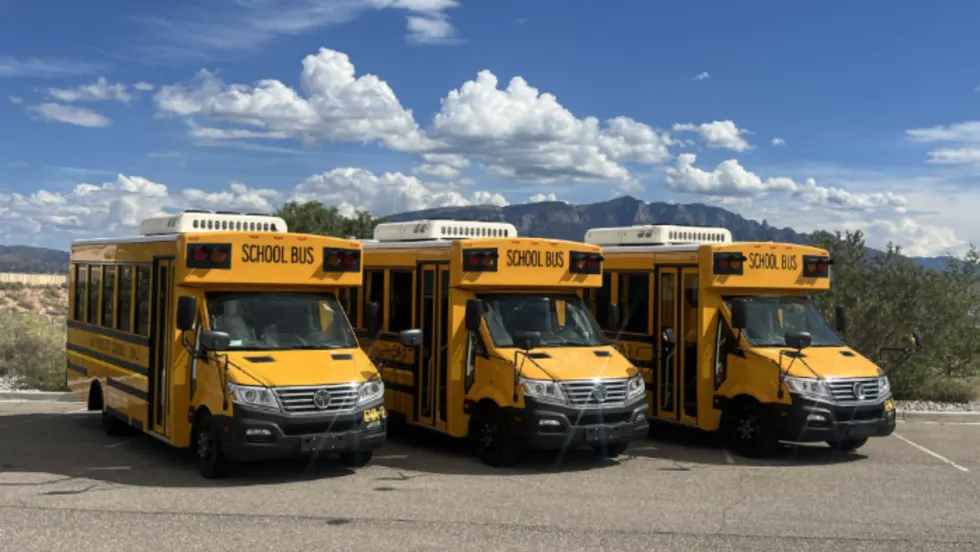
GreenPower Expands New Mexico EV Pilot With Larger Buses, V2G Testing
After logging more than 17,000 electric miles in the first year, New Mexico’s statewide pilot is moving into its second phase with larger vehicles, continued charging evaluations, and more.
Read More →
Can EV-as-a-Service Help Fleets Scale Electrification?
Sustainability Partners CEO Adam Cain explains how matching EVs, charging infrastructure, and duty cycles can help fleets scale electrification.
Read More →
How EV-as-a-Service Is Moving Fleets Beyond Pilots
Adam Cain, president and CEO of Sustainability Partners, explains how EV-as-a-service can help fleets scale deployments by addressing duty-cycle requirements and charging challenges.
Read More →
PowerFlex, The Mobility House Join Forces to Advance Fleet Electrification
Two EV charging providers are joining forces to deliver a broader portfolio of energy management and fleet electrification solutions.
Read More →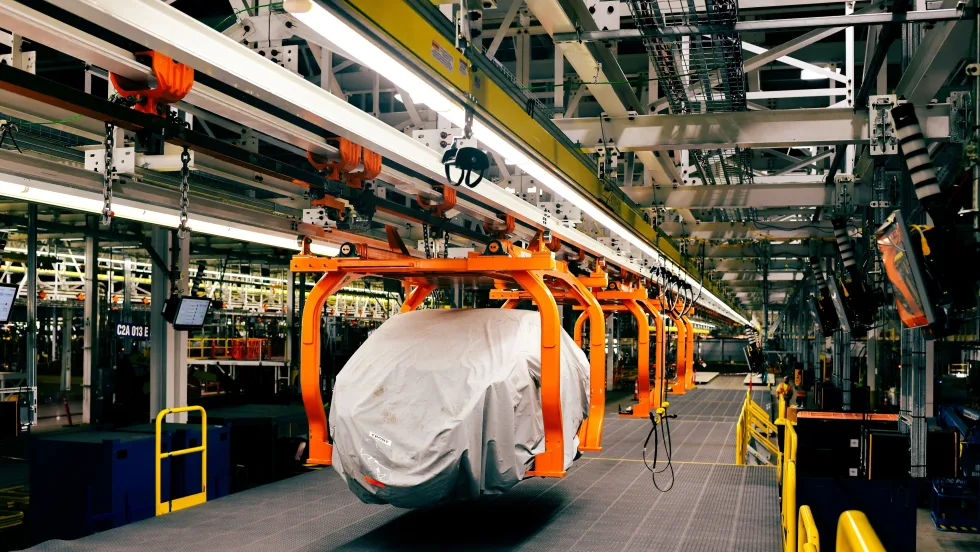
Ford Retools Louisville Plant for Fathom Electric Truck Production
Ford's $2 billion Louisville Assembly Plant overhaul introduces a three-part assembly process for the Fathom midsize electric truck, with production scheduled to begin in 2027.
Read More →
Merchants Fleet Reports 290M EV Miles as Fleets Navigate Changing Electrification Market
From millions in operating savings to hundreds of millions of EV miles, Merchants Fleet’s latest report reveals what’s working and what’s changing in fleet electrification.
Read More →
California District Commits to Electrify 25% of School Bus Fleet by 2028
One of the nation's largest school bus electrification projects to date demonstrates how grants, charging infrastructure, and public-private partnerships can help fleets transition to EVs at scale.
Read More →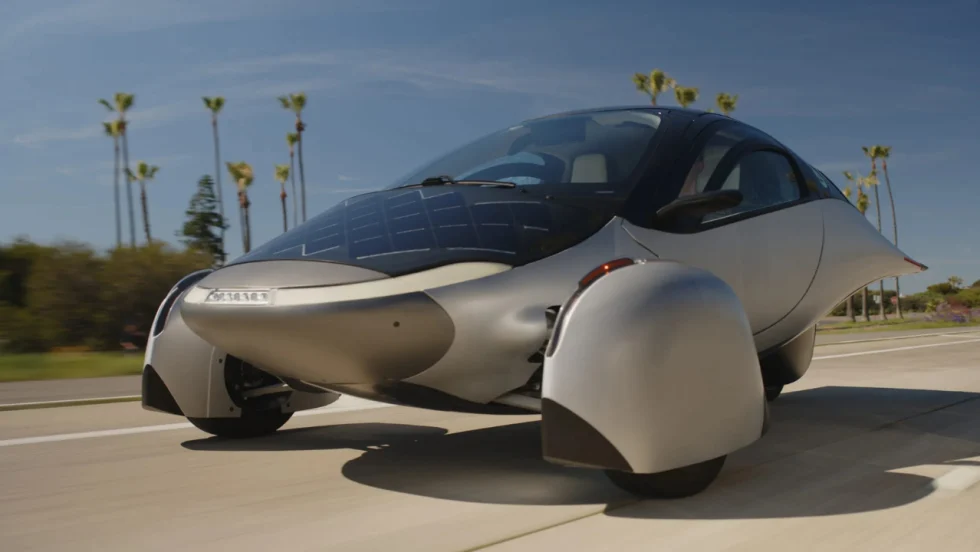
Aptera Orders Bodies and Chassis for Its First 40 Production Vehicles
Aptera Motors Corp. has issued purchase orders for the major structural components of its first 40 vehicles, and body and chassis components are expected to begin arriving in October.
Read More →