



Learn More: DOE Sustainable Transportation Strategy Will Succeed with Innovation, Cooperation
What Are the Top Utility Industry Tech Trends for 2021?
Utilities no longer have a choice but to embrace technology to foster innovation and change.
April 12, 2021

Virtual reality (VR) and augmented reality (AR) allow employees to prepare for hazardous jobs and hone their skills without putting themselves at physical risk.
Photo: Unsplash/XR Expo
3 min to read
The Utility Expo recently released a report on how utilities can take advantage of technological trends to improve reliability, efficiency, safety, and security throughout their operations.
“Utilities have to adjust to the new normal we live in,” says Stefan Wolf, utilities industry vice president at SAP. “It’s about being able to analyze data and predict future events.”
“Utilities no longer have a choice but to embrace technology to foster innovation and change,” says Brad Williams, vice president of industry strategy at Oracle Utilities. “Machine learning and artificial intelligence (AI) can supercharge the efficiency and resilience of the core business. Other technologies can lead to entirely new value-added services and business models.”
The Convergence of Data and Analytics
Real-time data analytics offers incredible potential for the utility sector — from reducing outages and maintenance costs to improving demand response.
By applying sensors, AI, and machine learning to their systems, utilities can be more prepared and resilient. Severe weather is one example. By using historical weather patterns to predict the impact on the grid, utilities can have crews and equipment ready to restore power and minimize outages.
Additional data collection points include smart meters, IoT device analytics, and implementing cloud-based solutions. This enables leaders to see if tools are being implemented correctly, and if everyone is working from the same data.
Supporting the Renewable Transition
As the energy sector shifts to solar, wind, and other renewable sources, forward-looking utilities are using new technologies to ease the transition.
With distribution energy resources (DER) and smart home devices playing a bigger role, utilities are looking for new opportunities to leverage data to create innovative customer connections.
If EV growth continues at its present rate, utilities will grapple with peak load impacts at the grid edge — particularly on hot days — when people come home from work and plug in their vehicles. A single EV can double the demand of a typical home.
EVs and batteries/microgrids offer utilities opportunities to work more directly with the end user, especially by encouraging use during optimal times.
New Tools to Secure The Grid
The more distributed the grid gets, the more entry points exist for cybersecurity threats.
Technology has enabled a greater amount of interconnectivity with things like IoT and edge devices to manage operations. This opens more ways for potential bad actors to access systems. Tools such as advanced analytics can test data streams — both from the distribution grid and the communication network — for signs of intrusion or manipulation. This helps utilities see potential weak points and address them in real time.
Improving Training and Safety
Finding, training, and retaining skilled workers continues to be one of the industry’s biggest challenges. Utilities are applying new technologies to give employees the training they need and improve jobsite safety.
Virtual reality (VR) and augmented reality (AR) allow employees to prepare for hazardous jobs and hone their skills without putting themselves at physical risk.
Drones can be a powerful tool for utility companies, enabling them to inspect and maintain powerlines and other distributed utilities equipment without putting workers at risk.
Topics:Utility EquipmentBattery-Electric VehiclesData AnalysisVirtual RealitytechnologyTechnician TrainingDronesElectric VehiclesVehicle Research
Originally posted on Work Truck Online
More Electric Vehicles
EV Charging Use Is Outpacing Infrastructure Growth
ChargePoint’s 2026 Charging Forward Report points to rising charger use, higher-powered charging, commercial vehicle electrification, and energy-management technology. Here’s what fleets should know.
Read More →
EV Realty Names Henrik Holland President as Charging Platform Expands
The former Prologis Mobility and Shell executive will help expand EV Realty’s truck charging business and move its power-first infrastructure model into autonomous vehicle depots and other fleet sectors.
Read More →
GreenPower Expands New Mexico EV Pilot With Larger Buses, V2G Testing
After logging more than 17,000 electric miles in the first year, New Mexico’s statewide pilot is moving into its second phase with larger vehicles, continued charging evaluations, and more.
Read More →
Can EV-as-a-Service Help Fleets Scale Electrification?
Sustainability Partners CEO Adam Cain explains how matching EVs, charging infrastructure, and duty cycles can help fleets scale electrification.
Read More →
How EV-as-a-Service Is Moving Fleets Beyond Pilots
Adam Cain, president and CEO of Sustainability Partners, explains how EV-as-a-service can help fleets scale deployments by addressing duty-cycle requirements and charging challenges.
Read More →
PowerFlex, The Mobility House Join Forces to Advance Fleet Electrification
Two EV charging providers are joining forces to deliver a broader portfolio of energy management and fleet electrification solutions.
Read More →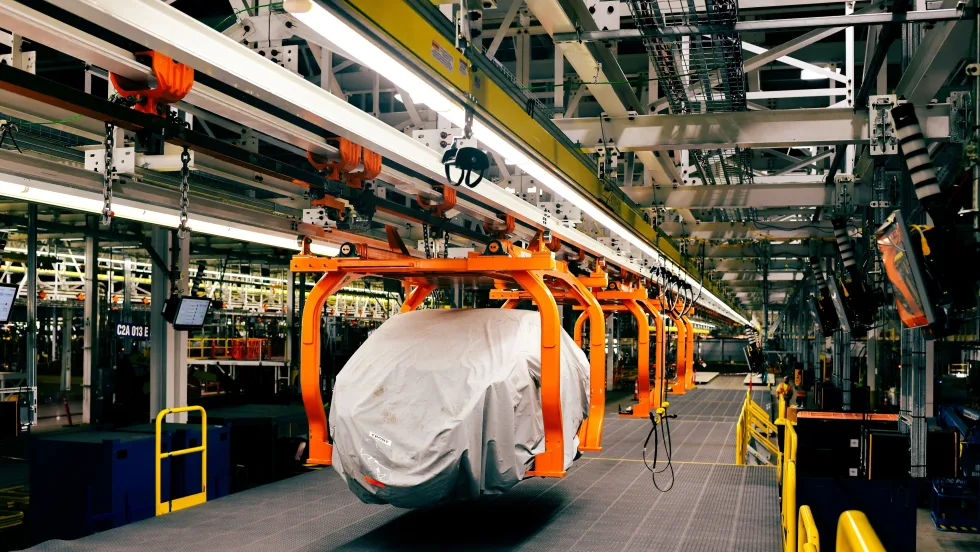
Ford Retools Louisville Plant for Fathom Electric Truck Production
Ford's $2 billion Louisville Assembly Plant overhaul introduces a three-part assembly process for the Fathom midsize electric truck, with production scheduled to begin in 2027.
Read More →
Merchants Fleet Reports 290M EV Miles as Fleets Navigate Changing Electrification Market
From millions in operating savings to hundreds of millions of EV miles, Merchants Fleet’s latest report reveals what’s working and what’s changing in fleet electrification.
Read More →
California District Commits to Electrify 25% of School Bus Fleet by 2028
One of the nation's largest school bus electrification projects to date demonstrates how grants, charging infrastructure, and public-private partnerships can help fleets transition to EVs at scale.
Read More →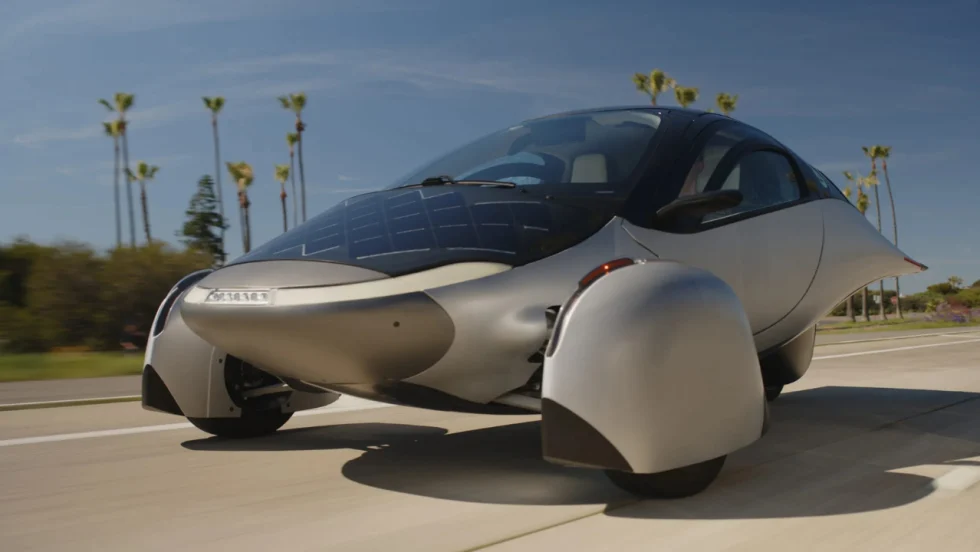
Aptera Orders Bodies and Chassis for Its First 40 Production Vehicles
Aptera Motors Corp. has issued purchase orders for the major structural components of its first 40 vehicles, and body and chassis components are expected to begin arriving in October.
Read More →