


Toyota, Subaru to Develop Battery-Electric Platform
Ever since concluding an agreement on business collaboration in 2005, Toyota and Subaru have been deepening their cooperation in various fields, including development, production, and sales.
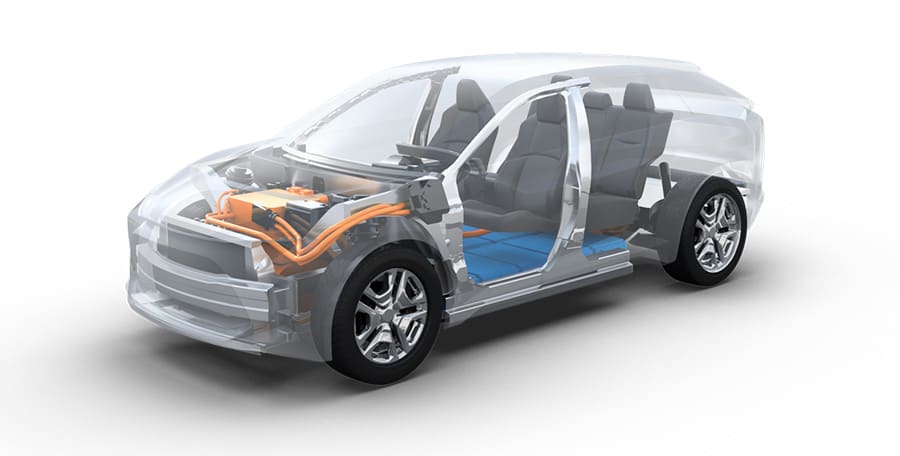
Both Subaru and Toyota are required to conduct technological development with a sense of speed across a broader-than-ever spectrum of initiatives.
Photo via Toyota.
Toyota Motor Corporation and Subaru Corporation have agreed to jointly develop a platform dedicated to battery electric vehicles (BEVs) for midsize and large passenger vehicles and to jointly develop a C-segment-class BEV SUV model for sale under each company's own brand.
Ever since concluding an agreement on business collaboration in 2005, Toyota and Subaru have been deepening their cooperation in various fields, including development, production, and sales. Examples include efforts that led to the start of sales of the jointly developed rear-wheel-drive Toyota 86 and Subaru BRZ in 2012 and the start of sales of Subaru's Crosstrek Hybrid original plug-in hybrid electric vehicle (HEV) in the United States, to which was applied knowledge related to Toyota's HEV technologies.
Starting with responses to the new CASE domains of car connectivity, autonomous or assisted driving, new mobility or car-sharing, and electrified powertrains and components, both Subaru and Toyota are required to conduct technological development with a sense of speed across a broader-than-ever spectrum of initiatives.
In addressing vehicle electrification, due to significant variation in the energy situations of each country or region and in government policies, as well as due to resulting differences in environmental regulations, in the stages of infrastructure preparation, and in market needs for electrified vehicles, efficient and speedy development of appropriate products is a must.
Furthermore, the commercialization of BEVs requires the use of large-capacity batteries, and, along with the popularization of BEVs, demands of a new dimension will be placed on battery supply. In addition, stemming from differences in how cars will be used due to maximum cruising ranges and the state of infrastructure construction, sales methods with a new approach will also be needed. These and other issues present a growing number of challenges related to costs, supply, and ways of selling.
To respond with a sense of speed to the diversifying needs of these markets and to multiple challenges, both Subaru and Toyota believe that it is necessary to pursue a business model that goes beyond convention, crossing over industrial boundaries together with various types of other entities that share their aspirations.
As a first step in this direction, while accelerating productization by bringing together technologies that represent each company's strengths and cooperating where possible, the two companies will jointly develop a BEV-dedicated platform. The platform will be developed in a way that will make it broadly applicable to multiple vehicle types, including C-segment-class and D-segment-class sedans and SUVs, as well as to efficient development of derivative vehicle models.
Originally posted on Automotive Fleet
More Vehicle Research
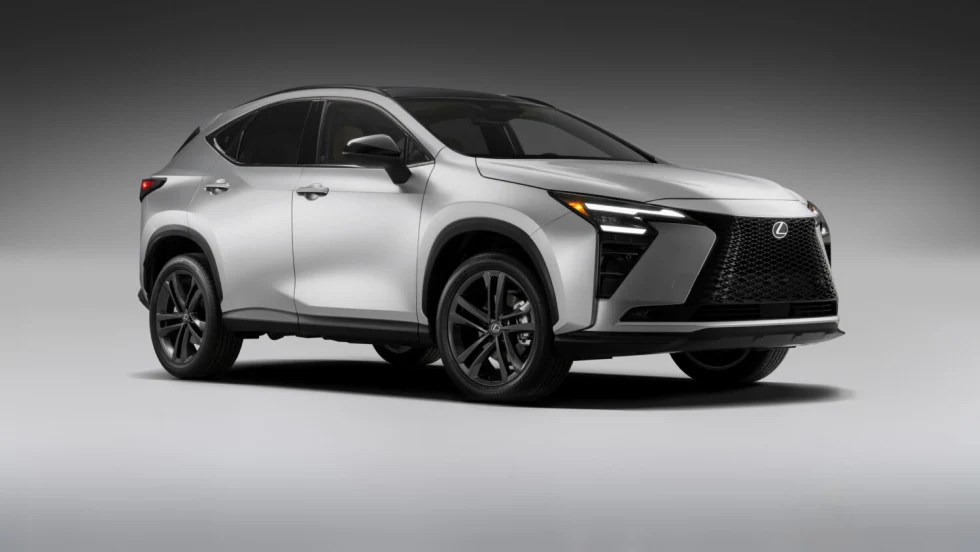
2027 Lexus NX Moves to Fully Electrified Lineup
For 2027, the NX moves to an entirely electrified lineup, with either hybrid or plug-in hybrid powertrains.
Read More →
2027 Mitsubishi Eclipse Sportback Named Green SUV of the Year
Green Car Journal recognized Mitsubishi’s new battery-electric crossover, which offers NACS compatibility and DC fast charging at up to 150 kW.
Read More →
Dave Carroll Named President of Ford Energy
Carroll succeeds Lisa Drake, who will remain with Ford through Dec. 31 to support the leadership transition.
Read More →
City of Long Beach Named No. 1 Green Fleet of 2026
NAFA's 2026 Green Fleet Awards recognized fleets for sustainability efforts spanning alternative fuels, technology, facilities, workplace culture and fleet operations.
Read More →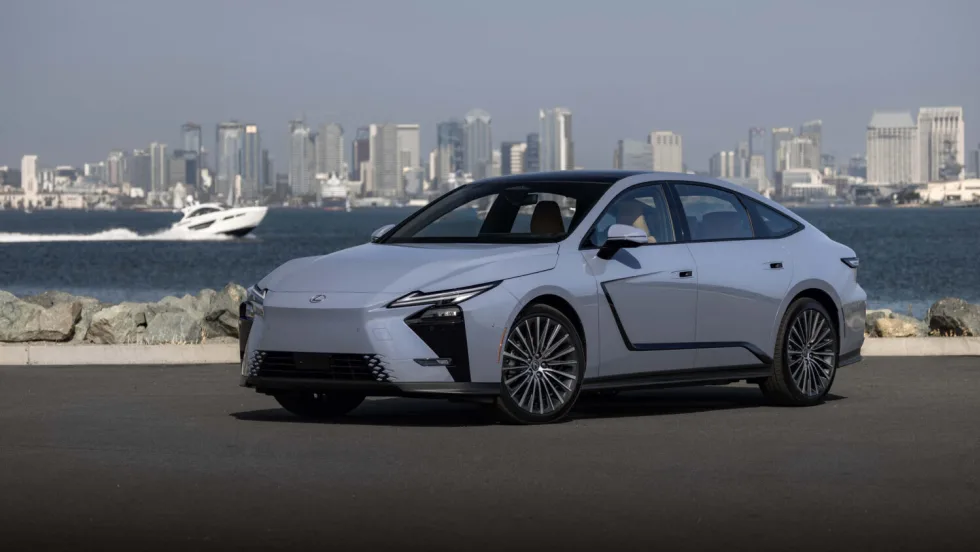
2027 Lexus ES Adds First Battery-Electric Models
The ES 350e and ES 500e join the hybrid ES lineup with up to 338 hp, an EPA-estimated 307 miles of range and standard NACS charging capability.
Read More →
EV Fleet Reality Check: What Operators Wish They Knew Before Electrifying Their Work Vans
Electric work truck upfits bring new compatibility questions. Learn how parts availability, OEM guidance, power demands, and route planning can affect fleet performance.
Read More →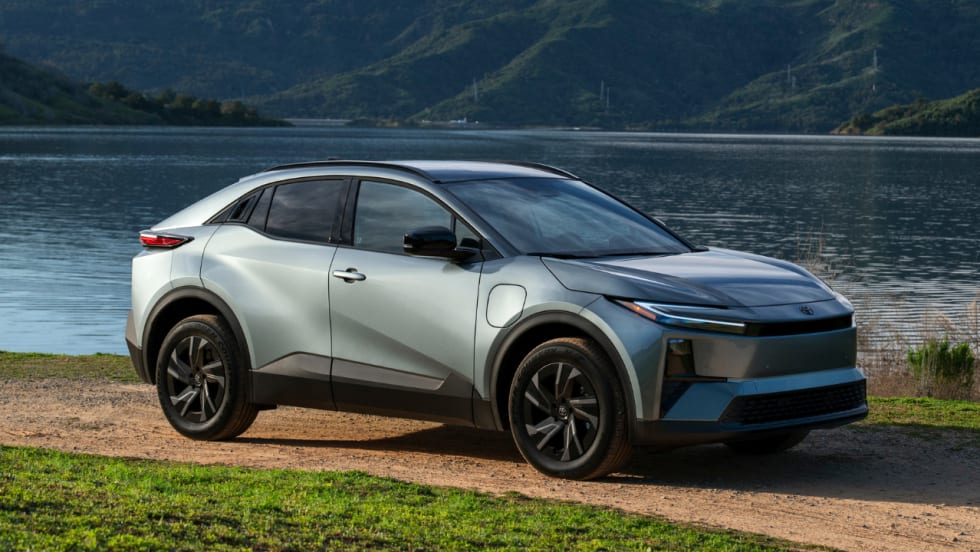
2027 Toyota C-HR Offers 287-Mile Range and Standard AWD
Toyota’s 2027 C-HR brings 287 miles of estimated range, standard all-wheel drive, and NACS fast-charging capability to the compact EV market. See what its mix of performance, cargo space, and everyday technology could offer business users.
Read More →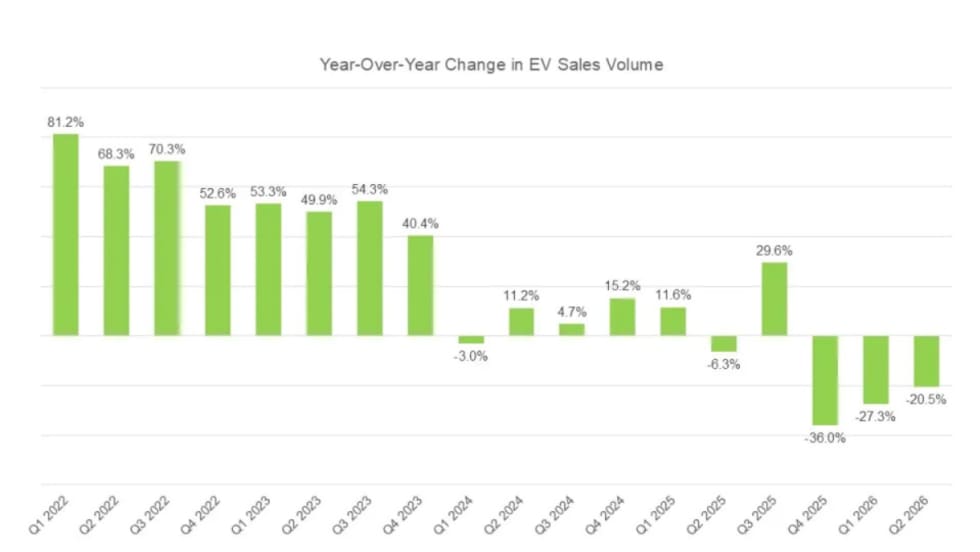
New Vehicle Models Stabilize Electrified Market In Q2
But more credit goes to hybrids than to all-electric vehicles, as more buyers look for fuel-efficient alternatives amid high gas prices.
Read More →
Slate Debuts Colorful, Unique EV Models
A recent media and client event, studded with electric vehicles dressed up on platforms, planted a new position for the manufacturer in the wider EV market. Fleets will find cost-saving advantages.
Read More →
Slate Electric SUV, Pickup Switchable Model Aims For Light-Duty Fleets
Everything about this EV is counterintuitive and understated, making it stand out from the crowd.
Read More →