



Charged Up: Managing EV Battery Health for Greater Uptime
Solid-State Batteries Decade Away From Mass Production
Despite a recent move toward solid-state batteries, one battery maker suggests mass production is still 10 years away.
November 2, 2022
Solid-state batteries face challenges before they can be manufactured at scale, as, automakers and battery producers are injecting billions of dollars into Li-ion production plants.
Photo: Canva
2 min to read
StoreDot announced that solid state batteries are still at least 10 years away from mass production and that global automotive manufacturers should be considering interim technologies in the medium term, such as semi-solid batteries, according to the company's news release.
Solid-state batteries promise cost-effective charging batteries, with high energy densities, according to StoreDot. However, they still face challenges before they can be manufactured at scale.
A solid-state battery uses solid electrodes instead of the liquid or polymer gel electrolytes found in current technologies such as lithium-ion or lithium polymer batteries.
“It's crucial that leading battery developers like StoreDot give global automotive manufacturers a realistic and hype-free roadmap for the introduction of extreme fast-charging battery technologies," said Dr. Doron Myersdorf, StoreDot CEO. "Right now, despite some of the bullish claims by our rivals, all-solid-state batteries are still at least 10 years away. They are certainly no silver bullet for any vehicle maker currently developing fast charging electric vehicle architectures."
StoreDot’s roadmap includes a ramp up to solid state through semi solid-state technology. The maker of “extreme fast charging (XFC)” EV batteries is planning by 2024 to have a battery that charges 100 miles in five minutes (100in5) and full solid-state battery that charges 100 miles in two minutes (100in2) by 2032.
“We believe a more practical step is the introduction of semi-solid state batteries which we are targeting for mass production by 2028," Myersdorf said. "These will be advanced, safe, high performing cells that can achieve 100 miles of charge in just three minutes. They have the additional benefit of requiring a simpler and less challenging manufacturing process than all-solid-state technologies.”
Development of solid-state battery technologies continue in other arenas, including a move from startup Adden Energy Inc. Adden Energy built a prototype solid state battery that is capable of a three-minute charge and a 10,000 cycle lifetime, according to a report from Cycling Industry News. Harvard’s Office of Technology Development granted a license to Adden Energy.
Samsung outlined the reasons for using a solid-state battery, citing it has higher energy density than a Li-ion battery that uses liquid electrolyte solution and it can increase energy density per unit area since only a small number of batteries are needed.
In March, independent EV OEM Mullen Automotive, Inc. announced an update on its solid-state polymer battery technology and cited the potential for a 150-kWh battery pack that would deliver over 200 miles of range using DC fast charging.
Right now, however, automakers and battery producers are injecting billions of dollars into Li-ion production plants. Meanwhile, incremental advances to li-on batteries have increased range and performance — which may be hindering solid-state technology getting to market.
Originally posted on Automotive Fleet
More Batteries/Tech
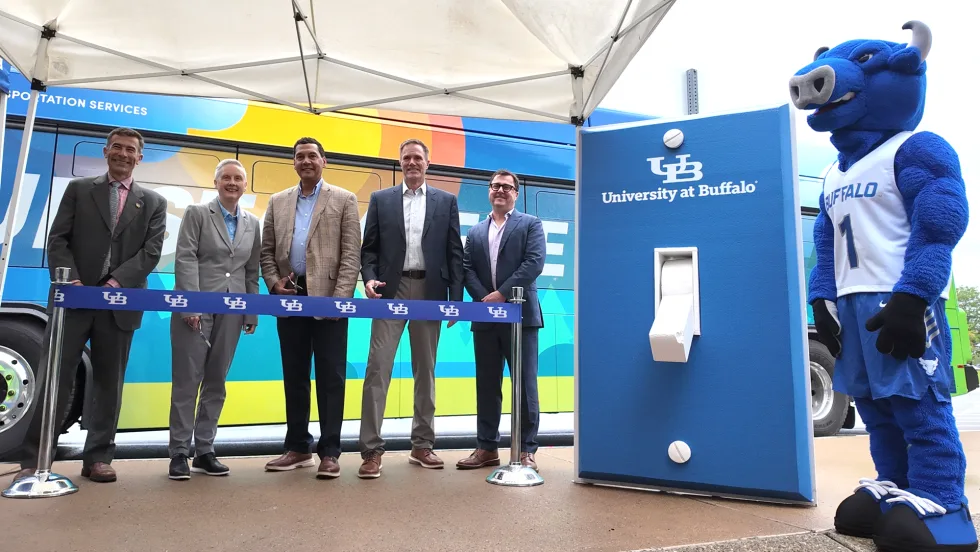
University at Buffalo Deploys 8 Electric Buses, 10 Chargers
The university, WeDriveU, and Zenobē welcomed the first electric buses to the school’s fleet under its zero-emissions roadmap.
Read More →
Samsung SDI Takes Full Control of GM Battery JV as Indiana Plant Pivots to Energy Storage
Samsung SDI is taking full control of its Indiana battery plant with GM, marking a major shift from the EV-focused joint venture Charged Fleet first covered in 2023.
Read More →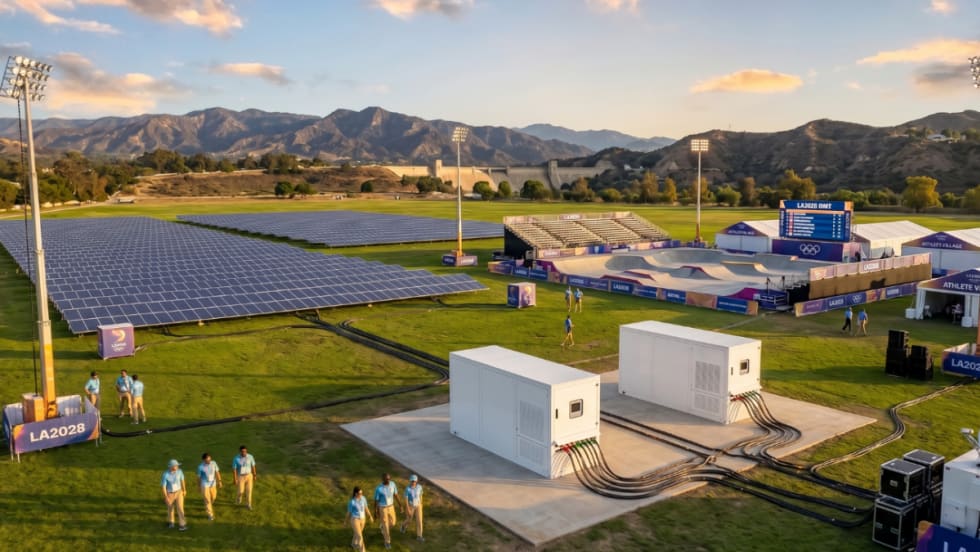
Xos White Paper Asserts LA Olympics Will Lack Enough EV Chargers
The commercial EV fleet company recommends some faster and more flexible remedies to relieve the anticipated shortfall.
Read More →
New EV and Hybrid Training Available For Auto Technicians
The curriculum covers those skill sets highly sought by electric fleet operations.
Read More →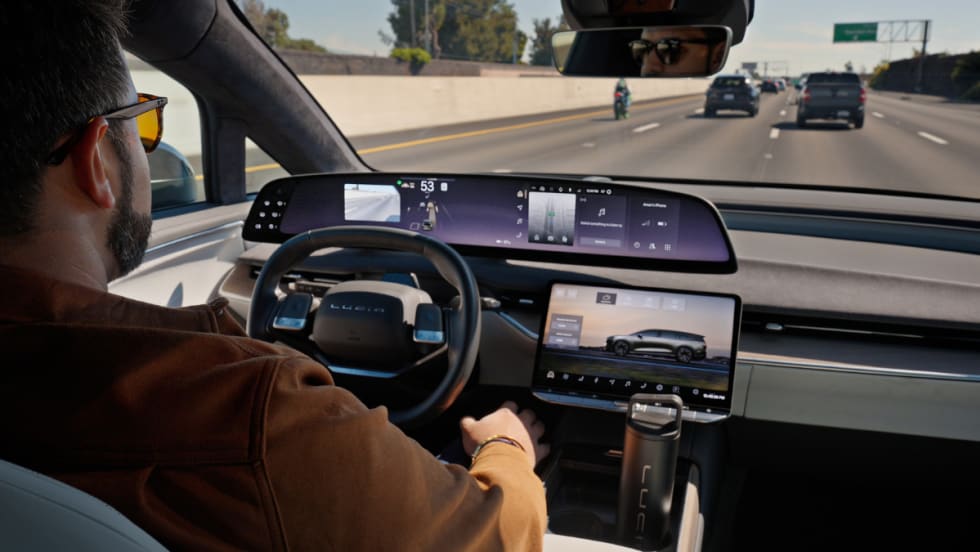
Lucid Adds Hands-Free Highway Driving, Software Updates To Gravity SUV
Hands-free drive assist makes highway driving more comfortable while keeping drivers attentive to the road.
Read More →
California Adopts Sweeping New Autonomous Vehicle Regulations
Updated DMV rules open the door for heavy-duty AV testing and deployment while strengthening safety standards, emergency response coordination, and manufacturer accountability.
Read More →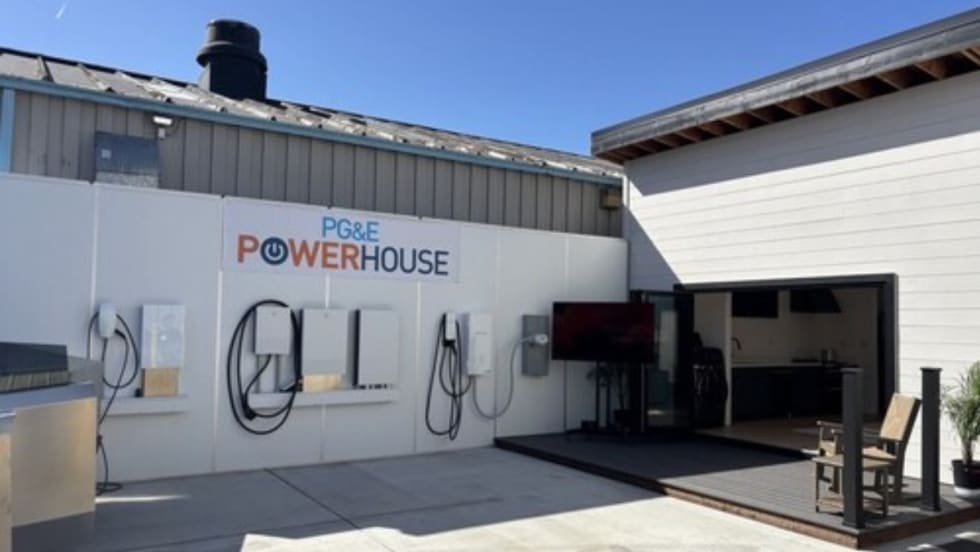
All Electric Test House Could Ease Path To EV Usage
An experimental model home shows how residential charging could enable electric fleet operations by allowing drivers to take EVs home.
Read More →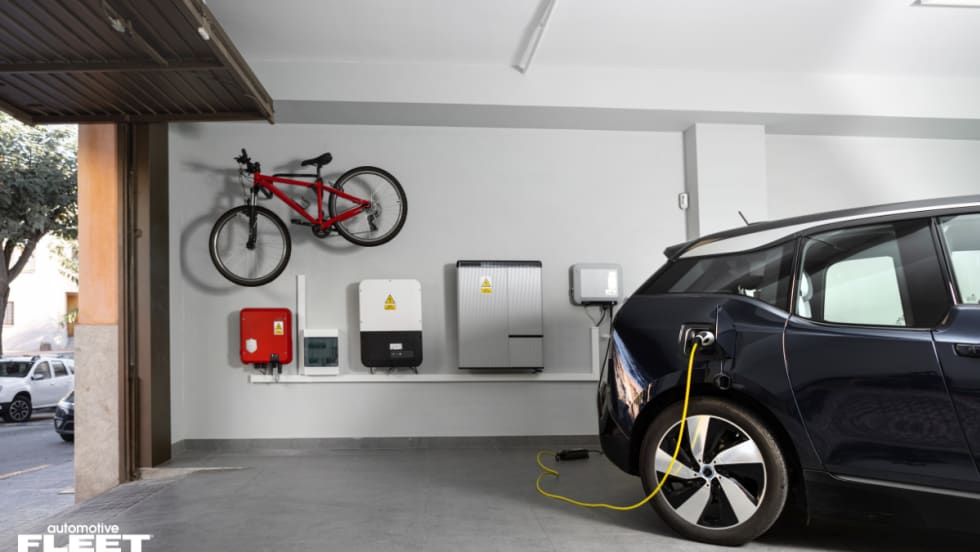
WEX Launches Solution to Close EV At-Home Charging Visibility Gap
At NAFA I&E 2026, WEX debuted an EV solution that adds a layer of verification to help fleets track, validate, and trust every at-home charging dollar.
Read More →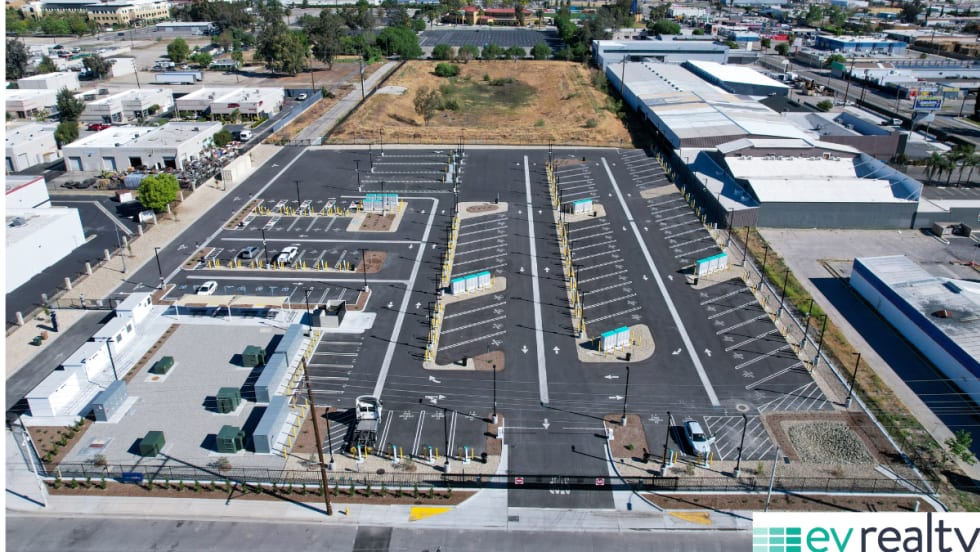
Major Truck Charging Hub Opens In Southern California
EV Realty opens a 76-port, 9 MW truck charging hub in San Bernardino, designed to support more than 200 medium- and heavy-duty vehicles per day with CCS and MCS capability.
Read More →
Software Speeds Up EV Fleet Charging
Learn about a new level of energy management that helps fleets control costs while maintaining service reliability. [VIDEO]
Read More →