


Nissan All-In on Solid-State Batteries
In laying out its Ambition 2030 plan, Nissan said that by 2028 it will incorporate proprietary solid-state batteries that reduce charging times to one third of present charge times.

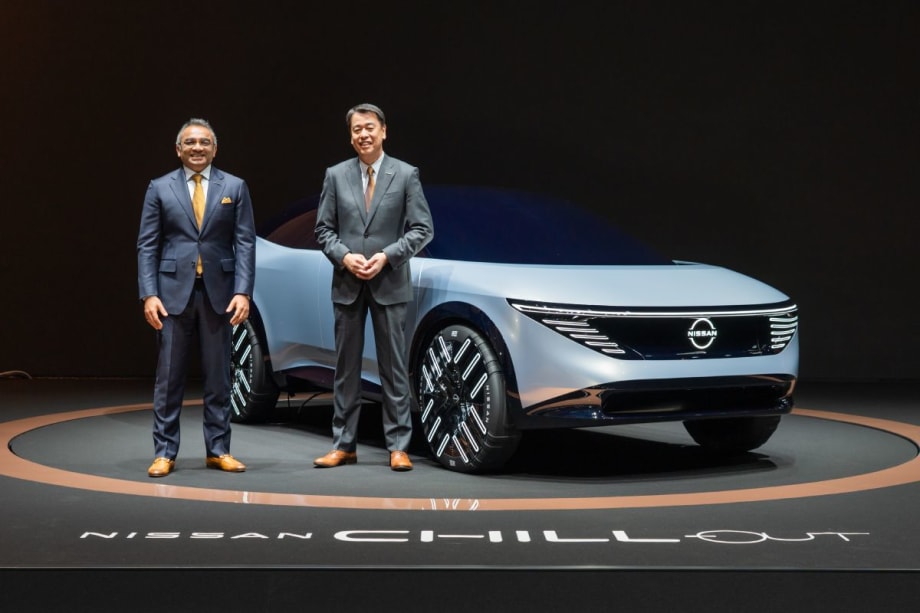
Nissan Ambition 2030 is the company’s new long-term vision for empowering mobility and beyond, with an aim to become a more sustainable company.
Photo courtesy of Nissan
Nissan Motor Co. unveiled Nissan Ambition 2030 on Nov. 28, representing the company’s long-term vision for empowering mobility and electrification. Over the next 10 years, Nissan will deliver new electrified vehicles and technologies, the company said in a statement, that will support its goal to be carbon neutral across the life cycle of its products by fiscal year 2050.
Nissan will introduce 23 new electrified models, including 15 new EVs by fiscal year 2030, aiming for an electrification mix of more than 50% globally across the Nissan and Infiniti brands. It also aims to reach 40% EV sales in fiscal year 2030 in the U.S.
Nissan aims to launch these news EVs with its proprietary all-solid-state batteries (ASSB) by 2028 and ready a pilot plant in Yokohama as early as fiscal year 2024. ASSB technology will reduce charging time to one-third of present charge times, the company stated.
Further, Nissan expects ASSB to bring the cost of battery packs down to $75 per kWh by fiscal year 2028 and aims to bring it further down to $65 per kWh to achieve cost parity between EV and gasoline vehicles in the future.
Another pillar in Nissan's plan is to continue to evolve its lithium-ion battery technologies and introduce cobalt-free technology to bring down the cost by 65% by fiscal year 2028.
Nissan seeks to establish a global battery supply system to meet demand. Together with its partners, Nissan intends to increase its global battery production capacity to 52 GWh by fiscal year 2026, and 130 GWh by fiscal year 2030.
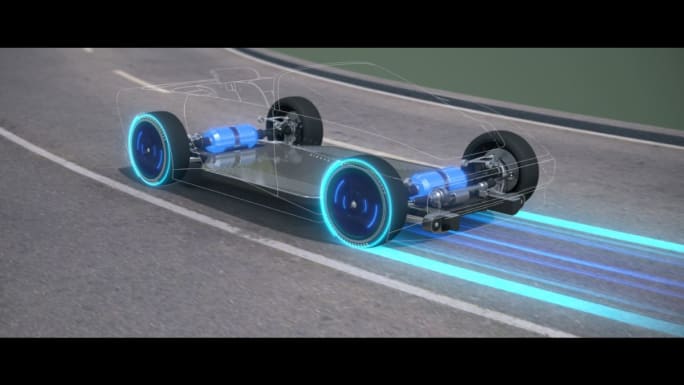
As part of Nissan’s electrified future, the company also unveiled three new concept cars. Pictured here is a model of its EV technology vision.
Photo courtesy of Nissan
“The role of companies to address societal needs is increasingly heightened," said Nissan CEO Makoto Uchida. "With Nissan Ambition 2030, we will drive the new age of electrification, advance technologies to reduce carbon footprint and pursue new business opportunities. We want to transform Nissan to become a sustainable company that is truly needed by customers and society.”
Originally posted on Automotive Fleet
More Batteries/Tech
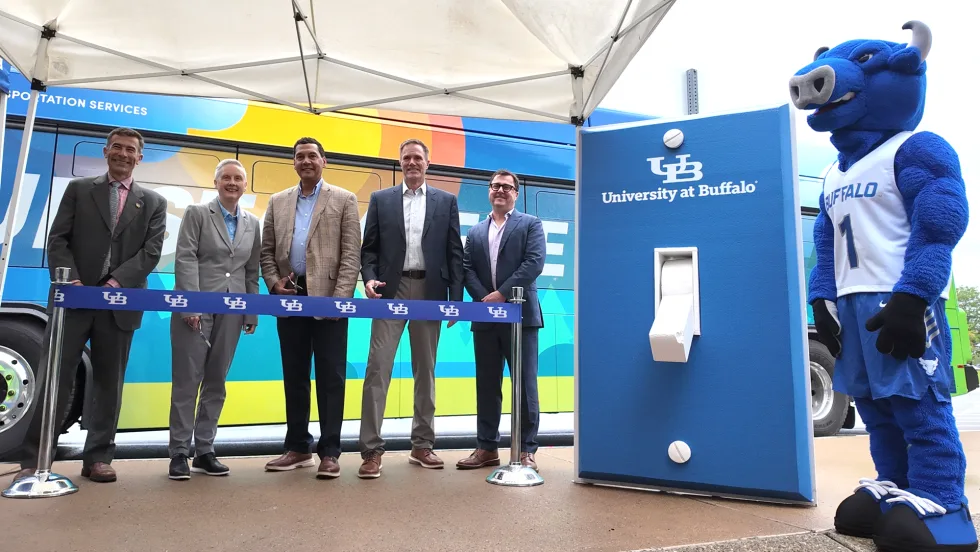
University at Buffalo Deploys 8 Electric Buses, 10 Chargers
The university, WeDriveU, and Zenobē welcomed the first electric buses to the school’s fleet under its zero-emissions roadmap.
Read More →
Samsung SDI Takes Full Control of GM Battery JV as Indiana Plant Pivots to Energy Storage
Samsung SDI is taking full control of its Indiana battery plant with GM, marking a major shift from the EV-focused joint venture Charged Fleet first covered in 2023.
Read More →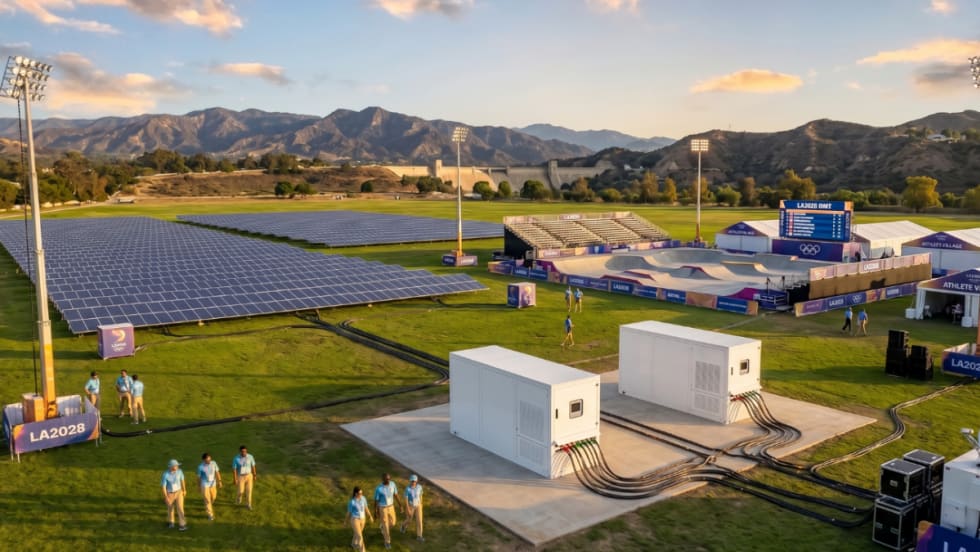
Xos White Paper Asserts LA Olympics Will Lack Enough EV Chargers
The commercial EV fleet company recommends some faster and more flexible remedies to relieve the anticipated shortfall.
Read More →
New EV and Hybrid Training Available For Auto Technicians
The curriculum covers those skill sets highly sought by electric fleet operations.
Read More →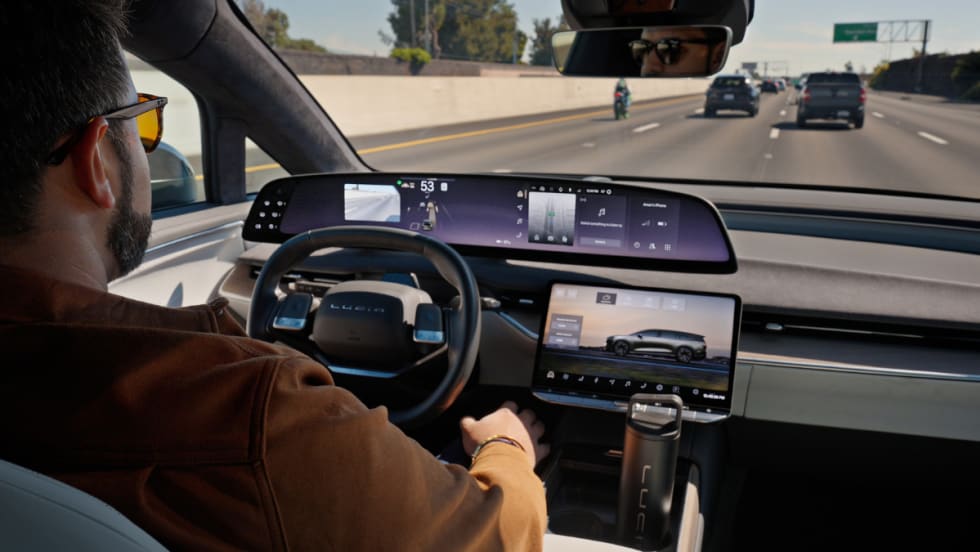
Lucid Adds Hands-Free Highway Driving, Software Updates To Gravity SUV
Hands-free drive assist makes highway driving more comfortable while keeping drivers attentive to the road.
Read More →
California Adopts Sweeping New Autonomous Vehicle Regulations
Updated DMV rules open the door for heavy-duty AV testing and deployment while strengthening safety standards, emergency response coordination, and manufacturer accountability.
Read More →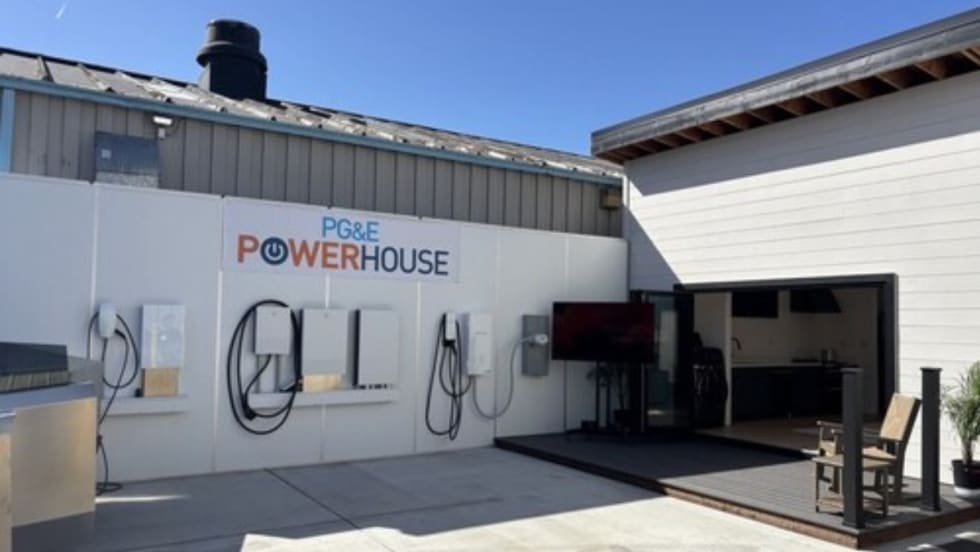
All Electric Test House Could Ease Path To EV Usage
An experimental model home shows how residential charging could enable electric fleet operations by allowing drivers to take EVs home.
Read More →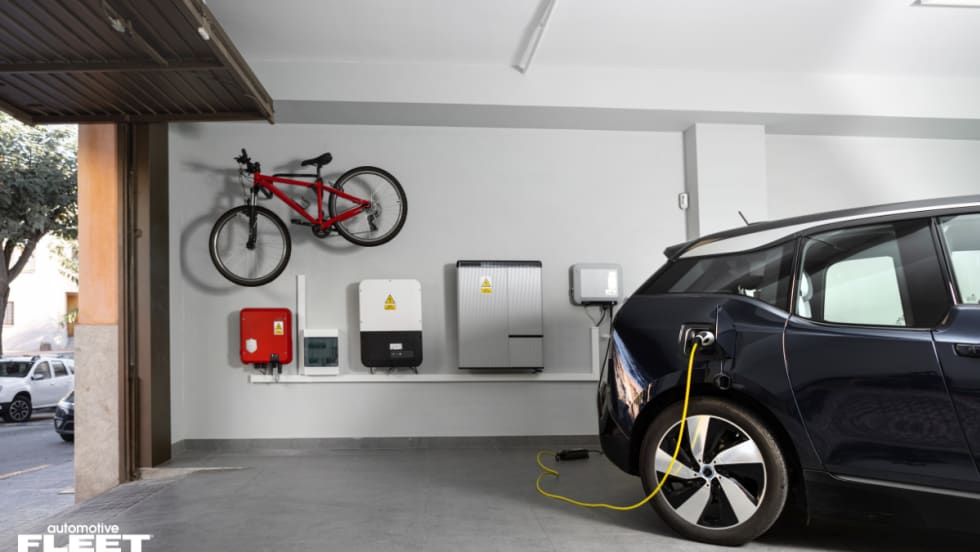
WEX Launches Solution to Close EV At-Home Charging Visibility Gap
At NAFA I&E 2026, WEX debuted an EV solution that adds a layer of verification to help fleets track, validate, and trust every at-home charging dollar.
Read More →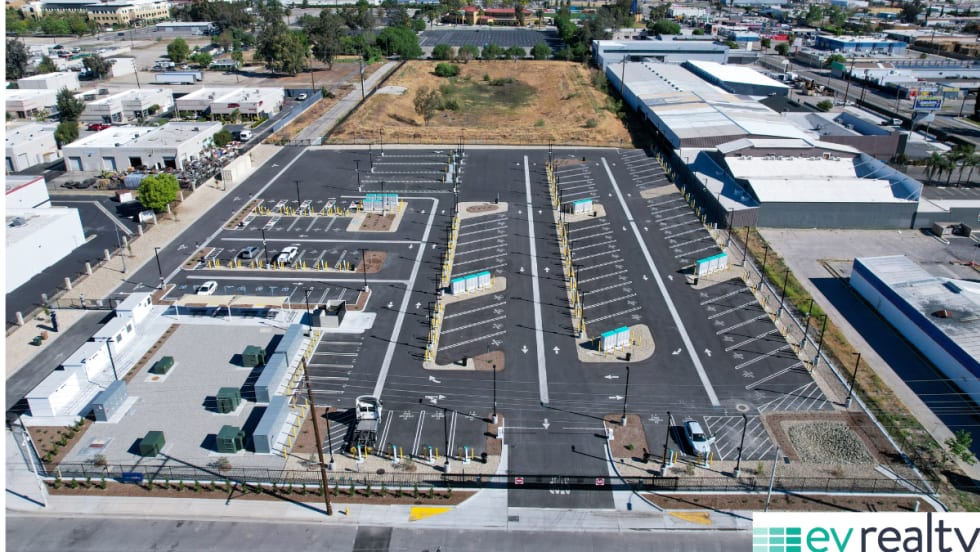
Major Truck Charging Hub Opens In Southern California
EV Realty opens a 76-port, 9 MW truck charging hub in San Bernardino, designed to support more than 200 medium- and heavy-duty vehicles per day with CCS and MCS capability.
Read More →
Software Speeds Up EV Fleet Charging
Learn about a new level of energy management that helps fleets control costs while maintaining service reliability. [VIDEO]
Read More →