


New Coalition Forms to Preserve EV Tax Credit
A group of leading businesses has formed the American Fleet Leadership Coalition to maintain the Inflation Reduction Act’s 45W Commercial Clean Vehicle Tax Credit.

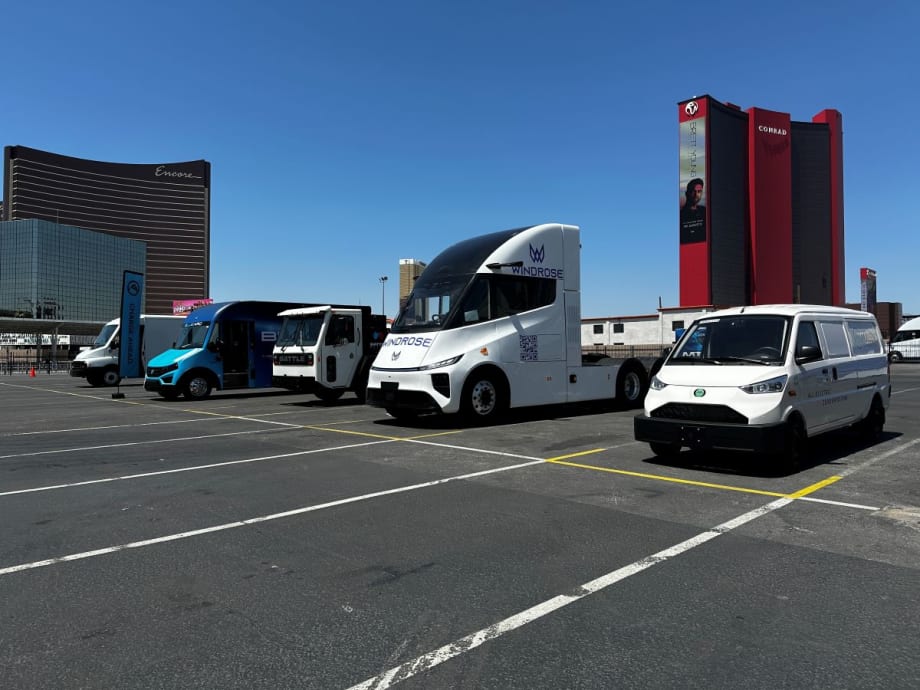
The 45w tax credit provides $7,500 for commercial vehicles less than 14,000 lbs. and up to $40,000 for all other commercial vehicles.
Photo: Chris Brown
Aiming to preserve the benefits of the Inflation Reduction Act’s 45W Tax Credit, also known as the Commercial Clean Vehicle Tax Credit, a group of leading U.S.-based businesses has formed the American Fleet Leadership Coalition.
Under IRS Code Section 45W, organizations can claim a tax credit for up to $40,000 for the purchase of a qualified commercial clean vehicle. The maximum tax credit allowed is $7,500 for a qualified commercial clean vehicle with a gross vehicle weight rating of less than 14,000 lbs. GVW and up to $40,000 for all other vehicles.

Source: American Fleet Leadership Coalition
The newly launched website states, “The American Fleet Leadership Coalition was established as a direct, coordinated, and unified effort to protect 45W. The Coalition’s primary objective is to articulate to members of Congress and their constituents that 45W is not simply a tax credit – it represents a strategic investment with far-reaching economic implications for the United States.”
Coalition's Mission
The Coalition’s purpose is to urge Congress to save the Commercial Clean Vehicle Tax Credit, noting that rescinding it would lead to the loss of approximately 130,000 American EV jobs nationwide by 2030, and an additional 310,000 across other sectors.
“Repealing the Commercial Clean Vehicle Tax Credit would undermine these laudable ambitions by causing immense harm to businesses that have harnessed this credit to electrify vehicles in their fleet to lower operating costs, improve reliability, provide a safer and better work environment for their drivers, and grow their workforce,” said Josh Green, founder of the American Fleet Leadership Coalition and CEO of Inspiration Mobility Group.
The Coalition stands by its mission, adding that the tax credit is critical to the U.S. economy as it supports the growth of American businesses using commercial vehicles, endorses a made-in-America supply chain, bolsters U.S. energy independence, and enhances U.S. global competitiveness.
“This tax credit helps large and small businesses in every corner of the country, supporting job growth, domestic manufacturing, and American energy dominance. American businesses require a stable, predictable policy environment to plan and invest," Green said. "Shortening the 45W credit from 2031 to 2025 disrupts long-term planning and investment that is already underway."
Originally posted on Automotive Fleet
More Electric Vehicles
EV Charging Use Is Outpacing Infrastructure Growth
ChargePoint’s 2026 Charging Forward Report points to rising charger use, higher-powered charging, commercial vehicle electrification, and energy-management technology. Here’s what fleets should know.
Read More →
EV Realty Names Henrik Holland President as Charging Platform Expands
The former Prologis Mobility and Shell executive will help expand EV Realty’s truck charging business and move its power-first infrastructure model into autonomous vehicle depots and other fleet sectors.
Read More →
GreenPower Expands New Mexico EV Pilot With Larger Buses, V2G Testing
After logging more than 17,000 electric miles in the first year, New Mexico’s statewide pilot is moving into its second phase with larger vehicles, continued charging evaluations, and more.
Read More →
Can EV-as-a-Service Help Fleets Scale Electrification?
Sustainability Partners CEO Adam Cain explains how matching EVs, charging infrastructure, and duty cycles can help fleets scale electrification.
Read More →
How EV-as-a-Service Is Moving Fleets Beyond Pilots
Adam Cain, president and CEO of Sustainability Partners, explains how EV-as-a-service can help fleets scale deployments by addressing duty-cycle requirements and charging challenges.
Read More →
PowerFlex, The Mobility House Join Forces to Advance Fleet Electrification
Two EV charging providers are joining forces to deliver a broader portfolio of energy management and fleet electrification solutions.
Read More →
Ford Retools Louisville Plant for Fathom Electric Truck Production
Ford's $2 billion Louisville Assembly Plant overhaul introduces a three-part assembly process for the Fathom midsize electric truck, with production scheduled to begin in 2027.
Read More →
Merchants Fleet Reports 290M EV Miles as Fleets Navigate Changing Electrification Market
From millions in operating savings to hundreds of millions of EV miles, Merchants Fleet’s latest report reveals what’s working and what’s changing in fleet electrification.
Read More →
California District Commits to Electrify 25% of School Bus Fleet by 2028
One of the nation's largest school bus electrification projects to date demonstrates how grants, charging infrastructure, and public-private partnerships can help fleets transition to EVs at scale.
Read More →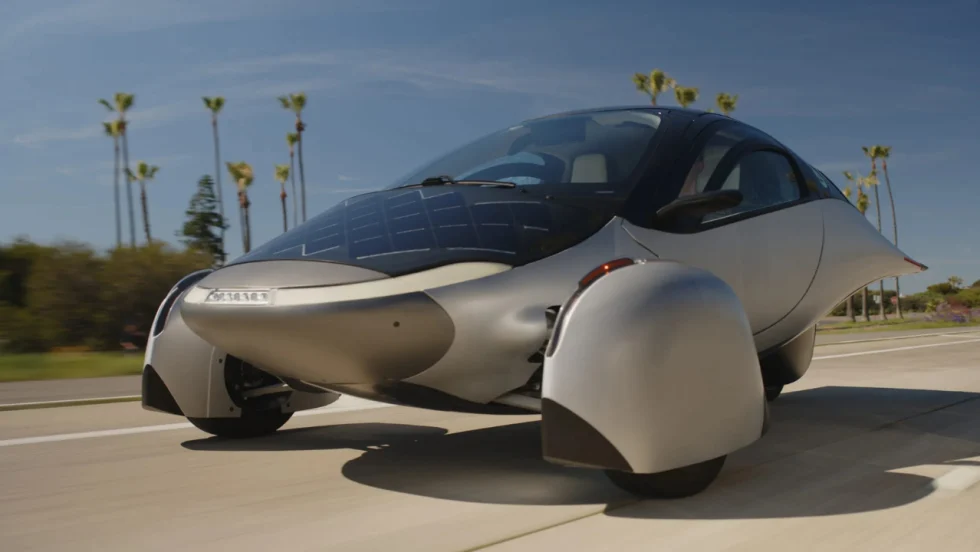
Aptera Orders Bodies and Chassis for Its First 40 Production Vehicles
Aptera Motors Corp. has issued purchase orders for the major structural components of its first 40 vehicles, and body and chassis components are expected to begin arriving in October.
Read More →