



Background News: eSprinter Electric Van Completes Winter Endurance Tests
Mercedes-Benz Electrifies Fleet Options with New Sprinter Model
The eSprinter all-electric van comes in two body styles and lengths, three battery sizes, and a high payload as a base for numerous conversions and body variants.
February 7, 2023
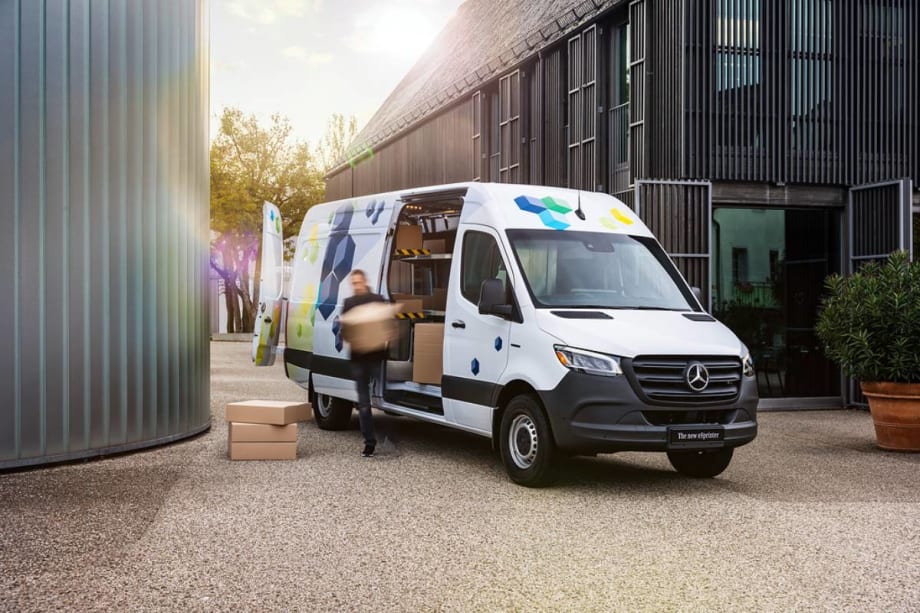
The electrically driven rear axle, a first in a Mercedes-Benz van, makes cab chassis variants possible in addition to cargo versions.
Photo: Mercedes-Benz
2 min to read
Mercedes-Benz underscored Feb. 7 that its Sprinter van and work truck models are heading to a more electrified future as it ramps up production and rollouts in North America and Europe.
The market launch of the new eSprinter, which is long-panel van with a high roof, will begin in the U.S. and Canada in the second half of 2023.
Mercedes-Benz released key details of the eSprinter in its announcement:
Battery capacity: Out of three battery choices, the largest, a 113kWh battery, has an estimated range of 248 miles on the highway and 311 miles in the city, based on Europe’s Worldwide Harmonised Light Vehicles Test Procedure (WLTP) standard. (The U.S. EPA has yet to rate the vehicle.)
Battery type: Lithium/iron phosphate (LFP) cell chemistry, which allows the battery variants to be free of cobalt and nickel, while active thermal management ensures maximum efficiency.
Charging: For fleets, fast charging from 10% to 80% of full capacity in 28 minutes with the 56 kWh battery; about 42 minutes for the 113 kWh battery.
Load capacity: About 62.5 sq.ft.
Gross vehicle weight: Up to 8,500 pounds; trailer loads up to 4,000 pounds.
For more information on eSprinter specs and amenities, see full eSprinter van report at Work Truck.
In addition to European production, the eSprinter will be produced at Mercedes Benz’ Charleston, South Carolina plant. Pricing has not been released, although U.S. assembly should make the van eligible for the U.S. $7,500 EV tax credit.
The first version of eSprinter had been sold in Europe since 2020 as a delivery van, with Amazon as its largest buyer. That version came with a much smaller battery pack, a choice of either a 35- or 47-kWh.
To find out what's new on the eSprinter and for facts about model features, check out the eSprinter electric van report on Automotive Fleet.
More Electric Vehicles
EV Charging Use Is Outpacing Infrastructure Growth
ChargePoint’s 2026 Charging Forward Report points to rising charger use, higher-powered charging, commercial vehicle electrification, and energy-management technology. Here’s what fleets should know.
Read More →
EV Realty Names Henrik Holland President as Charging Platform Expands
The former Prologis Mobility and Shell executive will help expand EV Realty’s truck charging business and move its power-first infrastructure model into autonomous vehicle depots and other fleet sectors.
Read More →
GreenPower Expands New Mexico EV Pilot With Larger Buses, V2G Testing
After logging more than 17,000 electric miles in the first year, New Mexico’s statewide pilot is moving into its second phase with larger vehicles, continued charging evaluations, and more.
Read More →
Can EV-as-a-Service Help Fleets Scale Electrification?
Sustainability Partners CEO Adam Cain explains how matching EVs, charging infrastructure, and duty cycles can help fleets scale electrification.
Read More →
How EV-as-a-Service Is Moving Fleets Beyond Pilots
Adam Cain, president and CEO of Sustainability Partners, explains how EV-as-a-service can help fleets scale deployments by addressing duty-cycle requirements and charging challenges.
Read More →
PowerFlex, The Mobility House Join Forces to Advance Fleet Electrification
Two EV charging providers are joining forces to deliver a broader portfolio of energy management and fleet electrification solutions.
Read More →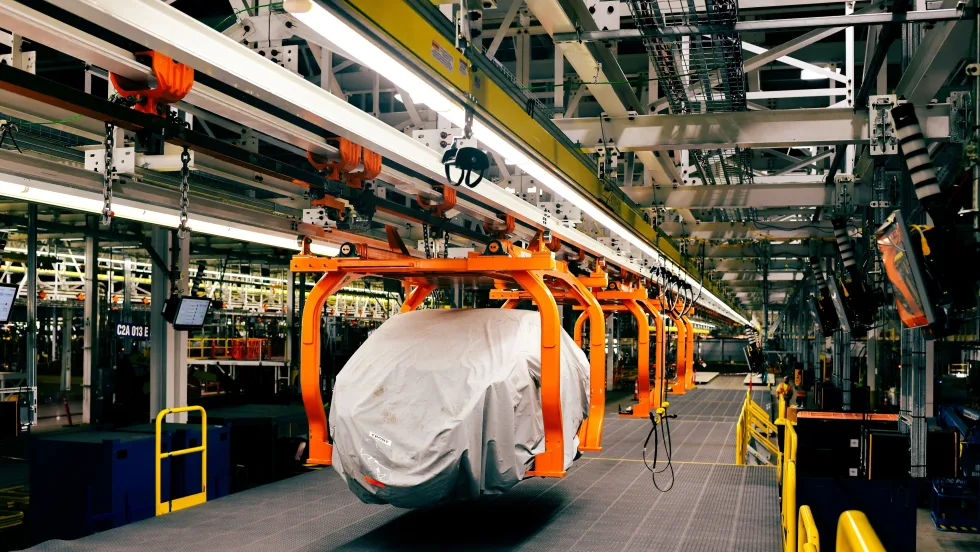
Ford Retools Louisville Plant for Fathom Electric Truck Production
Ford's $2 billion Louisville Assembly Plant overhaul introduces a three-part assembly process for the Fathom midsize electric truck, with production scheduled to begin in 2027.
Read More →
Merchants Fleet Reports 290M EV Miles as Fleets Navigate Changing Electrification Market
From millions in operating savings to hundreds of millions of EV miles, Merchants Fleet’s latest report reveals what’s working and what’s changing in fleet electrification.
Read More →
California District Commits to Electrify 25% of School Bus Fleet by 2028
One of the nation's largest school bus electrification projects to date demonstrates how grants, charging infrastructure, and public-private partnerships can help fleets transition to EVs at scale.
Read More →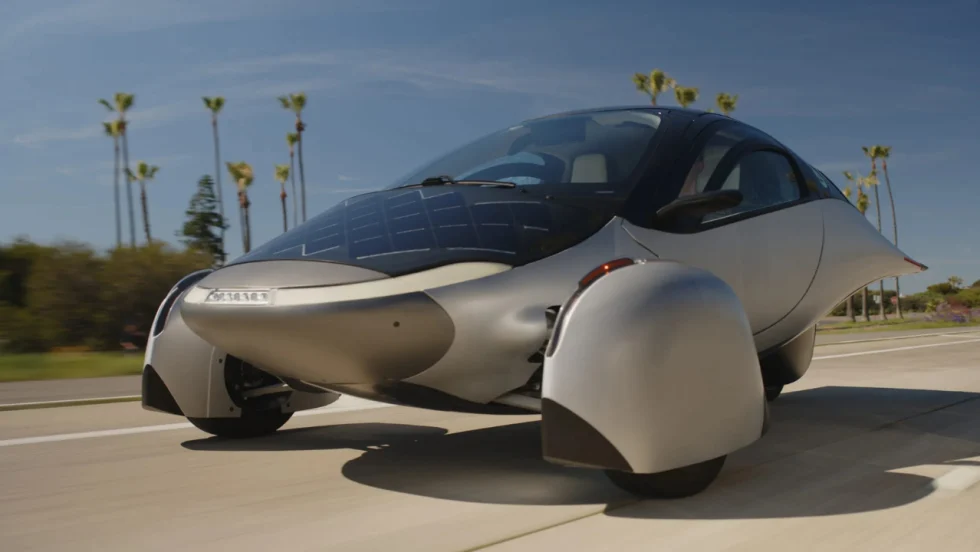
Aptera Orders Bodies and Chassis for Its First 40 Production Vehicles
Aptera Motors Corp. has issued purchase orders for the major structural components of its first 40 vehicles, and body and chassis components are expected to begin arriving in October.
Read More →