



Related News: Lucid Reports Productions Gains In 2025
Lucid Gravity Gets Nav System With Pinpoint Accuracy
The all-electric luxury SUV integrates advanced positioning technology to improve navigation accuracy in tunnels, garages, and dense urban environments.
January 8, 2026
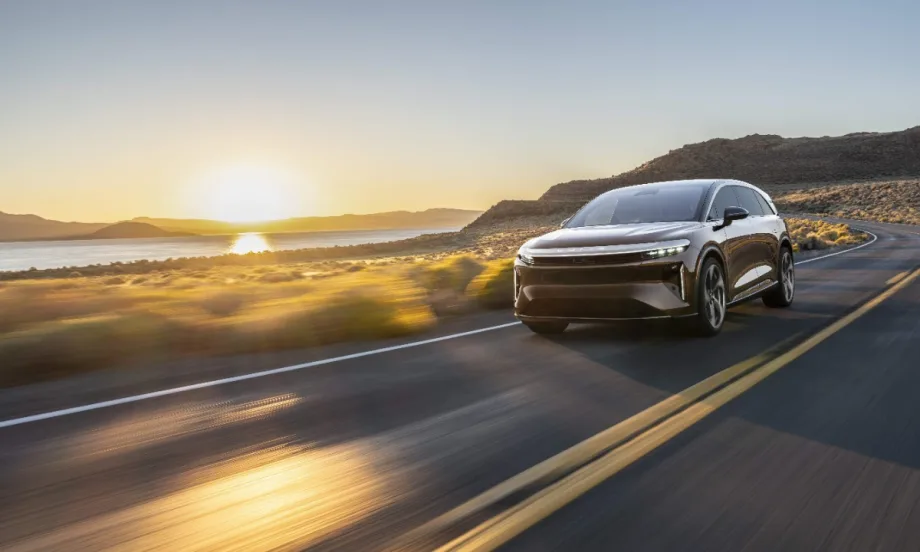
The Lucid Gravity electric vehicle uses integrated positioning technology to deliver lane-level navigation accuracy, even in areas where traditional GPS signals are unreliable.
Photo: Lucid
2 min to read
Trimble recently announced that its positioning technology will provide data for navigation and driver-assistance systems in the Lucid Gravity electric vehicle.
The integration of Trimble RTX and ProPoint Go technology enables centimeter-level positioning accuracy in areas where traditional GPS systems often struggle, including tunnels, parking garages, and dense urban environments.
Positioning Technology Integrated Into Lucid Gravity
The system combines satellite-based corrections with 6-axis inertial sensor data to improve vehicle location accuracy. While conventional automotive navigation systems typically operate with errors measured in meters, the Trimble solution reduces that margin to a few centimeters, helping validate lane-level position and vehicle orientation.
“This integration changes how vehicles understand their surroundings,” said Olivier Casabianca, vice president of advanced positioning at Trimble, in a Jan. 6 news release. “The system improves reliability in challenging environments where GPS alone is not sufficient.”
Trimble’s positioning technology supports several vehicle functions, including:
Navigation continuity by maintaining accurate location, velocity, and heading in areas with limited GPS coverage.
Inputs for hands-free driving assist systems that rely on precise highway positioning.
More accurate battery range estimates through improved altitude and terrain data.
Enhanced mapping and infotainment features enabled by lane-level positioning.
High-accuracy vehicle tracking that can support fleet monitoring applications.
Availability And Deployment
The Trimble positioning system will be standard on new Lucid Gravity vehicles starting at the end of January 2026. Vehicles already in service will receive the updated functionality through an over-the-air software update.
More information on Trimble's automotive innovation is available on their website.
More Batteries/Tech
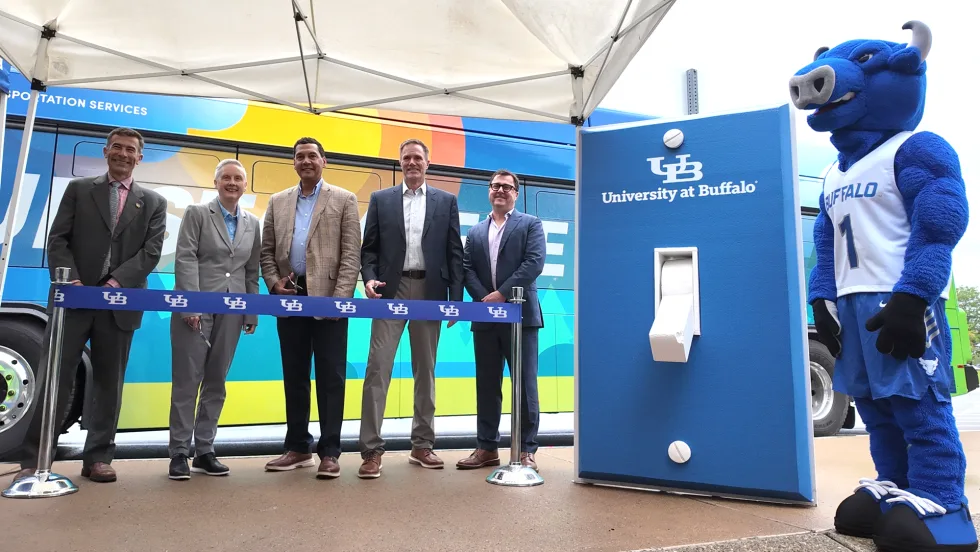
University at Buffalo Deploys 8 Electric Buses, 10 Chargers
The university, WeDriveU, and Zenobē welcomed the first electric buses to the school’s fleet under its zero-emissions roadmap.
Read More →
Samsung SDI Takes Full Control of GM Battery JV as Indiana Plant Pivots to Energy Storage
Samsung SDI is taking full control of its Indiana battery plant with GM, marking a major shift from the EV-focused joint venture Charged Fleet first covered in 2023.
Read More →
Xos White Paper Asserts LA Olympics Will Lack Enough EV Chargers
The commercial EV fleet company recommends some faster and more flexible remedies to relieve the anticipated shortfall.
Read More →
New EV and Hybrid Training Available For Auto Technicians
The curriculum covers those skill sets highly sought by electric fleet operations.
Read More →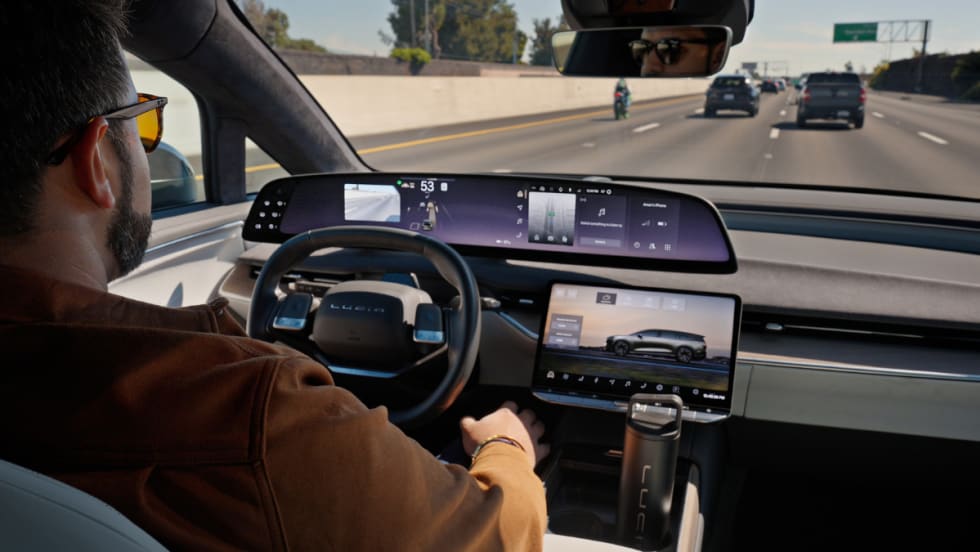
Lucid Adds Hands-Free Highway Driving, Software Updates To Gravity SUV
Hands-free drive assist makes highway driving more comfortable while keeping drivers attentive to the road.
Read More →
California Adopts Sweeping New Autonomous Vehicle Regulations
Updated DMV rules open the door for heavy-duty AV testing and deployment while strengthening safety standards, emergency response coordination, and manufacturer accountability.
Read More →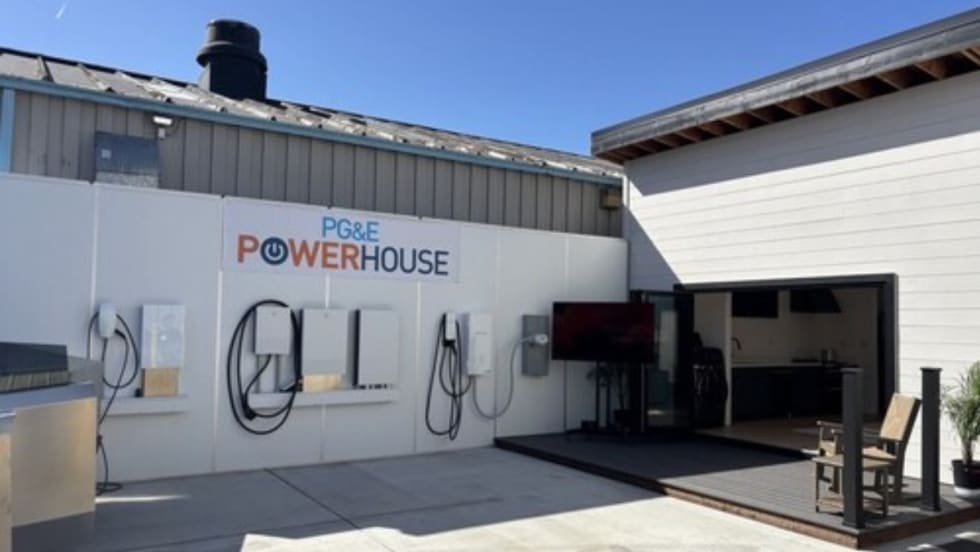
All Electric Test House Could Ease Path To EV Usage
An experimental model home shows how residential charging could enable electric fleet operations by allowing drivers to take EVs home.
Read More →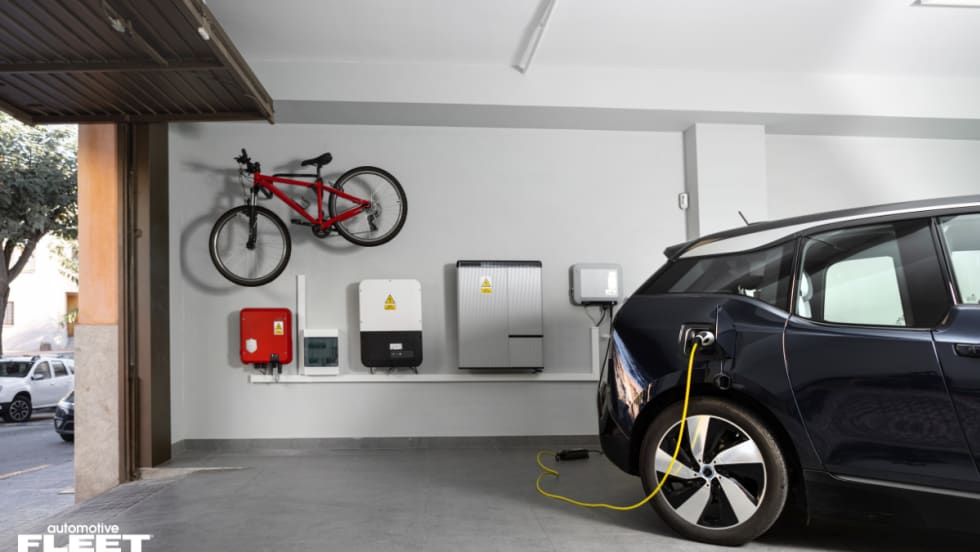
WEX Launches Solution to Close EV At-Home Charging Visibility Gap
At NAFA I&E 2026, WEX debuted an EV solution that adds a layer of verification to help fleets track, validate, and trust every at-home charging dollar.
Read More →
Major Truck Charging Hub Opens In Southern California
EV Realty opens a 76-port, 9 MW truck charging hub in San Bernardino, designed to support more than 200 medium- and heavy-duty vehicles per day with CCS and MCS capability.
Read More →
Software Speeds Up EV Fleet Charging
Learn about a new level of energy management that helps fleets control costs while maintaining service reliability. [VIDEO]
Read More →