


Lordstown: Active Conversations to Raise Capital to Continue Operations
A day after filing an amended 10-K that casts doubt on the electric-truck maker’s survival into 2022, the company said it has “multiple avenues to raise capital."

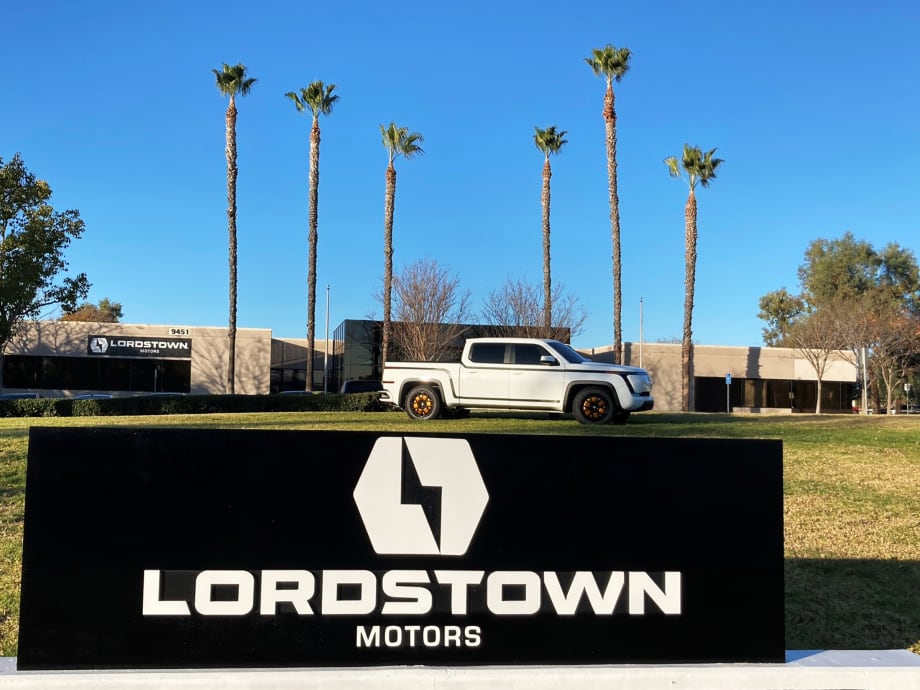
Lordstown plans to sell the Endurance for about $52,500 before government rebates. Last month, Ford announced a base price of about $40,000 for its all-electric F-150 Lightning.
Photo by Chris Brown.
After disclosing in a filing that it needs additional funding to be able to produce vehicles in 2022, electric-truck maker Lordstown Motors Corp. said on Wednesday it “has multiple viable avenues to raise capital including asset-backed financing, equity, equity-related or debt financing, loans (including our in-process application for an ATVM loan)” and is “already in active conversations with multiple parties to do so.
The Tuesday disclosure of additional funding needs was part of an amended 10-K filing to its annual report, casting doubt on Lordstown’s ability meet production targets and timelines for its Endurance all-electric pickup truck. The company is looking to start production in September and build 2,200 Endurances by year’s end.
In the 10-K filing: “Our current budget only provides for limited commencement of production in 2021. Additional funding is needed for production in 2022 and beyond and to continue our ramp up to full commercial production. The amounts required may be significant. … The Company believes that our current level of cash and cash equivalents are not sufficient to fund commercial scale production and the launch of sale of such vehicles.”
The ATVM loan, given by the U.S. Department of Energy, supports the development of fuel-efficient, advanced technology vehicles in the U.S.
Lordstown’s Wednesday press statement shed light on its need for the capital raise:
“While we have adequate capital to continue operations, meet supplier obligations, and begin limited production, we previously indicated that we may need to raise additional capital to support our ongoing production plan. The update we provided on our most recent earnings call — and in yesterday’s updated SEC filing — indicated that increased R&D spending due to COVID-related supply chain issues and the strategic decision to in-source production of certain parts simply means we now have confirmed that we will need that additional funding in the near term to ramp to commercial production levels.”
Lordstown said in the filing it had $259.7 million in cash on hand as of March 31. Lordstown posted a net loss of $125.2 million in the first quarter.
RBC Capital Markets initiated coverage of Lordstown on Tuesday. According to a Reuters report, RBC analyst Joseph Spak believes Lordstown will need an additional $2.25 billion in capital through 2025 to remain solvent. Spak maintains the company will not break even until 2025, three years after company projections.
In the filing, Lordstown also summarized the advantages it perceives it has over its competitors due to a pure focus on sales to the fleet market:
Although competition within the broader electric vehicle and pickup market is intense, we believe that our focus on fleet customers will limit direct competition, at least initially. While established OEMs and new entrants to the industry have announced plans to develop electric pickup trucks, most of these potential competitors are expected to focus on the consumer market as their point of entry into the market. In such cases, the vehicles produced may focus more on attributes that provide for mass consumer appeal, which can be either costly or limit the functionality required by the fleet market. By comparison, we are focusing on the specific needs of commercial fleets with the development and production of the Endurance and expect to have significantly less direct competition in this market at the outset.
Lordstown plans to sell the Endurance for about $52,500 before government rebates. Last month, Ford announced a base price of about $40,000 for its all-electric F-150 Lightning.
Originally posted on Automotive Fleet
More Electric Vehicles
EV Charging Use Is Outpacing Infrastructure Growth
ChargePoint’s 2026 Charging Forward Report points to rising charger use, higher-powered charging, commercial vehicle electrification, and energy-management technology. Here’s what fleets should know.
Read More →
EV Realty Names Henrik Holland President as Charging Platform Expands
The former Prologis Mobility and Shell executive will help expand EV Realty’s truck charging business and move its power-first infrastructure model into autonomous vehicle depots and other fleet sectors.
Read More →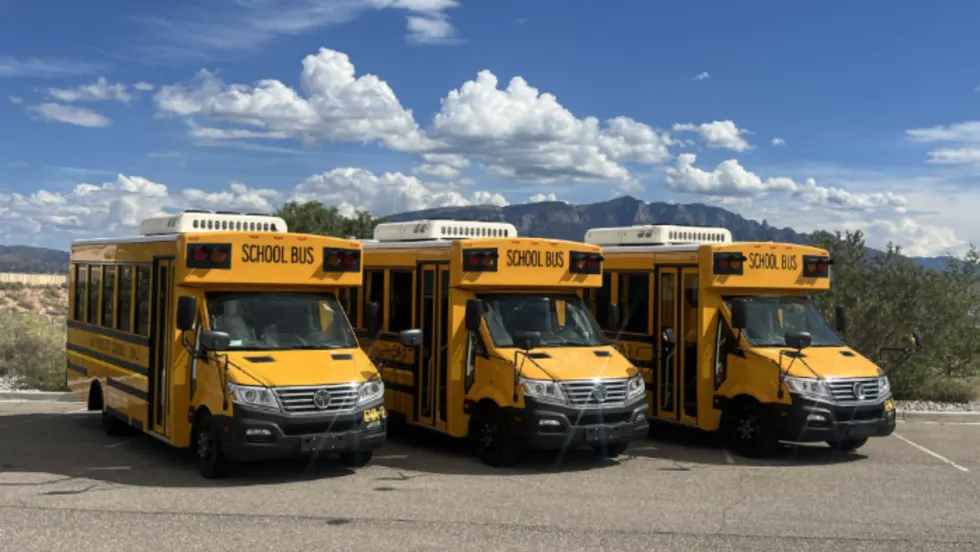
GreenPower Expands New Mexico EV Pilot With Larger Buses, V2G Testing
After logging more than 17,000 electric miles in the first year, New Mexico’s statewide pilot is moving into its second phase with larger vehicles, continued charging evaluations, and more.
Read More →
Can EV-as-a-Service Help Fleets Scale Electrification?
Sustainability Partners CEO Adam Cain explains how matching EVs, charging infrastructure, and duty cycles can help fleets scale electrification.
Read More →
How EV-as-a-Service Is Moving Fleets Beyond Pilots
Adam Cain, president and CEO of Sustainability Partners, explains how EV-as-a-service can help fleets scale deployments by addressing duty-cycle requirements and charging challenges.
Read More →
PowerFlex, The Mobility House Join Forces to Advance Fleet Electrification
Two EV charging providers are joining forces to deliver a broader portfolio of energy management and fleet electrification solutions.
Read More →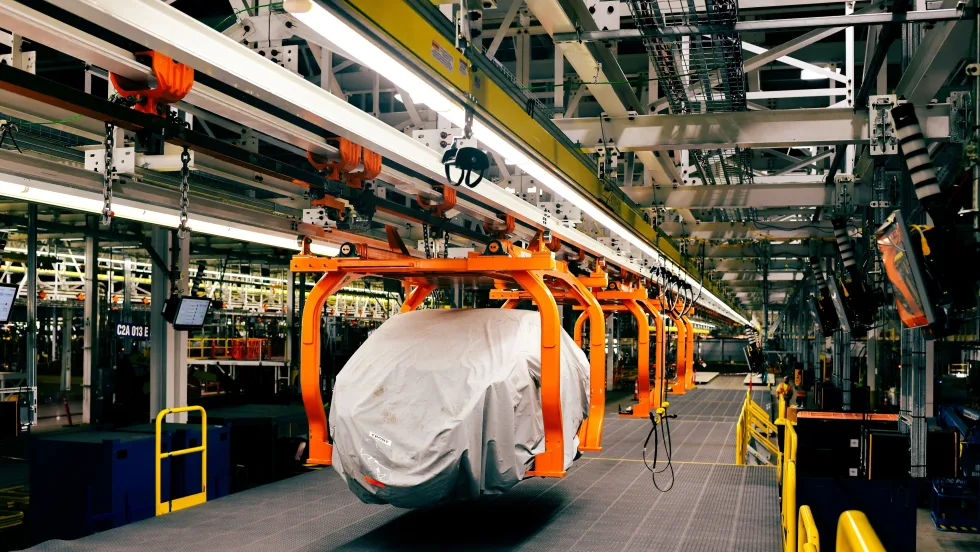
Ford Retools Louisville Plant for Fathom Electric Truck Production
Ford's $2 billion Louisville Assembly Plant overhaul introduces a three-part assembly process for the Fathom midsize electric truck, with production scheduled to begin in 2027.
Read More →
Merchants Fleet Reports 290M EV Miles as Fleets Navigate Changing Electrification Market
From millions in operating savings to hundreds of millions of EV miles, Merchants Fleet’s latest report reveals what’s working and what’s changing in fleet electrification.
Read More →
California District Commits to Electrify 25% of School Bus Fleet by 2028
One of the nation's largest school bus electrification projects to date demonstrates how grants, charging infrastructure, and public-private partnerships can help fleets transition to EVs at scale.
Read More →
Aptera Orders Bodies and Chassis for Its First 40 Production Vehicles
Aptera Motors Corp. has issued purchase orders for the major structural components of its first 40 vehicles, and body and chassis components are expected to begin arriving in October.
Read More →