


Hyundai Battery Partnership will Boost Indonesia Strategic Presence in EV Market
Hyundai Motor Group has teamed up with LG Energy Solution to build an electric vehicle (EV) battery cell manufacturing joint venture (JV) with US$1.1bn investment in Indonesia. LG Energy, The Hyundai battery partnership will boost Indonesia strategic presence in EV market.

Credit: LG Energy Solutions
Hyundai Motor Group has teamed up with LG Energy Solution to build an electric vehicle (EV) battery cell manufacturing joint venture (JV) with US$1.1bn investment in Indonesia. LG Energy, Hyundai battery partnership will boost Indonesia strategic presence in EV market, says GlobalData.
Bakar Sadik Agwan, Senior Automotive Consulting Analyst at GlobalData, a leading data and analytics company, offers his view:

[EMPTY CREDIT]
“Indonesia, which has reserves of nickel and cobalt used in Li-ion cell batteries, is well positioned to meet that demand amid advancements in EV technology. As a result, the 50:50 JV will be of high strategic importance to Indonesia from an EV perspective and surely a win-win for both LG and Hyundai. Hyundai, which aims to expand the portfolio of EVs to 44 models by 2025, will secure adequate supply for its future EVs and LG will strengthen its global presence in the EV market.
“Mass production of battery cells in the new facility is expected to commence in the first half of 2024. When fully operational, the facility is expected to produce a total of 10 GWh worth of NCMA lithium-ion battery cells every year, enough for more than 150,000 BEVs. Hyundai will mass-produce battery cells, which will be deployed in Hyundai and Kia’s models built on the Electric – Global Modular Platform (E-GMP).
“The Indonesian government will offer tax benefits for local production, which were announced long-back to boost the domestic EV manufacturing. Apart from LG energy, the government partnered with Contemporary Amperex Technology Ltd (CATL) for local production of lithium-ion batteries using the country’s surplus nickel output.
“Automakers with aggressive targets for transition away from internal combustion engines are committing to multi-billion-dollar deals to supply cells to their upcoming EVs. LG Energy Solution has secured supply contracts with several large EV manufacturers, including Volkswagen, Tesla and General Motors. LG energy and Hyundai partnership will reassure supply chain stability to the EV market, which is witnessing semiconductor shortages due to the COVID-19 pandemic.”
Originally posted on Automotive Fleet
More Batteries/Tech
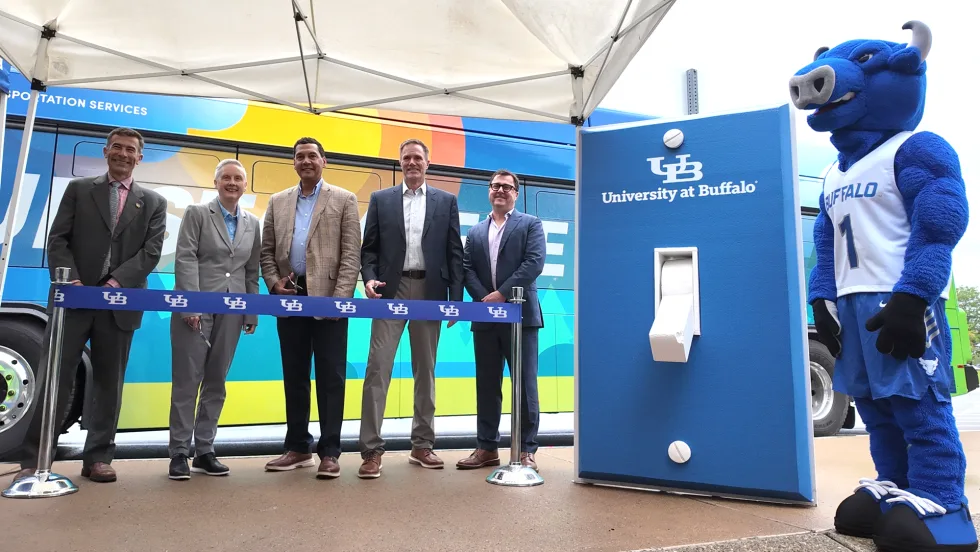
University at Buffalo Deploys 8 Electric Buses, 10 Chargers
The university, WeDriveU, and Zenobē welcomed the first electric buses to the school’s fleet under its zero-emissions roadmap.
Read More →
Samsung SDI Takes Full Control of GM Battery JV as Indiana Plant Pivots to Energy Storage
Samsung SDI is taking full control of its Indiana battery plant with GM, marking a major shift from the EV-focused joint venture Charged Fleet first covered in 2023.
Read More →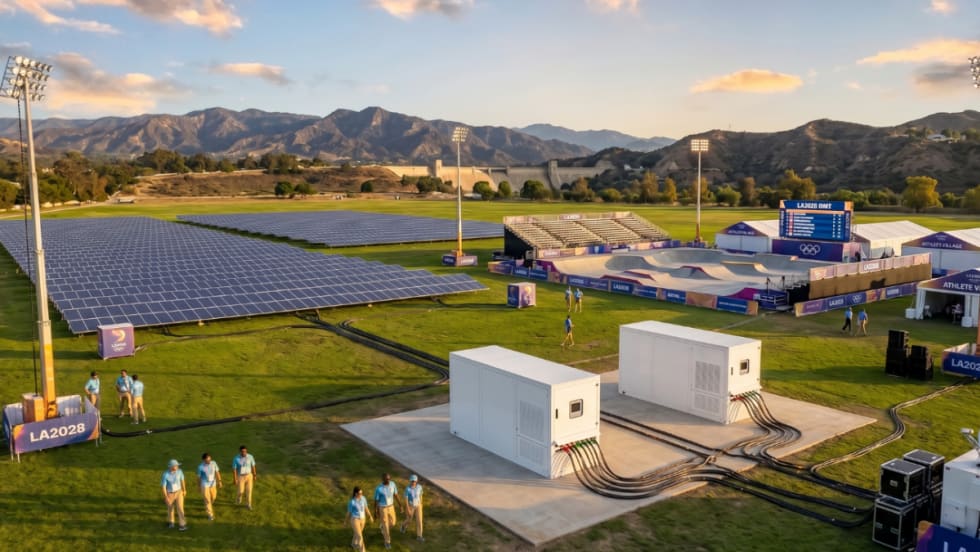
Xos White Paper Asserts LA Olympics Will Lack Enough EV Chargers
The commercial EV fleet company recommends some faster and more flexible remedies to relieve the anticipated shortfall.
Read More →
New EV and Hybrid Training Available For Auto Technicians
The curriculum covers those skill sets highly sought by electric fleet operations.
Read More →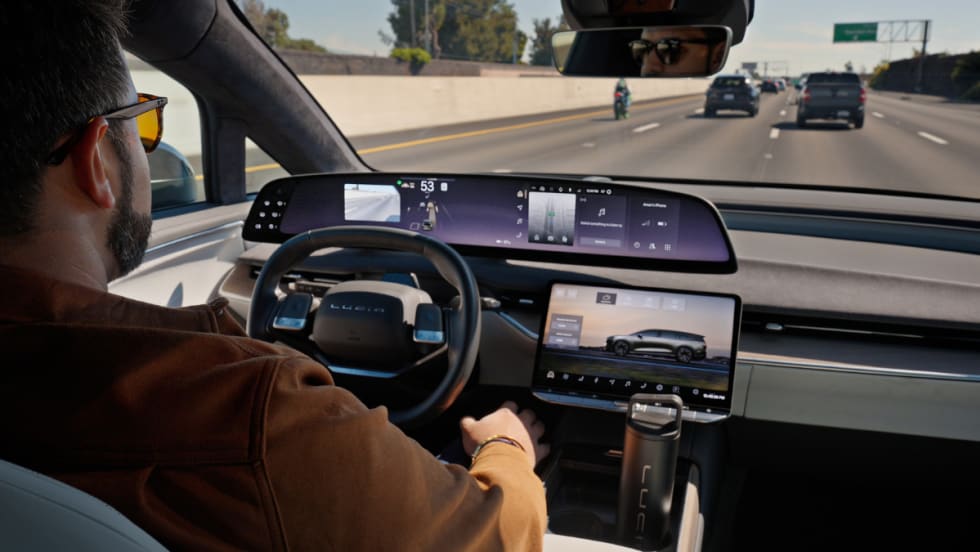
Lucid Adds Hands-Free Highway Driving, Software Updates To Gravity SUV
Hands-free drive assist makes highway driving more comfortable while keeping drivers attentive to the road.
Read More →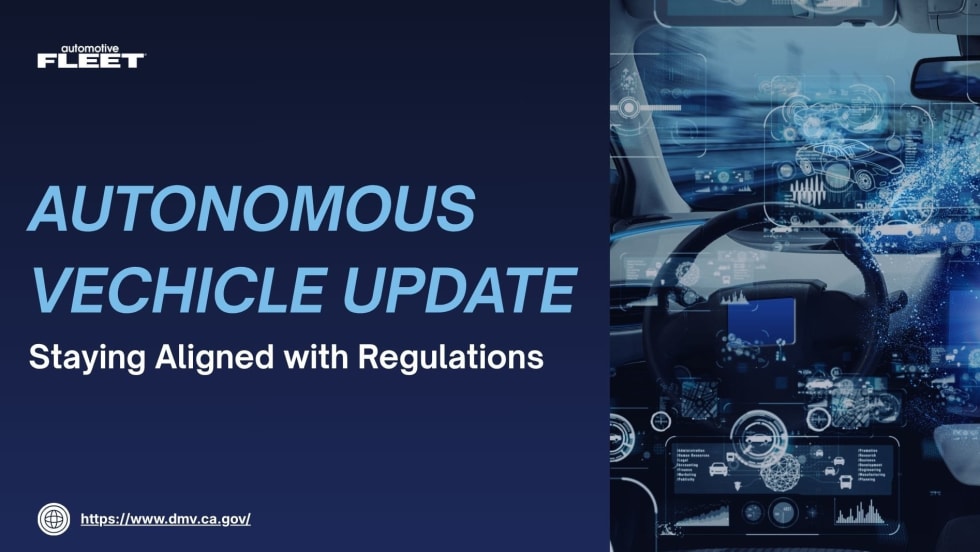
California Adopts Sweeping New Autonomous Vehicle Regulations
Updated DMV rules open the door for heavy-duty AV testing and deployment while strengthening safety standards, emergency response coordination, and manufacturer accountability.
Read More →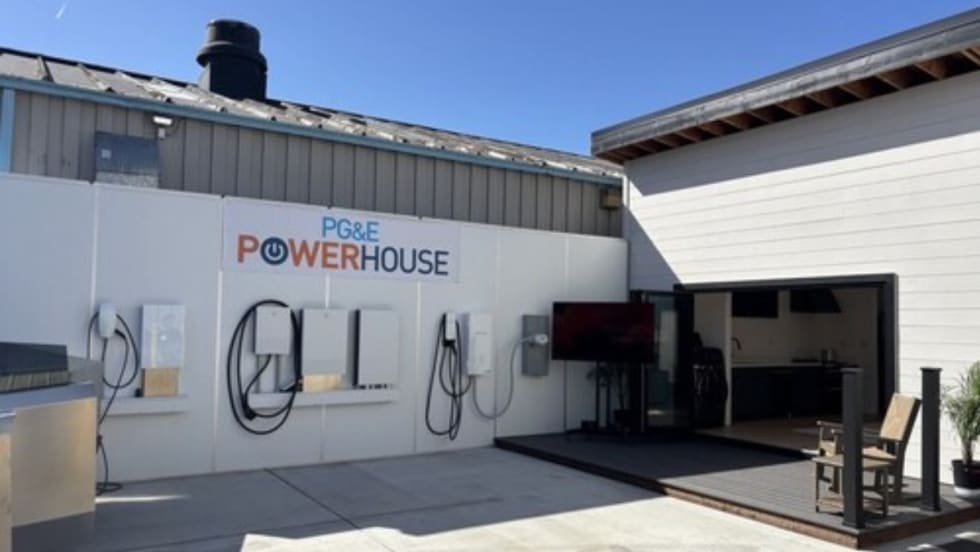
All Electric Test House Could Ease Path To EV Usage
An experimental model home shows how residential charging could enable electric fleet operations by allowing drivers to take EVs home.
Read More →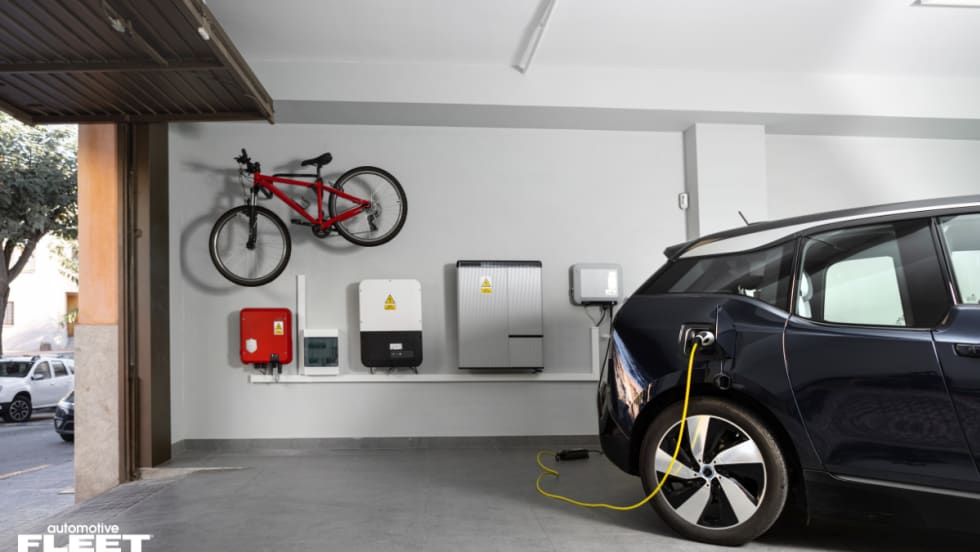
WEX Launches Solution to Close EV At-Home Charging Visibility Gap
At NAFA I&E 2026, WEX debuted an EV solution that adds a layer of verification to help fleets track, validate, and trust every at-home charging dollar.
Read More →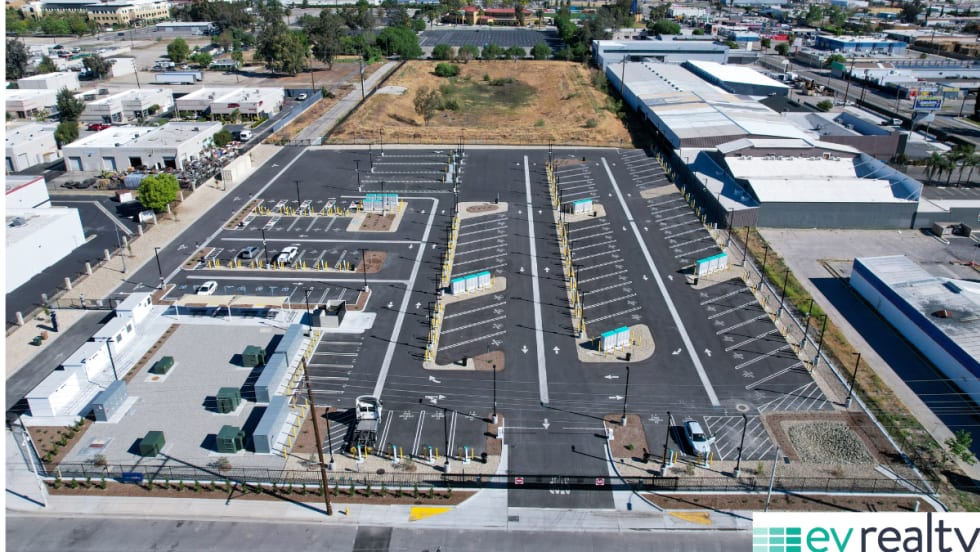
Major Truck Charging Hub Opens In Southern California
EV Realty opens a 76-port, 9 MW truck charging hub in San Bernardino, designed to support more than 200 medium- and heavy-duty vehicles per day with CCS and MCS capability.
Read More →
Software Speeds Up EV Fleet Charging
Learn about a new level of energy management that helps fleets control costs while maintaining service reliability. [VIDEO]
Read More →