


How to Reduce the Risk of Electric Vehicle Fires
While batteries can pose a risk and EV fires burn worse than ICE car fires, data shows EV fires are not nearly as common as recent headlines would suggest.

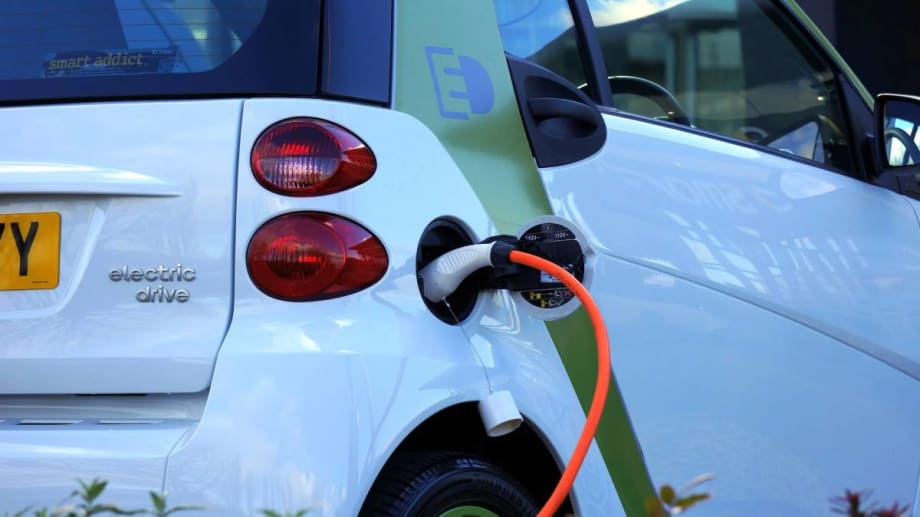
An EV’s battery performance and integrity can be affected by age, usage, and external impacts like a collision.
Photo: Pexels.com/Mike Bird
As more fleets move toward electrification, fleet operators face many challenges — from purchasing the right electric vehicles (EVs) to developing charging infrastructure to training technicians on EVs. As with traditional vehicles, safety is always a top priority.
EV fires caused by lithium-ion batteries are one factor that remains a safety concern for many fleet operators. However, the data shows that EV fires are not nearly as common as the many scary headlines in recent years would suggest.
In fact, EVs are about 0.3% likely to ignite as compared with a 1.05% chance for gas cars, according to the Bureau of Transportation Statistics (BTS) and the National Transportation Safety Board (NTSB).
To determine the rate of car fires by vehicle type, Auto Insurance EZ collected the latest data on car fires from the NTSB and calculated the rate of fires from sales data from the BTS. Hybrid vehicles ranked first for the most fires — 3,474 — per 100K sales. Gas vehicles came in second with approximately 1,530 fires, and EVs placed third, with only 25 fires per 100K electric vehicle sales.
However, while the prevalence of fires is lower in EVs as compared to hybrids and gas vehicles, the consequences can be far worse as these fires are particularly hard to stop.
Lithium-ion batteries are made up of thousands of cells, so the fire can rapidly spread among them. Experts also say EV fires burn at a higher temperature than gas fires and are more likely to reignite. Finally, unlike gas fires, lithium-ion battery fires don’t need outside oxygen to burn, which means they are harder to extinguish.
EV Maintenance and Reducing Risk
An EV’s battery performance and integrity can be affected by age, usage, and external impacts like a collision. Over time, battery cells degrade and become less efficient, which can cause them to discharge more quickly than normal or fail altogether. Degraded batteries can pose a significant safety risk to your drivers.
“The challenge with batteries is that one bad cell could create that thermal runaway that leads to a fire,” said Roei Ganzarski, CEO of Alitheon, maker of optical AI technology for counterfeit and gray market identification and traceability.
Fleet managers need to be diligent about proper maintenance for EVs and batteries.
“You want to make sure the people maintaining your EV know what they are doing when it comes to high voltage systems and batteries. Because it they get that wrong, or they use components that are not fit for an EV, it can be a problem,” Ganzarski said.
Electricity poses unique challenges. Each level of voltage used calls for different levels and qualities of cable and wire. Mechanics who are not experts in EVs can make mistakes. For example, they might replace an electric cable but may not understand that what they are putting in can’t meet the needs of the high voltage of the EV or the system temperature. That, in turn, creates a risk for a fire.
Overcharging a battery can take it to an extreme, which could lead to a battery being less stable and a potential for fire. That’s why it’s important that fleet managers make sure their drivers are charging cars correctly.
But it’s not just human error that fleets need to be cautious about. Counterfeit parts are also a problem, Ganzarski said. He points to cases in Europe where fake EV batteries have been found — they look like the real thing and bear a company logo, but they’re not authentic which can be dangerous.
Alitheon’s technology solution allows automakers and suppliers to authenticate and uniquely identify specific items such as EV batteries and other parts, eliminating the potential for counterfeits.
But what can fleets do to ensure their EV components are correct, legal, and real?
Ganzarski advises fleet managers doing their own maintenance to buy from the best sources. Purchase batteries from the battery manufacturer, not from some middleman. Buy cables or contactors from the auto supplier rather than buying online because they’re cheaper.
“It’s not like buying a cheaper oil filter and if you get it wrong, maybe you reduce the lifespan of the engine,” Ganzarski said. “If you get the wrong battery or contactor in your EV, you are risking your drivers’ health and life. Buy it new and correct.”
Whether it’s after a fender bender or as an EV begins to age, fleet managers must validate that authentic and correct parts are used during maintenance checks.
With proper maintenance, you’ll mitigate the risk of EV fires and boost safety for your drivers.
“For a fleet manager, an important message is: Don't be afraid of EV fires,” Ganzarski said. “Rather, what fleet managers need to be concerned about is where their electric cars are being maintained and that they know they are getting the correct parts for that car’s system.”
Originally posted on Automotive Fleet
More Electric Vehicles
EV Charging Use Is Outpacing Infrastructure Growth
ChargePoint’s 2026 Charging Forward Report points to rising charger use, higher-powered charging, commercial vehicle electrification, and energy-management technology. Here’s what fleets should know.
Read More →
EV Realty Names Henrik Holland President as Charging Platform Expands
The former Prologis Mobility and Shell executive will help expand EV Realty’s truck charging business and move its power-first infrastructure model into autonomous vehicle depots and other fleet sectors.
Read More →
GreenPower Expands New Mexico EV Pilot With Larger Buses, V2G Testing
After logging more than 17,000 electric miles in the first year, New Mexico’s statewide pilot is moving into its second phase with larger vehicles, continued charging evaluations, and more.
Read More →
Can EV-as-a-Service Help Fleets Scale Electrification?
Sustainability Partners CEO Adam Cain explains how matching EVs, charging infrastructure, and duty cycles can help fleets scale electrification.
Read More →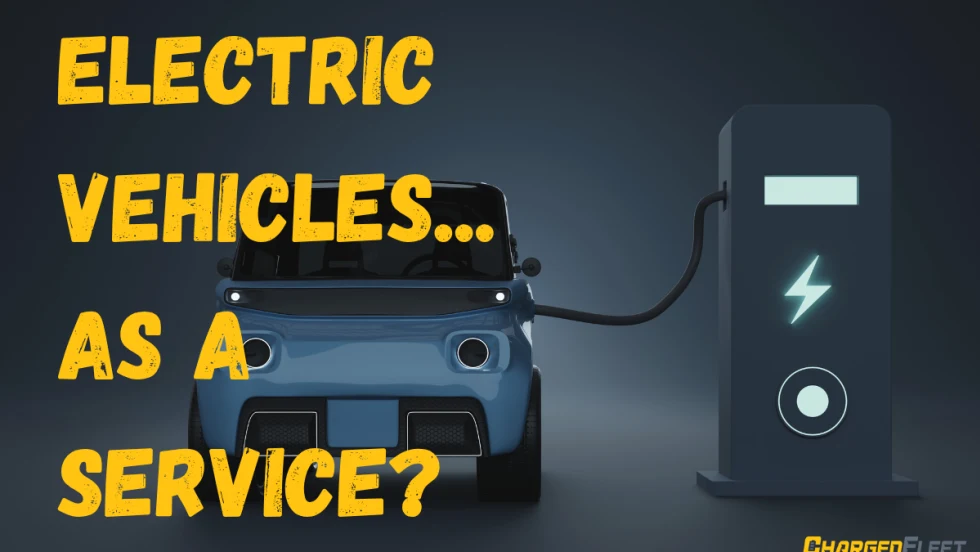
How EV-as-a-Service Is Moving Fleets Beyond Pilots
Adam Cain, president and CEO of Sustainability Partners, explains how EV-as-a-service can help fleets scale deployments by addressing duty-cycle requirements and charging challenges.
Read More →
PowerFlex, The Mobility House Join Forces to Advance Fleet Electrification
Two EV charging providers are joining forces to deliver a broader portfolio of energy management and fleet electrification solutions.
Read More →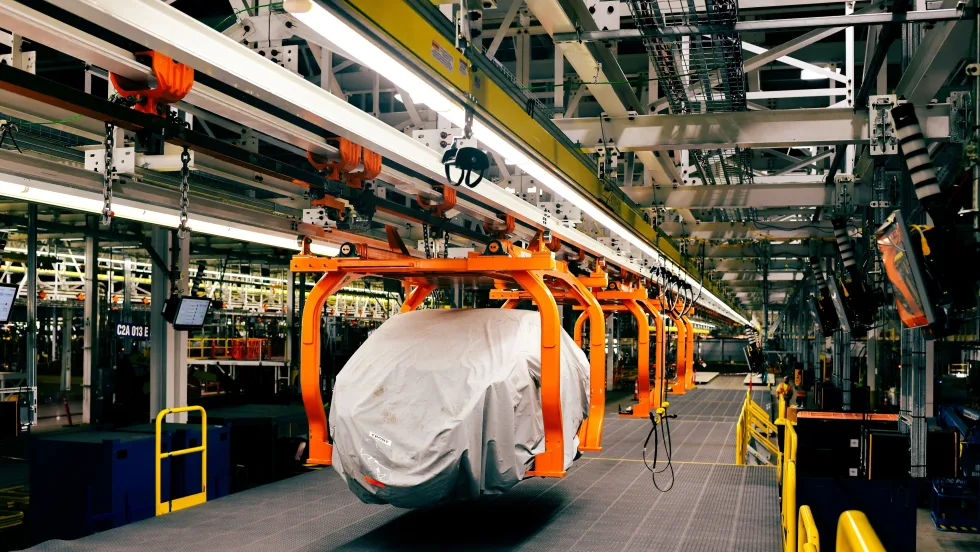
Ford Retools Louisville Plant for Fathom Electric Truck Production
Ford's $2 billion Louisville Assembly Plant overhaul introduces a three-part assembly process for the Fathom midsize electric truck, with production scheduled to begin in 2027.
Read More →
Merchants Fleet Reports 290M EV Miles as Fleets Navigate Changing Electrification Market
From millions in operating savings to hundreds of millions of EV miles, Merchants Fleet’s latest report reveals what’s working and what’s changing in fleet electrification.
Read More →
California District Commits to Electrify 25% of School Bus Fleet by 2028
One of the nation's largest school bus electrification projects to date demonstrates how grants, charging infrastructure, and public-private partnerships can help fleets transition to EVs at scale.
Read More →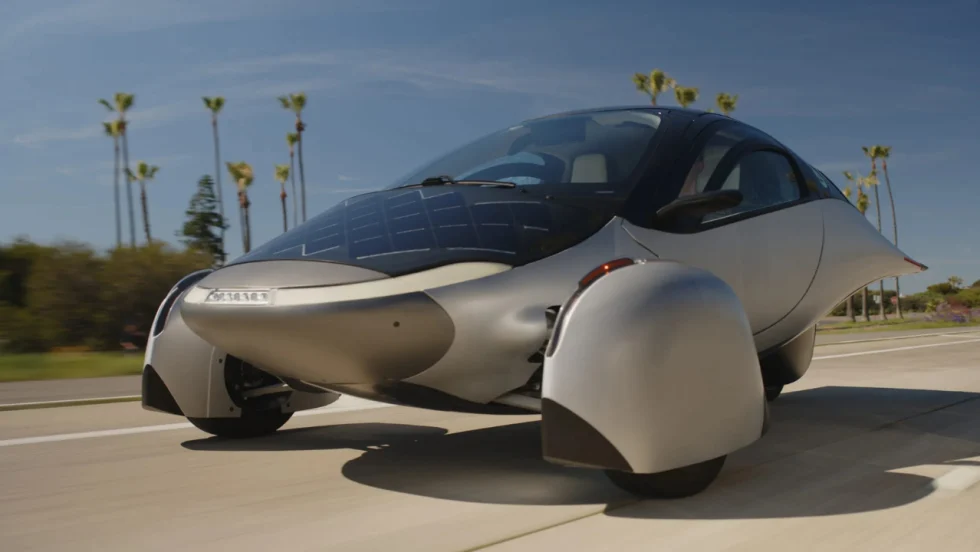
Aptera Orders Bodies and Chassis for Its First 40 Production Vehicles
Aptera Motors Corp. has issued purchase orders for the major structural components of its first 40 vehicles, and body and chassis components are expected to begin arriving in October.
Read More →