


Green Truck Summit: Electric Trucks and Alternative Fuels
The Green Truck Summit was introduced in 2007 and helps industry experts and fleet managers engage in conversation about best practices, share new ideas, and collaborate on potential advanced technologies.

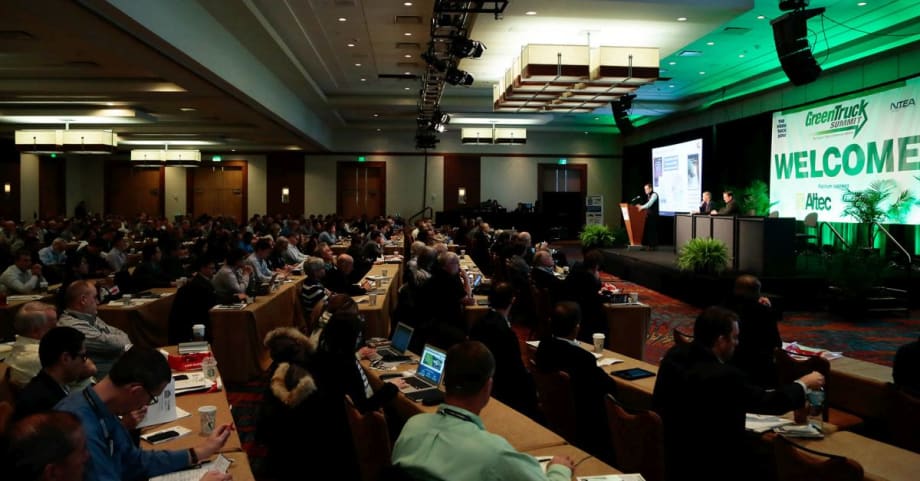
The Green Truck Summit was first launched in 2007.
Photo: NTEA
Fleet managers, truck equipment distributors, upfitters, and truck dealers from around the world will hear strategies to help create more productive and innovative work trucks, discover ways to turn commercial vehicles into work systems and gain insight into electric work truck deployment at Green Truck Summit 2020, held in conjunction with The Work Truck Show 2020.
Work Truck Week runs March 3-6, 2020 at the Indiana Convention Center in Indianapolis.
Green Truck Summit, Manufacturer and Distributor Innovation Conference, and educational sessions begin March 3. The Work Truck Show exhibit hall opens March 4 and runs through noon on March 6.
Produced by NTEA – The Association for the Work Truck Industry, Green Truck Summit provides a look into and long-range forecasts around the latest productivity options and alternative fuel and technology implementation. The Summit features presentations from regulatory agencies, fleet managers, commercial vehicle manufacturers, and stakeholders from industry trade associations and professional societies.
“In recent years, the intense focus on developing more efficient and sustainable vocational truck fleets has yielded some of the most innovative green technologies and industry practices ever,” says Doyle Sumrall, NTEA managing director. “This conference, which was introduced to the industry in 2007, has become an important forum where industry experts and fleet managers can engage in conversation about best practices, share new ideas and collaborate on potential advanced technologies that can drive fleets even further down the road toward a zero-emission transportation industry.”
Green Truck Summit begins March 3 at 8:30 a.m. with opening remarks, followed by a keynote address at 8:45 a.m. Following the keynote, attendees can participate in a variety of general sessions.
During the How Truck Technology Advances Will Impact Industry Practices session, industry leaders Bill Combs, director, Connected Fleet, Penske Truck Leasing; Nick Rini, director of engineering, FCCC; Rick Sapienza, director, Clean Transportation Program, NC Clean Energy Technology Center; and an OEM representative will share a forward look at work truck automation and autonomy, highlighting advanced technologies currently in development, as well as future possibilities.
Meeting Program Sustainability Targets: Successes and Challenges of New Equipment Offerings will feature Todd Carlson, principal manager – fleet asset management, Southern California Edison; Bill Van Amburg, executive vice president, CALSTART; and an additional fleet representative discussing fleet management strategies that can help achieve a more sustainable transportation profile.
Legacy fleet equipment is one of the most challenging elements of a sustainability evolution that involves powerplants and sustainable fuels. Attendees of Achieving Legacy Fleet Sustainability will learn strategies to help overcome obstacles, such as fluctuations in OEM offerings and support, to successfully transition their legacy fleet. Joseph Moser II, fleet manager, Commonwealth Edison; and additional fleet representatives will lead the discussion.
In the Alt Fuels and Technology: Evolution Toward Zero Emissions session, presenters Michael Berube, acting deputy assistant secretary for transportation, Office of Energy Efficiency and Renewable Energy, U.S. Department of Transportation; Michael McDonald, director, sustainability and government affairs, UPS; and Tucker Perkins, president and CEO, PERC, will help attendees discover how the introduction of renewable diesel, CNG and propane, reductions in exhaust emissions from conventional power offerings, along with batteries, fuel cells and fundamental truck designs, are driving industry change.
With increasing interest in electric drive medium- and heavy-duty trucks, the top sources for onboard energy are fuel cells and batteries. Elizabeth Fretheim, head of business development, Nikola Motor Company; Abas Goodarzi, president and CEO, US Hybrid; and an OEM representative will discuss the pros and cons of these choices during Powering Electric Drive: Batteries or Fuel Cells?
In addition to these general sessions, attendees can choose from dozens of concurrent sessions March 4-5 with topics such as vehicle weight management, building better vehicle spec’s, maximizing the value of aftermarket tires, OEM chassis updates, and more.
The Work Truck Show exhibit hall featuring 500 exhibitors will be open March 4-6. The Productivity and Fuels Pavilion section showcases companies displaying clean technologies and fuel utilization reduction solutions.
Additionally, attendees can experience the industry’s latest clean vehicle solutions and alternative fuel applications at The Work Truck Show Ride-and-Drive where they can test-drive or ride in the newest work trucks on March 4-5. Participation is free and available on a first-come, first-served basis to all registered Work Truck Show 2020 attendees.
Originally posted on Work Truck Online
More Vehicle Research
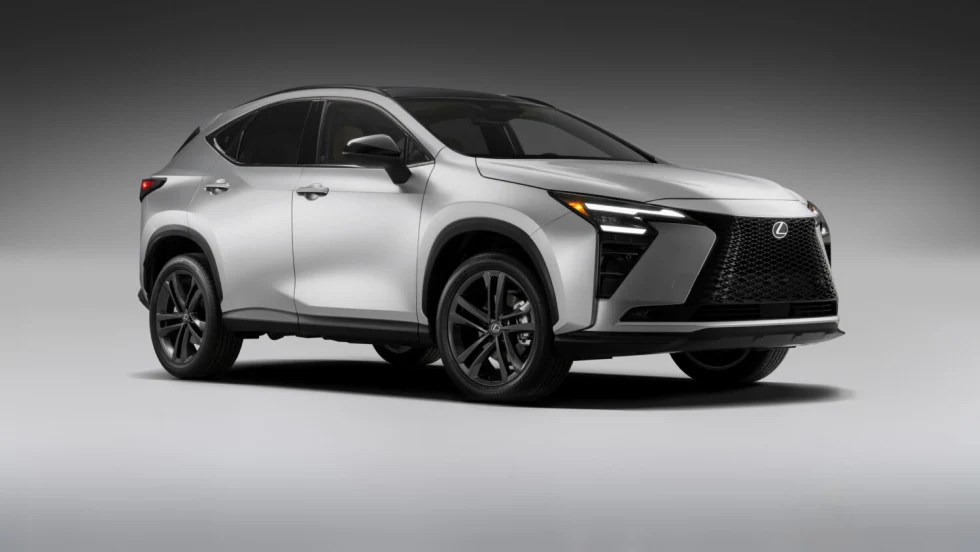
2027 Lexus NX Moves to Fully Electrified Lineup
For 2027, the NX moves to an entirely electrified lineup, with either hybrid or plug-in hybrid powertrains.
Read More →
2027 Mitsubishi Eclipse Sportback Named Green SUV of the Year
Green Car Journal recognized Mitsubishi’s new battery-electric crossover, which offers NACS compatibility and DC fast charging at up to 150 kW.
Read More →
Dave Carroll Named President of Ford Energy
Carroll succeeds Lisa Drake, who will remain with Ford through Dec. 31 to support the leadership transition.
Read More →
City of Long Beach Named No. 1 Green Fleet of 2026
NAFA's 2026 Green Fleet Awards recognized fleets for sustainability efforts spanning alternative fuels, technology, facilities, workplace culture and fleet operations.
Read More →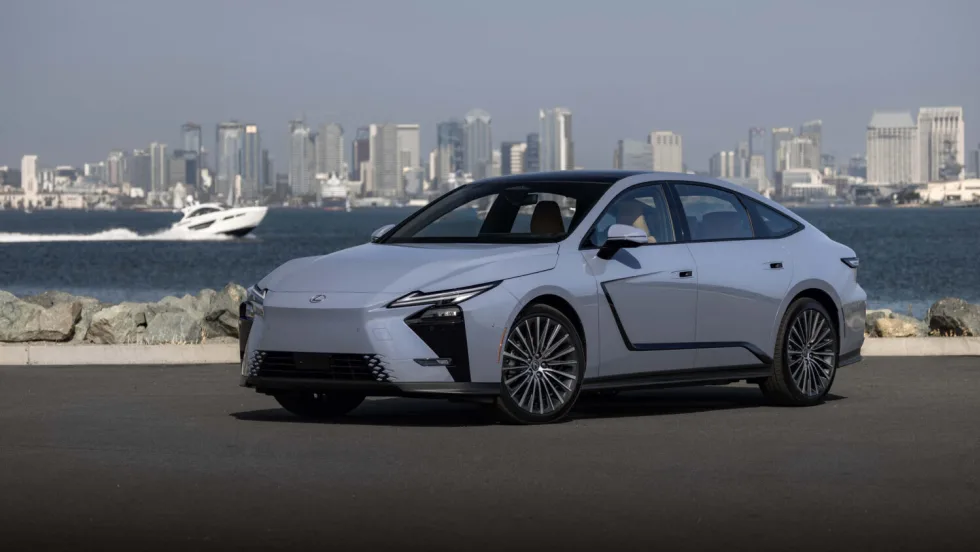
2027 Lexus ES Adds First Battery-Electric Models
The ES 350e and ES 500e join the hybrid ES lineup with up to 338 hp, an EPA-estimated 307 miles of range and standard NACS charging capability.
Read More →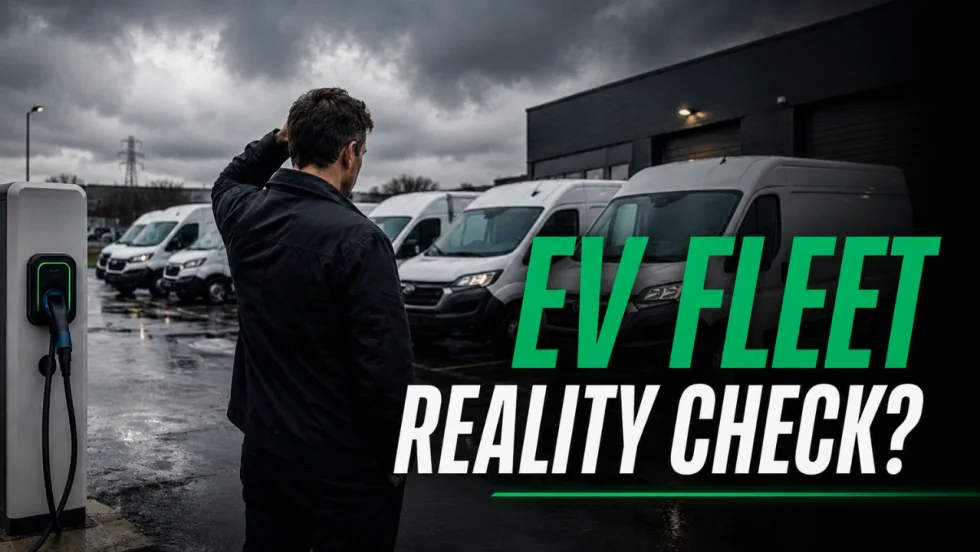
EV Fleet Reality Check: What Operators Wish They Knew Before Electrifying Their Work Vans
Electric work truck upfits bring new compatibility questions. Learn how parts availability, OEM guidance, power demands, and route planning can affect fleet performance.
Read More →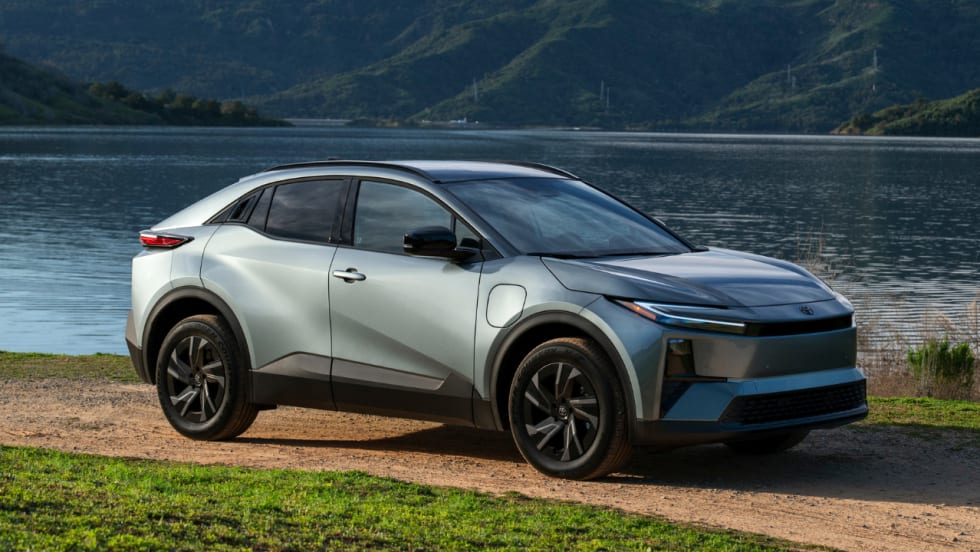
2027 Toyota C-HR Offers 287-Mile Range and Standard AWD
Toyota’s 2027 C-HR brings 287 miles of estimated range, standard all-wheel drive, and NACS fast-charging capability to the compact EV market. See what its mix of performance, cargo space, and everyday technology could offer business users.
Read More →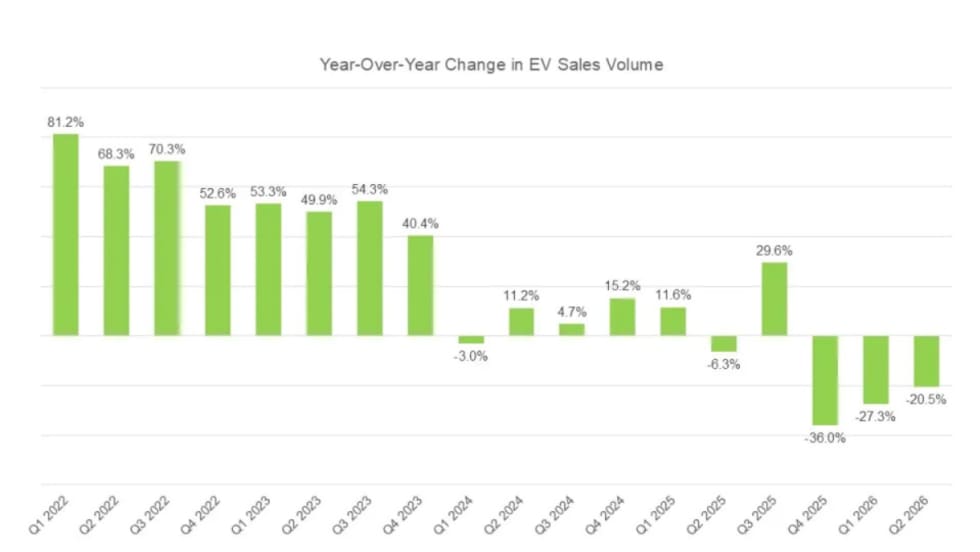
New Vehicle Models Stabilize Electrified Market In Q2
But more credit goes to hybrids than to all-electric vehicles, as more buyers look for fuel-efficient alternatives amid high gas prices.
Read More →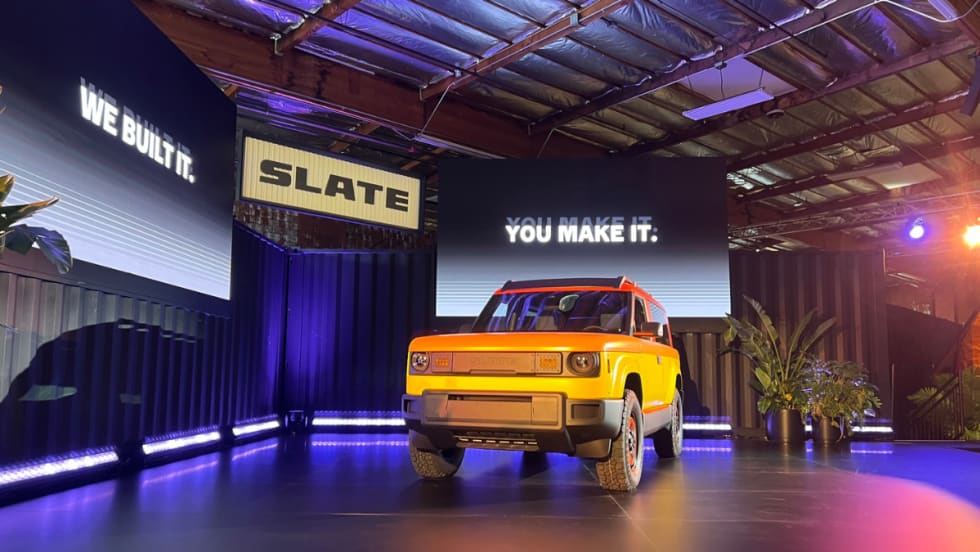
Slate Debuts Colorful, Unique EV Models
A recent media and client event, studded with electric vehicles dressed up on platforms, planted a new position for the manufacturer in the wider EV market. Fleets will find cost-saving advantages.
Read More →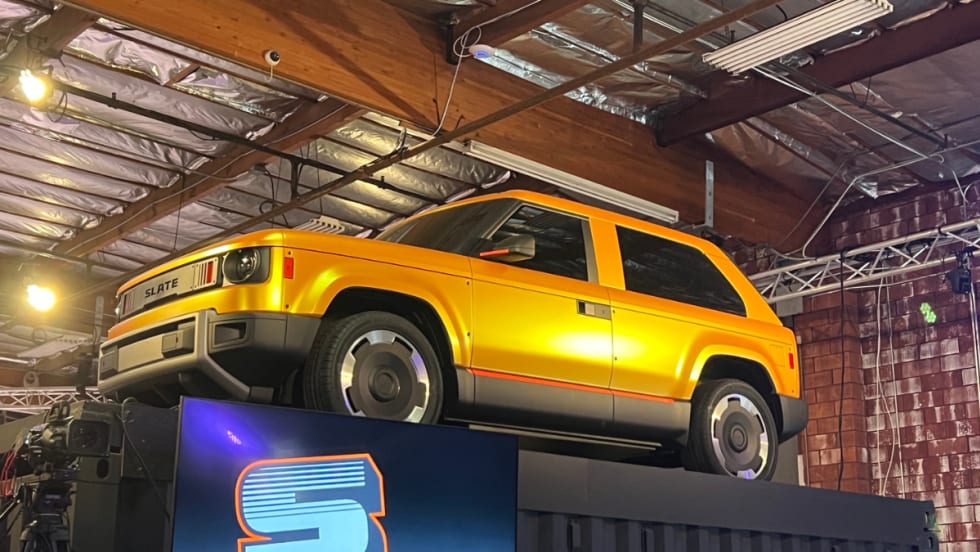
Slate Electric SUV, Pickup Switchable Model Aims For Light-Duty Fleets
Everything about this EV is counterintuitive and understated, making it stand out from the crowd.
Read More →