


GREEN Act Creates Credit for Heavy-Duty EVs, Extends EV Tax Credits
The credit for zero-emission heavy-duty trucks and buses over 14,000 lbs. would equal 10% of the sales price. The credit would be a boon to buyers of electric trucks from new manufacturers.

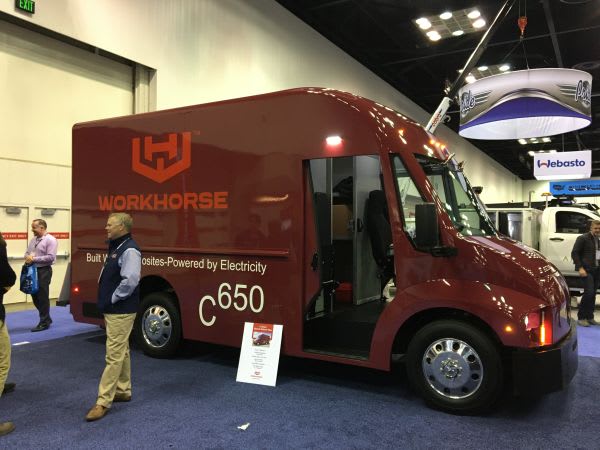
If passed, the bill would allow buyers of electric trucks such as the Workhorse C650 electric step van to take advantage of a 10% reduction of the sales price.
Photo by Chris Brown.
The Biden administration’s push for environmental sustainability is coming into focus with benefits for electric vehicle buyers. The administration’s GREEN Act (Growing Renewable Energy and Efficiency Now) would increase the electric vehicle credit cap to 600,000 cars per manufacturer.
The GREEN Act would also create a new credit for zero-emission heavy-duty trucks and buses, which would equal 10% of the sales price up to $1 million. The credit applies to vehicles weighing more than 7 tons (14,000 lbs.) that are powered by an electric motor. CNG and propane-powered vehicles are exempted.
The $7,500 cap remains for electric passenger vehicle sales up to 200,000 per manufacturer, after which a $7,000 credit phases in up to 600,000 units sold.
The program would allow 400,000 new GM and Tesla customers to access the $7,000 credit. Both manufacturers surrendered the credit after passing the 200,000-vehicle sales threshold under the current incentive tax program. With the credit, a Tesla Model 3 would be priced below $30,000.
The GREEN Act extends or expands existing renewable energy tax credits for solar, wind, and hydro power, including a five-year extension of the solar Investment Tax Credit (ITC). The House Ways and Means Committee introduced the GREEN Act on Feb. 5.
The bill, an update of a similar bill that failed to pass during the last Congress, may have a better chance with a Democrat-controlled House, Senate, and White House.
“A new EV credit could arrive just as a wave of new EVs, many from new EV companies, are hitting the market,” said Karl Brauer, executive publisher, CarExpert.com. “Many of these new EVs will, for the first time, be trucks and SUVs, making both the vehicles and the EV credit appealing factors for fleet buyers.
“This combination of factors could dramatically increase demand for EVs, and with a 600,000-unit threshold before the credit begins to expire we could see widespread implementation of EVs replacing traditional fleet vehicles, a goal President Biden has specifically called out for federal vehicles in recent weeks,” Brauer said.
Originally posted on Automotive Fleet
More Electric Vehicles
EV Charging Use Is Outpacing Infrastructure Growth
ChargePoint’s 2026 Charging Forward Report points to rising charger use, higher-powered charging, commercial vehicle electrification, and energy-management technology. Here’s what fleets should know.
Read More →
EV Realty Names Henrik Holland President as Charging Platform Expands
The former Prologis Mobility and Shell executive will help expand EV Realty’s truck charging business and move its power-first infrastructure model into autonomous vehicle depots and other fleet sectors.
Read More →
GreenPower Expands New Mexico EV Pilot With Larger Buses, V2G Testing
After logging more than 17,000 electric miles in the first year, New Mexico’s statewide pilot is moving into its second phase with larger vehicles, continued charging evaluations, and more.
Read More →
Can EV-as-a-Service Help Fleets Scale Electrification?
Sustainability Partners CEO Adam Cain explains how matching EVs, charging infrastructure, and duty cycles can help fleets scale electrification.
Read More →
How EV-as-a-Service Is Moving Fleets Beyond Pilots
Adam Cain, president and CEO of Sustainability Partners, explains how EV-as-a-service can help fleets scale deployments by addressing duty-cycle requirements and charging challenges.
Read More →
PowerFlex, The Mobility House Join Forces to Advance Fleet Electrification
Two EV charging providers are joining forces to deliver a broader portfolio of energy management and fleet electrification solutions.
Read More →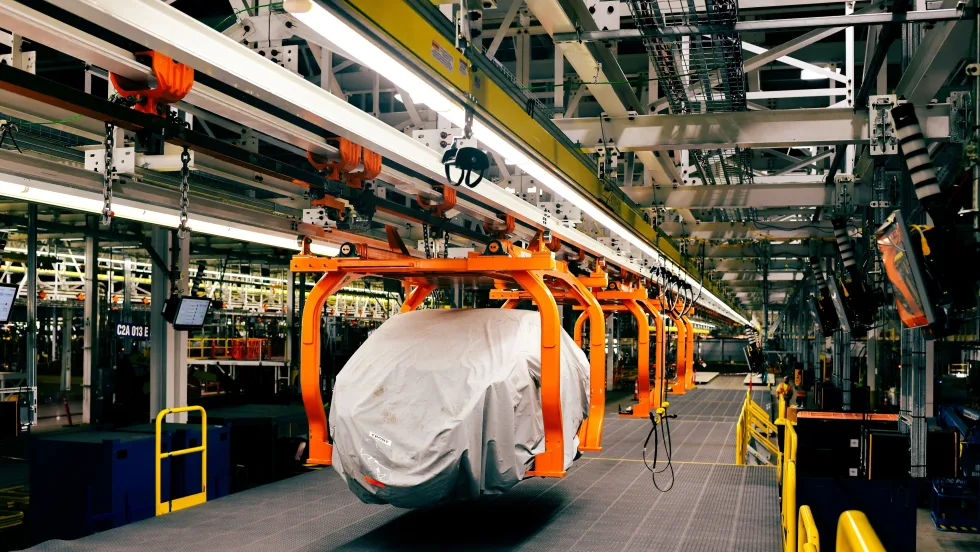
Ford Retools Louisville Plant for Fathom Electric Truck Production
Ford's $2 billion Louisville Assembly Plant overhaul introduces a three-part assembly process for the Fathom midsize electric truck, with production scheduled to begin in 2027.
Read More →
Merchants Fleet Reports 290M EV Miles as Fleets Navigate Changing Electrification Market
From millions in operating savings to hundreds of millions of EV miles, Merchants Fleet’s latest report reveals what’s working and what’s changing in fleet electrification.
Read More →
California District Commits to Electrify 25% of School Bus Fleet by 2028
One of the nation's largest school bus electrification projects to date demonstrates how grants, charging infrastructure, and public-private partnerships can help fleets transition to EVs at scale.
Read More →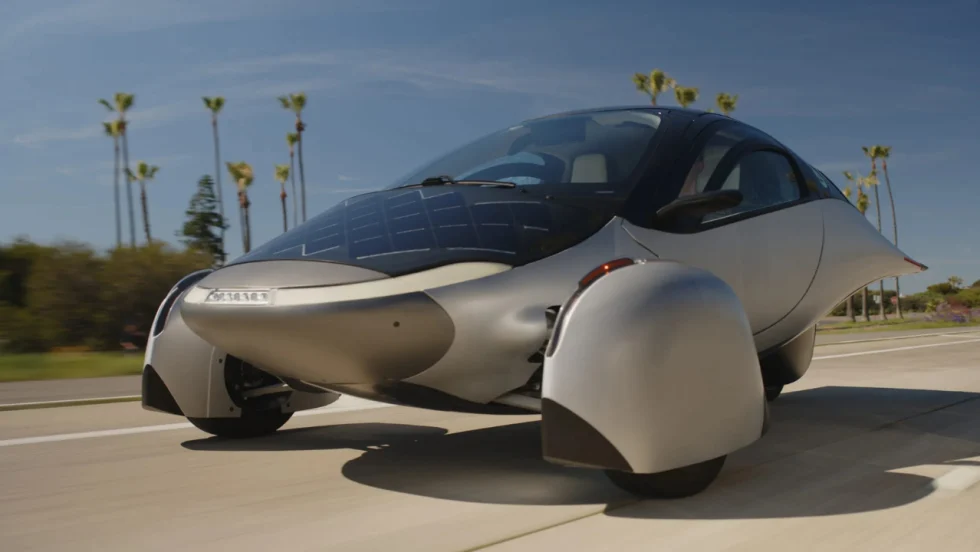
Aptera Orders Bodies and Chassis for Its First 40 Production Vehicles
Aptera Motors Corp. has issued purchase orders for the major structural components of its first 40 vehicles, and body and chassis components are expected to begin arriving in October.
Read More →