


GM Acquires Stake in Nikola, Will Produce Badger Pickup
Nikola gets the manufacturing partner it needs to deliver on mass producing the electric and fuel cell variants of the Nikola Badger pickup truck.
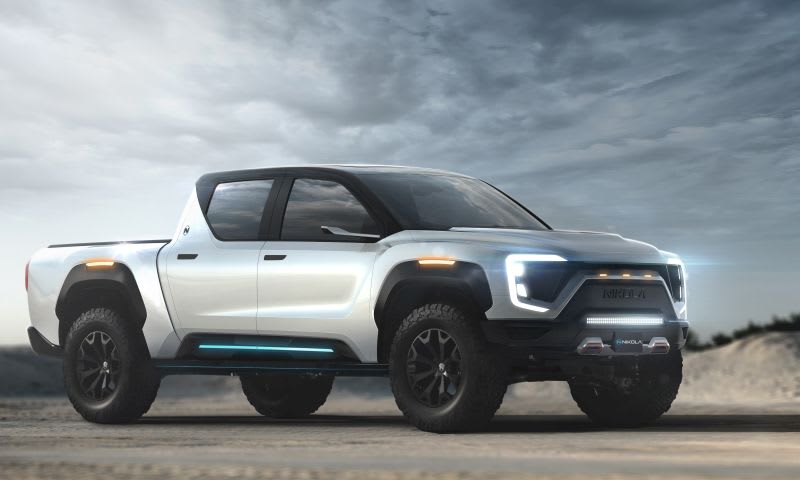
The Badger will have an estimated range of 300 miles as a BEV and 600 miles as an FCEV.
Photo courtesy of Nikola.
Nikola Corporation and General Motors today announced a strategic partnership in which GM gets a $2 billion equity stake in Nikola and 11% ownership in the hydrogen fuel cell electric vehicle (FCEV) startup.
GM will engineer, validate, and build the Nikola Badger for both the battery electric vehicle and fuel cell electric vehicle variants. As part of the agreement, Nikola will utilize General Motors’ Ultium battery system and Hydrotec fuel cell technology.
According to a press announcement, GM expects to receive in excess of $4 billion of benefits between the equity value of the shares, contract manufacturing of the Badger, supply contracts for batteries and fuel cells, and EV credits retained over the life of the contract. GM also gains the rights to be the exclusive supplier of fuel cells globally (outside of Europe) to Nikola for Class 7/8 trucks.
Nikola will be responsible for the sales and marketing for the Badger and will retain the Nikola Badger brand.
Nikola’s initial public offering in June saw the Phoenix-based company briefly surge to a valuation surpassing both Ford and Fiat Chrysler Automobiles (FCA). While Nikola announced the Badger will make its public debut in December at Nikola World 2020 in Arizona — and that Badger production would start in late 2022 — the company didn’t have a manufacturing partner. Until today.
Referencing GM’s recent partnership on battery and fuel cell technology with Honda, Michelle Krebs, executive analyst for Cox Automotive, said in a statement that strategic alliances are essential to accelerating electrification and fuel cell technology.
“What’s becoming clear is that no single company has enough resources to go it alone towards a future that is electrified, connected, and autonomous,” said Krebs.
Krebs said the deal will help proliferate GM’s newly developed Ultium battery systems and reduce costs through economies of scale.
Brian Moody, executive editor of Cox Automotive’s Autotrader, sees the partnership as fueling greater interest in fuel cells where attention has waned recently.
“Fuel cells aren’t getting the attention they deserve,” he said in a statement. “In other applications, fuel cells are seen as a reliable energy alternative, but only a handful of automakers seem interested. Right now, Honda, Hyundai and Toyota have fuel cell powered cars available to consumers in some regions.
… By GM forming a partnering with Honda and now Nikola, it shows they’re serious about alternative fuel vehicles.”
However, Jim Cramer, host of CNBC’s Mad Money, thinks the deal might make it easier for GM to spin off Ultium.
“All the things that GM gives them (Nikola) are worth a lot more than what Nikola gives to GM,” Cramer said on CNBC’s Squawk on the Street this morning. “At the end of the day, I want to know if GM is going to spin off this unit. If they spin off this unit, then we’ve got some value.”
Originally posted on Automotive Fleet
More Electric Vehicles
EV Charging Use Is Outpacing Infrastructure Growth
ChargePoint’s 2026 Charging Forward Report points to rising charger use, higher-powered charging, commercial vehicle electrification, and energy-management technology. Here’s what fleets should know.
Read More →
EV Realty Names Henrik Holland President as Charging Platform Expands
The former Prologis Mobility and Shell executive will help expand EV Realty’s truck charging business and move its power-first infrastructure model into autonomous vehicle depots and other fleet sectors.
Read More →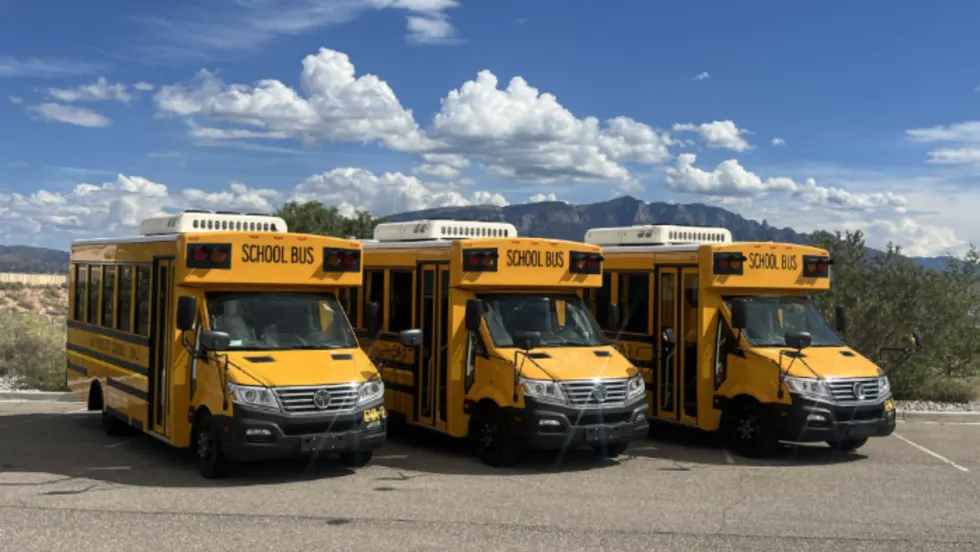
GreenPower Expands New Mexico EV Pilot With Larger Buses, V2G Testing
After logging more than 17,000 electric miles in the first year, New Mexico’s statewide pilot is moving into its second phase with larger vehicles, continued charging evaluations, and more.
Read More →
Can EV-as-a-Service Help Fleets Scale Electrification?
Sustainability Partners CEO Adam Cain explains how matching EVs, charging infrastructure, and duty cycles can help fleets scale electrification.
Read More →
How EV-as-a-Service Is Moving Fleets Beyond Pilots
Adam Cain, president and CEO of Sustainability Partners, explains how EV-as-a-service can help fleets scale deployments by addressing duty-cycle requirements and charging challenges.
Read More →
PowerFlex, The Mobility House Join Forces to Advance Fleet Electrification
Two EV charging providers are joining forces to deliver a broader portfolio of energy management and fleet electrification solutions.
Read More →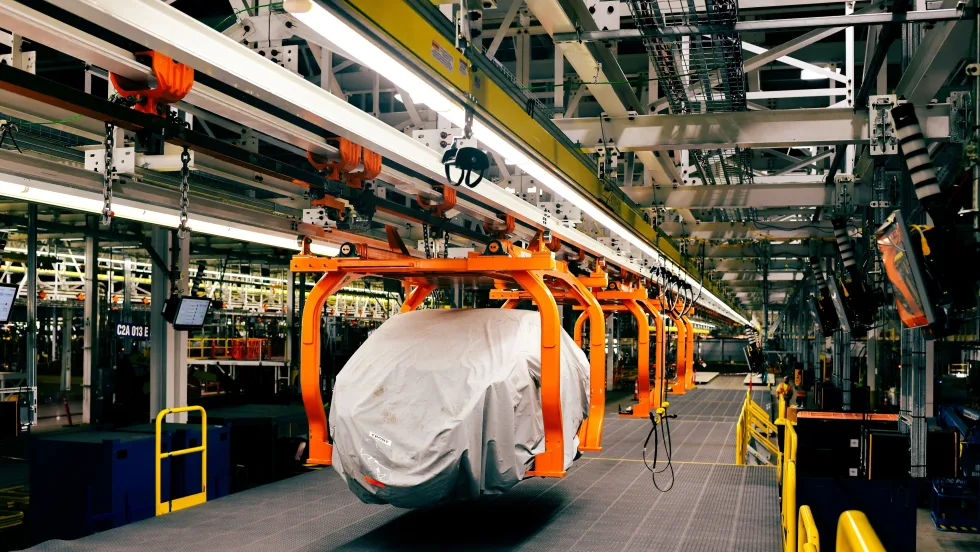
Ford Retools Louisville Plant for Fathom Electric Truck Production
Ford's $2 billion Louisville Assembly Plant overhaul introduces a three-part assembly process for the Fathom midsize electric truck, with production scheduled to begin in 2027.
Read More →
Merchants Fleet Reports 290M EV Miles as Fleets Navigate Changing Electrification Market
From millions in operating savings to hundreds of millions of EV miles, Merchants Fleet’s latest report reveals what’s working and what’s changing in fleet electrification.
Read More →
California District Commits to Electrify 25% of School Bus Fleet by 2028
One of the nation's largest school bus electrification projects to date demonstrates how grants, charging infrastructure, and public-private partnerships can help fleets transition to EVs at scale.
Read More →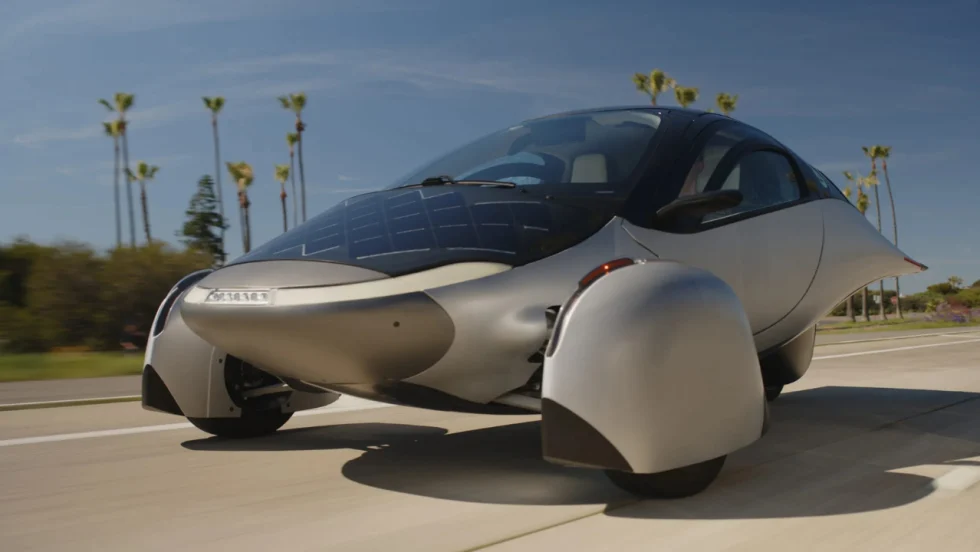
Aptera Orders Bodies and Chassis for Its First 40 Production Vehicles
Aptera Motors Corp. has issued purchase orders for the major structural components of its first 40 vehicles, and body and chassis components are expected to begin arriving in October.
Read More →