


Duke Energy Prepares for Hurricane Season Amid COVID-19
As the start of hurricane season approaches, Duke Energy is preparing to respond to power outages as quickly as possible – while adapting to the challenges of protecting the well-being of the company's employees, customers, and communities during the COVID-19 pandemic.

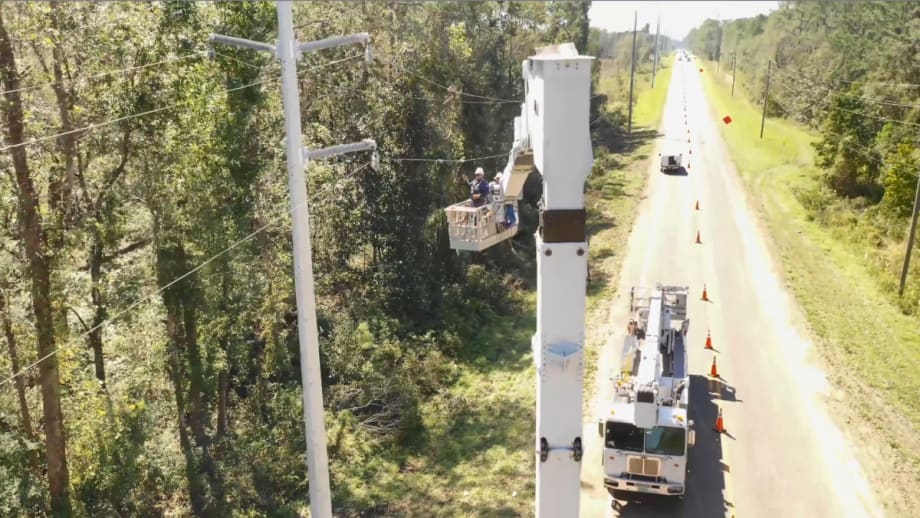
Duke Energy crews have worked through many hurricanes, including Hurricane Michael in Florida.
Photo: Duke Energy
As the June 1 start of hurricane season arrives, Duke Energy is preparing to respond to power outages as quickly as possible – while also adapting to the extra challenges of protecting the health and well-being of the company's employees, customers, and communities during the COVID-19 pandemic.
"Now more than ever, our customers are depending on us for the essential energy they need to power their homes and workplaces, which in many cases are one and the same," said Harry Sideris, senior vice president of customer experience and services. "We recognize that even brief outages in this pandemic are no longer simple inconveniences but disruptions, so it's important that we, along with our customers, plan now for any impacts a major storm may create."
Duke Energy crews are using social distancing measures and, when appropriate for certain work, face coverings while working in the field. The utility fleet is reducing or eliminating processes that involve paper transfers among crews and extended physical spacing during activities like job briefings.
Crew coordination and logistics support are being conducted remotely through a virtual outage response center model and meetings with vendors and others suppliers are underway to understand now the expectations for supporting storm response and the options available.
Social distancing rules and screening processes will occur at staging sites, crew lodging, catering, and support services to help protect crews as well as communities during large-scale outage restorations.
The public can help Duke Energy and any other utility fleet promote a safe work environment by not approaching utility crews in the field or entering their work zone as they restore power. Please adhere to local COVID-19 protective orders and follow work-zone signage instructions to help our crews avoid distraction and maintain a safe environment.
Duke Energy will continue to rely on mutual assistance agreements with neighboring and other utilities for large storm response. While the modified lodging/logistics processes put in place for COVID-19 will be different, our experience indicates that the modifications should not cause significant delays in outage response unless circumstances limit the number of off-system crews available for response.
Important Safety Reminders
Duke Energy encourage customers to have a plan in place if they experience an extended power outage. Below are some tips to help you and your family stay safe.
Before the storm hits, create (or update) an emergency supply kit to save valuable time later. The kit should include everything an individual or family would need for at least two weeks, especially medicines, water, non-perishable foods and other supplies that might be hard to find after a storm strikes. Your emergency kit should also include items that can help protect you and others from COVID-19, such as hand sanitizer, bar or liquid soap, and face coverings aligned with CDC guidance.
Keep a portable radio or TV, or NOAA weather radio on hand to monitor weather forecasts and important information from state and local officials.
Charge cellphones, computers and other electronic devices in advance of storms to stay connected to important safety and response information. Consider purchasing portable chargers and make sure they are fully charged as well.
Maintain a plan to move family members – especially those with special needs – to a safe, alternative location in case an extended power outage occurs or evacuation is required. When checking on neighbors and friends, be sure to follow social distancing recommendations (staying at least 6 feet from others) and other CDC recommendations to protect yourself and others.
Review insurance policies, and include extra copies of the policies and other important documents in your emergency supply kit (ideally in a waterproof container).
After the storm hits, stay away from power lines that have fallen or are sagging. Consider all lines energized as well as trees, limbs or anything in contact with lines.
If a power line falls across a car that you're in, stay in the car. If you MUST get out of the car due to a fire or other immediate life-threatening situation, do your best to jump clear of the car and land on both feet. Be sure that no part of your body is touching the car when your feet touch the ground.
If you need to go to a disaster shelter, follow CDC recommendations for staying safe and healthy in a public disaster shelter during the COVID-19 pandemic.
Originally posted on Work Truck Online
More Electric Vehicles
EV Charging Use Is Outpacing Infrastructure Growth
ChargePoint’s 2026 Charging Forward Report points to rising charger use, higher-powered charging, commercial vehicle electrification, and energy-management technology. Here’s what fleets should know.
Read More →
EV Realty Names Henrik Holland President as Charging Platform Expands
The former Prologis Mobility and Shell executive will help expand EV Realty’s truck charging business and move its power-first infrastructure model into autonomous vehicle depots and other fleet sectors.
Read More →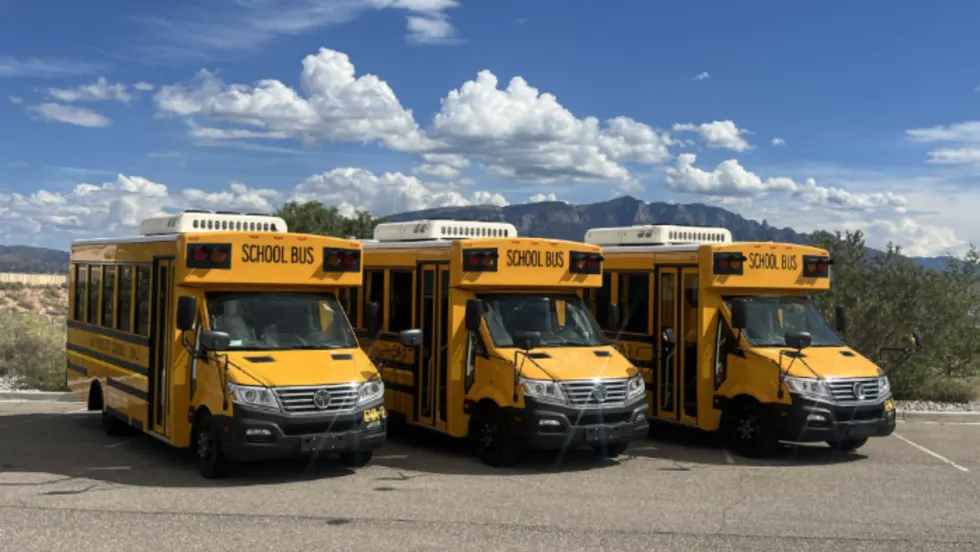
GreenPower Expands New Mexico EV Pilot With Larger Buses, V2G Testing
After logging more than 17,000 electric miles in the first year, New Mexico’s statewide pilot is moving into its second phase with larger vehicles, continued charging evaluations, and more.
Read More →
Can EV-as-a-Service Help Fleets Scale Electrification?
Sustainability Partners CEO Adam Cain explains how matching EVs, charging infrastructure, and duty cycles can help fleets scale electrification.
Read More →
How EV-as-a-Service Is Moving Fleets Beyond Pilots
Adam Cain, president and CEO of Sustainability Partners, explains how EV-as-a-service can help fleets scale deployments by addressing duty-cycle requirements and charging challenges.
Read More →
PowerFlex, The Mobility House Join Forces to Advance Fleet Electrification
Two EV charging providers are joining forces to deliver a broader portfolio of energy management and fleet electrification solutions.
Read More →
Ford Retools Louisville Plant for Fathom Electric Truck Production
Ford's $2 billion Louisville Assembly Plant overhaul introduces a three-part assembly process for the Fathom midsize electric truck, with production scheduled to begin in 2027.
Read More →
Merchants Fleet Reports 290M EV Miles as Fleets Navigate Changing Electrification Market
From millions in operating savings to hundreds of millions of EV miles, Merchants Fleet’s latest report reveals what’s working and what’s changing in fleet electrification.
Read More →
California District Commits to Electrify 25% of School Bus Fleet by 2028
One of the nation's largest school bus electrification projects to date demonstrates how grants, charging infrastructure, and public-private partnerships can help fleets transition to EVs at scale.
Read More →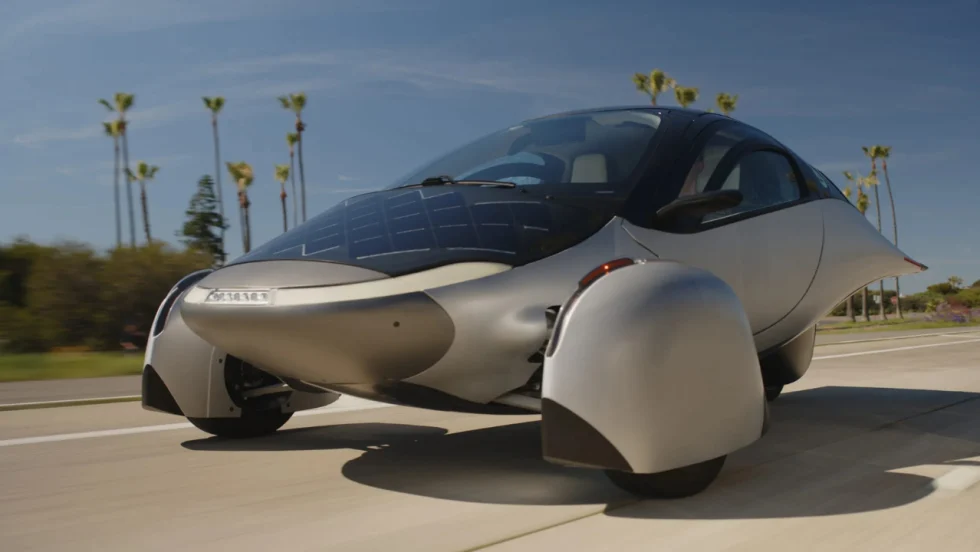
Aptera Orders Bodies and Chassis for Its First 40 Production Vehicles
Aptera Motors Corp. has issued purchase orders for the major structural components of its first 40 vehicles, and body and chassis components are expected to begin arriving in October.
Read More →