


Coca-Cola Bottler Goes Green with Freightliner eCascadia Trucks
Reyes Coca-Cola Bottling's fleet of delivery trucks in Downey, California, will now be joined by these electric vehicles, representing the first zero-emission heavy-duty trucks added to their California fleet.

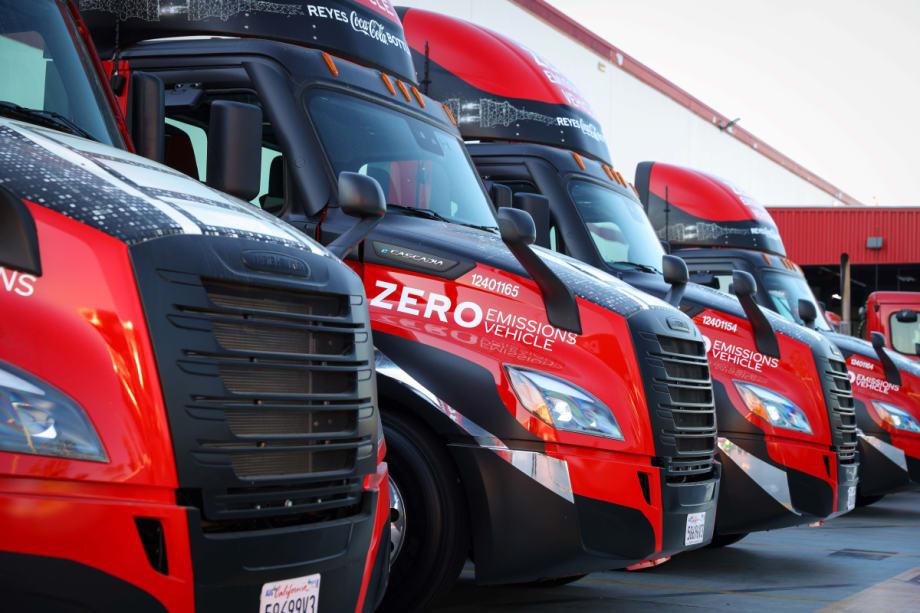
RCCB aims to reduce its carbon emissions by 30% by 2030.
Photo: DTNA
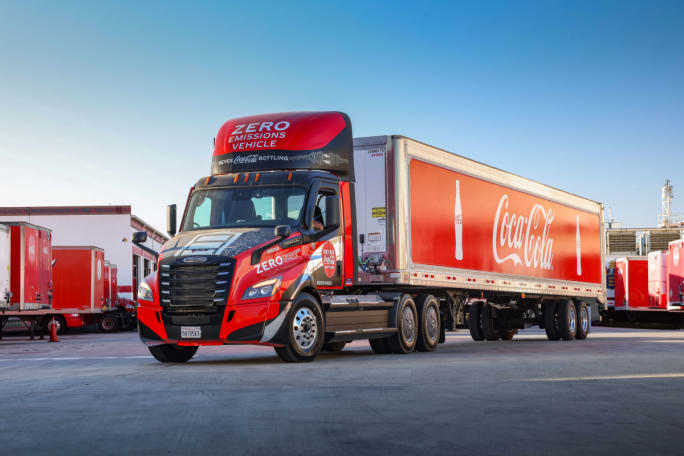
The 20 eCascadias are expected to result in the reduced use of 40,000 gallons of diesel fuel per year and will have tank-to-wheel 100% all-electric operation.
Photo: DTNA
Daimler Truck North America, LLC (DTNA) has delivered 20 zero-emission, battery electric Freightliner eCascadia Class 8 tractors to Reyes Coca-Cola Bottling (RCCB), a bottler and distributor of Coca-Cola brands in the Midwest and West Coast. RCCB's fleet of delivery trucks in Downey, California, will now be joined by these electric vehicles, representing the first zero-emission heavy-duty trucks added to their California fleet.
The eCascadias will rely solely on 20 Detroit eFill commercial charging stations installed at the Downey facility. RCCB also uses the Detroit Charger Management System, a powerful software solution that provides a comprehensive view of their electric fleet. This allows for efficient energy management, ultimately reducing operational costs.
Growing a Sustainable Delivery Fleet
RCCB worked with Detroit eConsulting, a team of eMobility experts dedicated to every step of the electric truck conversion process, to ensure the best possible site design and seamless integration of the eCascadias into their fleet.
DTNA's Senior Vice President of Sales and Marketing, David Carson, said, "Our collaboration with Reyes Coca-Cola Bottling marks a significant milestone in promoting sustainable transportation. The integration of Freightliner eCascadias into RCCB's fleet showcases that business and environmental responsibility can go hand-in-hand, all while fostering innovation and efficiency."
The 20 eCascadias are expected to result in the reduced use of 40,000 gallons of diesel fuel per year and will have tank-to-wheel 100% all-electric operation. These zero-emission heavy-duty tractors are essential to reducing carbon emissions in RCCB's operations.
RCCB aims to reduce its carbon emissions by 30% by 2030.
Reyes Coca-Cola Bottling Vice President of Strategic Infrastructure and Development Tim Heinen said, "We're excited to roll out these 100% electric, zero-emission heavy-duty tractors as we strive toward our goal of reducing our carbon emissions in our operations. Our electric fleet for Downey, which now includes electric semi-trucks and electric customer care vehicles, will serve customers throughout Southern California and build on our commitment to make a positive difference in our communities."
The city of Downey also expressed its support for the move towards a greener, more sustainable future.
Downey Mayor Claudia M. Frometa said, "The increasing use of zero-emission vehicles is a benefit for everyone, which is why we appreciate being chosen as home base for these impressive trucks."
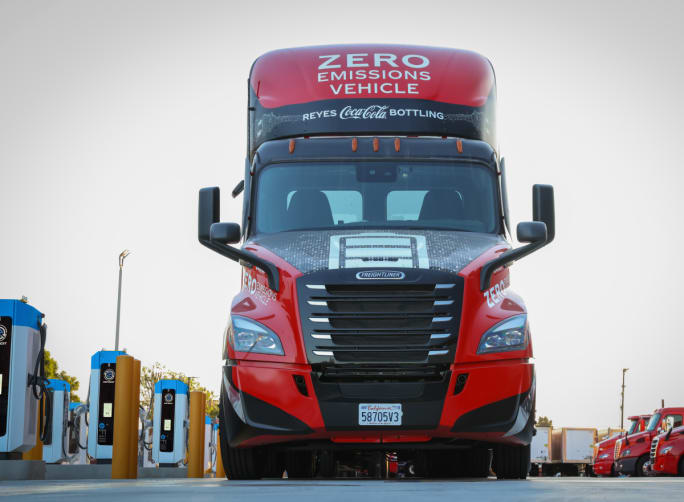
The eCascadia offers various battery and drive axle options, delivering a typical range of 155, 220, or 230 miles, depending on the specific setup.
Photo: DTNA
Powering a Green Future
The Freightliner eCascadias provide optimal productivity for fleets looking to make a change to efficient, zero-emission tractors. Recharging takes as little as two and a half to three hours to reach 80% capacity, fostering enhanced efficiency.
The eCascadia offers various battery and drive axle options, delivering a typical range of 155, 220, or 230 miles, depending on the specific setup. The multiple configurations offered are ideal for short and regional haul routes involving depot-based charging, including last-mile logistics, local and regional distribution, drayage, and warehouse-to-warehouse operations.
Developed in-house and fully integrated, the Detroit ePowertrain prioritizes power, efficiency, and reliability. For enhanced safety on the road, the eCascadia also comes standard with the Detroit Assurance suite of safety systems, including Active Brake Assist 5.
Originally posted on Work Truck Online
More Electric Vehicles
EV Charging Use Is Outpacing Infrastructure Growth
ChargePoint’s 2026 Charging Forward Report points to rising charger use, higher-powered charging, commercial vehicle electrification, and energy-management technology. Here’s what fleets should know.
Read More →
EV Realty Names Henrik Holland President as Charging Platform Expands
The former Prologis Mobility and Shell executive will help expand EV Realty’s truck charging business and move its power-first infrastructure model into autonomous vehicle depots and other fleet sectors.
Read More →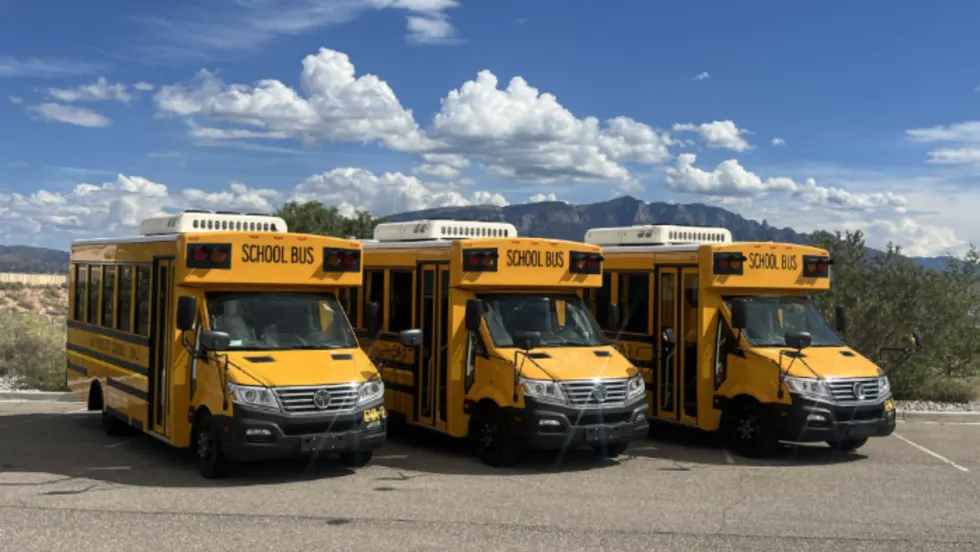
GreenPower Expands New Mexico EV Pilot With Larger Buses, V2G Testing
After logging more than 17,000 electric miles in the first year, New Mexico’s statewide pilot is moving into its second phase with larger vehicles, continued charging evaluations, and more.
Read More →
Can EV-as-a-Service Help Fleets Scale Electrification?
Sustainability Partners CEO Adam Cain explains how matching EVs, charging infrastructure, and duty cycles can help fleets scale electrification.
Read More →
How EV-as-a-Service Is Moving Fleets Beyond Pilots
Adam Cain, president and CEO of Sustainability Partners, explains how EV-as-a-service can help fleets scale deployments by addressing duty-cycle requirements and charging challenges.
Read More →
PowerFlex, The Mobility House Join Forces to Advance Fleet Electrification
Two EV charging providers are joining forces to deliver a broader portfolio of energy management and fleet electrification solutions.
Read More →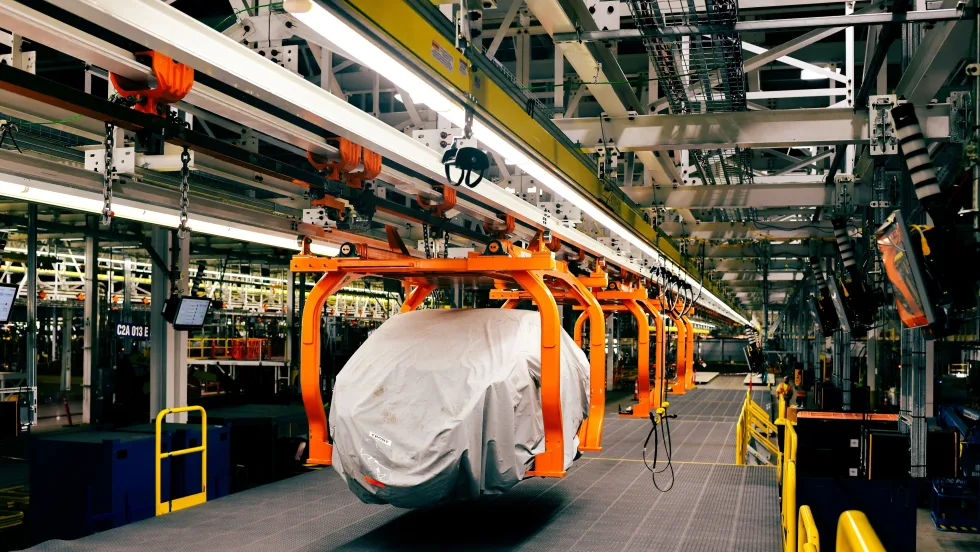
Ford Retools Louisville Plant for Fathom Electric Truck Production
Ford's $2 billion Louisville Assembly Plant overhaul introduces a three-part assembly process for the Fathom midsize electric truck, with production scheduled to begin in 2027.
Read More →
Merchants Fleet Reports 290M EV Miles as Fleets Navigate Changing Electrification Market
From millions in operating savings to hundreds of millions of EV miles, Merchants Fleet’s latest report reveals what’s working and what’s changing in fleet electrification.
Read More →
California District Commits to Electrify 25% of School Bus Fleet by 2028
One of the nation's largest school bus electrification projects to date demonstrates how grants, charging infrastructure, and public-private partnerships can help fleets transition to EVs at scale.
Read More →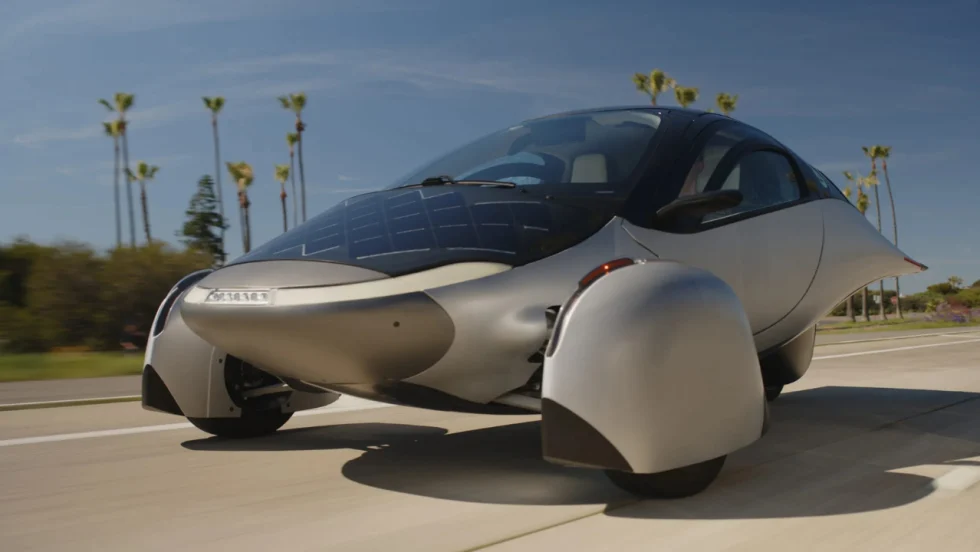
Aptera Orders Bodies and Chassis for Its First 40 Production Vehicles
Aptera Motors Corp. has issued purchase orders for the major structural components of its first 40 vehicles, and body and chassis components are expected to begin arriving in October.
Read More →