


City of Roses Disposal & Recycling Adds Peterbilt 520EV to Fleet
The zero-emissions Model 520EV will provide recycling and waste collection services for the City of Portland and advance its environmental sustainability initiatives.

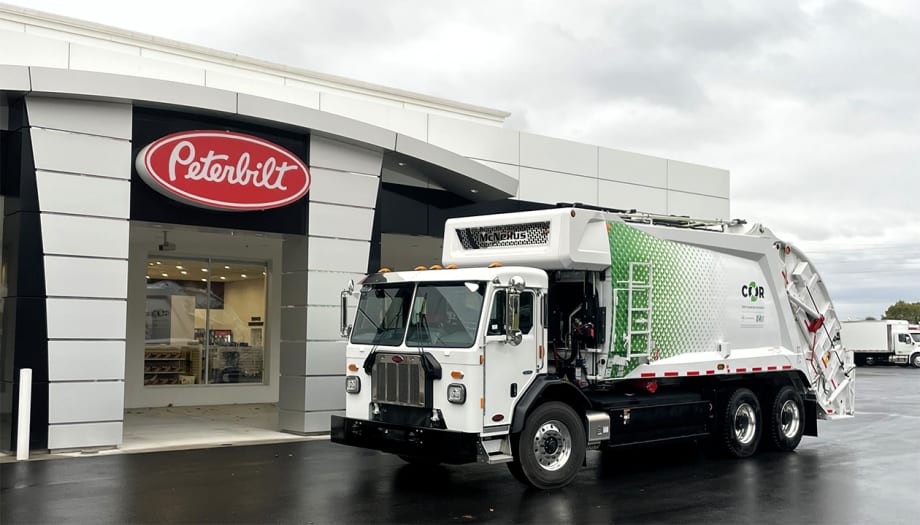
The Model 520EV is equipped with a McNeilus rear loader and can complete a full day of bin collections on a single charge
Photo: Peterbilt
Peterbilt delivered a Model 520EV refuse vehicle to City of Roses (COR) Disposal & Recycling, in Portland, Oregon. The zero-emissions Model 520EV will provide recycling and waste collection services for the City of Portland and advance its environmental sustainability initiatives.
Leaders from COR Disposal & Recycling, Portland General Electric Company, the City of Portland, McNeilus, and Peterbilt recently gathered to reveal the new Model 520EV and celebrate this electrification milestone. Local media had the opportunity to ride along with the emission-free vehicle to experience the Model 520EV’s first pickup in Northwest Portland as part of the public unveiling event.
“This is an exciting opportunity both for COR to receive the State of Oregon’s first EV of its kind, and for us to be able to focus on the underserved community of East Portland to improve air quality and provide workforce development opportunities,” said Alando Simpson CEO of COR Disposal & Recycling.
Powering an Electric Refuse Truck
The Peterbilt Model 520EV is designed as a zero emissions commercial and residential refuse solution. It can handle up to 1,100 trash bins on a single charge.
In addition, the 520EV utilizes regenerative braking, which allows frequent stops to benefit the vehicle. During each stop, the Model 520EV transfers energy into its battery packs, resulting in an extended operating range and reduced brake pad wear.
The Model 520EV is equipped with a McNeilus rear loader and can complete a full day of bin collections on a single charge. It provides extended operating range to Portland's COR Disposal & Recycling in addition to regenerative braking to enhance safety and optimized vehicle performance.
“Peterbilt leads the charge in commercial vehicle electrification and is proud to deliver this Model 520EV to COR Disposal & Recycling,” said Jake Montero, Peterbilt assistant general manager, sales and marketing. “We are committed to supporting our customers as they integrate electric vehicles into their fleet operations.”
Class: 8
GCWR: 66,000 lbs.
Used for: Right-Hand Side Loader and Rear Loader Refuse Collection
Max Horsepower: 670 hp (500kw)
Front Axle & Suspension: 20,000 - 23,000 lbs.
Rear Axle & Suspension: 46,000 lbs.
Est Daily Range: 80 - 120 Miles Per Charge (1,100 Bin Pickups)
Minimum Charge Time: 3 Hours
Peterbilt has a dedicated team available to help identify the best EV configuration for customer operations, locate available incentives and help choose from the wide selection of PACCAR chargers and infrastructure solutions.
Originally posted on Work Truck Online
More Electric Vehicles

EV Charging Use Is Outpacing Infrastructure Growth
ChargePoint’s 2026 Charging Forward Report points to rising charger use, higher-powered charging, commercial vehicle electrification, and energy-management technology. Here’s what fleets should know.
Read More →
EV Realty Names Henrik Holland President as Charging Platform Expands
The former Prologis Mobility and Shell executive will help expand EV Realty’s truck charging business and move its power-first infrastructure model into autonomous vehicle depots and other fleet sectors.
Read More →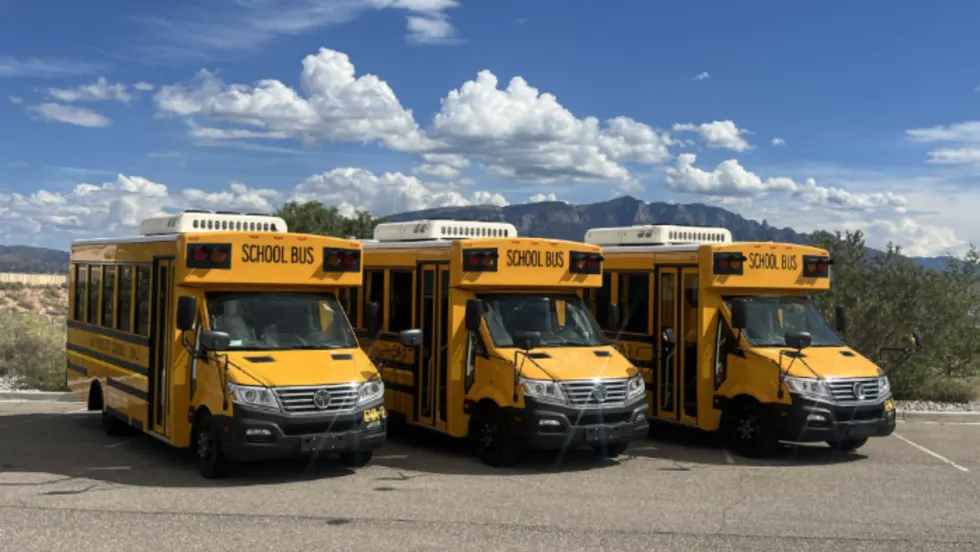
GreenPower Expands New Mexico EV Pilot With Larger Buses, V2G Testing
After logging more than 17,000 electric miles in the first year, New Mexico’s statewide pilot is moving into its second phase with larger vehicles, continued charging evaluations, and more.
Read More →
Can EV-as-a-Service Help Fleets Scale Electrification?
Sustainability Partners CEO Adam Cain explains how matching EVs, charging infrastructure, and duty cycles can help fleets scale electrification.
Read More →
How EV-as-a-Service Is Moving Fleets Beyond Pilots
Adam Cain, president and CEO of Sustainability Partners, explains how EV-as-a-service can help fleets scale deployments by addressing duty-cycle requirements and charging challenges.
Read More →
PowerFlex, The Mobility House Join Forces to Advance Fleet Electrification
Two EV charging providers are joining forces to deliver a broader portfolio of energy management and fleet electrification solutions.
Read More →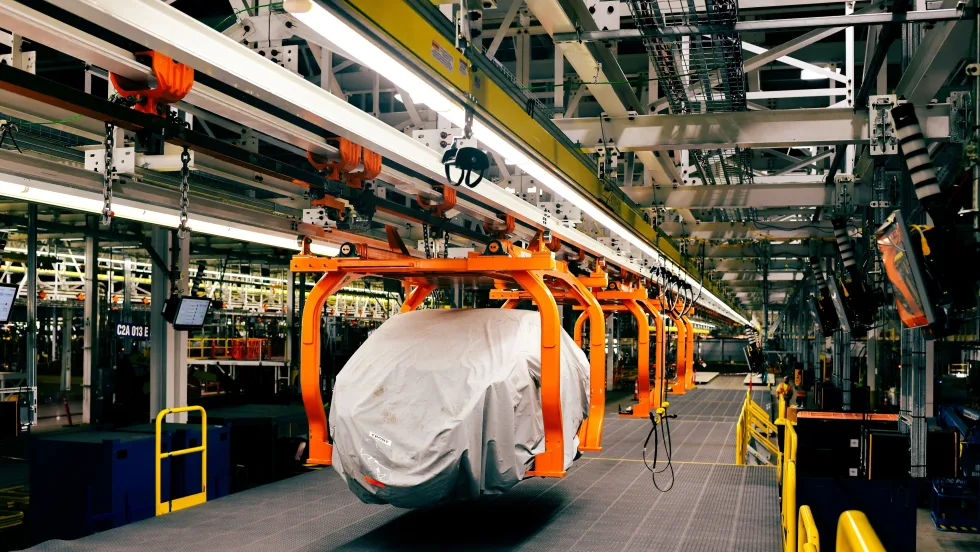
Ford Retools Louisville Plant for Fathom Electric Truck Production
Ford's $2 billion Louisville Assembly Plant overhaul introduces a three-part assembly process for the Fathom midsize electric truck, with production scheduled to begin in 2027.
Read More →
Merchants Fleet Reports 290M EV Miles as Fleets Navigate Changing Electrification Market
From millions in operating savings to hundreds of millions of EV miles, Merchants Fleet’s latest report reveals what’s working and what’s changing in fleet electrification.
Read More →
California District Commits to Electrify 25% of School Bus Fleet by 2028
One of the nation's largest school bus electrification projects to date demonstrates how grants, charging infrastructure, and public-private partnerships can help fleets transition to EVs at scale.
Read More →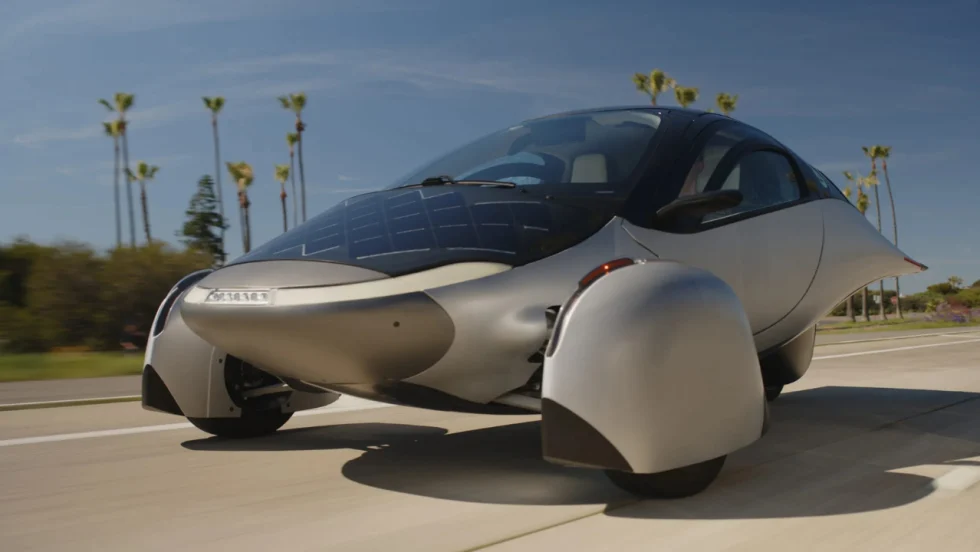
Aptera Orders Bodies and Chassis for Its First 40 Production Vehicles
Aptera Motors Corp. has issued purchase orders for the major structural components of its first 40 vehicles, and body and chassis components are expected to begin arriving in October.
Read More →