



ChargePoint and CBRE Report Shows Increase in Workplace EV Charger Demand
ChargePoint Eliminates EV Charging Connector Confusion with Adaptable Omni Port
Omni Port eliminates the need to carry an adapter for drivers and negates dedicating parking spaces exclusively for a select connector type.
August 14, 2024
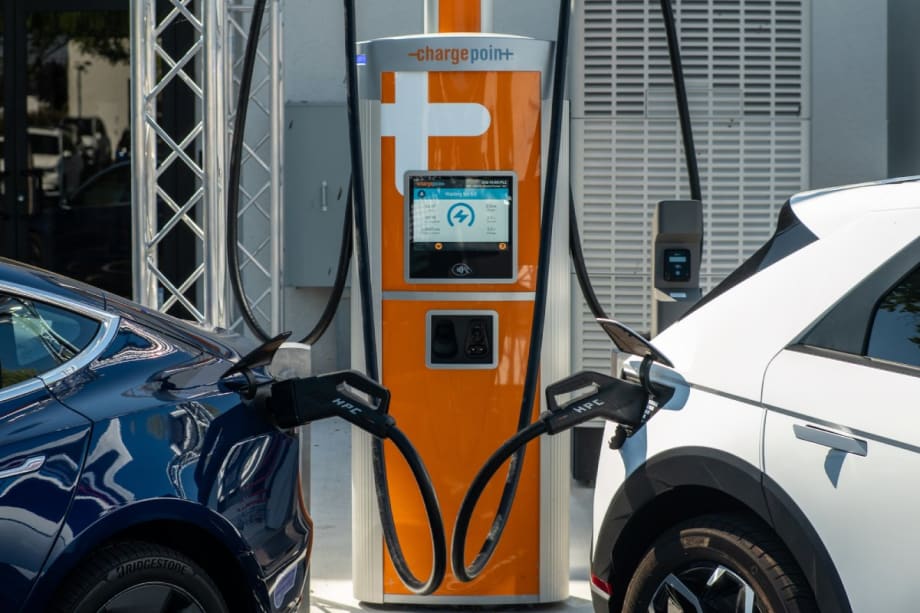
The Omni Port connector provides access to AC and DC charging, allowing drivers of all EV vehicles to charge at the same station by combining the most common connector types into each charging port.
Photo: ChargePoint
3 min to read
ChargePoint has announced ChargePoint Omni Port, an electric vehicle (EV) connector that ensures any EV can charge in any parking space, regardless of its connector type, without an additional cable.
More than 5.5 million EVs are on North American roads, more than half of which are equipped with J1772 or CCS1 charging ports, according to ChargePoint.
Omni Port eliminates the need to carry an adapter for drivers, negates dedicating parking spaces exclusively for a select connector type, and is available at no extra cost as a standard feature of ChargePoint's applicable chargers, making it ideal for fleets that will be operating in a multiple charging connector environment.
The connector provides access to AC and DC charging, allowing drivers of all EV vehicles to charge at the same station by combining the most common connector types into each charging port.
"With Omni Port, ChargePoint solved the challenges associated with a multiple connector environment, ensuring Tesla and non-Tesla drivers can continue to expect a world-class driver experience. We are giving drivers and site hosts assurance that ChargePoint will continue to meet all their charging needs now and in the future," Rick Wilmer, CEO of ChargePoint, said.
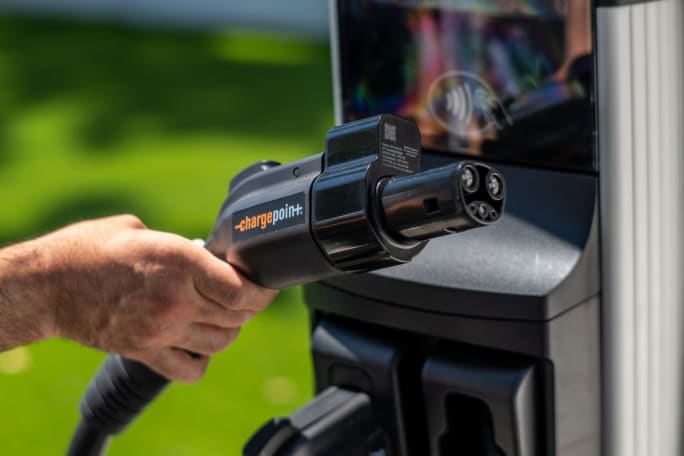
Drivers can expect a digitally supported charging experience when using Omni Port by entering their vehicle's make and model into the ChargePoint app, tapping to charge, and allowing the charging station to release the correct connector type automatically.
Photo: ChargePoint
Exploring Omni Port's Adaptable EV Charging and Compatibility
Omni Port is built into ChargePoint AC and DC charging architecture featuring cable management that reaches a charge port regardless of its location on the vehicle. Additionally, Omni Port enables full support for vehicles with 800V architecture to produce maximum charging speeds for sustained periods.
Omni Port public charging ports are designed to support vehicles already on the road and EVs coming to market. Drivers can expect a digitally supported charging experience when using Omni Port by entering their vehicle's make and model into the ChargePoint app, tapping to charge, and allowing the charging station to release the correct connector type automatically. For fleets and drivers who do not use the ChargePoint app, a driver would select the proper connector on the charger screen.
Although fleets have multiple payment options available when using public charging, there is no need to download any dedicated app for credit card payments when using Omni Port.
"[Fleets] can choose to tap to charge just as a typical EV driver would do or opt for a more integrated solution that streamlines backend operations and increases a fleet operator's visibility and control. ChargePoint software also integrates with leading fuel card providers like WEX to enable seamless charging for fleets, delivering a single payment solution for an entire fleet," AJ Gosselin, Director of Corporate Communications at ChargePoint, said.
In addition to the availability of new chargers, Omni Port will begin shipping by the end of the year and can be retrofitted onto ChargePoint CP6000 and Express Plus Power Link 2000 models. ChargePoint allows station owners to upgrade instead of replacing their chargers, swapping minimal components as quickly as possible.
Originally posted on Automotive Fleet
More Charging
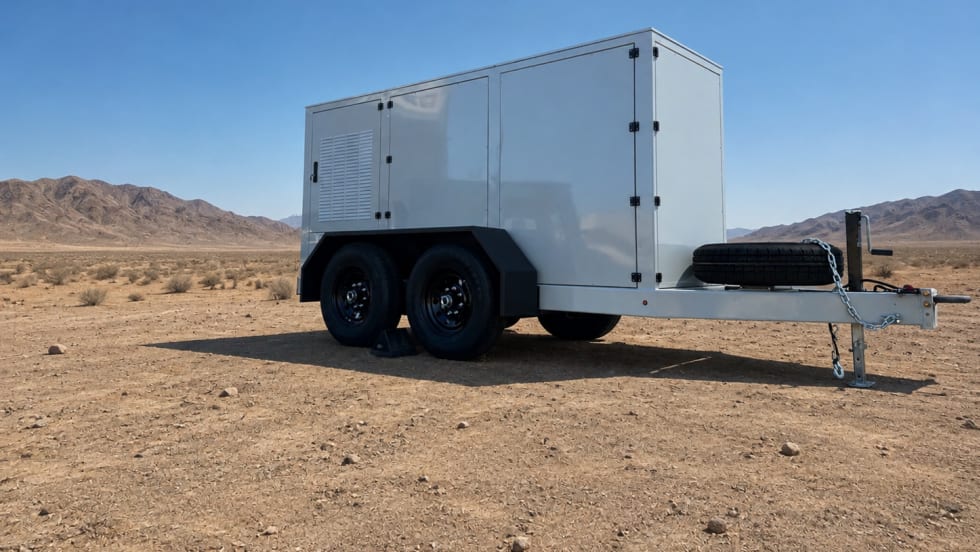
Xos Mobile Charging Hub Surpasses 1 GWh of Energy Delivered
As fleets electrify, charging capacity does not always arrive on the same timeline as the vehicles. Operating data from one Xos Hub shows how mobile, grid-independent charging can support vehicles when permanent infrastructure or utility upgrades aren't available.
Read More →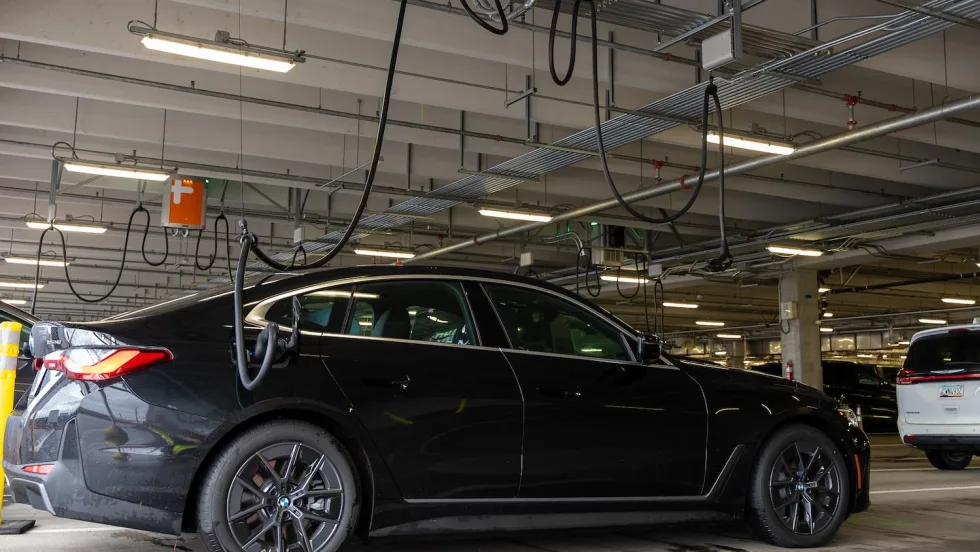
ChargePoint Adds Overhead EV Fast Charging at Portland International Airport
The installation can charge up to 20 rental vehicles simultaneously and uses overhead equipment to preserve ground-level space at the airport's Quick Turnaround Facility.
Read More →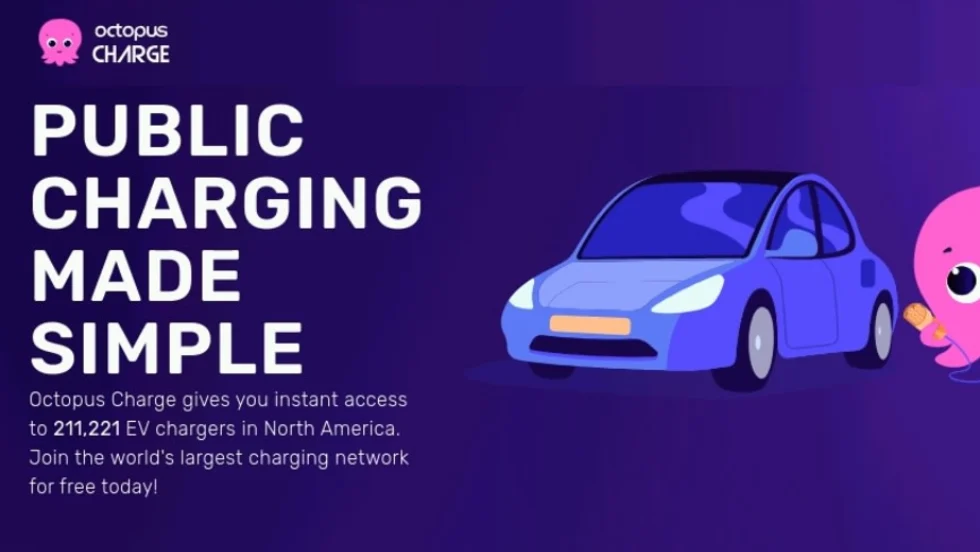
Octopus Energy Launches Public EV Charging App in U.S.
Octopus Charge allows EV drivers to locate and access public charging stations through a single app, building on the company's Electroverse platform in Europe.
Read More →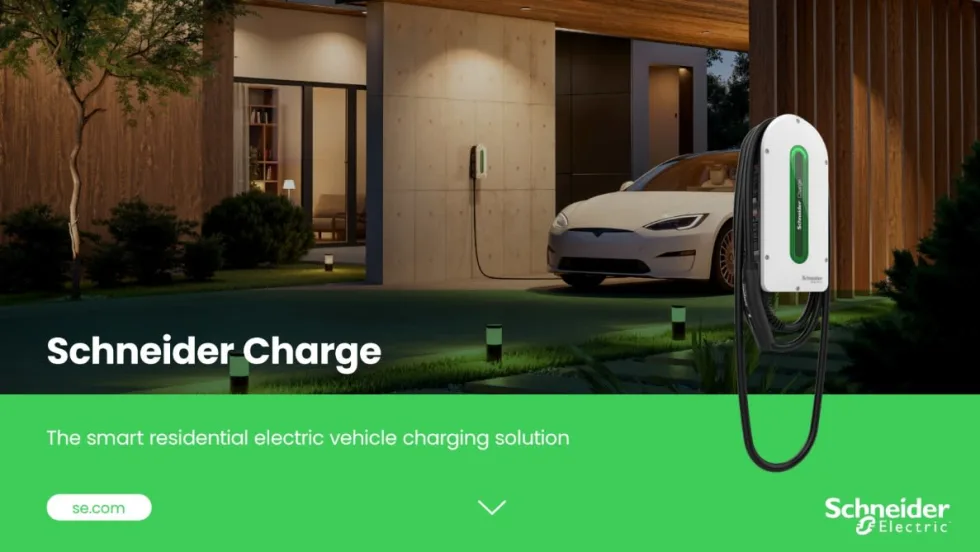
Schneider Electric Launches Level 2 Home EV Charger With Integrated Load Management
Schneider Charge uses integrated SmartAmp technology to adjust charging output based on household electrical demand and is available with NACS or J1772 connectors.
Read More →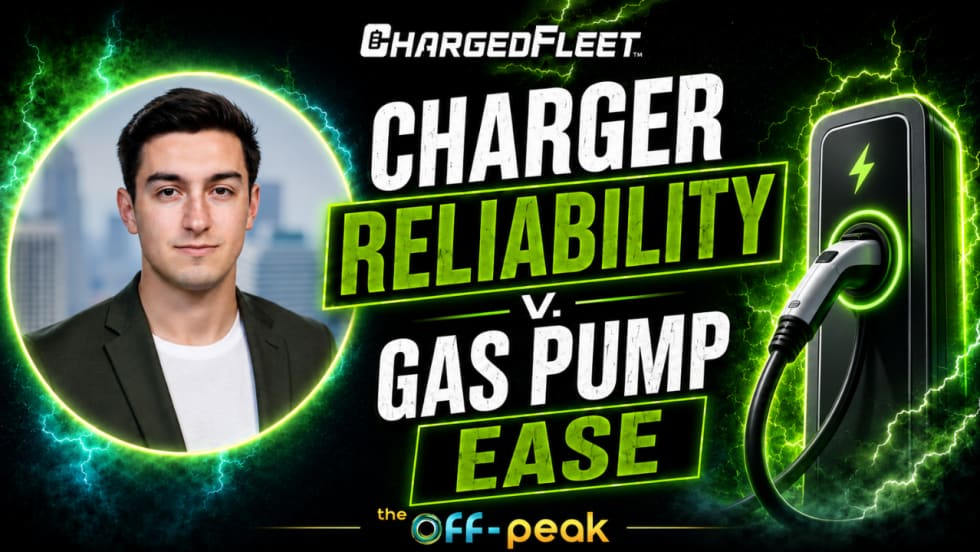
Why EV Charging Reliability Is More Complicated Than It Looks
GridLink CEO Josh Silets explains what causes EV chargers to fail, why fleet operators often struggle to identify the source, and what questions they should ask charging vendors.
Read More →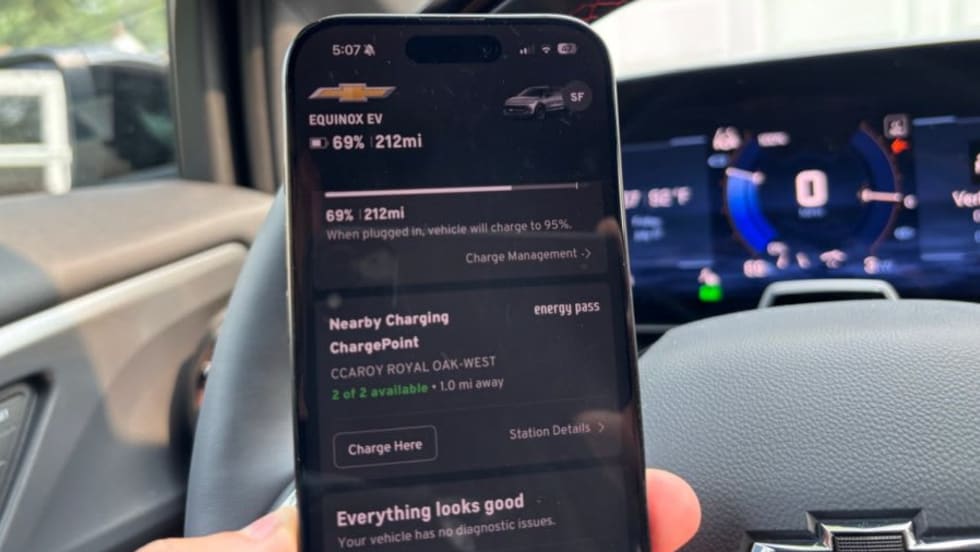
GM Adds ChargePoint Network to Energy Pass Platform
The integration gives GM EV drivers access to additional DC fast chargers and Level 2 stations through a single app while expanding the automaker's public charging ecosystem.
Read More →
Xos White Paper Asserts LA Olympics Will Lack Enough EV Chargers
The commercial EV fleet company recommends some faster and more flexible remedies to relieve the anticipated shortfall.
Read More →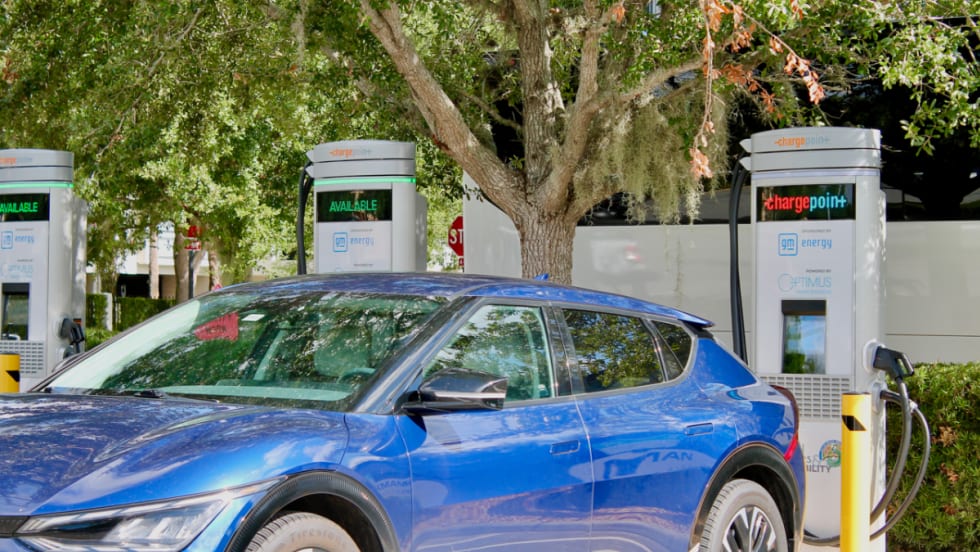
ChargePoint, Optimus Expand Fast-Charging Network Across Southeastern U.S.
ChargePoint will serve as the exclusive solutions provider, delivering hardware, software, and services to support Optimus’ growing charging network.
Read More →
Running A Profitable Electric Rental Fleet
How do you successfully operate an all-electric rental car fleet? Whether you manage a rental fleet or another commercial fleet, this conversation offers practical lessons on deploying, operating, and scaling electric vehicles.
Read More →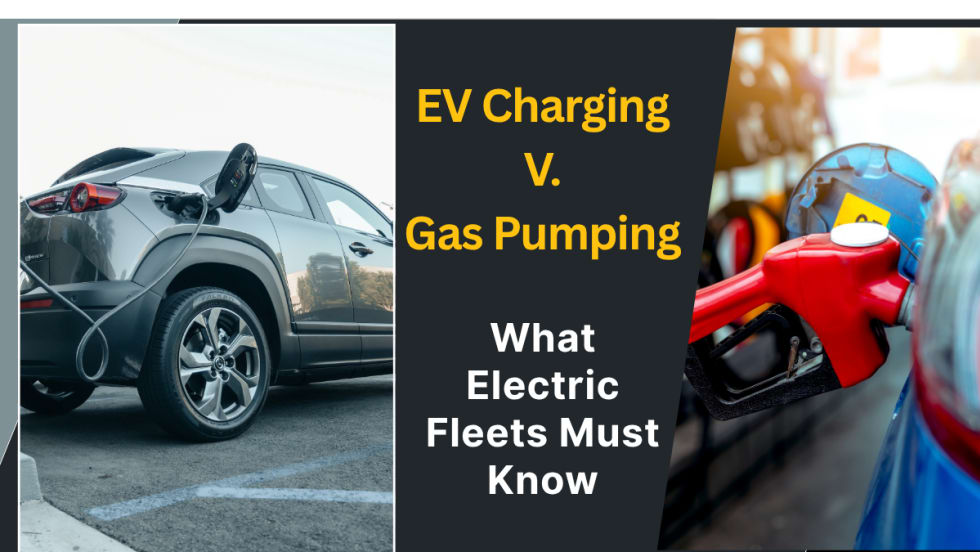
Why Charging May Never Be As Easy As Filling Up Gas
A seamless charge depends on a string of independent companies getting it right together, every time. How can electric fleets navigate the challenges to create a successful charging plan?
Read More →