



Related News:U.S. EV Sales Signal Deepening Downturn
BYD EV Sales Unseat Top-Ranked Tesla In 2025
The China-based electric- and hybrid-vehicle manufacturer dethroned Tesla for the first time as the world's leading seller of electric vehicles.
January 9, 2026
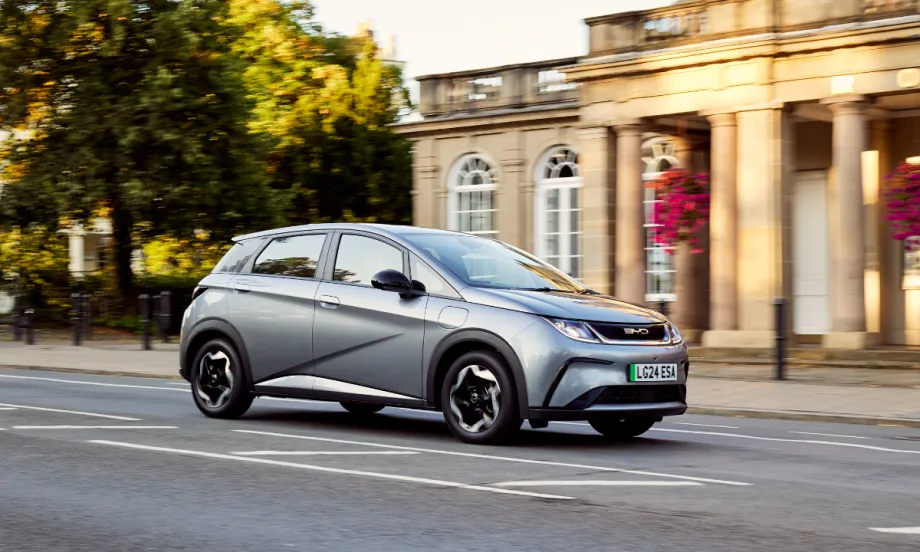
Among its lineup, BYD offers the popular all-electric subcompact hatchback, the Dolphin, which delivers 211-265 miles of range on its larger battery versions.
Photo: BYD
2 min to read
Sales of BYD electric vehicles closed out 2025, reaching a new benchmark: It surpassed market leader Tesla in overall EV sales.
The OEM sold 2.26 million pure electric vehicles last year, which comprised just under half of all the 4.6 million vehicles it sold when counting plug-in hybrid electric vehicles (PHEVs), according to the company’s official Hong Kong Exchanges and Clear Limited (HKEX) filings.
Meanwhile, Tesla reported a second consecutive year of declining pure-electric vehicle sales, which fell 8.6% to 1.64 million, marking the largest annual drop in the company’s history, according to company filings and news releases. Total production stood slightly higher at 1.65 million, down 5.5% from 2024.
BYD electric cars are not available in the U.S., although it sells heavy-duty electric trucks and buses. while China is Tesla’s second-largest market.
The overriding reasons for Shenzhen, China-based BYD’s first-place finish were that BYD combined low-cost manufacturing, a large China-based presence, and a much broader product lineup that drove exports, while Tesla’s deliveries declined and it lost market share in Europe/China, according to media reports.
BYD’s lower-priced EVs expanded affordability in the mid-priced EV segment, driving higher demand, according to Barron’s. Counterpoint Research credits BYD’s vertically integrated supply chain, which enables competitive pricing and more production efficiency.
Meanwhile, Tesla heavily lost market share in Europe, where sales fell 48% in Germany but BYD increased and exceeded market share, Reuters reported.
Tesla also faced high-profile product issues and recalls with its Cybertruck and other models, while founder and CEO Elon Musk became embroiled in highly controversial political matters in the U.S., according to media reports.
More Electric Vehicles
EV Charging Use Is Outpacing Infrastructure Growth
ChargePoint’s 2026 Charging Forward Report points to rising charger use, higher-powered charging, commercial vehicle electrification, and energy-management technology. Here’s what fleets should know.
Read More →
EV Realty Names Henrik Holland President as Charging Platform Expands
The former Prologis Mobility and Shell executive will help expand EV Realty’s truck charging business and move its power-first infrastructure model into autonomous vehicle depots and other fleet sectors.
Read More →
GreenPower Expands New Mexico EV Pilot With Larger Buses, V2G Testing
After logging more than 17,000 electric miles in the first year, New Mexico’s statewide pilot is moving into its second phase with larger vehicles, continued charging evaluations, and more.
Read More →
Can EV-as-a-Service Help Fleets Scale Electrification?
Sustainability Partners CEO Adam Cain explains how matching EVs, charging infrastructure, and duty cycles can help fleets scale electrification.
Read More →
How EV-as-a-Service Is Moving Fleets Beyond Pilots
Adam Cain, president and CEO of Sustainability Partners, explains how EV-as-a-service can help fleets scale deployments by addressing duty-cycle requirements and charging challenges.
Read More →
PowerFlex, The Mobility House Join Forces to Advance Fleet Electrification
Two EV charging providers are joining forces to deliver a broader portfolio of energy management and fleet electrification solutions.
Read More →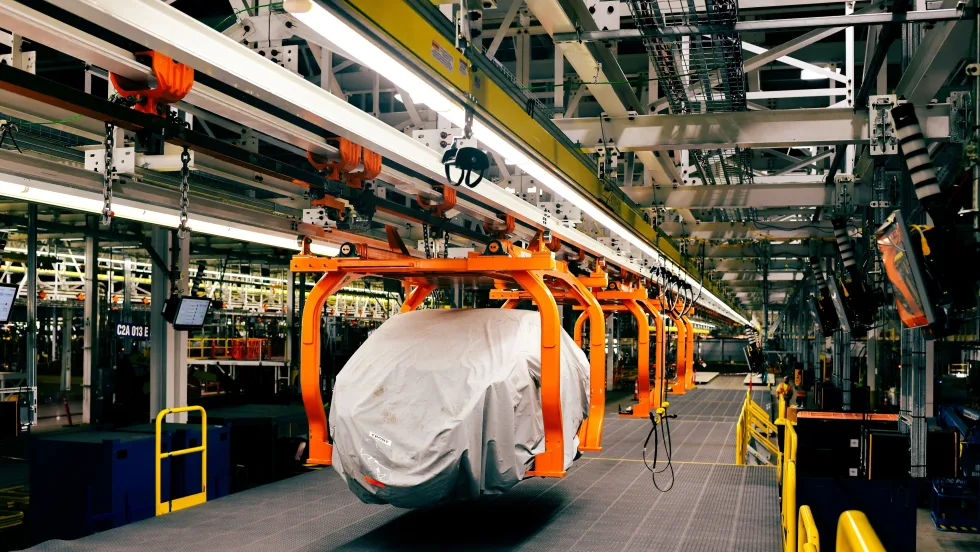
Ford Retools Louisville Plant for Fathom Electric Truck Production
Ford's $2 billion Louisville Assembly Plant overhaul introduces a three-part assembly process for the Fathom midsize electric truck, with production scheduled to begin in 2027.
Read More →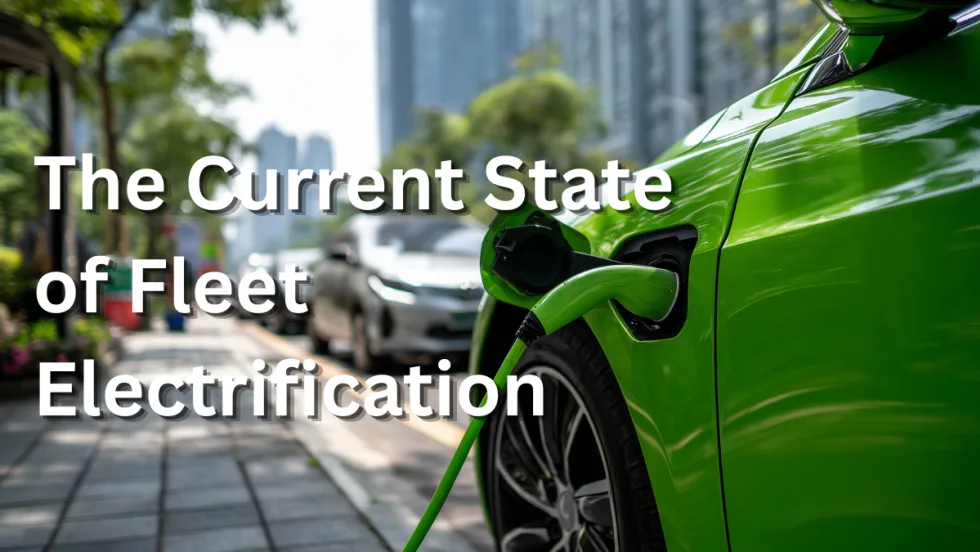
Merchants Fleet Reports 290M EV Miles as Fleets Navigate Changing Electrification Market
From millions in operating savings to hundreds of millions of EV miles, Merchants Fleet’s latest report reveals what’s working and what’s changing in fleet electrification.
Read More →
California District Commits to Electrify 25% of School Bus Fleet by 2028
One of the nation's largest school bus electrification projects to date demonstrates how grants, charging infrastructure, and public-private partnerships can help fleets transition to EVs at scale.
Read More →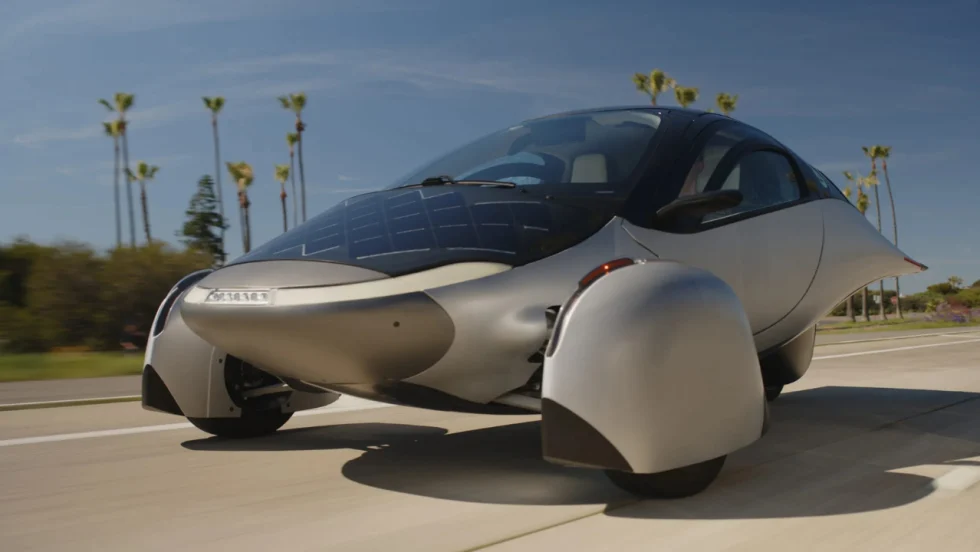
Aptera Orders Bodies and Chassis for Its First 40 Production Vehicles
Aptera Motors Corp. has issued purchase orders for the major structural components of its first 40 vehicles, and body and chassis components are expected to begin arriving in October.
Read More →