


ZAP Xebra Electric Trucks Deliver in Urban Settings
The ultra-compact Xebra trucks allow the Coca-Cola Company, Domino’s Pizza, and UPS to get closer to customers while saving fuel and helping the environment.


The Xebra trucks are fitted with a lockable cargo box for the Coca-Cola delivery service.
Photo: Zap
The Coca-Cola Company and alternative transportation pioneer ZAP announced a project to use 30 Zap Xebra compact electric trucks for a new beverage distribution system in Montevideo, Uruguay.
Coca-Cola recently announced a pledge to the environment as part of its policy of corporate social responsibility. The beverage company will focus on three areas of great impact: water use, packaging, and energy use and climate protection. Jorge Apesetche, distribution manager for Monresa (Uruguay) says the project with ZAP is the kind of initiative Coca-Cola wants to make to do its part in good environmental policy.
New Distribution Model Created
As cities become more and more congested, making door-to-door deliveries becomes more difficult. Parking is more difficult, especially in older cities that do not have service alleys to keep delivery vehicles out of street traffic. And the alternative, double-parking, simply magnifies the problem.
Around the world, rising fuel prices, traffic congestion, pollution, and parking shortages restrict the use of large delivery trucks. Coca-Cola officials say the new distribution model using the Zap electric trucks averages about 20 percent of the fuel consumption of the former model.
Coca-Cola subsidiary Monresa has received its initial order of 30 ZAP Xebras and is now placing them into service to deliver beverages throughout Montevideo, the capital of Uruguay. The Xebras will be incorporated into a mobile distribution hub model where larger delivery trucks will no longer be used throughout the city, but will transfer beverages into ZAP trucks at distribution hubs.
Modified with enclosed, lockable cargo boxes, the ZAP Xebras can easily navigate narrower, inner-city streets, making deliveries to smaller retail locations. Because the ZAP trucks operate more easily in this environment, officials from Coca-Cola say their drivers can deliver goods and collect payment at the same time, whereas collections were not practical when using the larger trucks.
UPS Uses a Similar Model
Coca-Cola’s new distribution model is similar to the one set up recently by United Parcel Service (UPS) in Northern California. A fleet of 42 ZAP trucks and sedans were used to expand small parcel deliveries during peak holiday demand. After UPS delivery vans transfer smaller packages to a locked storage unit, a Xebra transports the packages into dense urban and residential areas where parking and traffic are easier for the smaller vehicles.
Originally posted on Work Truck Online
More Vehicle Research
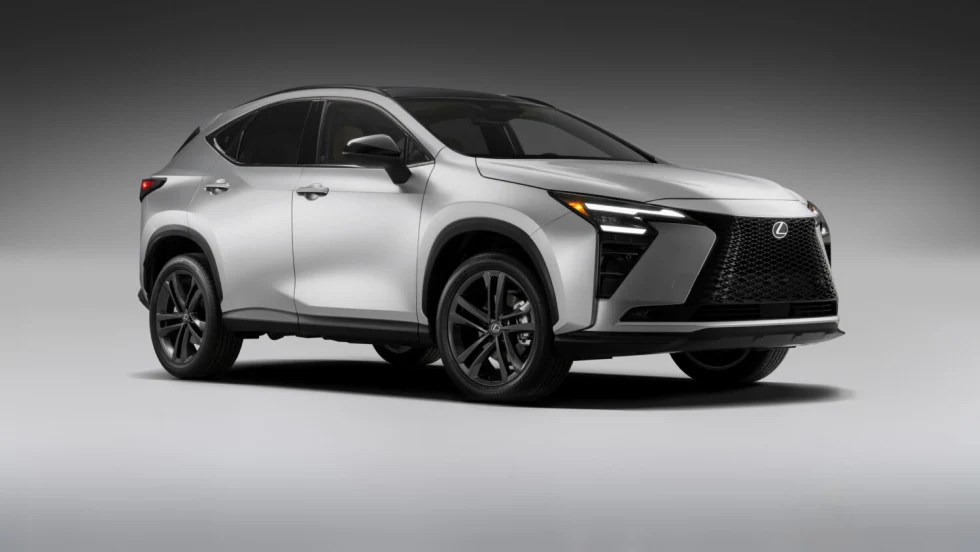
2027 Lexus NX Moves to Fully Electrified Lineup
For 2027, the NX moves to an entirely electrified lineup, with either hybrid or plug-in hybrid powertrains.
Read More →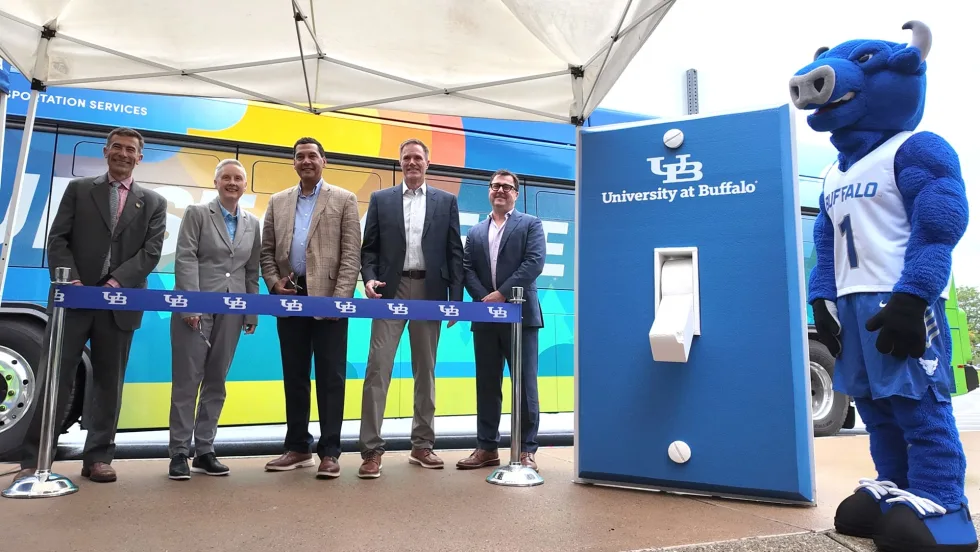
2027 Mitsubishi Eclipse Sportback Named Green SUV of the Year
Green Car Journal recognized Mitsubishi’s new battery-electric crossover, which offers NACS compatibility and DC fast charging at up to 150 kW.
Read More →
Dave Carroll Named President of Ford Energy
Carroll succeeds Lisa Drake, who will remain with Ford through Dec. 31 to support the leadership transition.
Read More →
City of Long Beach Named No. 1 Green Fleet of 2026
NAFA's 2026 Green Fleet Awards recognized fleets for sustainability efforts spanning alternative fuels, technology, facilities, workplace culture and fleet operations.
Read More →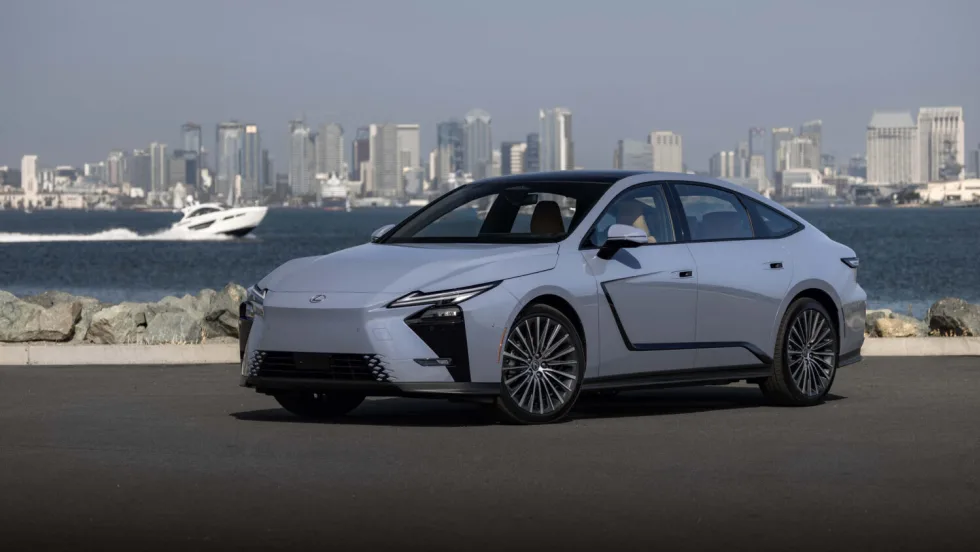
2027 Lexus ES Adds First Battery-Electric Models
The ES 350e and ES 500e join the hybrid ES lineup with up to 338 hp, an EPA-estimated 307 miles of range and standard NACS charging capability.
Read More →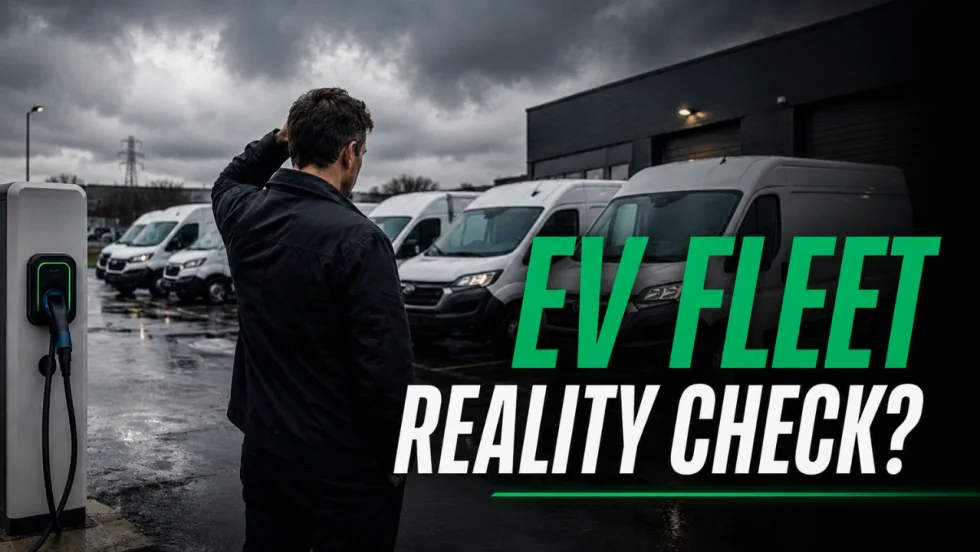
EV Fleet Reality Check: What Operators Wish They Knew Before Electrifying Their Work Vans
Electric work truck upfits bring new compatibility questions. Learn how parts availability, OEM guidance, power demands, and route planning can affect fleet performance.
Read More →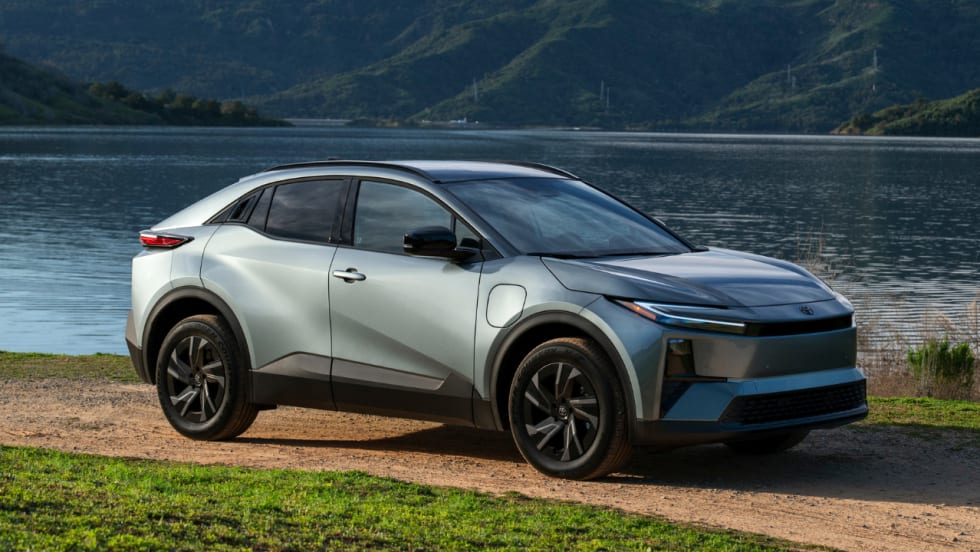
2027 Toyota C-HR Offers 287-Mile Range and Standard AWD
Toyota’s 2027 C-HR brings 287 miles of estimated range, standard all-wheel drive, and NACS fast-charging capability to the compact EV market. See what its mix of performance, cargo space, and everyday technology could offer business users.
Read More →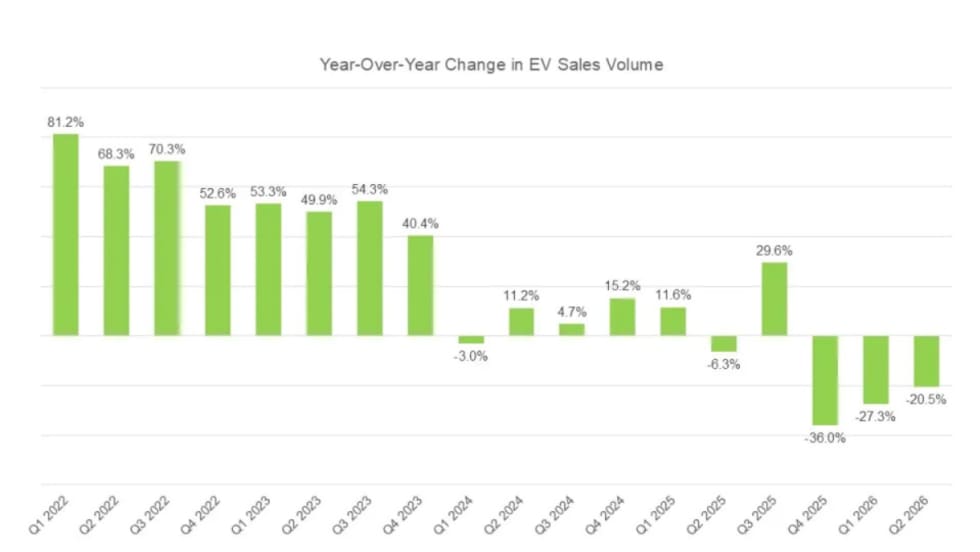
New Vehicle Models Stabilize Electrified Market In Q2
But more credit goes to hybrids than to all-electric vehicles, as more buyers look for fuel-efficient alternatives amid high gas prices.
Read More →
Slate Debuts Colorful, Unique EV Models
A recent media and client event, studded with electric vehicles dressed up on platforms, planted a new position for the manufacturer in the wider EV market. Fleets will find cost-saving advantages.
Read More →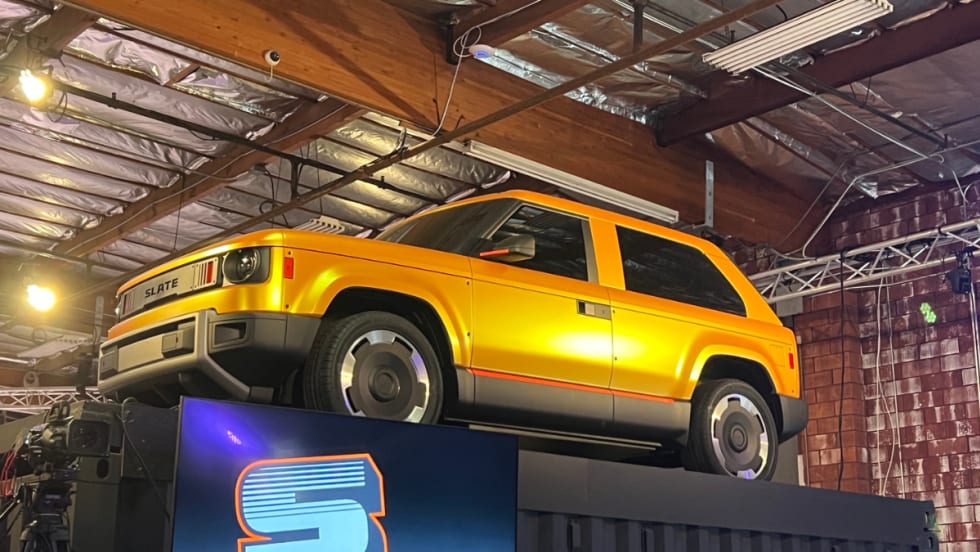
Slate Electric SUV, Pickup Switchable Model Aims For Light-Duty Fleets
Everything about this EV is counterintuitive and understated, making it stand out from the crowd.
Read More →