


John F. Possumato is a consultant, author and speaker in the automotive industry, and founder and CEO of Driveitaway Inc, which provides a turnkey cloud platform/consumer app enabling dealers to offer new mobility solutions, including subscription-to-purchase options for EV buyers.
Why Subscription Models May be First Step to EV Adoption
In the middle of historic changes, are subscriptions and car sharing the path for mass electric vehicle adoption?
by John Possumato
December 2, 2022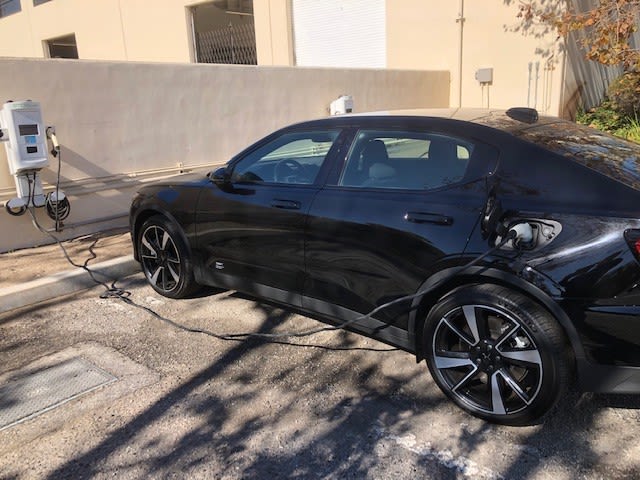
The rapid push to electric vehicles might give a major incentive for a change in vehicle usage/platform to usher in mass electric vehicle adoption, such as EV subscription services that could spur more usage.
Photo: Martin Romjue / Bobit
4 min to read
As a long-time “car guy,” or “fleet car guy,” whose subscription to Automotive Fleet began in 1986 (longer…gulp…probably, than many readers of this have been alive), I couldn’t help but think about the historic change happening in vehicle propulsion systems, and how this may at first foster a new approach to vehicle “acquisition” and disposal.
While I don’t go as far back as when the first open-end fleet lease became the finance program of choice for many business cases, I do remember when consumer closed-end leases were a new financial instrument to gain vehicle sales traction for wider reach and affordability for a broader audience.
It took a while, but up until the unprecedented demand/supply imbalance and shortage, leases became a large percentage of the car “sales” market, particularly for all luxury and premium luxury vehicles. All it took was a little time for visibility and education at the retailer level and to the target audience, which companies like Half a Car provided. It’s no exaggeration to say that leasing changed traditional automotive retailing.
Now the rapid push to electric vehicles might give a major incentive for a change in vehicle usage/platform to usher in mass electric vehicle adoption. As the open-end lease fit perfectly with many fleet users’ needs, and the retail closed-end lease made all new vehicles more affordable and opened this sector up to a wider retail audience, so too now may fleet “subscriptions” spur more usage.
Addressing Barriers to Fleet Electrification
The fact is there are additional barriers beyond the increased cost that need to be addressed for potential retail and fleet EV adopters. First, there is “suitability,” “range anxiety” or whatever term you want to use. Put directly, the questions are: Will it work for me, or my fleet, or am I making a big mistake? And for fleets, what will the vehicle be worth when it’s time to remarket?
Subscription or subscription-to-ownership model may work as a bridge until all the immediate issues are answered, while alleviating the financial commitment of a purchase or an open or closed lease, receiving the benefits of driving an EV (reduced fuel and maintenance costs), following corporate mandates to “go green,” and providing an inclusive pay-as-you-go car sharing.
A person or institution immediately incorporates this more expensive mode of transportation — EVs cost about 20% more than ICE vehicles — for an unlimited time before taking on any financial commitment of any ownership or resale value risk.
In addition to the suitability and range anxiety issues, commercial fleets must acknowledge the virtually unknown residual value risk when it’s time to turn over an EV unit. While resale values of premium luxury EVs, such as Tesla models, look very good now, as do most all used electric and ICE vehicles, is this just a factor of the massive vehicle shortage that has driven the price of all remarketed units sky high? What happens when the depreciation curves back down to more normal parameters, as it eventually will? Then where will EV values with various levels of battery degradation end up?
The big variable to remember here is that a program for mass EV adoption, which hangs on battery health, has many inhibitors: increased cost, suitability, and the potential to become obsolete as the propulsion technology changes far more quickly than those of ICE units. If the comparison of vehicle life today mimics other battery and technology-focused durable goods (phones, laptops), is the average three-year holding time for fleet vehicles way too long or too short for optimal resale?
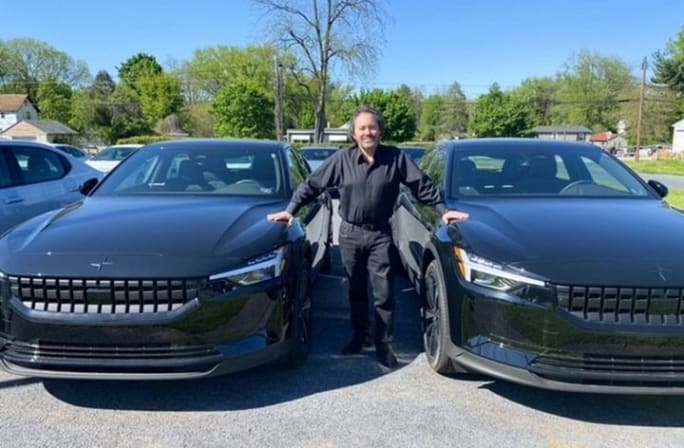
DriveItAway CEO John Possumato suggests vehicle subscription or subscription-to-ownership models may act as a bridge to EV adoption until concerns and challenges to electrification are fully addressed.
Photo: DriveItAway
The fact that there is no historic remarketing data or value precedent leads to increased risk, which naturally deters adoption — unless a “Vehicle as a Service” subscription type program is available to optimize the risk/usage timing.
In sum, while “only pay for the portion you use” was the consumer mantra that led to the massive growth of leasing on the retail side of the business when first introduced, the clarion call for car sharing, subscriptions, and subscription-to-ownership models as today’s new form of “ownership” for EVs might fulfill all of your corporate mandates and get all the benefits of driving an EV. And you can test it out before you financially commit.
There will undoubtedly come a time when EVs carry no price premium to ICE units, “range anxiety” is a thing of the past, charging stations are everywhere, and resale and remarketing values can be predicted within a narrow range for EVs. That time is clearly not now, so the electric vehicle market calls for new programs for immediate adoption, or the growth curve might be much lower than most predict or desire.
Subscribe to Our Newsletter
More Electric Vehicles

EV Charging Use Is Outpacing Infrastructure Growth
ChargePoint’s 2026 Charging Forward Report points to rising charger use, higher-powered charging, commercial vehicle electrification, and energy-management technology. Here’s what fleets should know.
Read More →
EV Realty Names Henrik Holland President as Charging Platform Expands
The former Prologis Mobility and Shell executive will help expand EV Realty’s truck charging business and move its power-first infrastructure model into autonomous vehicle depots and other fleet sectors.
Read More →
GreenPower Expands New Mexico EV Pilot With Larger Buses, V2G Testing
After logging more than 17,000 electric miles in the first year, New Mexico’s statewide pilot is moving into its second phase with larger vehicles, continued charging evaluations, and more.
Read More →
Can EV-as-a-Service Help Fleets Scale Electrification?
Sustainability Partners CEO Adam Cain explains how matching EVs, charging infrastructure, and duty cycles can help fleets scale electrification.
Read More →
How EV-as-a-Service Is Moving Fleets Beyond Pilots
Adam Cain, president and CEO of Sustainability Partners, explains how EV-as-a-service can help fleets scale deployments by addressing duty-cycle requirements and charging challenges.
Read More →
PowerFlex, The Mobility House Join Forces to Advance Fleet Electrification
Two EV charging providers are joining forces to deliver a broader portfolio of energy management and fleet electrification solutions.
Read More →
Ford Retools Louisville Plant for Fathom Electric Truck Production
Ford's $2 billion Louisville Assembly Plant overhaul introduces a three-part assembly process for the Fathom midsize electric truck, with production scheduled to begin in 2027.
Read More →
Merchants Fleet Reports 290M EV Miles as Fleets Navigate Changing Electrification Market
From millions in operating savings to hundreds of millions of EV miles, Merchants Fleet’s latest report reveals what’s working and what’s changing in fleet electrification.
Read More →
California District Commits to Electrify 25% of School Bus Fleet by 2028
One of the nation's largest school bus electrification projects to date demonstrates how grants, charging infrastructure, and public-private partnerships can help fleets transition to EVs at scale.
Read More →
Aptera Orders Bodies and Chassis for Its First 40 Production Vehicles
Aptera Motors Corp. has issued purchase orders for the major structural components of its first 40 vehicles, and body and chassis components are expected to begin arriving in October.
Read More →