


Related: First Free DC Fast Charging Station to Open in Conn.
What Will Fuel Stations Look Like in the Future?
In the “Petrol Station of the Future” study, German fuel retailer Aral and the Institute for Transport Research of the German Aerospace Center (DLR) examined mobility trends and envisioned a plan for city fuel stations in 2040.
by Staff
November 10, 2019
Aral’s concept for a city fuel station in 2040.
Photo courtesy of Aral.
3 min to read
In the “Petrol Station of the Future” study, German fuel retailer Aral and the Institute for Transport Research of the German Aerospace Center (DLR) investigated how driving performance, vehicle fleets, and their types of propulsion and mobility behavior in Germany will change in 2040.
Additionally, the study looked at the role fueling stations will play in the future. City fueling stations will experience a transformation with the addition of new services for autonomous vehicle fleets, air taxis, and a growing number of electric cars. Experts looked at four types of environments: the big city, the rural area, the urban district, and the motorway.
The need for mobility will grow, according to the study. In 2040, DLR predicts the Germans will travel around 900 billion kilometers per year by car and commercial vehicle – an increase by around 24% compared with 2010.
According to the study, commercial vehicles will double their mileage by 2040 (around 200 billion kilometers) due to the growing e-commerce business and the increasing mileage of freight traffic (more than 87%). Private car traffic is the only segment that will decrease (5%).
In 2040, more passenger vehicles will be powered by hybrid systems. Gasoline and diesel hybrids will make up the largest share of total car ownership at 68% while plug-in hybrids will increase by 28%. Diesel or petrol-powered vehicles will account for two-thirds of the total vehicles. Additionally, electrification will continue to grow with 1.3 million electric vehicles expected to be on German roads.
For filling stations, the three classic pillars (fuel, shop, and car wash) will remain, but they will adjust to technological advances and changing customers’ needs.
“The filling station will certainly continue to play an important role in our mobility in the future,” said Barbara Lenz, director of the DLR Institute for Transport Research. “With new functions, it can become a hub in our everyday lives.”
Fuel stations will see a drop in the number of fuel pumps and instead add more charging stations, especially the ultra-fast charging columns that can charge cars in five minutes for a range up to 145 kilometers. Fuel stations will use tank robots for refueling and charging vehicles. Stations will also offer natural gas and LPG fuel options.
"We will continue to score points in the coming decades with further developed high-quality fuels that increasingly contain bio-components or synthetic fuels, and thus be able to make an important contribution to the growing mobility of our society,” says Patrick Wendeler, CEO of Aral.
At filling stations, autonomous vehicles could carry goods from the store to the home via “home delivery.” In a station’s café area, customers could choose from a variety of food options. The station can also provide customers with pooling vehicles to continue the rest of their journey.
New mobility trends will be available at fueling stations in the big city. With the increased use of autonomous vehicles, filling stations could provide services for autonomous vehicles. In addition to being serviced and cleaned there, autonomous vehicles (from fleet operators) will be available on call.
For the increase in e-bikes and e-scooters, battery charging machines will be available at fueling stations. Private drivers and commercial delivery services could exchange empty batteries for charged ones. Another new service could be offering meeting rooms and mobile offices for businesspeople.
In rural areas, keeping your own car is central to mobility, especially as the routes to be driven are getting longer due to a thinning infrastructure. Fueling stations could act as a social meeting place as well as offer parcel services. Commercial drivers could take deliveries for their customers from the station’s parcel center.
Originally posted on Automotive Fleet
Subscribe to Our Newsletter
More Electric Vehicles
EV Charging Use Is Outpacing Infrastructure Growth
ChargePoint’s 2026 Charging Forward Report points to rising charger use, higher-powered charging, commercial vehicle electrification, and energy-management technology. Here’s what fleets should know.
Read More →
EV Realty Names Henrik Holland President as Charging Platform Expands
The former Prologis Mobility and Shell executive will help expand EV Realty’s truck charging business and move its power-first infrastructure model into autonomous vehicle depots and other fleet sectors.
Read More →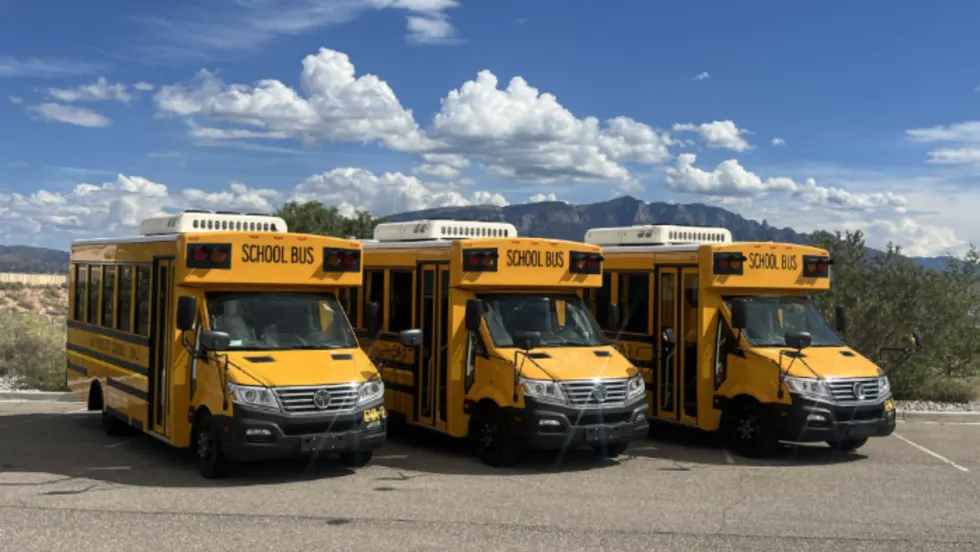
GreenPower Expands New Mexico EV Pilot With Larger Buses, V2G Testing
After logging more than 17,000 electric miles in the first year, New Mexico’s statewide pilot is moving into its second phase with larger vehicles, continued charging evaluations, and more.
Read More →
Can EV-as-a-Service Help Fleets Scale Electrification?
Sustainability Partners CEO Adam Cain explains how matching EVs, charging infrastructure, and duty cycles can help fleets scale electrification.
Read More →
How EV-as-a-Service Is Moving Fleets Beyond Pilots
Adam Cain, president and CEO of Sustainability Partners, explains how EV-as-a-service can help fleets scale deployments by addressing duty-cycle requirements and charging challenges.
Read More →
PowerFlex, The Mobility House Join Forces to Advance Fleet Electrification
Two EV charging providers are joining forces to deliver a broader portfolio of energy management and fleet electrification solutions.
Read More →
Ford Retools Louisville Plant for Fathom Electric Truck Production
Ford's $2 billion Louisville Assembly Plant overhaul introduces a three-part assembly process for the Fathom midsize electric truck, with production scheduled to begin in 2027.
Read More →
Merchants Fleet Reports 290M EV Miles as Fleets Navigate Changing Electrification Market
From millions in operating savings to hundreds of millions of EV miles, Merchants Fleet’s latest report reveals what’s working and what’s changing in fleet electrification.
Read More →
California District Commits to Electrify 25% of School Bus Fleet by 2028
One of the nation's largest school bus electrification projects to date demonstrates how grants, charging infrastructure, and public-private partnerships can help fleets transition to EVs at scale.
Read More →
Aptera Orders Bodies and Chassis for Its First 40 Production Vehicles
Aptera Motors Corp. has issued purchase orders for the major structural components of its first 40 vehicles, and body and chassis components are expected to begin arriving in October.
Read More →