


UPS Trademark Brown Delivery Trucks Go Green
With the purchase of 130 hybrid-electric vehicles, the package delivery company grows its alternative-fuel vehicle fleet and increases its dedication to a “green” fleet.

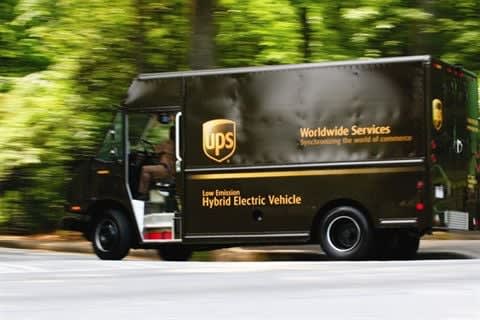
In an effort to "green" its trademark brown delivery trucks, UPS recently added 130 hybrid-electric delivery trucks to its fleet. The new units join the UPS fleet of 1,949 alternative-fuel vehicles (AFVs), one of the largest private green fleets in the transportation industry. UPS plans to put the new hybrid-electric vehicles (HEVs) in service in 2011, with 30 slated for service in New York and New Jersey, and 100 in California.
The Right Vehicle for the Right Market
Mike Britt, UPS director of vehicle engineering, said acquiring HEVs for the New York, New Jersey, and California markets was a strategic choice that makes the most of hybrid-electric technology.
"Certain technologies fare better in certain types of locations. We place these vehicles on delivery routes where they will be the most effective," he said. "HEVs are best suited for urban areas with heavy stop-and-go traffic and low interstate miles. Frequent stops and stop-and-go traffic allow for electric energy to be recaptured through regenerative braking. High interstate miles would utilize the fuel engine over the electric component, diminishing fuel economy."
Although the new units make up only a small percentage of the 100,000-vehicle fleet, the company anticipates significant results. It estimates the new HEVs will improve fuel economy by 35 percent, saving 66,085 gallons of fuel and 671 metric tons of CO2 annually - the equivalent of removing 128 passenger cars from the road.
According to Britt, in addition to fewer emissions and improved fuel efficiency, contributing to a healthier environment and cleaner air for the community is an advantage as well. "Fostering goodwill between a company and the communities it serves is a great benefit," he said.
He added that overall, HEV units were met with great acceptance, with both drivers and customers responding well to them. In fact, other than labeling on the side of the trucks identifying them as hybrids, they appear to be identical to traditional delivery trucks, making the transition seamless.
"Our drivers are the best in the business, and they have adapted quickly to the new technologies we have introduced over the years. With HEVs, efficiency is dependent in part on how the driver operates the vehicle, so UPS has trained drivers assigned to HEVs to modify their driving habits to maximize the vehicle's efficiency," said Britt. "They look very similar to non-alternative-fuel vehicles, so customers don't often notice the fact their packages are being shipped in a more sustainable manner."
A History of Efficiency
UPS is not new to HEVs. In fact, in 1998 it was the first package delivery company to employ such technology in daily operations. Currently, UPS already has 250 HEVs making deliveries in the U.S. and features two different size vehicles. Both are built with a Freightliner Custom Chassis combined with a hybrid drive system from Eaton Corp.
Over the years, the company has invested more than $25 million in its AFV fleet, which includes not only hybrid-electric units, but also compressed natural gas (CNG), liquefied natural gas (LNG), propane autogas, and all-electric vehicles. Since 2000, this alternative-fuel fleet has traveled more than 185 million miles.
"We take a 'rolling laboratory' approach to our AFVs, meaning we view them as a way to study how the technologies would work on a larger scale," said Britt. "We haven't committed to any one technology, but remain focused on making sure it works within our fleet, that it meets and exceeds our expectations, and is viable for implementation on a larger scale. Certain alternative-fuel vehicles perform better under certain conditions, which is why our 'rolling laboratory' approach is so critical to ensure we achieve maximum benefit."
Britt said UPS plans to continue its commitment to finding the right vehicles to increase fuel efficiency and decrease emissions, particularly since making changes in a fleet of its size can yield equally sizable results.
"Traditional energy sources, such as gasoline, are becoming more expensive and difficult to acquire as sites for mining are harder to reach and global demand increases," he said. "UPS has been looking for the most efficient ways to operate since our founding in 1907. With a fleet of more than 90,000 vehicles, we are very conscious of fuel consumption and are constantly looking for new ways to minimize that overhead, both for our own bottom line and the customers. UPS will continue to look for ways to expand the alternative-fuel vehicle delivery fleet and will continue to place the right technologies in the most advantageous locations."
Originally posted on Automotive Fleet
More Vehicle Research
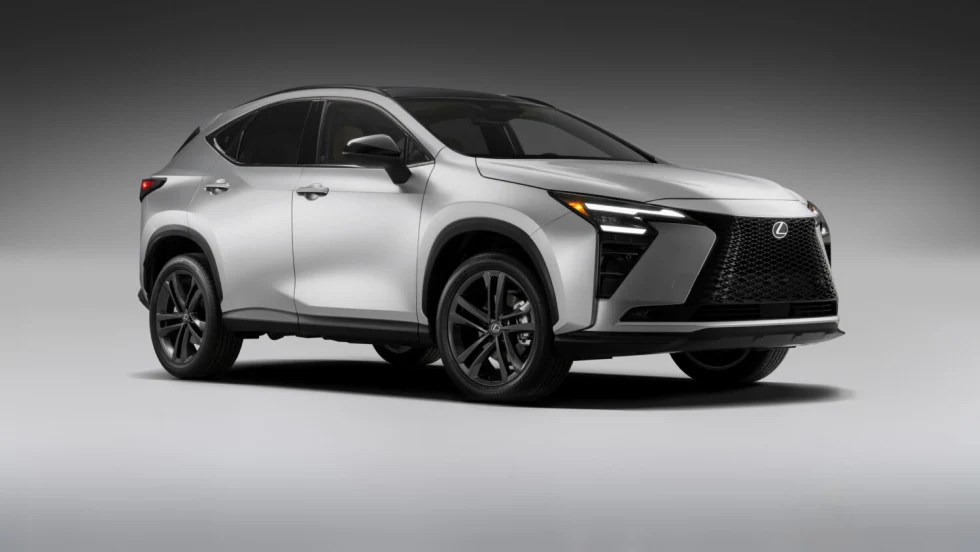
2027 Lexus NX Moves to Fully Electrified Lineup
For 2027, the NX moves to an entirely electrified lineup, with either hybrid or plug-in hybrid powertrains.
Read More →
2027 Mitsubishi Eclipse Sportback Named Green SUV of the Year
Green Car Journal recognized Mitsubishi’s new battery-electric crossover, which offers NACS compatibility and DC fast charging at up to 150 kW.
Read More →
Dave Carroll Named President of Ford Energy
Carroll succeeds Lisa Drake, who will remain with Ford through Dec. 31 to support the leadership transition.
Read More →
City of Long Beach Named No. 1 Green Fleet of 2026
NAFA's 2026 Green Fleet Awards recognized fleets for sustainability efforts spanning alternative fuels, technology, facilities, workplace culture and fleet operations.
Read More →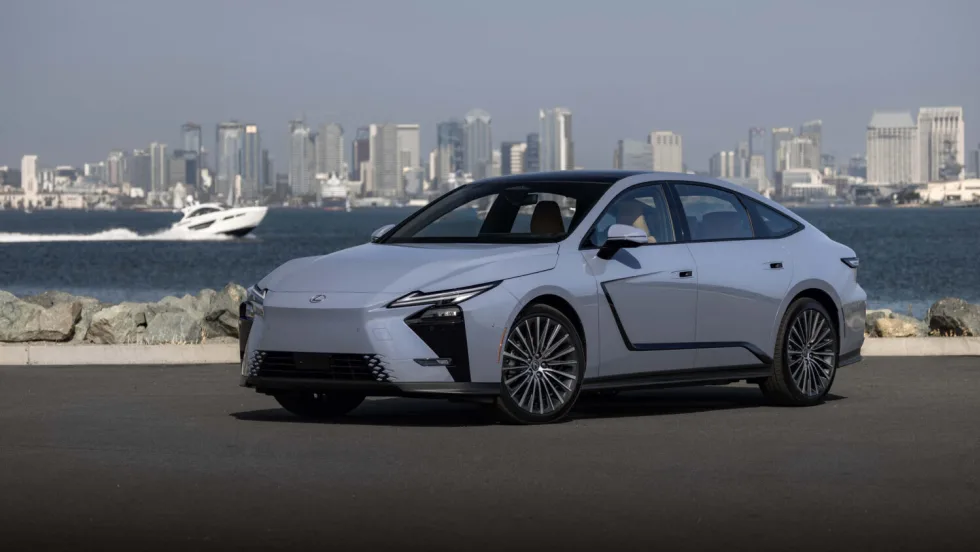
2027 Lexus ES Adds First Battery-Electric Models
The ES 350e and ES 500e join the hybrid ES lineup with up to 338 hp, an EPA-estimated 307 miles of range and standard NACS charging capability.
Read More →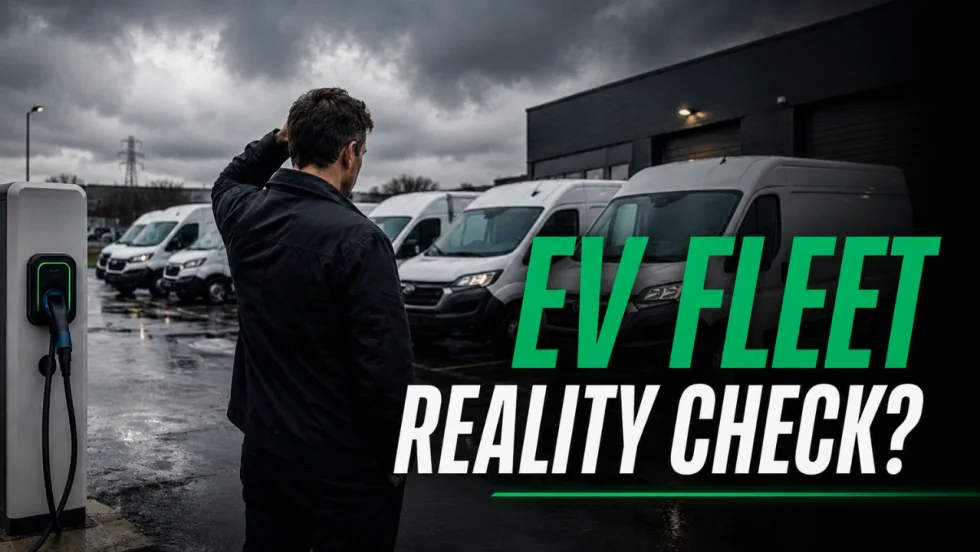
EV Fleet Reality Check: What Operators Wish They Knew Before Electrifying Their Work Vans
Electric work truck upfits bring new compatibility questions. Learn how parts availability, OEM guidance, power demands, and route planning can affect fleet performance.
Read More →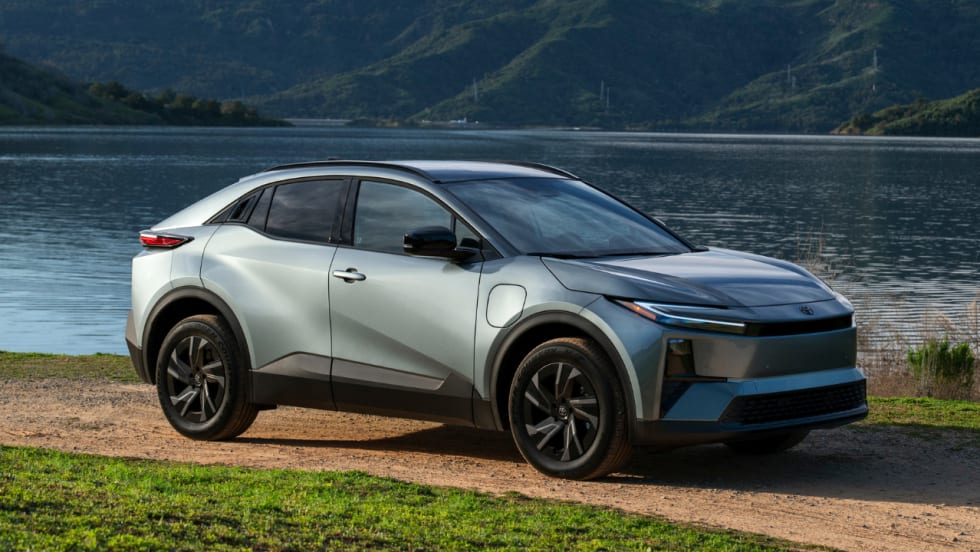
2027 Toyota C-HR Offers 287-Mile Range and Standard AWD
Toyota’s 2027 C-HR brings 287 miles of estimated range, standard all-wheel drive, and NACS fast-charging capability to the compact EV market. See what its mix of performance, cargo space, and everyday technology could offer business users.
Read More →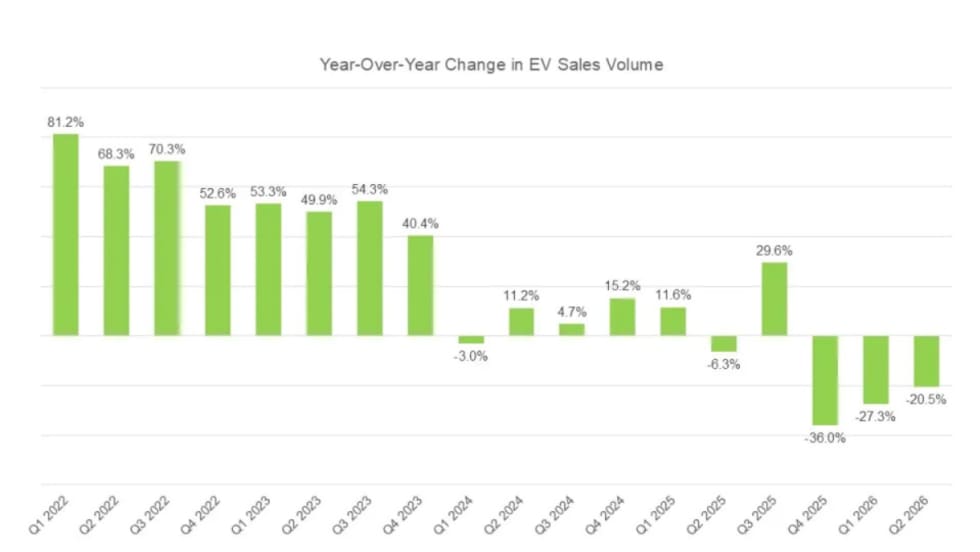
New Vehicle Models Stabilize Electrified Market In Q2
But more credit goes to hybrids than to all-electric vehicles, as more buyers look for fuel-efficient alternatives amid high gas prices.
Read More →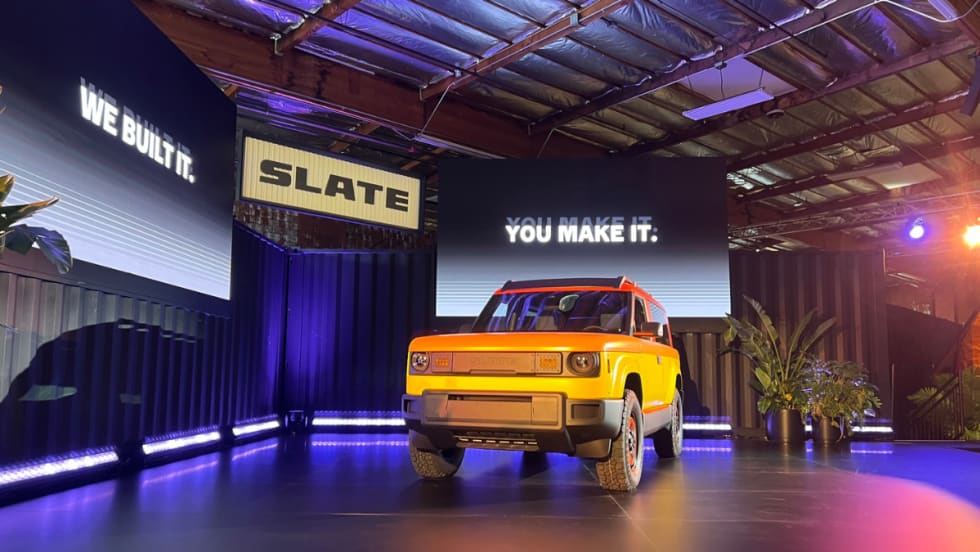
Slate Debuts Colorful, Unique EV Models
A recent media and client event, studded with electric vehicles dressed up on platforms, planted a new position for the manufacturer in the wider EV market. Fleets will find cost-saving advantages.
Read More →
Slate Electric SUV, Pickup Switchable Model Aims For Light-Duty Fleets
Everything about this EV is counterintuitive and understated, making it stand out from the crowd.
Read More →