


Related: Fleets Offer Best Practices for Preventing Winter-Related Vehicle Downtime
Tips to Managing EV Range in Winter
With range reductions of up to 40% in subzero conditions, electric vehicle batteries need special care in winter. The operator of this small fleet in the mountains of Colorado knows from experience.
by Gregory Van Tighem
August 13, 2019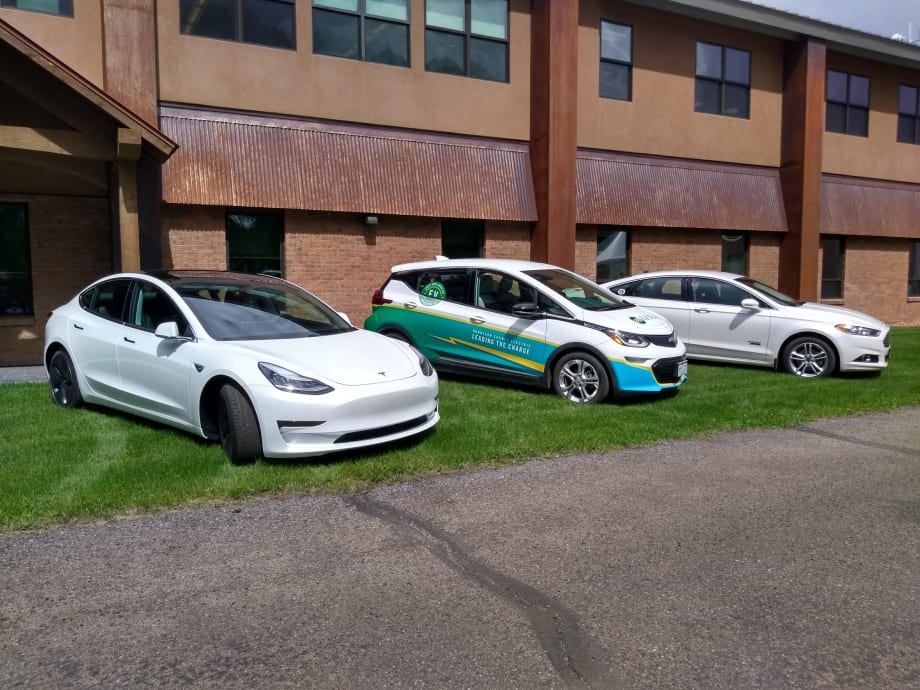
The Gunnison County Electric Association regularly runs its Nissan Leaf during the winter at an altitude greater than 7,000 feet.
Photo courtesy of GCEA.
3 min to read
Alliy Sahagan coasted in a 2017 Nissan Leaf into the Gunnison County Electric Association (GCEA) warehouse in Gunnison, Colo. on the electric vehicle equivalent of running on fumes. Just minutes earlier, the Leaf’s dashboard told her the car had zero miles left and a 9% battery charge.
Sahagan was returning from what was supposed to be a 25-mile test drive on a minus 5-degrees Fahrenheit January morning. When she left the electric utility company’s warehouse, she didn’t notice the battery level was at 63%.
Sahagan knew GCEA operating guidelines warn battery electric vehicle (BEV) operators to expect up to a 40% reduction in vehicle range in Gunnison’s subzero winter weather.
“In my haste, I neglected to follow some of my own EV prep preaching,” says Sahagan, who oversees the association’s BEV loan program, which includes the Leaf, a Chevy Spark model and two other hybrid-electric vehicles.
She has since used this story as a cautionary tale to help people remember the dos and don’ts of operating electric vehicles during the winter.
Battery Science
According to the University of Michigan’s Energy Institute, the batteries on electric vehicles are much like human beings — they prefer the same temperature range of 60 to 80 degrees for optimal performance. As a result, charging should take place at temperatures above freezing.
As the temperature drops, the battery’s electrolyte fluid flows more sluggishly. At temperatures below freezing, charging the battery without first reducing the charge current causes the battery to become less mechanically stable and more prone to sudden failure, warns RELiON manufacturer of a low-temperature lithium iron phosphate battery.
According to RELiON, under normal conditions, the battery’s lithium ions are soaked up by the porous graphite in the anode, or negative terminal, much how a sponge soaks up water.
Below freezing, however, the anode doesn’t efficiently capture the lithium ions. Instead, many lithium ions coat the surface of the anode, restricting the flow of electricity and causing the battery’s capacity to drop.
Low Temp Advice
For BEV operators, these recommendations will help maximize performance and range:
Always use a battery management system to recharge an electric vehicle battery, particularly during extreme cold and hot weather. The system will protect the battery from damage by appropriately regulating the charge rate in extreme temperatures.
Whenever possible, avoid running an electric vehicle below 20% charge, particularly in winter. Unless you can warm up the battery using a block heater or parking in a heated garage, the BEV may need that power to warm itself up to where it can accept a charge.
Use an application associated with publicly available charging stations to locate them along your route to recharge the battery.
Remember that most charging stations are designated Level 2, which means it could take up to several hours to get a full charge. Need a faster charge? Look for “DC fast charge” or Level 3 charging stations. While few in numbers at this stage, these stations can recharge batteries in as little as 30 minutes.
Wind speed can also greatly impact BEV range.
When the battery is low, or the vehicle isn’t running, be sure to limit the use of or shut off unnecessary accessories that will continue to drain the battery and reduce range.
The capacity of BEVs to receive charges can vary, particularly in extreme temperatures, which will affect recharge times.
Originally posted on Work Truck Online
Subscribe to Our Newsletter
More Electric Vehicles

EV Charging Use Is Outpacing Infrastructure Growth
ChargePoint’s 2026 Charging Forward Report points to rising charger use, higher-powered charging, commercial vehicle electrification, and energy-management technology. Here’s what fleets should know.
Read More →
EV Realty Names Henrik Holland President as Charging Platform Expands
The former Prologis Mobility and Shell executive will help expand EV Realty’s truck charging business and move its power-first infrastructure model into autonomous vehicle depots and other fleet sectors.
Read More →
GreenPower Expands New Mexico EV Pilot With Larger Buses, V2G Testing
After logging more than 17,000 electric miles in the first year, New Mexico’s statewide pilot is moving into its second phase with larger vehicles, continued charging evaluations, and more.
Read More →
Can EV-as-a-Service Help Fleets Scale Electrification?
Sustainability Partners CEO Adam Cain explains how matching EVs, charging infrastructure, and duty cycles can help fleets scale electrification.
Read More →
How EV-as-a-Service Is Moving Fleets Beyond Pilots
Adam Cain, president and CEO of Sustainability Partners, explains how EV-as-a-service can help fleets scale deployments by addressing duty-cycle requirements and charging challenges.
Read More →
PowerFlex, The Mobility House Join Forces to Advance Fleet Electrification
Two EV charging providers are joining forces to deliver a broader portfolio of energy management and fleet electrification solutions.
Read More →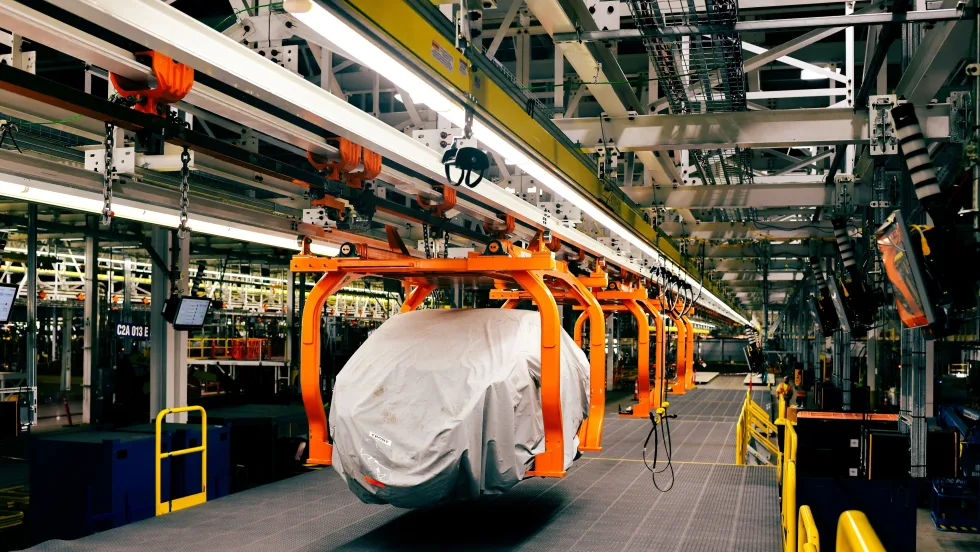
Ford Retools Louisville Plant for Fathom Electric Truck Production
Ford's $2 billion Louisville Assembly Plant overhaul introduces a three-part assembly process for the Fathom midsize electric truck, with production scheduled to begin in 2027.
Read More →
Merchants Fleet Reports 290M EV Miles as Fleets Navigate Changing Electrification Market
From millions in operating savings to hundreds of millions of EV miles, Merchants Fleet’s latest report reveals what’s working and what’s changing in fleet electrification.
Read More →
California District Commits to Electrify 25% of School Bus Fleet by 2028
One of the nation's largest school bus electrification projects to date demonstrates how grants, charging infrastructure, and public-private partnerships can help fleets transition to EVs at scale.
Read More →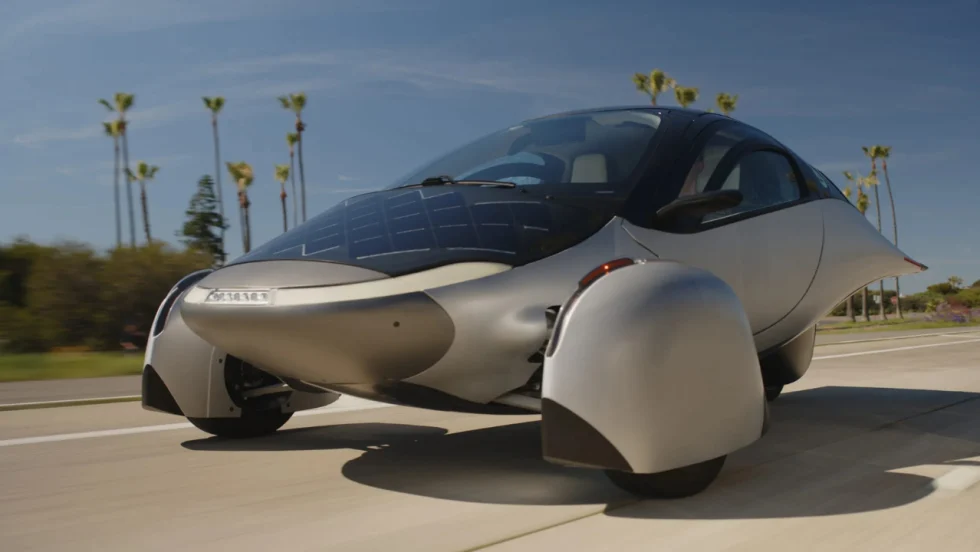
Aptera Orders Bodies and Chassis for Its First 40 Production Vehicles
Aptera Motors Corp. has issued purchase orders for the major structural components of its first 40 vehicles, and body and chassis components are expected to begin arriving in October.
Read More →