


PG&E Electrifies Its Sustainability Efforts
The San Francisco-based energy provider expanded its electric vehicle charging efforts and released a Class 5 plug-in hybrid electric bucket truck.

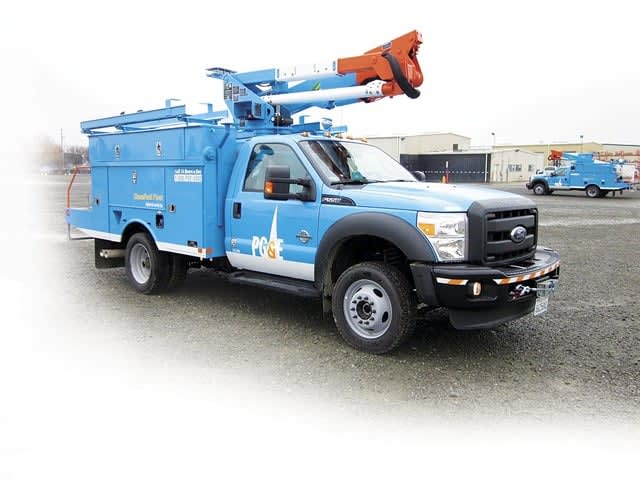
PG&E’s Class 5 plug-in hybrid electric bucket truck, developed in partnership with Efficient Drivetrains Incorporated (EDI), features up to 40 miles all-electric range. Photo courtesy of PG&E.
San Francisco-based energy provider Pacific Gas and Electric Company (PG&E) has a formidable alternative fuel fleet: The company, which provides utility services to most of the northern two-thirds of California, has approximately 3,400 alternative-fuel vehicles — around 1,500 biodiesel, 800 natural gas, and 1,100 electric-based (hybrid, plug-in hybrid, or battery electric).
According to Dave Meisel, PG&E’s senior director of transportation and aviation services, when analyzing whether or not implementing an alternative fuel is a good choice for an area of the company’s fleet, PG&E takes four considerations into account: if it fits the need of the business, if there are durability or reliability issues with the product, emissions, and total cost of ownership (TCO).
“We always look to be practical,” Meisel said.
PG&E has particularly focused on two alt-fuel related projects over the past year: the expansion of its electric vehicle (EV) charging infrastructure and the Class 5 plug-in hybrid-electric bucket truck.
Promoting EV Charging
One area of sustainability that PG&E has focused on is the expansion and implementation of EV charging infrastructure in California.
PG&E has proposed the building of 25,000 public EV chargers throughout California. And, along with San Diego Gas & Electric and Southern California Edison — the two other major investor-owned utility providers in California — it is waiting for approval from the California Public Utilities Commission to install the charging infrastructure, although approval is expected, according to Meisel.
“It’s hard to sell the vehicles without the infrastructure. It’s hard to pay for infrastructure when there are no vehicles. So, it is a vicious circle. But, I think the utilities and the commission have figured out that, before you can ask people to buy vehicles, you have to be able to fuel them. Investing in the infrastructure is what all the utilities are requesting now. Let’s build the infrastructure and then the vehicles will come,” Meisel said.
The company is also leading by example, by increasing EV charging infrastructure for its workforce. PG&E is committing $3 million per year over the next three years to install employee charging infrastructure, according to Meisel.
“We started putting in electric vehicle infrastructure for our employees and our company cars and made it dual-purpose. We’ve seen our independent charging sessions improve from about 600 a day one year ago to almost 2,500 today. It’s gone up 400 percent over the past 12 months,” he said.
According to Meisel, this achievement is due to an increase in both the number of vehicles with electric technology and the number of charging stations PG&E owns.
‘Greening’ a Utility
In addition, PG&E released its Class 5 plug-in hybrid-electric bucket truck in the fall of 2014, which the company developed in partnership with Efficient Drivetrains Incorporated (EDI). The truck features up to 40 miles of all-electric range, along with a next-generation electric power take-off (ePTO) system that allows crews to operate the bucket and auxiliary systems without having to idle the engine, reducing emissions and noise.
“We took our shaft-driven PTO and made it electric. Now, our hydraulic system runs off of an electric pump as opposed to a shaft-driven pump. We also put electric heat and air conditioning in the cab and ran the lighting and tool circuit off a battery. So, right now our bucket trucks have that technology in them. And, we’ve taken idling from four to six hours a day to basically zero,” Meisel said.
The truck also offers up to 120 kilowatts of exportable power — enough to power a neighborhood while electric crews make repairs.
Ultimately, for PG&E, the use of electric-based vehicles in its fleet is a no-brainer.
“We believe electric transportation is the right thing, not only for the environment, but for our country. And, electricity, particularly in California, is incredibly clean from a generating mode. So, we like to say we like the idea of producing clean energy to drive clean transportation,” Meisel said.
Originally posted on Automotive Fleet
More Charging
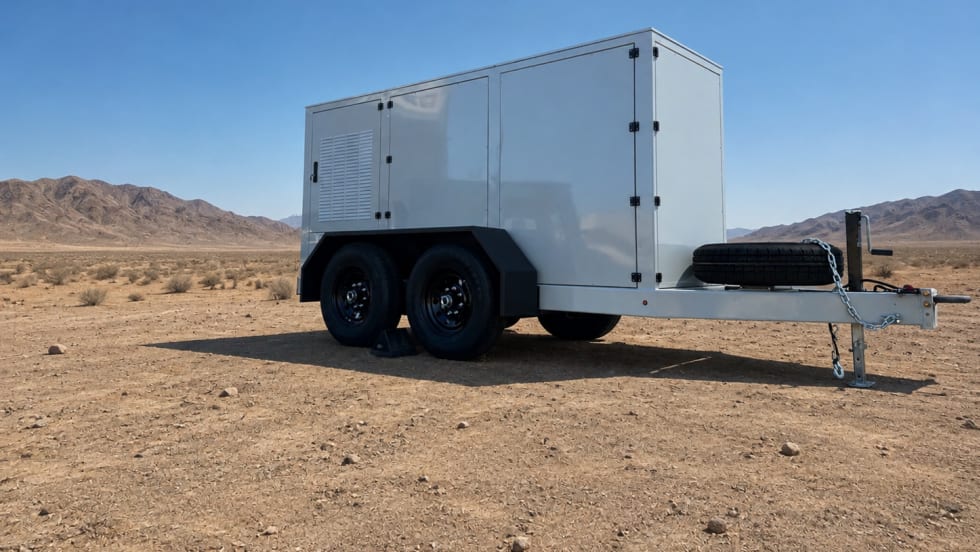
Xos Mobile Charging Hub Surpasses 1 GWh of Energy Delivered
As fleets electrify, charging capacity does not always arrive on the same timeline as the vehicles. Operating data from one Xos Hub shows how mobile, grid-independent charging can support vehicles when permanent infrastructure or utility upgrades aren't available.
Read More →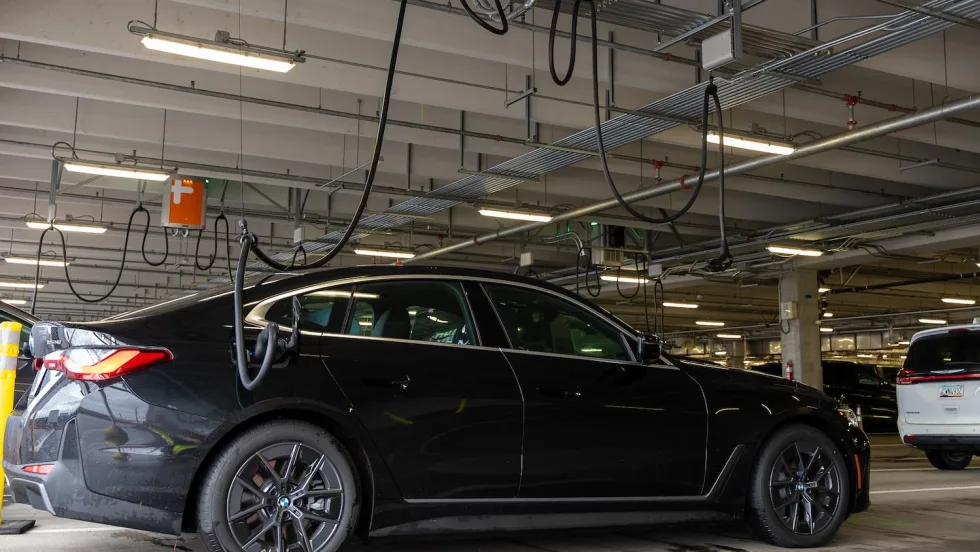
ChargePoint Adds Overhead EV Fast Charging at Portland International Airport
The installation can charge up to 20 rental vehicles simultaneously and uses overhead equipment to preserve ground-level space at the airport's Quick Turnaround Facility.
Read More →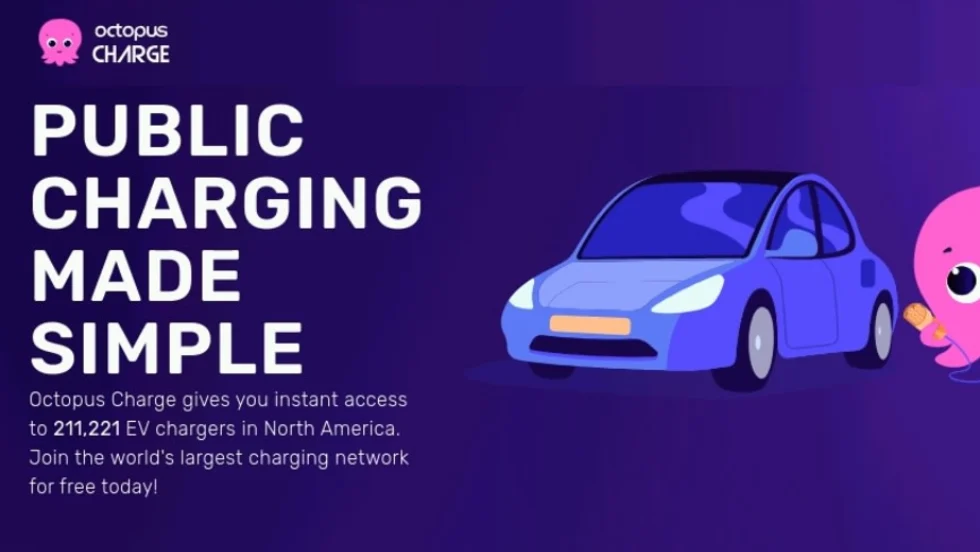
Octopus Energy Launches Public EV Charging App in U.S.
Octopus Charge allows EV drivers to locate and access public charging stations through a single app, building on the company's Electroverse platform in Europe.
Read More →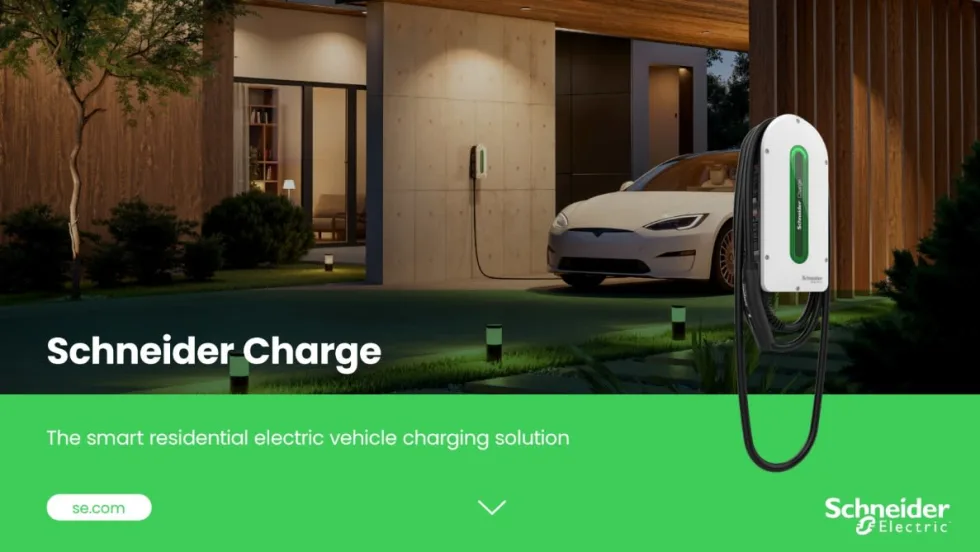
Schneider Electric Launches Level 2 Home EV Charger With Integrated Load Management
Schneider Charge uses integrated SmartAmp technology to adjust charging output based on household electrical demand and is available with NACS or J1772 connectors.
Read More →
Why EV Charging Reliability Is More Complicated Than It Looks
GridLink CEO Josh Silets explains what causes EV chargers to fail, why fleet operators often struggle to identify the source, and what questions they should ask charging vendors.
Read More →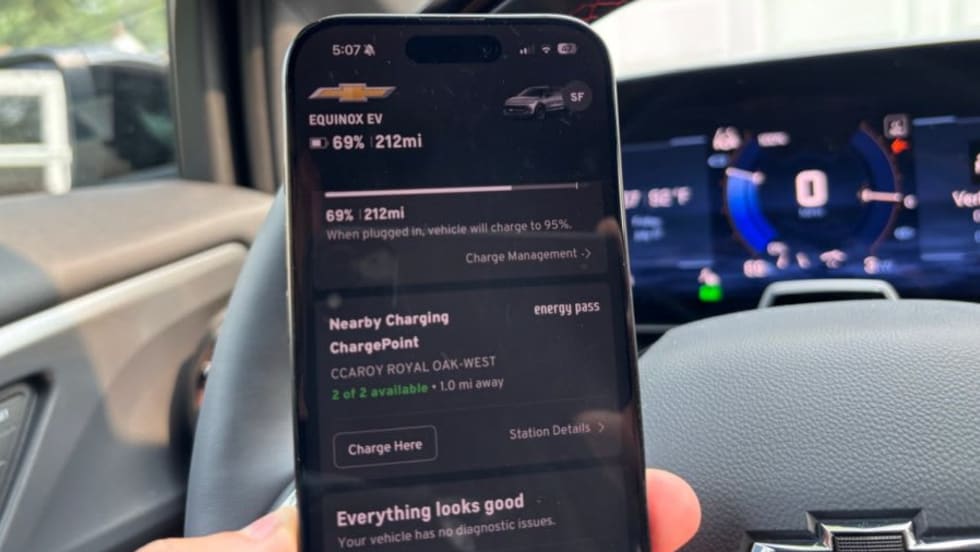
GM Adds ChargePoint Network to Energy Pass Platform
The integration gives GM EV drivers access to additional DC fast chargers and Level 2 stations through a single app while expanding the automaker's public charging ecosystem.
Read More →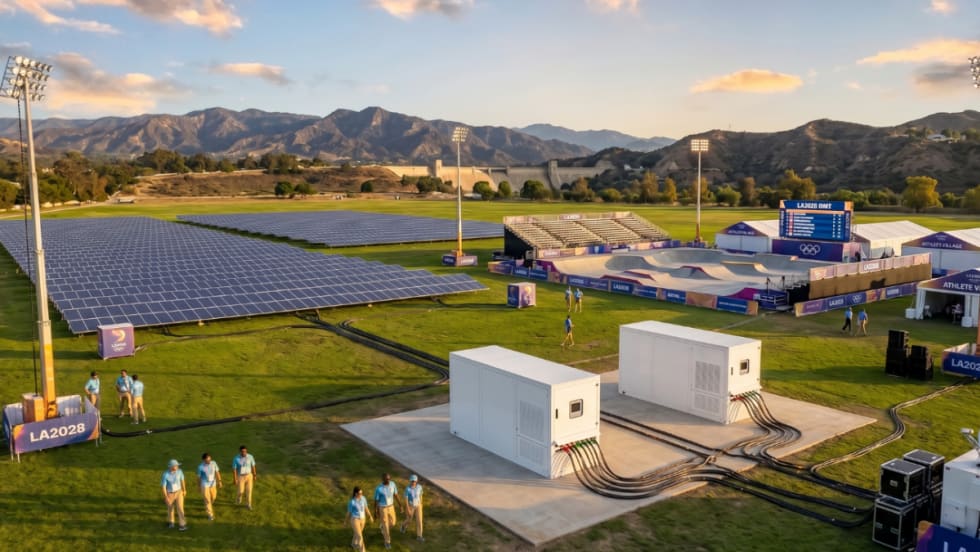
Xos White Paper Asserts LA Olympics Will Lack Enough EV Chargers
The commercial EV fleet company recommends some faster and more flexible remedies to relieve the anticipated shortfall.
Read More →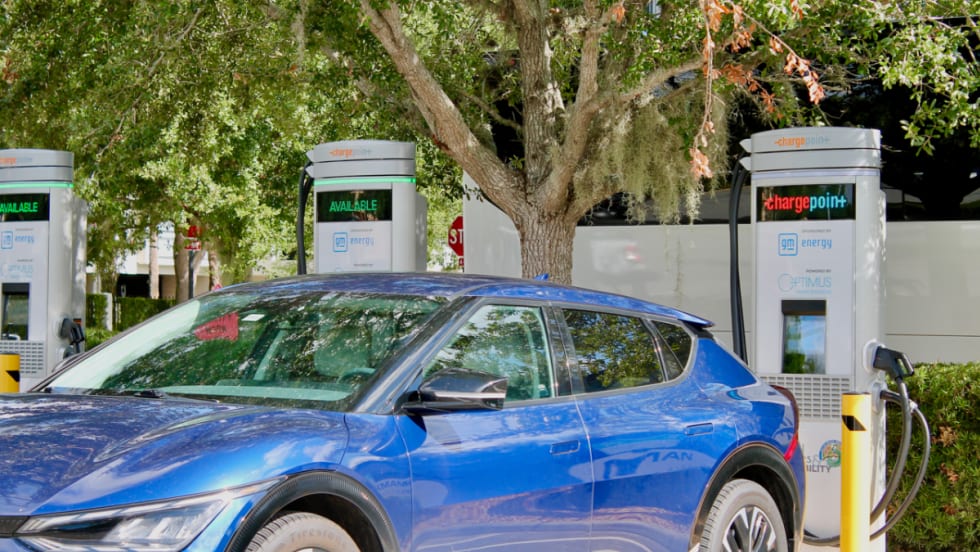
ChargePoint, Optimus Expand Fast-Charging Network Across Southeastern U.S.
ChargePoint will serve as the exclusive solutions provider, delivering hardware, software, and services to support Optimus’ growing charging network.
Read More →
Running A Profitable Electric Rental Fleet
How do you successfully operate an all-electric rental car fleet? Whether you manage a rental fleet or another commercial fleet, this conversation offers practical lessons on deploying, operating, and scaling electric vehicles.
Read More →
Why Charging May Never Be As Easy As Filling Up Gas
A seamless charge depends on a string of independent companies getting it right together, every time. How can electric fleets navigate the challenges to create a successful charging plan?
Read More →