


Miss This? How Developments in Tire Technology Streamline Safety
Mobile Workspace Increases with eCoupled Technology
Working on the go just became easier with Leggett’s eCoupled technology, a wireless system that powers devices without the hassle of messy cords.
by Connor Izzett
May 1, 2008
Mobile workspace efficiency is about to get a boost thanks to eCoupled technology.
Photo: Waldemar Brandt/Unsplash
3 min to read
Cumbersome power cords, battery chargers, and exposed metal connectors cluttering the job site will soon be a thing of the past, now that wireless charging is making its way to the marketplace.
Mobile workspace efficiency is about to get a boost thanks to eCoupled technology, a wireless power system that eliminates traditional forms of onsite charging, developed by Fulton Innovation.
eCoupled Coming Soon
Available from Leggett & Platt Commercial Vehicle Products in early 2009, eCoupled has already garnered attention. A working prototype of eCoupled technology debuted this Spring at the National Truck Equipment Association’s 2008 Work Truck Show. Show attendees voted eCoupled the New Product Spotlight Award for innovation.
The technology is capable of charging any device, once properly equipped, and Leggett & Platt will soon begin introducing the product into vehicles.
The safe and versatile eCoupled stations can charge multiple devices, regardless of voltage requirements.
“Wireless power simplifies on-the-road charging maintenance for the commercial truck industry by eliminating the need for portable charging devices and electrical outlets,” said Ross Haith, group vice president of sales and marketing for Leggett & Platt Commercial Vehicle Products. “Our vehicles with eCoupled technology enhance the mobile workspace so our customers can work more efficiently at the jobsite.”
How eCoupled Works
The wireless charging technology in eCoupled uses inductive coupling to transfer energy from the mobile commercial charging surface, which can be a shelf or other work station. Coils placed inside that surface area easily accommodate the devices being charged, and can be adjusted to match the tools the charger powers.
Communication between the device being powered and the eCoupled technology manages power needs, battery life, and charging cycles. This two-way communication ensures maximum charge, as well as maximum power capacity.
According to Fulton Innovation, eCoupled technology includes an inductively coupled power circuit that dynamically seeks resonance, allowing the primary supply circuit to adapt its operation to match the needs of the device it supplies.
eCoupled supplies optimal power as needed by determining the age and charging lifecycle of the battery or device. These functions save space in commercial vehicles and lengthen the life of expensive batteries and the devices powered.
This is all accomplished without significant power loss and is comparable to traditional forms of charging. Energy costs are nearly identical, with energy transfer efficiency at about 98 percent. This also makes for a safer work environment by eliminating dangerous metal power connectors.
Consumers may soon see this technology not just in a commercial capacity, but in kitchens, automobile consoles, and other household settings. Fulton Innovations is currently working with several companies in addition to Leggett & Platt to bring this technology to market.
More than 1.5 million eCoupled-enabled devices have been in use for the past six years. The technology will be available in Leggett & Platt vehicle interior shelving, rugged docking stations, and vehicle mounts beginning early next year.
Originally posted on Work Truck Online
Subscribe to Our Newsletter
More Batteries/Tech
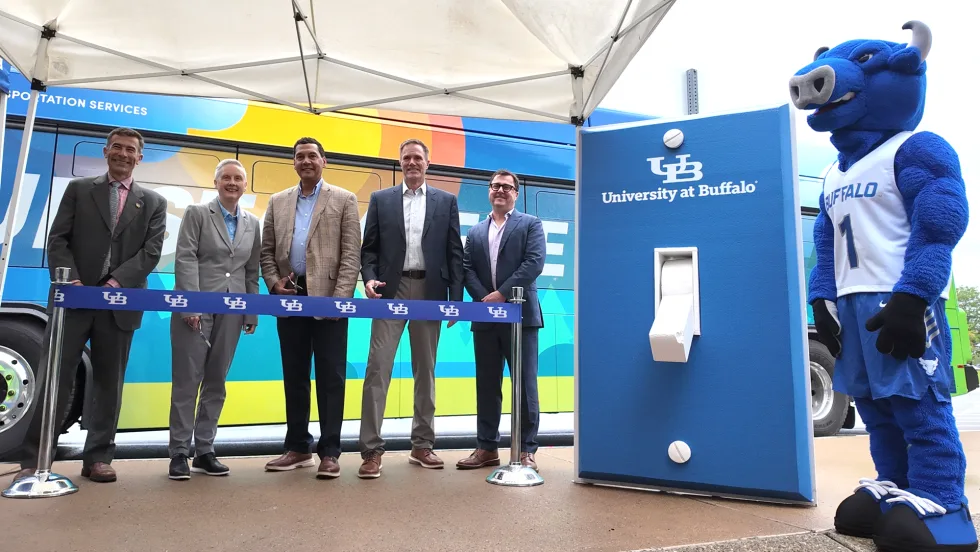
University at Buffalo Deploys 8 Electric Buses, 10 Chargers
The university, WeDriveU, and Zenobē welcomed the first electric buses to the school’s fleet under its zero-emissions roadmap.
Read More →
Samsung SDI Takes Full Control of GM Battery JV as Indiana Plant Pivots to Energy Storage
Samsung SDI is taking full control of its Indiana battery plant with GM, marking a major shift from the EV-focused joint venture Charged Fleet first covered in 2023.
Read More →
Xos White Paper Asserts LA Olympics Will Lack Enough EV Chargers
The commercial EV fleet company recommends some faster and more flexible remedies to relieve the anticipated shortfall.
Read More →
New EV and Hybrid Training Available For Auto Technicians
The curriculum covers those skill sets highly sought by electric fleet operations.
Read More →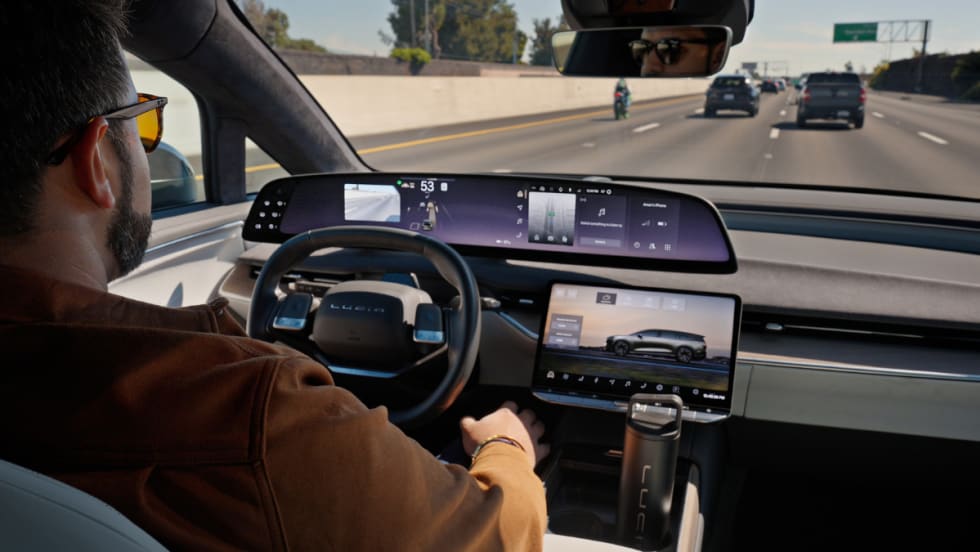
Lucid Adds Hands-Free Highway Driving, Software Updates To Gravity SUV
Hands-free drive assist makes highway driving more comfortable while keeping drivers attentive to the road.
Read More →
California Adopts Sweeping New Autonomous Vehicle Regulations
Updated DMV rules open the door for heavy-duty AV testing and deployment while strengthening safety standards, emergency response coordination, and manufacturer accountability.
Read More →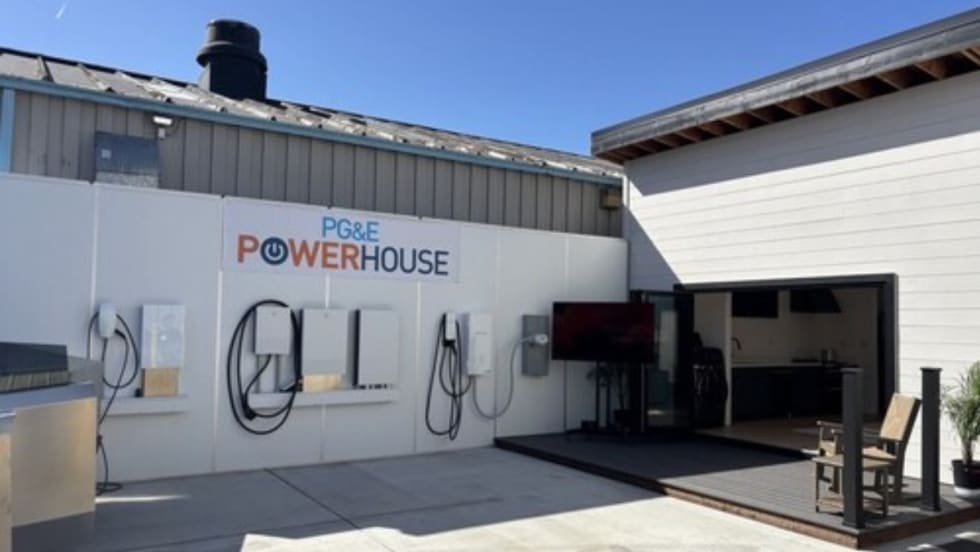
All Electric Test House Could Ease Path To EV Usage
An experimental model home shows how residential charging could enable electric fleet operations by allowing drivers to take EVs home.
Read More →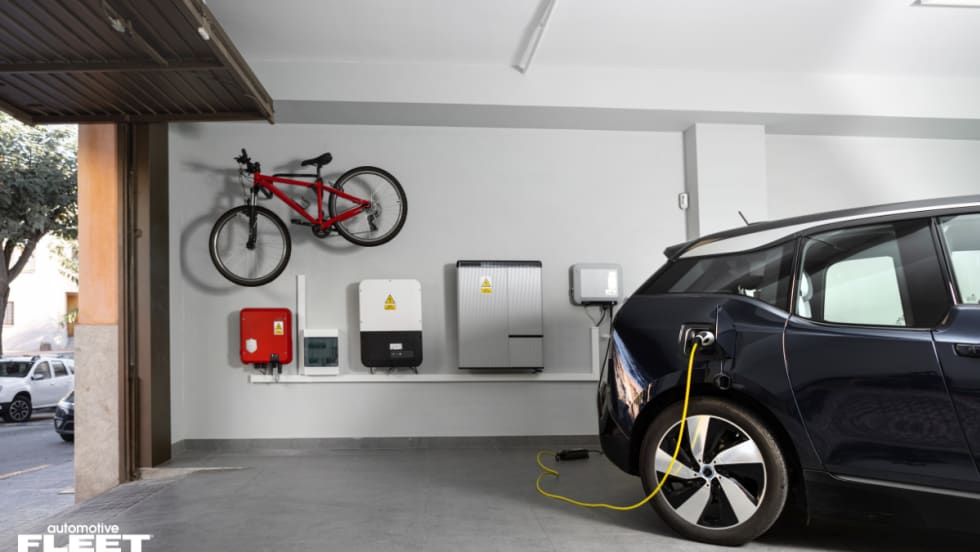
WEX Launches Solution to Close EV At-Home Charging Visibility Gap
At NAFA I&E 2026, WEX debuted an EV solution that adds a layer of verification to help fleets track, validate, and trust every at-home charging dollar.
Read More →
Major Truck Charging Hub Opens In Southern California
EV Realty opens a 76-port, 9 MW truck charging hub in San Bernardino, designed to support more than 200 medium- and heavy-duty vehicles per day with CCS and MCS capability.
Read More →
Software Speeds Up EV Fleet Charging
Learn about a new level of energy management that helps fleets control costs while maintaining service reliability. [VIDEO]
Read More →