


Limousine Operators Explore Options to Green Their Businesses
Reviewing new product options and adjusting fuel formulas, as well as going paperless at the office, are some of the ways these companies have strengthened their green programs.

JOSEPH BRUNETTO, vice president of fleet and technology for MTC Limousine & Corporate Coach, Inc., in Bedford Hills, N.Y., loves exploring green fleet options. Whether its testing out a Mercedes Benz R320 BlueTEC or a Krystal Hybrid mini coach, Brunetto always looks into possibilities for buying vehicles.

There aren’t many options on the market yet for green buses, Brunetto says. The motorcoaches in the MTC fleet are not older than the 2006 model year, and Brunetto is looking at product options on post-2007 models offered by Motor Coach Industries, such as a diesel engine scrubbing system, which collects and removes soot from the engine. He’s looking forward to test driving the Krystal Hybrid, an electric/diesel hybrid bus. One of the positive features is that the Krystal bus can idle and run air conditioning in hot summer months while still complying with no-idle policies, he says.
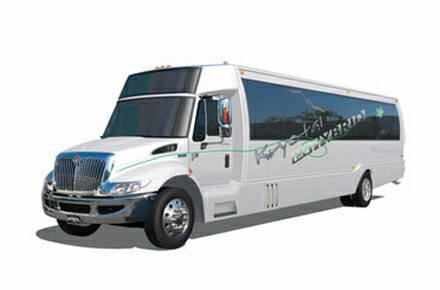
MTC buys biodiesel for its mini-coaches and motorcoaches at different levels, including B2, B5, and B10 formulas. Two years ago, Brunetto attended a seminar put on by the New York State Energy Research and Development Authority on using ethanol and biofuels in fleet vehicles. One of the practices he’s implemented since then has been integrating biodiesel into vehicles at different levels during varying weather conditions. As the weather gets warmer, more biofuel can be used in the bus. “We’ve integrated biodiesel into the fleet,” he says, “and it depends on the time of the year when diesel fuels become thick.”
Like MTC Limousine, Olympus Worldwide Chauffeured Services, based in Atlanta, has been active in the Limousine Environmental Action Partnership. LEAP executive director Pat Charla has been guiding Olympus president Johan DeLeeuw, on building a solid green program to meet corporate client requests, and in conducting green office procedures such as converting paper documents over to digital formats and reducing paper usage by more than 65%.
Winning over a large hotel account from a company promoting green initiatives was an important reason for becoming active in LEAP, DeLeeuw says. While there’s less corporate focus now on green programs during the recession, Olympus is still reporting emission reductions to sustainability officers on a regular basis, he says.
While Olympus doesn’t own any buses, the company can farm out bus reservations to local affiliate partners. Buses are used regularly to fulfill transportation requests for a commercial property client in Atlanta, moving employees to offsite parking locations, DeLeeuw says. “We’re able to sell a lot of bus service,” he says, “and the profit is higher when using outside operators.”
The buses aren’t powered by biodiesel or other green fueling options, yet they’re still an important part of Olympus’ green program since they move 55 people in one bus instead of in 55 cars, he says. “Cost per passenger is also better,” he says. “Cost is a big factor in this economy, as is safety and convenience.”
More Batteries/Tech
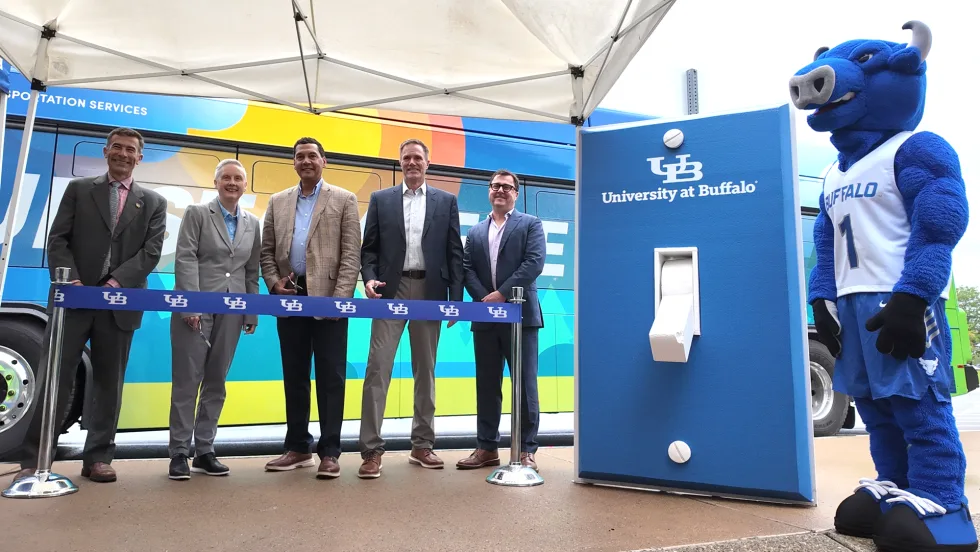
University at Buffalo Deploys 8 Electric Buses, 10 Chargers
The university, WeDriveU, and Zenobē welcomed the first electric buses to the school’s fleet under its zero-emissions roadmap.
Read More →
Samsung SDI Takes Full Control of GM Battery JV as Indiana Plant Pivots to Energy Storage
Samsung SDI is taking full control of its Indiana battery plant with GM, marking a major shift from the EV-focused joint venture Charged Fleet first covered in 2023.
Read More →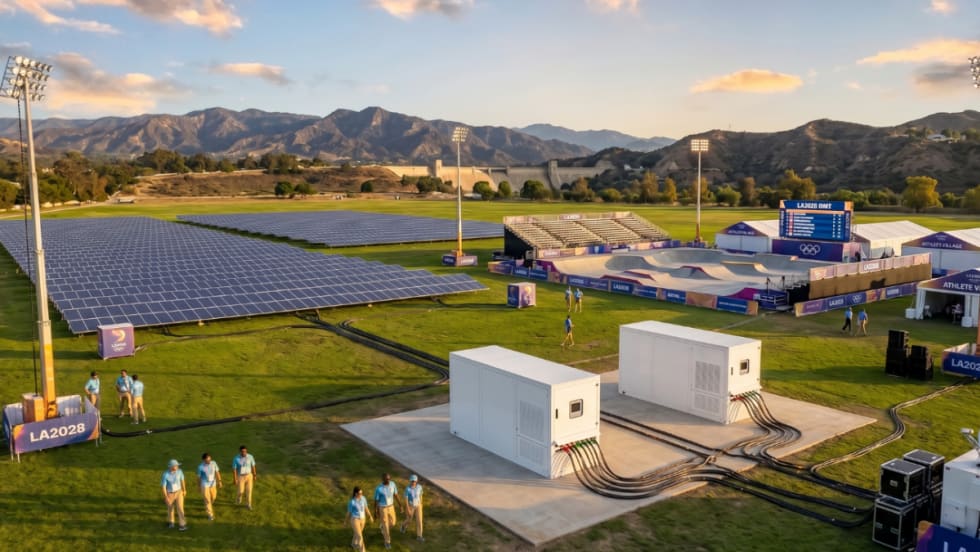
Xos White Paper Asserts LA Olympics Will Lack Enough EV Chargers
The commercial EV fleet company recommends some faster and more flexible remedies to relieve the anticipated shortfall.
Read More →
New EV and Hybrid Training Available For Auto Technicians
The curriculum covers those skill sets highly sought by electric fleet operations.
Read More →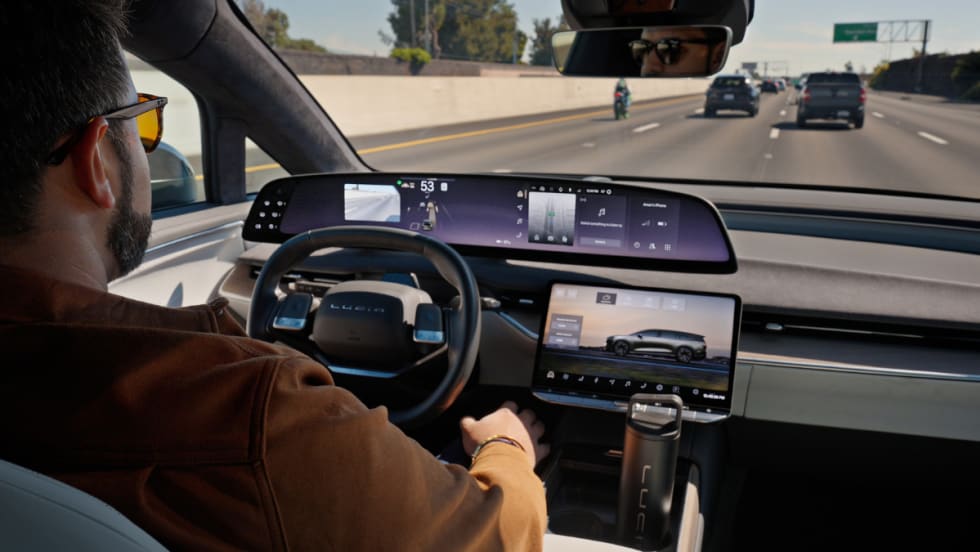
Lucid Adds Hands-Free Highway Driving, Software Updates To Gravity SUV
Hands-free drive assist makes highway driving more comfortable while keeping drivers attentive to the road.
Read More →
California Adopts Sweeping New Autonomous Vehicle Regulations
Updated DMV rules open the door for heavy-duty AV testing and deployment while strengthening safety standards, emergency response coordination, and manufacturer accountability.
Read More →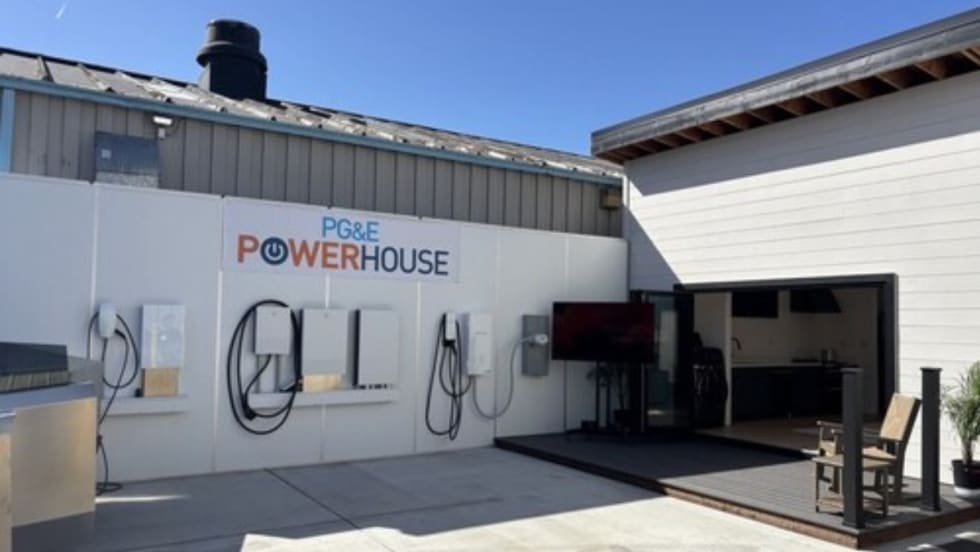
All Electric Test House Could Ease Path To EV Usage
An experimental model home shows how residential charging could enable electric fleet operations by allowing drivers to take EVs home.
Read More →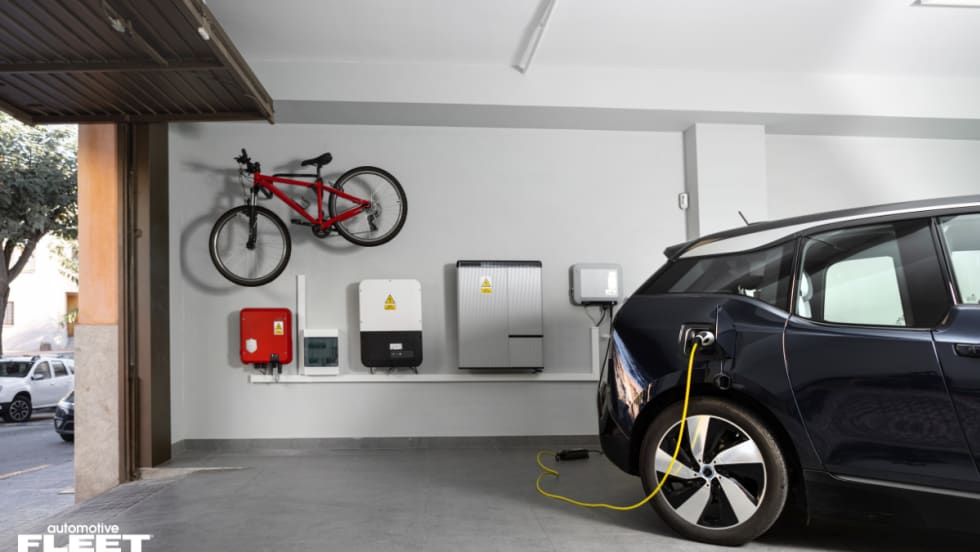
WEX Launches Solution to Close EV At-Home Charging Visibility Gap
At NAFA I&E 2026, WEX debuted an EV solution that adds a layer of verification to help fleets track, validate, and trust every at-home charging dollar.
Read More →
Major Truck Charging Hub Opens In Southern California
EV Realty opens a 76-port, 9 MW truck charging hub in San Bernardino, designed to support more than 200 medium- and heavy-duty vehicles per day with CCS and MCS capability.
Read More →
Software Speeds Up EV Fleet Charging
Learn about a new level of energy management that helps fleets control costs while maintaining service reliability. [VIDEO]
Read More →