



Read More: Recent Insights into Electric Vehicle Sales and Owners
LG Electronics Brings EV Charger Manufacturing to US: Now What?
LG Electronics is ready to produce electric vehicle chargers and place charging stations across the U.S. The company acknowledged the hesitancy from potential partners but outlined its plan for future charging stations.
January 22, 2024

LG workers assemble level 2 EV chargers at the company’s first U.S. EV charger factory on Friday, Jan. 12, 2024, in Fort Worth, Texas.
Photo: Brandon Wade/LG Electronics USA
4 min to read
Automotive Fleet attended LG Electronics' opening of its first electric vehicle charger manufacturing factory in the United States. The company is now hitting the ground running on producing EV chargers at its Fort Worth, Texas, facility.
Dennis Carter, B2B EV Charger team leader at LG Electronics, said the company started to produce EV chargers on Jan. 15, just three days following the opening of its facility.
LG has developed owner-operated EV charging stations so that hotels, restaurants, venues, transit hubs, municipal buildings, and other locations are empowered to set their own rates, keep the profits that are generated, and ensure enough capacity to meet local demands, according to Michael Kosla, B2B vertical sales department leader.
LG Electronics Discusses Partnership Strategy
LG Electronics hasn’t yet publicly placed any EV charging stations, but Kosla outlined the company’s strategy for bringing on new partners.
“We’re No. 1 in market share in the hotel industry for displays going to guestrooms. We’re No. 1 in the healthcare industry for patient room displays. We have a very high market share and a really strong following from our customer base,” Kosla said. “Our strategy is to walk into the same customers that love us with our displays and now bring them a new product that they all need.”
According to Kosla, LG Electronics met with end-user partners and ChargePoint at the Consumer Electronics Show (CES) in Las Vegas to discuss their appetite for charging stations.
To start, LG Electronics said that the Fort Worth facility can produce 10,000 Level 2 and 3 EV chargers per year for national distribution, citing that there is “way more room to add to it” in the future.
Carter broke down the installation process for these chargers, as it all starts with an electrical panel.
First, there must be capacity in the electric panel, then run a wire or wire from the electrical panel to wherever the site is of the EV charger, according to Carter. On an AC charger, it could go on the wall or it could go into a pedestal free standing in a parking lot. When you go on the DC, a concrete pad is needed. It’s the same on the DC except you're going to need a transformer because of the 480-volt going into the charging station.
The first products assembled in Fort Worth starting in January will be Level 2 AC Chargers with a load management solution and variable current settings enabling 11kW of output power through a standard SAE J1772 connector.
LG Electronics has orders in place for EV chargers already. The plan is to start shipping them out in February.
Beginning in the spring, the plant will assemble LG’s first Level 3 DC Charger, a stand-type model with a connected Power Bank that provides fast charging up to 175kW through CCS1 and NACS connectors.
Additionally, the company plans to produce 350kW ultra-fast chargers later this year.

Starting in January, LG Electronics plans to assemble Level 2 AC Chargers at its Fort Worth facility. The company plans to produce LG’s first Level 3 DC Charger in the spring.
Photo: LG Electronics USA
LG Electronics Tackles EV Buyer Concerns
LG Electronics also addressed concerns about supplying electricity for vehicles. Carter said it shouldn’t be a problem with what the company already has in place.
“We do have battery storage,” Carter said. “We also have microgrids. We can actually go out and install charging stations and pull in battery technology or battery storage, and tie it into a solar panel to try to mitigate some of those challenges that might be out there so that we can supply electricity for vehicles in the marketplace.”
Texas residents voiced their concerns about EVs in a recent study from the University of Houston and Texas Southern University. The study showed that 46% of respondents said the scarcity of charging stations was the biggest reason they did not want an EV. Meanwhile, 38.2% said their main holdback is the higher purchase prices for the technology.
Potential partners for LG Electronics are also experiencing hesitancy to embrace EVs.
Carter said not every company is receptive to setting up a charging station on their property, but there is interest.
“Some people don't believe in the EV charging world. Some say it's going to go away someday,” he said. “But there are a lot of companies that are now putting this into their architecture and engineering design, building new buildings and making sure that they have a separate electrical panel for the entire EV infrastructure that they plan to build in the future.”
Originally posted on Automotive Fleet
Subscribe to Our Newsletter
More Electric Vehicles
EV Charging Use Is Outpacing Infrastructure Growth
ChargePoint’s 2026 Charging Forward Report points to rising charger use, higher-powered charging, commercial vehicle electrification, and energy-management technology. Here’s what fleets should know.
Read More →
EV Realty Names Henrik Holland President as Charging Platform Expands
The former Prologis Mobility and Shell executive will help expand EV Realty’s truck charging business and move its power-first infrastructure model into autonomous vehicle depots and other fleet sectors.
Read More →
GreenPower Expands New Mexico EV Pilot With Larger Buses, V2G Testing
After logging more than 17,000 electric miles in the first year, New Mexico’s statewide pilot is moving into its second phase with larger vehicles, continued charging evaluations, and more.
Read More →
Can EV-as-a-Service Help Fleets Scale Electrification?
Sustainability Partners CEO Adam Cain explains how matching EVs, charging infrastructure, and duty cycles can help fleets scale electrification.
Read More →
How EV-as-a-Service Is Moving Fleets Beyond Pilots
Adam Cain, president and CEO of Sustainability Partners, explains how EV-as-a-service can help fleets scale deployments by addressing duty-cycle requirements and charging challenges.
Read More →
PowerFlex, The Mobility House Join Forces to Advance Fleet Electrification
Two EV charging providers are joining forces to deliver a broader portfolio of energy management and fleet electrification solutions.
Read More →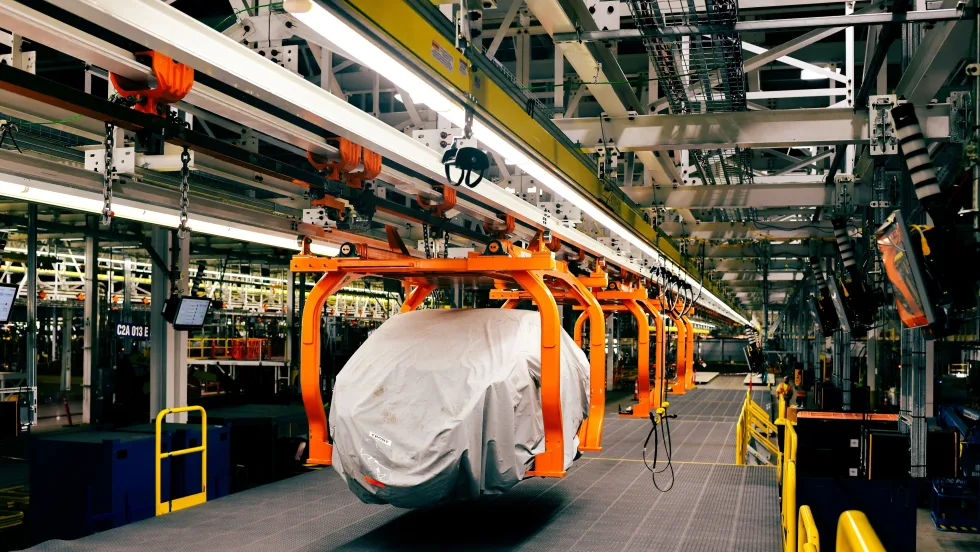
Ford Retools Louisville Plant for Fathom Electric Truck Production
Ford's $2 billion Louisville Assembly Plant overhaul introduces a three-part assembly process for the Fathom midsize electric truck, with production scheduled to begin in 2027.
Read More →
Merchants Fleet Reports 290M EV Miles as Fleets Navigate Changing Electrification Market
From millions in operating savings to hundreds of millions of EV miles, Merchants Fleet’s latest report reveals what’s working and what’s changing in fleet electrification.
Read More →
California District Commits to Electrify 25% of School Bus Fleet by 2028
One of the nation's largest school bus electrification projects to date demonstrates how grants, charging infrastructure, and public-private partnerships can help fleets transition to EVs at scale.
Read More →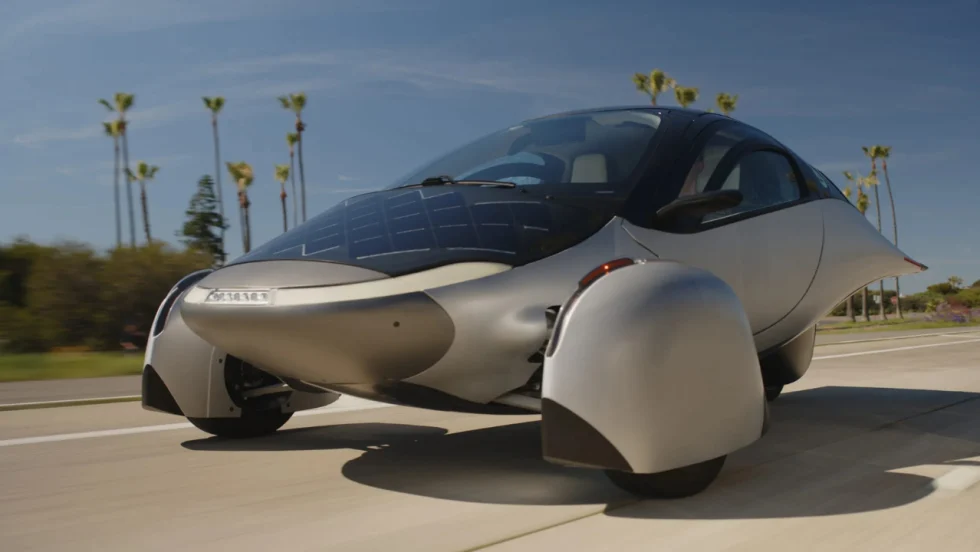
Aptera Orders Bodies and Chassis for Its First 40 Production Vehicles
Aptera Motors Corp. has issued purchase orders for the major structural components of its first 40 vehicles, and body and chassis components are expected to begin arriving in October.
Read More →