Utilimaster takes a personal approach to upfitting. Through its Work-Driven Design process, the company identifies specific challenges and solutions for every single customer.
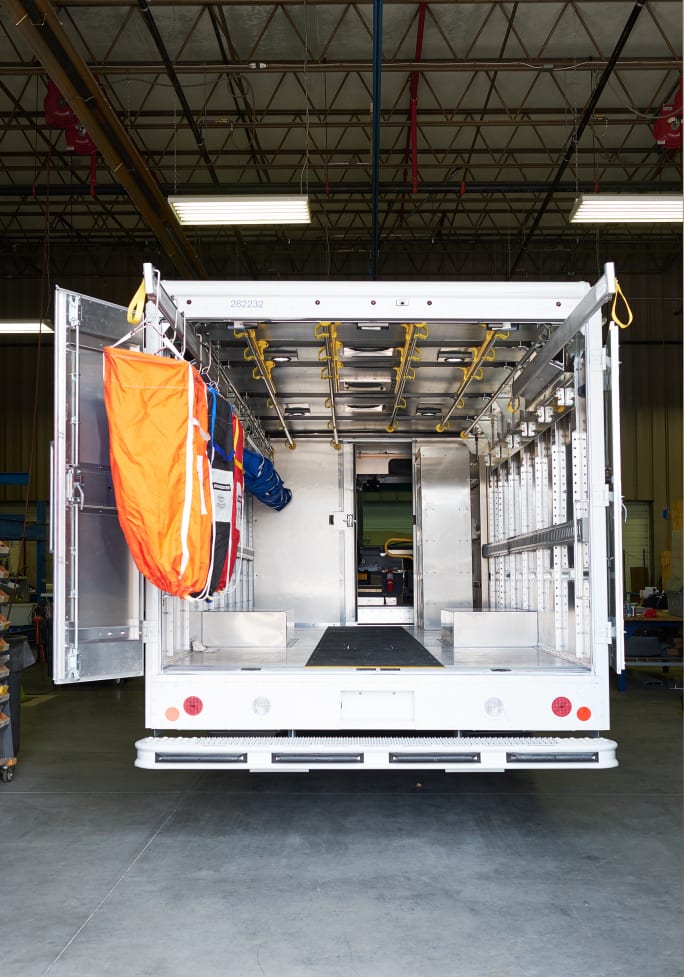
This service vehicle from Indianapolis Power and Light is one example of a vocational truck with industry-specific needs.
Photo courtesy of Utilimaster
3 min to read
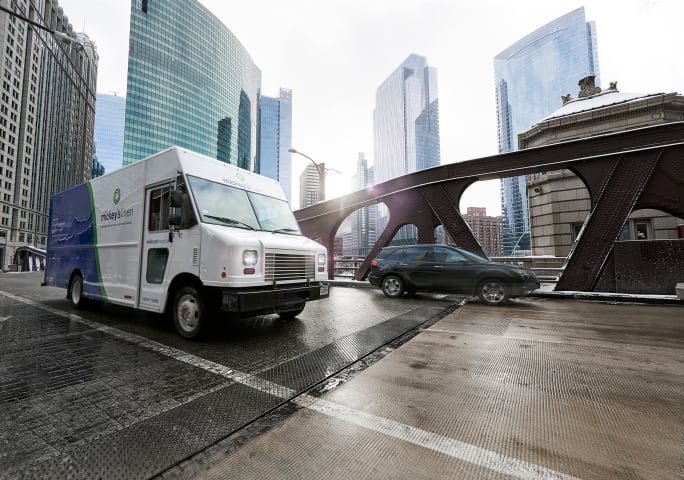
Mickey's Linen in Chicago is a Utilimaster customer.
Photo courtesy of Utilimaster
Buying the right truck is a tricky process. You have to choose the right model, build the right specs, and choose the right equipment to add on top (or inside). And, although it may seem like a challenge handled in the office, the best way to build the right truck is by go outside and talk to users.
Utilimaster takes a similar approach when it builds vehicles. The company offers vehicles and upfit solutions for Class 1-7 vehicles, and it offers them with a truly personalized design. We spoke to Chad Heminover, president of fleet vehicles & services, Spartan Motors, to learn more about the company’s Work-Driven Design process.
Ad Loading...
Instead of an off-the-shelf solution, Utilimaster designs vehicles to meet specific needs.
Photo courtesy of Utilimaster
Relationship-First Design
For more than four decades, Utilimaster has relied on Work-Driven Design, a unique process where the company engages with the customer to identify specific needs. This can mean ride-alongs with drivers, telematics studies, and conversations with customers. Using this information, Utilimaster’s engineers build a vehicle or upfit solution that allows its customers to work smarter, faster, and more efficiently.
“Relationships are extremely important in this process with the essential factor being how our engineers and our customers work hand-in-hand from design to delivery,” said Heminover.
By getting to know each customer on a personal level, Utilimaster can consult with vocation-specific experts on its team who understand the unique challenges of drivers working in parcel delivery, utility, linen and laundry, and other segments of the industry.
“The traditional approach from our competitors takes existing vehicle designs and pairs them to industry needs. They’re still selling by catalogs and forcing their buyers to ‘take what they make,’” Heminover said. “While it may provide upgrades to basic needs (as you would expect with a new vehicle), it’s not solving for efficiencies and other gains that, when realized fleetwide, can have a substantial positive impact to the bottom line.
Accommodating a Customer’s Need (and Schedule)
Getting to know each customer is a time-intensive process. But Utilimaster’s process is not uniform – not even the discovery process is constant across every customer because not every customer wants (or needs) that much face time.
Ad Loading...
“Naturally, we’re not going to do 100 hours of ride along discovery to design an upfit for one cargo van, but even in that case we are going to apply our industry knowledge and we’re going to listen to that customer’s specific needs, making sure we understand their business, their challenges, and what they need to best serve their customer,” Heminover said. “From the $214 million, 2,000 unit USPS truck body contract to a 20-unit contract to build electric walk-in vans for a leading linen and laundry service provider, AmeriPride Services, the Work-Driven Design process is used to understand the ins and outs of what that specific fleet requires.”
In some cases, a fleet needs a vehicle now and may not think it has time to develop that relationship. Utilimaster can cater to off-the-shelf scenarios when there is an immediate need. But the company still ensures that customer is taken care of.
“Fleet managers are under tremendous pressure to maintain the logistical heartbeat of the company, so it’s understandable that they may not have time for a massive discovery,” Heminover said. “However, if it’s possible to take the time to dig in and uncover the unexpected bottlenecks your fleet is facing, the end result can be a game-changer for clients.”
The former Prologis Mobility and Shell executive will help expand EV Realty’s truck charging business and move its power-first infrastructure model into autonomous vehicle depots and other fleet sectors.
After logging more than 17,000 electric miles in the first year, New Mexico’s statewide pilot is moving into its second phase with larger vehicles, continued charging evaluations, and more.
Adam Cain, president and CEO of Sustainability Partners, explains how EV-as-a-service can help fleets scale deployments by addressing duty-cycle requirements and charging challenges.
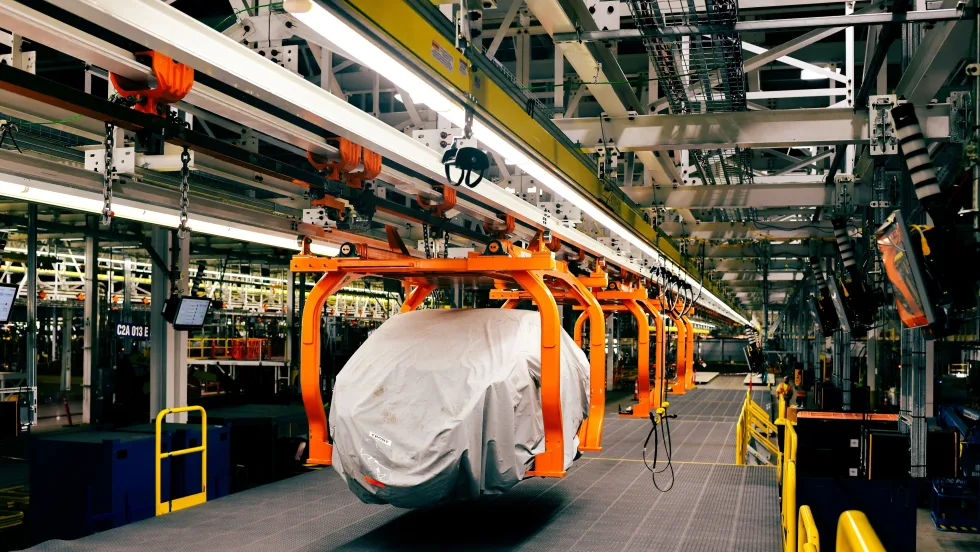
Ford's $2 billion Louisville Assembly Plant overhaul introduces a three-part assembly process for the Fathom midsize electric truck, with production scheduled to begin in 2027.
From millions in operating savings to hundreds of millions of EV miles, Merchants Fleet’s latest report reveals what’s working and what’s changing in fleet electrification.
One of the nation's largest school bus electrification projects to date demonstrates how grants, charging infrastructure, and public-private partnerships can help fleets transition to EVs at scale.
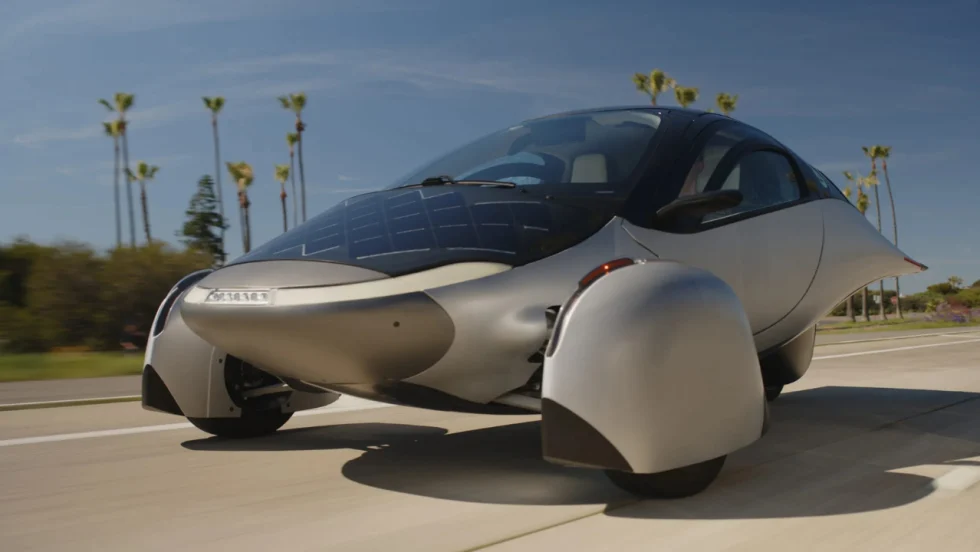
Aptera Motors Corp. has issued purchase orders for the major structural components of its first 40 vehicles, and body and chassis components are expected to begin arriving in October.