



Related News:Tariffs Factor Tightens EV Inventory
How Remarketers Can Steer Used EVs Toward More Robust Long-Term Values
Moving electric vehicles through consignor and auction channels requires a better understanding of their unique attributes and potential.
May 21, 2025

The EV Resale Challenges and Success session at CAR on March 20 featured insights from (L to R): Jimmy Douglas, CEO and founder of Plug, Stephanie Valdez Streaty, director of industry insights for Cox Automotive, Bill Corbett, business development manager of Norwalk (CA) Auto Auction, and Mike Moon, remarketing manager of northeast territory for Element Fleet Management.
Photo: Ross Stewart / Stewart Digital Media
6 min to read

In a March 19 keynote hosted by the Automotive Remarketing Alliance (ARA) during the Conference of Automotive Remarketing, Recurrent CEO Scott Case pointed to the wave of off-lease EVs this year as another indicator of how the used EV market will increase tenfold by 2030.
Photo: Ross Stewart / Stewart Digital Media
You wouldn’t know it from all the media headlines, but electric vehicles remain on a solid path to wider adoption when considering rising sales and a future used EV market ready to surge.
Two recent sessions at the 2025 Conference of Automotive Remarketing in San Diego explored the drivers of EV growth and resale values in an automotive market thrown into a volatile economic environment in the last few months.
Used EVs Ready to Soar
In a March 19 keynote hosted by the Automotive Remarketing Alliance (ARA), Recurrent CEO Scott Case pointed to the wave of off-lease EVs this year as another indicator of how the used EV market will increase tenfold by 2030.
EV owners and fleets are selling their first EVs bought or leased throughout the late 2010s and 2020s, with many springing for newer replacements.
The Inflation Reduction Act of 2022, which provided federal support for electric vehicles and a clean energy economy, has led to a 50% lease rate for battery electric vehicles since 2024, said Case, whose Seattle-based firm provides EV-related data for EV owners, fleets, remarketers, and dealerships.
The IRA’s $7,500 federal tax credit has spurred an increase in lease rates for battery electric and plug-in hybrid vehicles due to a loophole that allows leased EVs to qualify for the credit regardless of where the battery was sourced, he said.
However, Case cautioned that federal and state EV policies are in flux due to the new political makeup in Washington, D.C., which is causing more uncertainty about regulations, rebates, and EPA emission standards. As a result, EV buyers and sellers must pay more attention to the political and cultural factors affecting EV markets, he said.
EV Remarketing Strategies
Overall, the EV market is seeing more focus on battery health, driving range, and charging speed in sizing up electric vehicles, Case said.
“EV remarketing is just a different beast. It requires a different strategy, which is tied to EVs being physically different cars. The battery is the new odometer, and that is vital for what your strategy will be.”
Battery conditions are emerging as a big driver of the car’s worth, even after just three years, he added.
Case foresees a new factor emerging with used EV valuations — precisely identifying battery wear and tear based on charging patterns and battery condition instead of the traditional mileage/time limits.
“We see a huge opportunity for establishing certified pre-owned (CPO) programs for EVs that differ from those of CPOs for combustion engine cars.”
With used EV prices declining, CPO programs become more attractive, drawing upon input from dealerships and OEM captive finance companies, he said.
EV Batteries Satisfy Expectations
Since 2013, battery costs have been falling while EV ranges have increased as automakers can expand battery capacity at the same or lower costs. Technology and economies of scale continue to drive more affordable and efficient batteries.
“Having battery and range information is so important for the confidence of buyers and dealers buying EVs from the auctions,” Case said. “The reality is that batteries are generally holding up better than shoppers’ expectations. It’s about creating confidence that your EV is not an iPhone with wheels. It's not going to wear out like an iPhone does.”
In looking ahead at EV adoption, data sharing and battery condition monitoring will inform EV remarketing approaches while the EV industry will become more domestically self-sufficient, he said.
“The U.S. is on track for what has been termed lithium independence by 2030 so we will produce all the lithium that’s necessary for all car batteries,” Case opined. “Everything else can be made in the U.S. based on all the mining investments and their support.”
Ensuring EVs Succeed in the Market
During a related session the next day, a panel delved into the EV resale challenges and success stories. The panelists included Jimmy Douglas, CEO and founder of Plug; Mike Moon, remarketing manager of the northeast territory for Element Fleet Management; Bill Corbett, business development manager of Norwalk (CA) Auto Auction; and Stephanie Valdez Streaty, director of industry insights for Cox Automotive.
Streaty outlined some basic statistics:
In 2024, 1.3 million EVs were sold in the U.S. in 2024, with Tesla's market share decreasing due to more competition from other OEM EV models
Wholesale EV sales increased by 74%, with 84,000 units sold.
Used EV sales grew by 62%.
About 500,000 EVs were leased in 2024, with 40% scheduled to enter the market by 2026.
Overall, EVs comprise 2% of the automotive market so far.
The panel underscored the need for accurate EV battery health ratings, standards for assigning resale values, and more dealer education about EVs.
They noted that used EVs retain most of their battery capacity, with Tesla models maintaining 88% after 200,000 miles.
Panelists offered the following trends and insights:
Douglas noted dealers' broader adoption of used EVs, driven by the $4,000 tax credit and accessible inventory.
Streaty said state incentives and EV infrastructure for dealerships are essential to selling used EVs.
Douglas and Corbett shared a successful project involving a set of 29 electric vehicles coming from a commercial consignor into an auction that could be efficiently evaluated by syncing their onboard data with software at the auction. [CB5][MR6] That sped up the ability to identify repairs and prepare the EVs for the sales process.
Corbett stressed the need for Tesla tech availability and the importance of condition reports and buyer relationships.
Strategies for handling EVs at auctions and in retail remarketing should also include understanding and addressing specific EV complexities, such as battery condition and tax credit qualification.
So far, only 500-600 dealers nationwide are actively selling wholesale used EVs, Douglas said. While the tax credit and decreasing prices have improved dealer participation, many still opt out.
Moon compared EV depreciation to that of luxury ICE vehicles, noting the lack of standardization in battery health reporting. “If you are looking at EVs for depreciation, you want apples to apples instead of oranges to apples. EVs are like luxury ice vehicles. If you’re looking at a luxury vehicle, you’re buying the latest and greatest technology and design. So once that warranty period ends, you will have sharp depreciation like with an EV.”
Auctions must ensure they have the proper certifications and charging stations to handle consigned vehicles, Corbett said. An auction team needs to be familiar with EVs, which can move faster through auctions than ICE vehicles due to fewer parts and repair points. Operations should also set up safety controls and certified staff to properly handle battery storage and maintenance. He advised consignors to be clear on the standards and procedures of auctions to ensure their vehicles move through as efficiently as possible.
Streaty said standard battery health reporting and testing can determine more accurate resale values of EVs. The remarketing industry needs more education on EV battery health and how to apply data in determining EV values.
Remarketing operations also should attract and train a wider demographic of EV technicians to handle the expected flow of EVs entering auction and dealer channels, she added.
Reducing service needs with high-quality manufacturing and technicians can boost the values of EVs, Douglas said. “The reality is it’s highly technical, skilled, and high-paying work, and we need more people entering that space. But the best service is no service. We must ensure quality factory settings so you can put EVs on the road for several years without seeing a technician — if you do it right.”
Other factors contributing to EV market success are improved vehicle design, aesthetics, and aerodynamics that help to create more compact, affordable EVs, Douglas said.
Panelists stressed that EV range, prices, and charging infrastructure are the main dynamics that will influence future EV demand.
Topics:RemarketingUsed VehiclesWholesale VehiclesFleet RemarketingConference of Automotive RemarketingElectric VehiclesVehicle Research
Originally posted on Automotive Fleet
Subscribe to Our Newsletter
More Electric Vehicles
EV Charging Use Is Outpacing Infrastructure Growth
ChargePoint’s 2026 Charging Forward Report points to rising charger use, higher-powered charging, commercial vehicle electrification, and energy-management technology. Here’s what fleets should know.
Read More →
EV Realty Names Henrik Holland President as Charging Platform Expands
The former Prologis Mobility and Shell executive will help expand EV Realty’s truck charging business and move its power-first infrastructure model into autonomous vehicle depots and other fleet sectors.
Read More →
GreenPower Expands New Mexico EV Pilot With Larger Buses, V2G Testing
After logging more than 17,000 electric miles in the first year, New Mexico’s statewide pilot is moving into its second phase with larger vehicles, continued charging evaluations, and more.
Read More →
Can EV-as-a-Service Help Fleets Scale Electrification?
Sustainability Partners CEO Adam Cain explains how matching EVs, charging infrastructure, and duty cycles can help fleets scale electrification.
Read More →
How EV-as-a-Service Is Moving Fleets Beyond Pilots
Adam Cain, president and CEO of Sustainability Partners, explains how EV-as-a-service can help fleets scale deployments by addressing duty-cycle requirements and charging challenges.
Read More →
PowerFlex, The Mobility House Join Forces to Advance Fleet Electrification
Two EV charging providers are joining forces to deliver a broader portfolio of energy management and fleet electrification solutions.
Read More →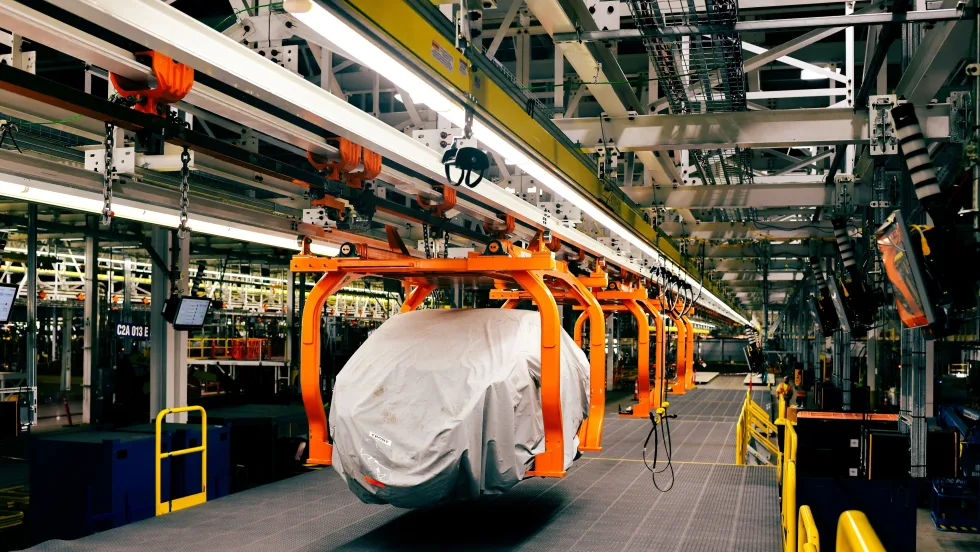
Ford Retools Louisville Plant for Fathom Electric Truck Production
Ford's $2 billion Louisville Assembly Plant overhaul introduces a three-part assembly process for the Fathom midsize electric truck, with production scheduled to begin in 2027.
Read More →
Merchants Fleet Reports 290M EV Miles as Fleets Navigate Changing Electrification Market
From millions in operating savings to hundreds of millions of EV miles, Merchants Fleet’s latest report reveals what’s working and what’s changing in fleet electrification.
Read More →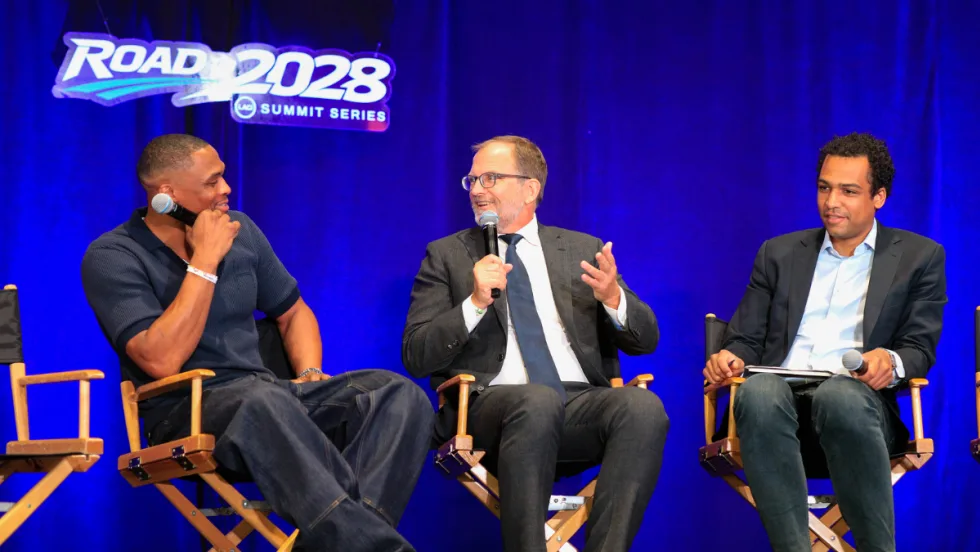
California District Commits to Electrify 25% of School Bus Fleet by 2028
One of the nation's largest school bus electrification projects to date demonstrates how grants, charging infrastructure, and public-private partnerships can help fleets transition to EVs at scale.
Read More →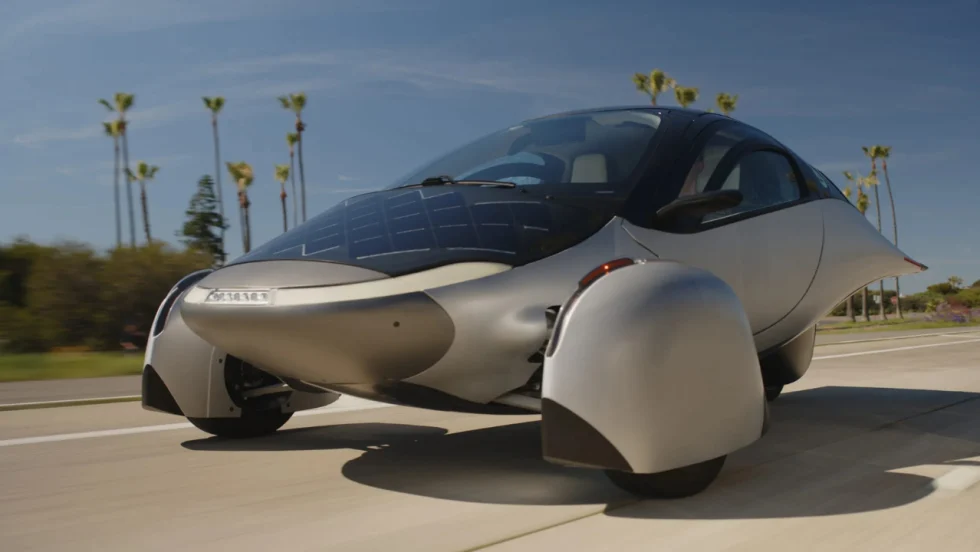
Aptera Orders Bodies and Chassis for Its First 40 Production Vehicles
Aptera Motors Corp. has issued purchase orders for the major structural components of its first 40 vehicles, and body and chassis components are expected to begin arriving in October.
Read More →