


Greener Coach Travel Gets Traction
While motorcoach operators already offer customers a greener travel alternative with high passenger volume, the future holds even more promise for promoting coaches as an eco-friendly option.


While motorcoach operators already offer customers a greener travel alternative with high passenger volume, the future holds even more promise for promoting coaches as an eco-friendly option.
A new certification program has emerged that will showcase the benefits of greener transportation and motivate operators and clients alike to choose it. The next generation of alternative fuels also will help define green motorcoaches in the next 10 years.
The United Motorcoach Association (UMA) is working with the University of Vermont on the Green Coach Certification Program, which will go beyond simply certifying companies as "green" by measuring performance.
"The project really recognizes our contribution and encourages companies to participate in the reduction of greenhouse gases," says Victor Parra, president and CEO of UMA.
If Congress does move on a cap-and-trade bill, coach operators will be able to measure how much they reduce greenhouse gas emissions, (GHGs) and sell that to other entities that may exceed their cap requirements, such as a utility, Parra says.
"Once we get this off the ground, we can publicly demonstrate our contribution to reducing GHGs," Parra says. "I think this will make a huge impact on our industry."
Green certification pilot
Transportation is a major source of GHG emissions worldwide, mostly from gasoline but also from vehicle air conditioners. In the U.S., the transportation sector produces nearly 33% of all GHG emissions, with passenger transportation accounting for about 70% of those emissions, says Dave Kestenbaum, professor and senior program manager of the Vermont Tourism Data Center at the University of Vermont.
Kestenbaum heads up the research project for the Green Certification Program. His research team is working with American Bus Association, UMA, and the EPA to make the pilot permanent and offer a labeling program for those motorcoaches that can be certified.
The group targeted the motorcoach industry because buses have proven to be one of the greenest ways to travel. Kestenbaum says. "With vehicles that usually get 150-plus passenger miles per gallon, that equates to very low carbon intensity per passenger mile," he says. "Motorcoaches have a great story to sell and to tell. This is just another way for them to communicate it to the public."
Most operators already meet at least one of the criteria for the Green Coach Certification Program: Meeting or exceeding the industry average of 148 passenger miles per gallon; running an EPA 2010-compliant engine; offsetting carbon emissions by 80% through a carbon trading program; using an alternative fuel such as biodiesel; and having a verifiable energy conservation and recycling program.[PAGEBREAK]
Kestenbaum set out in 2000 to provide a consumer labeling program and awareness campaign to help travelers choose the most environmentally friendly mode of transportation. He looked to the well-known Energy Star program as a guide. "Twenty years ago, people came up with the idea of labeling energy consumption on appliances. [Initially,] there wasn't a lot of demand, but the longer the label has been in the marketplace and the more people have seen it and identified with it, the more important it has become to them as consumers, and to manufacturers."
In 2006, Kestenbaum and the University of Vermont started working with Burlington, Vt.-based LaMoille Valley Transportation to get the operator to adopt more eco-friendly measures, such as using biodiesel, and promote its environmental message to the public. Kestenbaum and his research team supplied a communications strategy, developing press releases, getting newspaper blurbs, and scoring coverage from local radio and TV stations. LaMoille Valley's business grew by double digits each quarter. The company salesperson reported getting several calls requesting the "BioBus" and to "ride with the green company," Kestenbaum recalls.
Soon after, the researchers began working with ABA and UMA to draft criteria for the Green Coach Certification Program. In May 2009, they put out a call to the industry for operators to participate in an 18-month pilot program. About 20 companies certified all their vehicles or a number of vehicles in their fleets. Now, there are more than 1,000 vehicles that meet the criteria, representing about 4% of motorcoaches in the U.S. The operators that complete the program are recognized with a green label, similar to Energy Star.
The next phase for the program beyond the pilot stage will be adding more educational and public relations components. "We would [offer] eco-driving clinics," Kestenbaum says. "Eco-driving has been shown to reduce fuel consumption by 12% to 30%." Other additions would include carbon accounting, emissions inventories, climate registries, education campaigns, and printed announcements for drivers, operators and customers."
Alternative fuel challenges
Switching to alternative fuel use is a key part of going green. It is widely accepted that biodiesel has reduced the environmental carbon footprint of fuel by 25% to 30%, Kestenbaum says. However, biodiesel use among motorcoach operators is extremely low because ultra low sulfur diesel is all that's available in many areas, Parra says.
Kestenbaum's research numbers support Parra's assertion that few operators in the U.S. make use of biodiesel fuel. Only about 10 operators in the U.S. regularly use a biodiesel blend in most of their vehicles. Most operators are split in their opinion of biodiesel: one-third believe that it's a good idea to use it, about half are neutral, and 20% don't think it's a good idea to use the fuel at all.
The main reasons operators report not using biodiesel often include cost, difficulty of use, not knowing it was an option, or concern about equipment damage, Kestenbaum says. There used to be more concern about consistency and quality of biodiesel because the first generation was often produced without standards or controls.
However, the next generation of biofuels has more consistent quality, Kestenbaum says. "Using biofuels today is a good intermediate step. It familiarizes operators with the concept of using something [other than] petroleum, and sets the stage for using this next generation of fuels."
Related:
More Batteries/Tech
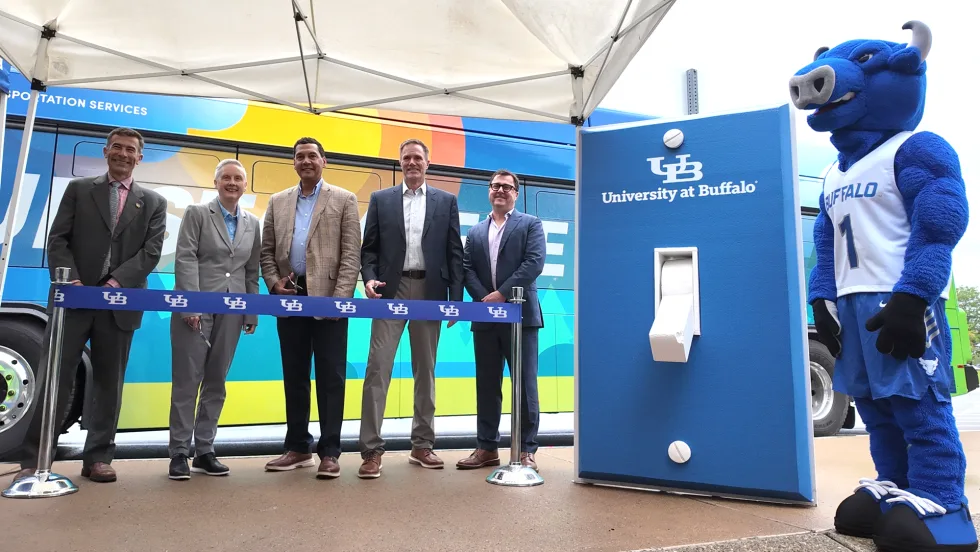
University at Buffalo Deploys 8 Electric Buses, 10 Chargers
The university, WeDriveU, and Zenobē welcomed the first electric buses to the school’s fleet under its zero-emissions roadmap.
Read More →
Samsung SDI Takes Full Control of GM Battery JV as Indiana Plant Pivots to Energy Storage
Samsung SDI is taking full control of its Indiana battery plant with GM, marking a major shift from the EV-focused joint venture Charged Fleet first covered in 2023.
Read More →
Xos White Paper Asserts LA Olympics Will Lack Enough EV Chargers
The commercial EV fleet company recommends some faster and more flexible remedies to relieve the anticipated shortfall.
Read More →
New EV and Hybrid Training Available For Auto Technicians
The curriculum covers those skill sets highly sought by electric fleet operations.
Read More →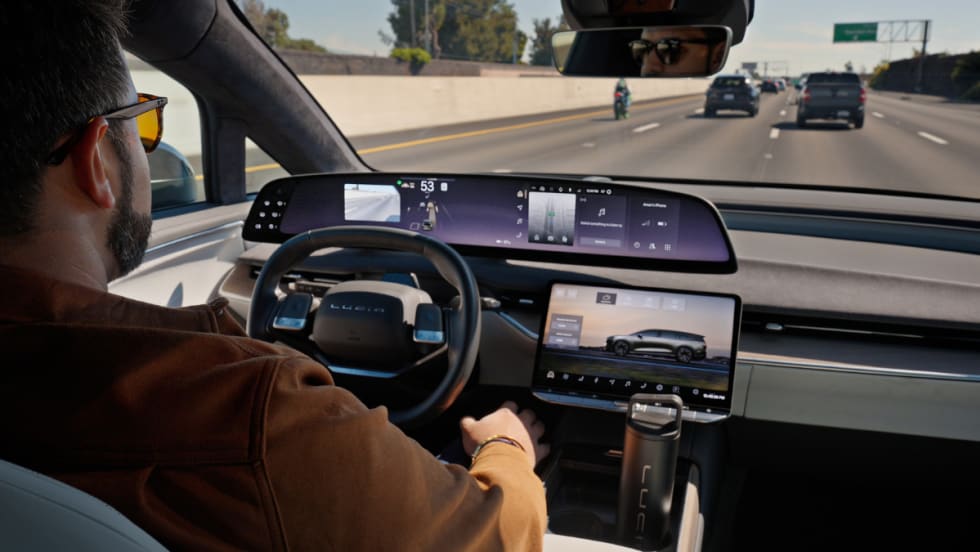
Lucid Adds Hands-Free Highway Driving, Software Updates To Gravity SUV
Hands-free drive assist makes highway driving more comfortable while keeping drivers attentive to the road.
Read More →
California Adopts Sweeping New Autonomous Vehicle Regulations
Updated DMV rules open the door for heavy-duty AV testing and deployment while strengthening safety standards, emergency response coordination, and manufacturer accountability.
Read More →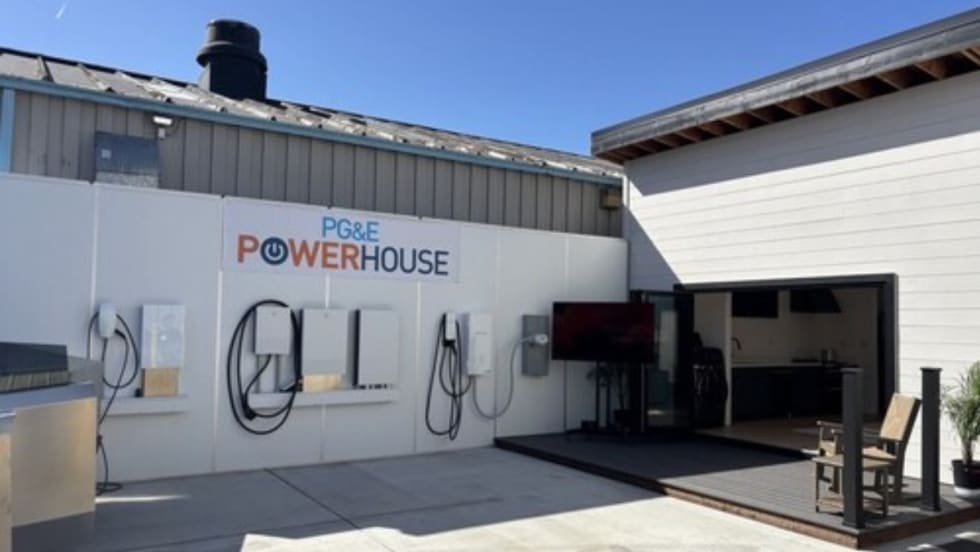
All Electric Test House Could Ease Path To EV Usage
An experimental model home shows how residential charging could enable electric fleet operations by allowing drivers to take EVs home.
Read More →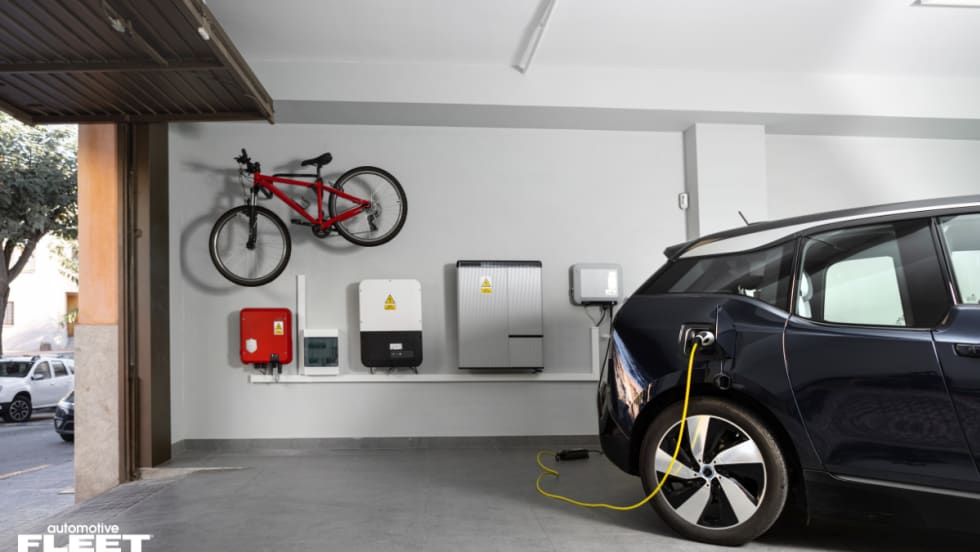
WEX Launches Solution to Close EV At-Home Charging Visibility Gap
At NAFA I&E 2026, WEX debuted an EV solution that adds a layer of verification to help fleets track, validate, and trust every at-home charging dollar.
Read More →
Major Truck Charging Hub Opens In Southern California
EV Realty opens a 76-port, 9 MW truck charging hub in San Bernardino, designed to support more than 200 medium- and heavy-duty vehicles per day with CCS and MCS capability.
Read More →
Software Speeds Up EV Fleet Charging
Learn about a new level of energy management that helps fleets control costs while maintaining service reliability. [VIDEO]
Read More →