


GM's Electric Van
What has four wheels, runs on pennies a day, needs no gasoline, and is virtually maintenance-free? The answer: an electric van. Fleet professionals at United Airlines have been quick to recognize its potential.
Out on the tarmac of the San Francisco International Air-port, a van bearing United Airlines colors makes its rounds. The van is readily identified as a General Motors product, even at night, when it's usually employed. The vehicle is used by the swing and graveyard shifts of the airline's aircraft engineering group to deliver tools and equipment to technicians servicing United jetliners. The van moves from one area to another, rarely traveling more than three miles in a spurt. When it's not being driven, it sits idling with its lights on and its electrical systems operating. In cold or wet weather, the wipers and heaters are left running as well.
Among the multitude of vans in United's vehicle fleet at maintenance bases both in San Francisco and at Chicago's O'Hare Airport, this van is unique. It is absolutely silent when it's being driven. It produces no pollution. It is electric.
Bob Matkovich, a staff engineer with United's fleet management operations in its ground equipment and maintenance group, rates the electric van's operations highly. "We've had the vehicle in service more than two years, and we've had no problems, no major repairs, and little downtime. The van is typical of more than 100 electric vehicles we use, such as baggage tractors, belt loaders, and container loaders," Matkovich says. "Electric vehicles give us the reliability we need, and this van is so reliable we don't even have a maintenance history on it."
Echoing Matkovich's praise of the electric van is Dick Thayer, foreman of plant and ground equipment maintenance. "I think electric vehicles definitely have a place here," he says. "They're quiet, pollution-free, and maintenance-free. In the time we've had the electric van, we've had few problems. Once the battery tray had to be removed to be straightened after a minor accident when the van was driven over an aircraft part and the tray frame was bent. And the lever operating the windshield wipers has been torn off several times by people who thought it was a gear shift."
Doug McMahon, lead mechanic at United's San Francisco maintenance base, reports, "It's a very good vehicle. We've had no maintenance problems whatsoever, and the people who drive it like it." Maintenance, according to McMahon, consists of recharging the batteries and replenishing the battery water supply. Water replenishment, done on the average of once a month, requires hooking up to an automatic watering trolley. "We just attach quick-disconnect couplings to receptacles under the hood and leave it alone," McMahon explains. "When the water level is correct, the equipment shuts off. It takes a few minutes at most." To recharge the batteries takes from eight to 14 hours, according to McMahon. Recharging is typically done during daylight hours when the vehicle is out of service. Lines from a dolly-type charger, specifically designed to service the vehicle, are plugged in under the hood, and the batteries are automatically recharged.
The United Airlines GM van is one of 36 originally shipped to North America for testing and evaluation. All of these units were manufactured in the United Kingdom by Bedford Commercial Vehicles, a division of General Motors Overseas Commercial Vehicle Corp., in cooperation with Lucas Chloride EV Systems Ltd. The vans, based on GM's G-van but slightly smaller, are called Griffons. Coordination of the electric van program in the U.S.is handled through the Electric Vehicle Development Corp. (EVDC), since the production of vehicles was stopped in England.
The program began with a shipment of four vehicles to the U.S. in 1984, according to Dave Harris, operations manager-North America for Lucas Chloride. In 1986, further deployment resulted in the increase to 36 Griffon electric vans, 31 shipped to the U.S. and five to Canada. The van began its life as a chassis, or glider, with no engine or transmission. The van is upfitted with electric components consisting of a drive motor, battery pack, and controller, which form the drive system.
Since 1977, more than 100 prototype electric vans have traveled more than 1.5 million operational miles throughout the world. During 1986 the North American GM Griffons accumulated more than 200,000 miles of use. The vans have proven to be traffic compatible, which means they can maintain normal street and highway speeds, and are cost efficient. The Griffin's top speed is 50 to 60 mph, with acceleration from 0 to 30 mph in 11 to 13 seconds. The van's range is 50 to 60 miles before recommended recharging. The electric van's operating costs are competitive with those of a gasoline-powered van. In United Airlines fleet service, the GM electric van cost under $2.00 per hour. Calculating the performance comparison, Bedford/GM began with annual mileage of 11,250, or 45 miles per day, five days per week, as the working range of the vehicle. The data assumed an eight-year in-service life for the vehicle. The higher depreciation costs were offset by the lower maintenance costs, and the cost of the battery over its four-year life were offset by substantially reduced fuel costs. However, when the electric van is compared to the gas-powered van over a six-year life cycle, the electric van came out ahead in cost savings.
Because of interest and enthusiasm from van-fleet operators and increased pressure from environmental agencies across the U.S. for the deployment of vehicles using alternate fuels, the electric van is rapidly gaining acceptance. It is projected that the potential for the electric vehicle market for various truck models, including vans, will approximate 300,000 units by 1992.
That projection results from data collected by the EVDC, which is a nonprofit group funded by membership dues from utilities, vehicle manufacturers, and various other institutions. EVDC was formed as an extension of the Electric Power Research Institute (EPRI) to promote the commercial and market development for electric vehicles.
According to Brunner, national results of a recently-conducted survey in the 30 leading urban markets, representing 50 percent of all the commercial fleets in the U.S., indicate that current-technology vehicles, such as the GM electric van, could potentially replace 137,000 vans in commercial fleets in those top 30 markets alone.
According to Jack Davis, fleet account executive for Chevrolet Motor Division, Chevrolet plans to market an electric G-van model (CG11305) with a 6,600 GVWR beginning in September or October this year. The vehicle will be a 1989-model-year van featuring a cruising range of 50 to 60 miles and carrying a one-and-a-half-ton payload. The electric van will be produced at GM's Lordstown, OH plant and shipped as a glider for the aftermarket installation of a Chloride electric power unit.
"A market will really develop among large fleets in metropolitan areas, where we anticipate additional incentives for air quality," he predicts. "For example, New York City is mandating the percentages of electric vehicles in fleets and considering free parking for electric vehicles, which could be a considerable savings in fleet budgets."
Originally posted on Automotive Fleet
More Vehicle Research
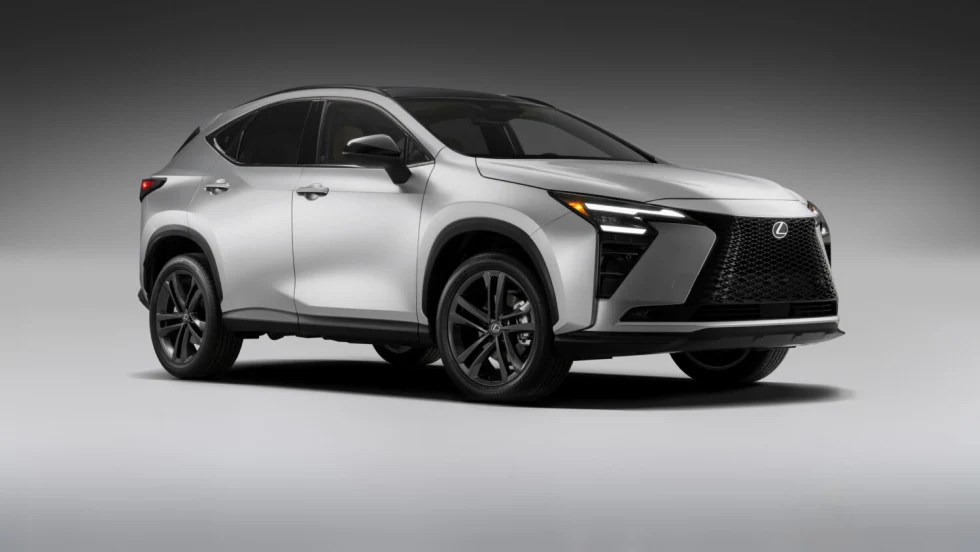
2027 Lexus NX Moves to Fully Electrified Lineup
For 2027, the NX moves to an entirely electrified lineup, with either hybrid or plug-in hybrid powertrains.
Read More →
2027 Mitsubishi Eclipse Sportback Named Green SUV of the Year
Green Car Journal recognized Mitsubishi’s new battery-electric crossover, which offers NACS compatibility and DC fast charging at up to 150 kW.
Read More →
Dave Carroll Named President of Ford Energy
Carroll succeeds Lisa Drake, who will remain with Ford through Dec. 31 to support the leadership transition.
Read More →
City of Long Beach Named No. 1 Green Fleet of 2026
NAFA's 2026 Green Fleet Awards recognized fleets for sustainability efforts spanning alternative fuels, technology, facilities, workplace culture and fleet operations.
Read More →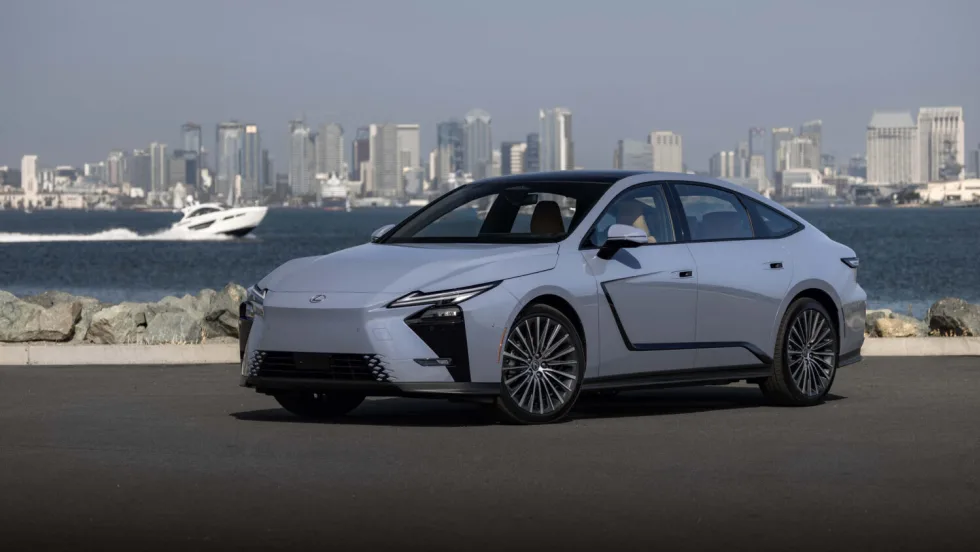
2027 Lexus ES Adds First Battery-Electric Models
The ES 350e and ES 500e join the hybrid ES lineup with up to 338 hp, an EPA-estimated 307 miles of range and standard NACS charging capability.
Read More →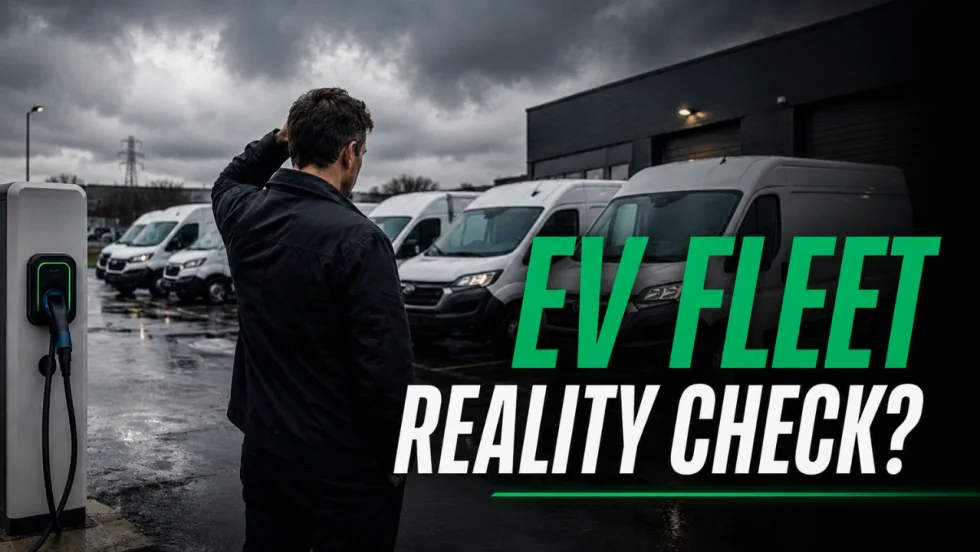
EV Fleet Reality Check: What Operators Wish They Knew Before Electrifying Their Work Vans
Electric work truck upfits bring new compatibility questions. Learn how parts availability, OEM guidance, power demands, and route planning can affect fleet performance.
Read More →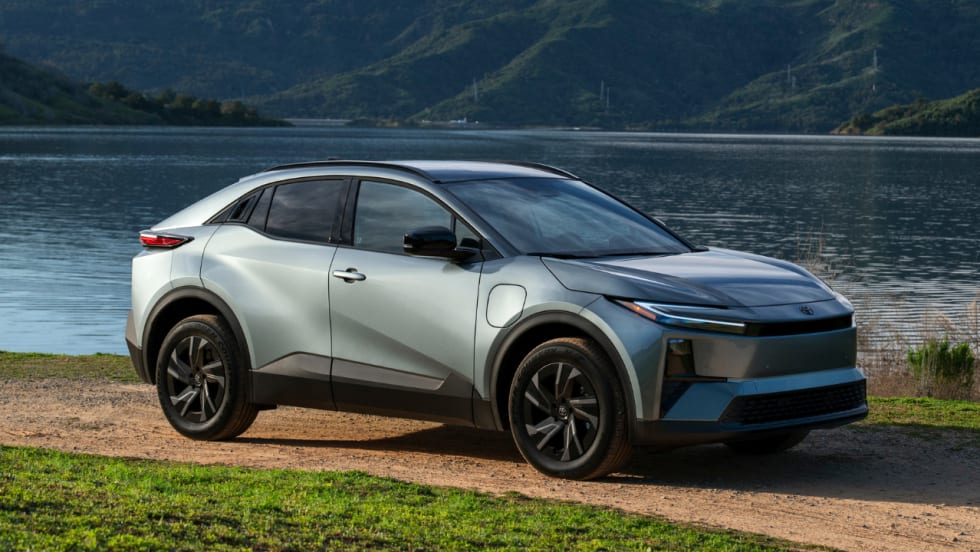
2027 Toyota C-HR Offers 287-Mile Range and Standard AWD
Toyota’s 2027 C-HR brings 287 miles of estimated range, standard all-wheel drive, and NACS fast-charging capability to the compact EV market. See what its mix of performance, cargo space, and everyday technology could offer business users.
Read More →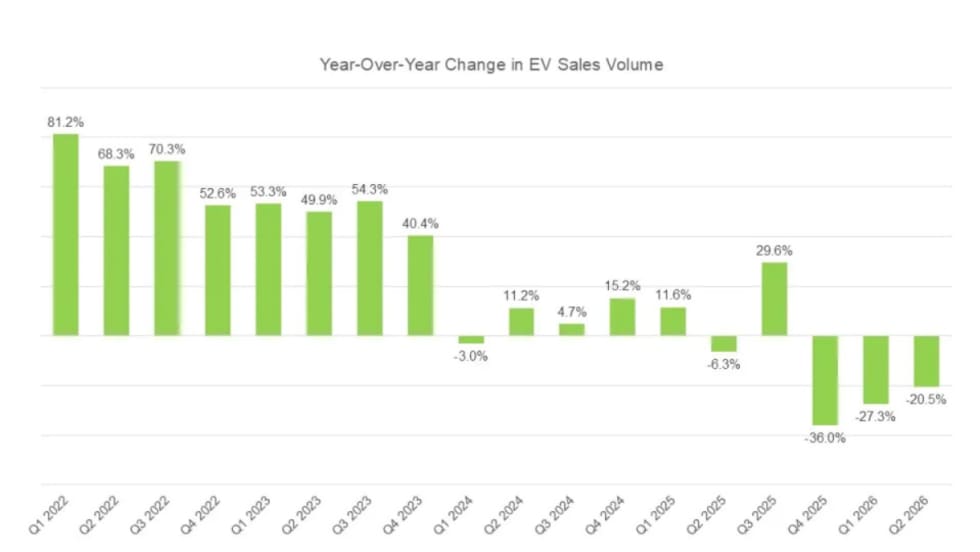
New Vehicle Models Stabilize Electrified Market In Q2
But more credit goes to hybrids than to all-electric vehicles, as more buyers look for fuel-efficient alternatives amid high gas prices.
Read More →
Slate Debuts Colorful, Unique EV Models
A recent media and client event, studded with electric vehicles dressed up on platforms, planted a new position for the manufacturer in the wider EV market. Fleets will find cost-saving advantages.
Read More →
Slate Electric SUV, Pickup Switchable Model Aims For Light-Duty Fleets
Everything about this EV is counterintuitive and understated, making it stand out from the crowd.
Read More →