



Related: IHS: EV Sales Reach Record Highs
Fleet Remarketers Discuss Anticipated EV Remarketing Volume
Current sales of electric vehicles are largely driven by incentives, and while incentives help move the metal on the new-vehicle front, they have a negative effect when it comes to residual values.
April 22, 2019
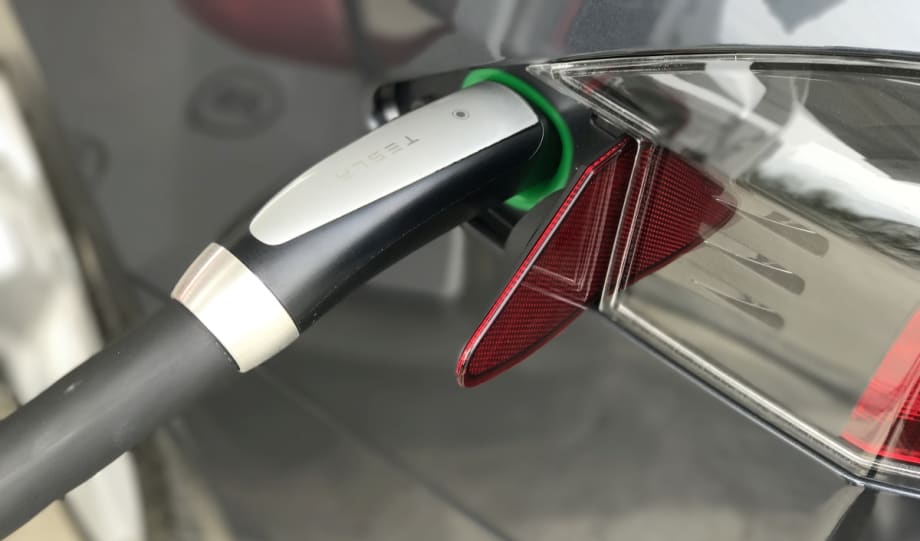
The cost of producing electric vehicle batteries and the reliability of certain electric vehicle batteries are two factors that are hurting electric vehicle adoption among commercial fleets.
Photo by Eric Gandarilla.
3 min to read
Electric vehicles currently hold a tiny presence among corporate fleets, and a large factor driving that fact is the high price tag that comes with an electric vehicle.
Current sales of electric vehicles are largely driven by incentives, and while incentives help move the metal on the new-vehicle front, they have a negative effect when it comes to residual values.
Their small presence among fleets also means that corporate fleets aren't currently remarketing many electric vehicles and the electric vehicles that are making it to auction are being met with high depreciation.
Remarketers from four fleet management service companies discussed the state of electric vehicles among fleets and where they expect the segment to be in the coming years with Vehicle Remarketing.
Electric vehicles currently comprise less than 1% of the overall vehicle fleet in the U.S., according to Darrin Aiken, AVP of Vehicle Remarketing for Wheels.
"A commercial client will go to the cheapest cost to satisfy the need," Aiken said. "If gas is around where it is right now, in the $2 gallon range, clients won't look at electric vehicles much unless they have a green initiative. Manufacturers should continue to sell electric vehicles to see how that technology changes but right now a lot of our clients aren't buying them. That's not to say electric vehicle presence won't eventually grow, but it's not there yet."
The future of electric vehicles among fleets will be primarily reliant on the pace that battery technology is able to advance at, noted Alex Fraser, general manager fleet management services for Cox Automotive Mobility and Chris Clarke, manager, North American Remarketing for ARI.
Clarke noted that as the cost of batteries goes down, the cost of the vehicles will also go down, as the large part of an electric vehicle's cost is directly tied to its battery. Battery reliability also needs to be improved, Clarke added, as a reason that certain electric vehicles don’t do well at auction is because they have a reputation of having batteries with a relatively low lifecycle.
As battery reliability improves and buyers are more comfortable with the longevity of what they're buying, resale value growth should also follow.
"Certain EVs have much better documented battery holding power," said Fraser. "Vehicles with batteries that hold battery well continue to sell well. Tesla in an open market will bring good money. Other EVs that hold their battery well also perform well. We've all experienced the depreciation electric vehicles live with. That puts pressure on manufacturers, not just around cost be reliability. The way people use these vehicles, they need the car to work."
Hybrid-Electric Vehicle Presence
While pure electric vehicles are struggling to find their footing among fleets, hybrid electric vehicles have seen more success.
Jeffrey Perkins, general manager, fleet operations for Motorlease Corp., said that Toyota comprises a large percentage of his company's portfolio. And among those Toyota vehicles, hybrids account for a fair percent, he added.
"With Toyota in particular, we've moved a lot to hybrid versions," Perkins said. "The cost to buy these cars has gone way down so we're seeing good residual values. The residual values for Toyota hybrid have gotten to the point that they make up for the initial cap cost. They have worked for us."
Topics:Residual ValuesTechnologyOperationsDepreciationElectric VehiclesIncentives/GrantsVehicle Research
Originally posted on Vehicle Remarketing
Subscribe to Our Newsletter
More Electric Vehicles
EV Charging Use Is Outpacing Infrastructure Growth
ChargePoint’s 2026 Charging Forward Report points to rising charger use, higher-powered charging, commercial vehicle electrification, and energy-management technology. Here’s what fleets should know.
Read More →
EV Realty Names Henrik Holland President as Charging Platform Expands
The former Prologis Mobility and Shell executive will help expand EV Realty’s truck charging business and move its power-first infrastructure model into autonomous vehicle depots and other fleet sectors.
Read More →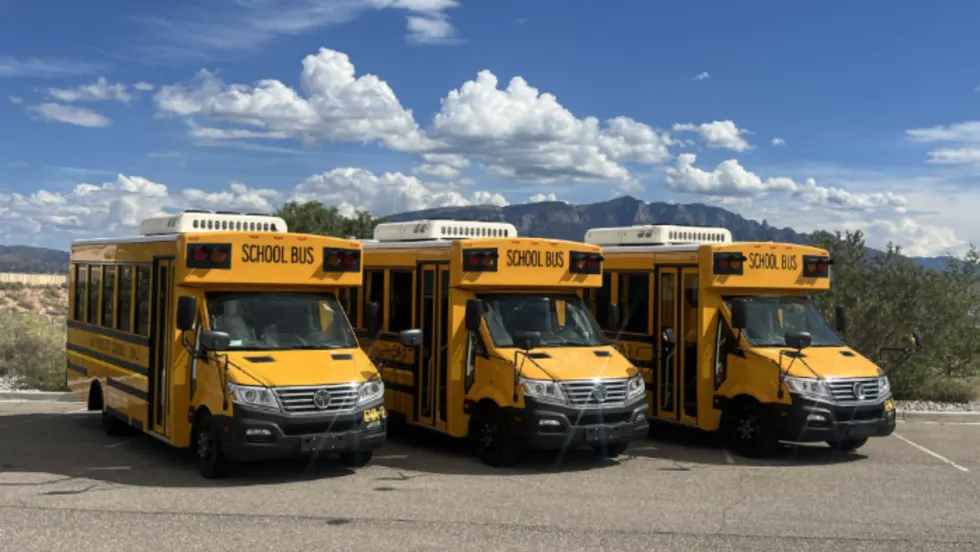
GreenPower Expands New Mexico EV Pilot With Larger Buses, V2G Testing
After logging more than 17,000 electric miles in the first year, New Mexico’s statewide pilot is moving into its second phase with larger vehicles, continued charging evaluations, and more.
Read More →
Can EV-as-a-Service Help Fleets Scale Electrification?
Sustainability Partners CEO Adam Cain explains how matching EVs, charging infrastructure, and duty cycles can help fleets scale electrification.
Read More →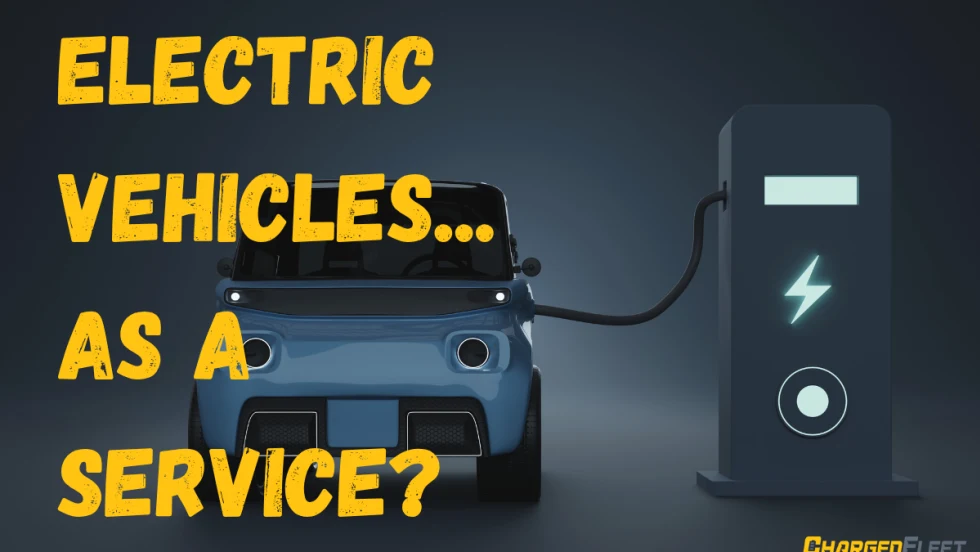
How EV-as-a-Service Is Moving Fleets Beyond Pilots
Adam Cain, president and CEO of Sustainability Partners, explains how EV-as-a-service can help fleets scale deployments by addressing duty-cycle requirements and charging challenges.
Read More →
PowerFlex, The Mobility House Join Forces to Advance Fleet Electrification
Two EV charging providers are joining forces to deliver a broader portfolio of energy management and fleet electrification solutions.
Read More →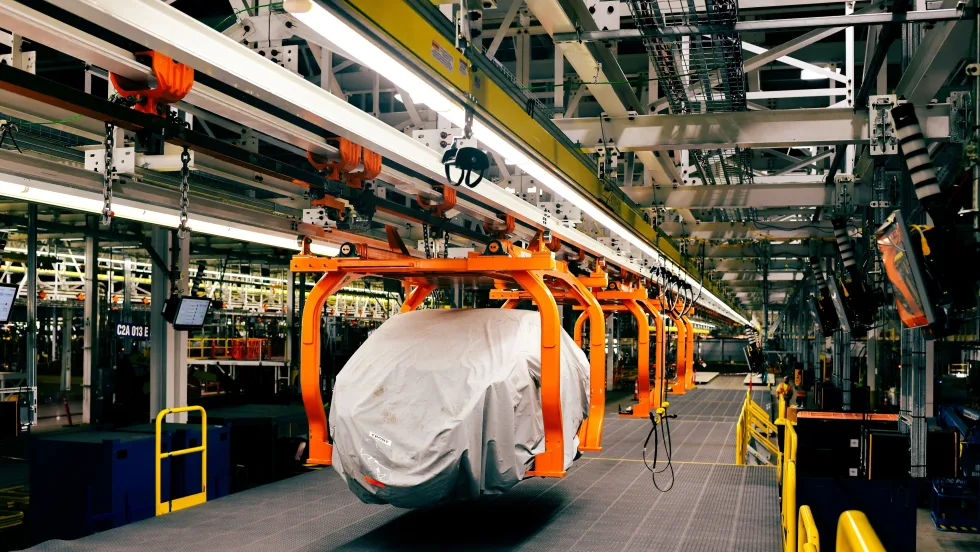
Ford Retools Louisville Plant for Fathom Electric Truck Production
Ford's $2 billion Louisville Assembly Plant overhaul introduces a three-part assembly process for the Fathom midsize electric truck, with production scheduled to begin in 2027.
Read More →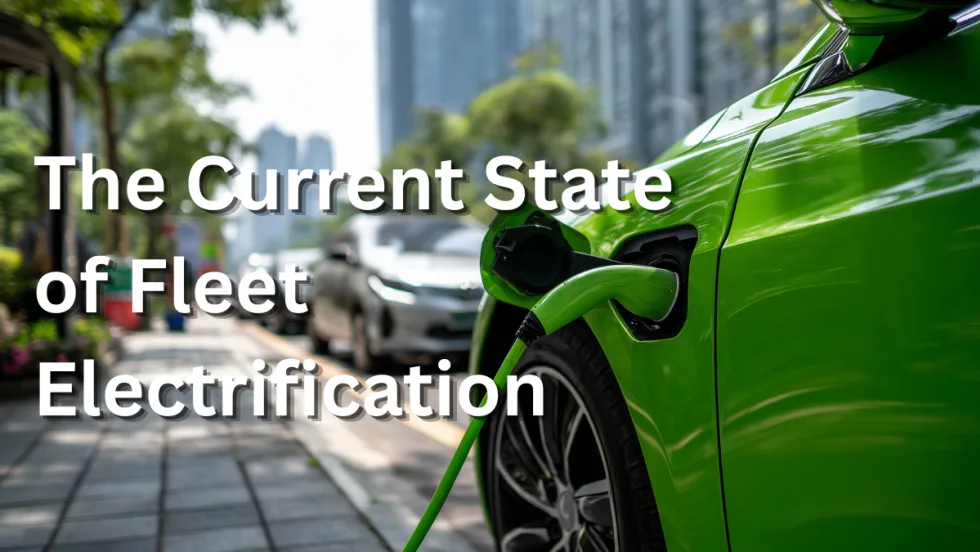
Merchants Fleet Reports 290M EV Miles as Fleets Navigate Changing Electrification Market
From millions in operating savings to hundreds of millions of EV miles, Merchants Fleet’s latest report reveals what’s working and what’s changing in fleet electrification.
Read More →
California District Commits to Electrify 25% of School Bus Fleet by 2028
One of the nation's largest school bus electrification projects to date demonstrates how grants, charging infrastructure, and public-private partnerships can help fleets transition to EVs at scale.
Read More →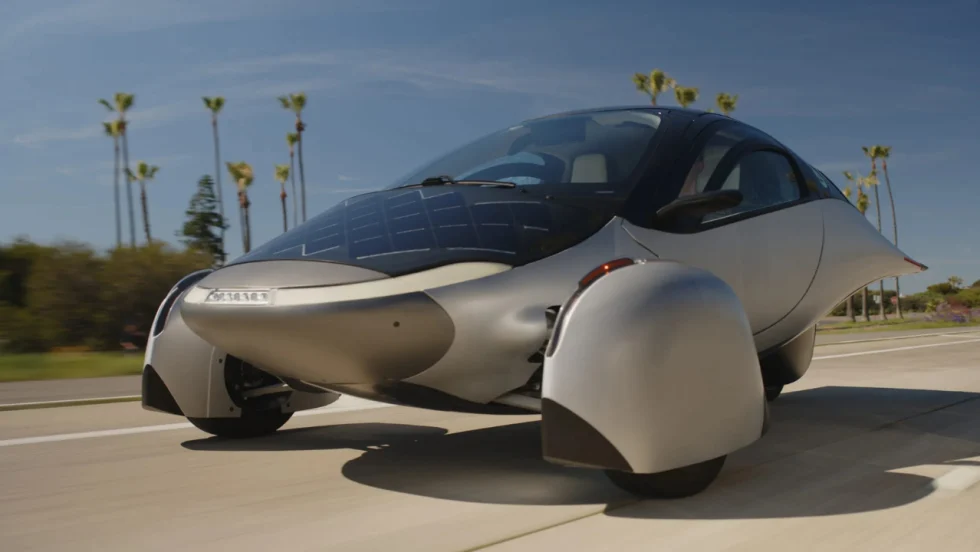
Aptera Orders Bodies and Chassis for Its First 40 Production Vehicles
Aptera Motors Corp. has issued purchase orders for the major structural components of its first 40 vehicles, and body and chassis components are expected to begin arriving in October.
Read More →