


Fleet Managers Should Take Time to Match EVs with Specific Use Cases
Webinar Panel: With electric vehicles still in the early phases of adoption, it pays to strategize short and long-term approaches to electrification.


A recent webinar delved into how fleet departments can plan for the finances, equipment and tools needed to absorb EVs into fleets.
Photo: Bobit
As fleet operations evolve with electric vehicles, they need to navigate how to deploy them in the most efficient and practical ways.
A recent webinar — Hot Fleet Topics 2023: Economic Pressures, Data & Digital Transformation (sponsored by Ridecell) — underscores how the latest EV industry developments factor into the highly individual decisions fleet managers must make.
The live panel at the Jan. 25 webinar delved into how fleet departments can plan for the finances, equipment and tools needed to absorb EVs into fleets. Panelists included
Andy Campbell, supplier development supervisor with Sourcewell; Kelly Reagan, fleet administrator for the City of Columbus, Ohio; Steve Greenfield, CEO and founder of Automotive Ventures; and Rick Harland, assistant director for the City of Austin, Texas Fleet Mobility Services. (panelist photos available here)
Taking a Thoughtful Approach
A few years ago, battery costs were supposed to be declining considerably, rendering EVs cheaper than ICE vehicles, Greenfield said. Because of COVID, supply chain pressures, and China’s dominance, three quarters of the market for raw materials that go into batteries, such as lithium, cobalt, and nickel, increased dramatically in cost.
That spurred the U.S. to promote domestic EV and battery production, which will take time to develop but should lead to more tens of billions of dollars in more reliable EV industry infrastructure on U.S. soil, Greenfield said.
EV adoption involves multiple factors, such as identifying the best routes and use cases for EVs, ensuring drivers are properly trained on using EVs, and accessing the right number and speed of chargers to deter range anxiety, Greenfield said.
“The choices of battery infrastructure, and the vehicles that you're putting into fleet, really have to be thoughtfully matched to what the use cases of those drivers,” he said. “There's a lot of complexity to all that. And it needs to all be thought out as you're deploying EVs and replacing EVs with ICE vehicles.”
For example, emergency and public safety fleets will need to charge much quicker than other fleets, he said.
Starting Planning Now for EVs
As EVs appear to be inevitable for some portions of fleets, fleet managers must start planning for them now, even if not buying them tomorrow.
That means making sure fleet drivers and technicians are properly educated and trained, preferably not all at once and in advance of EVs being delivered to fleets.
You won’t find training for EV technicians; you have to make it, Reagan said. That means organizations with fleets must partner with local community colleges or universities, apply for funding grants, and establish a curriculum. “You train your techs on how to work on the vehicles and do so safely,” he said.
First responders must be trained as well to handle EV fires, which can burn longer and resist water extinguishing due to the battery chemicals and components. That requires another training segment on how to safely put out such fires, said Reagan, who helped set up training for his fleet in Columbus, Ohio.
“I know when these guys came out of these meetings, they were scratching their heads,” Reagan said. “It starts in the very beginning, from how I select a vehicle all the way up to the training and the processes by introducing EVs. The easiest thing we can do in fleet as fleet managers is say, ‘I don't know anything about that, I'm not going to do that.’ But in the fleet business we're about solutions, not making problems for administrations. If they say buy electric cars, and Ford cancels 150 orders on me, I'm going to find another way to accommodate that need. We're about bringing solutions to the administration.”
Innovation to the Rescue
In the current market, the supply of EVs remains backlogged as production ramps up, the supply chain works out kinks, and prices rise. At some point, these forces will balance out, easing the transition to electric fleets.
As the EV industry moves through its early first stage, many different companies are innovating and experimenting, Greenfield said.
Greenfield’s company, for example, has invested in a startup that has developed an API-type interface layer that can be installed on any EV charger.
“If you have a fleet, and you want your fleet drivers to be able to charge anywhere, be it at their home, public chargers, etc., you can access software now that can seamlessly integrate into any charger,” he said. “That’s just one example of the movement and innovation going on in the software area to make it easier for fleet drivers and managers to collect data from these chargers and integrate it.”
In another example, Greenfield’s company also has invested in an Irish start-up working on a hardware device that resembles an octopus which can plug into a charger and then disperse power to 10 outlets for 10 additional vehicles.
“You can't charge simultaneously, but there's software that goes with it that allows you to figure out in which order and how much voltage you want to give to each individual vehicle,” Greenfield said. “But what it does do is it unlocks fleet managers from saying, ‘Oh, I've got to buy 10 chargers for 10 parking spots.’ No, it's not the case, especially with a depot where the cars can charge overnight. You can buy one charger, plug in all 10 vehicles, and then set up the rules.”
Such ventures demonstrate the growing interest to invest in the software and hardware of charging infrastructure that can alleviate challenges and barriers to adoption, he said.
Take It Slow & Specific
EV fleets are also seeing constantly improving battery technology, although it’s beset with supply chain pressures while manufacturers are trying to ramp up production and refining of batteries, Harland said.
“We’re in the early stages of the technological evolution for fleets in the city of Austin, but we want to run a very dynamic fleet,” he said. “We have everything from fire apparatus to lawn mowers, EMS vehicles, boats and refuse trucks. The space where battery electric vehicles is kind of a no brainer is in that light duty space — the crossovers, the sedans, and now the trucks with the new Ford F-150 Lightning and Chevy Silverado.”
Fleet managers should make sure they acquire the types of electric vehicles most suited to the performance needed for a specific duty cycle or role.
That means they should introduce EVs into areas of their fleets where it makes sense, Harland said. EVs can clearly bring much savings in maintenance and fuel costs.
“When you get state level legislation that's coming down, they really don't understand that first, you can only put better electric vehicles in what is available,” he said. “What makes sense operationally, for example, if we could get a police patrol vehicle that was battery electric, would we even put that battery electric vehicle into a police patrol unit? There are operational considerations and risks that we need to consider. But I would say that it's a cultural change.”
Harland pointed out the advantages of incentives the federal government through legislation has promoted to EV buyers.
“From the standpoint of a municipality, we look at [electrification] through a different lens,” he said. “We're trying to see this into a better place for everybody, ultimately, but it’s still so early in the technology evolution that we're taking it a little slower rather than just rip the Band-Aid off and have a mandate that says you've got to have all your vehicles electrified.”
More Electric Vehicles
EV Charging Use Is Outpacing Infrastructure Growth
ChargePoint’s 2026 Charging Forward Report points to rising charger use, higher-powered charging, commercial vehicle electrification, and energy-management technology. Here’s what fleets should know.
Read More →
EV Realty Names Henrik Holland President as Charging Platform Expands
The former Prologis Mobility and Shell executive will help expand EV Realty’s truck charging business and move its power-first infrastructure model into autonomous vehicle depots and other fleet sectors.
Read More →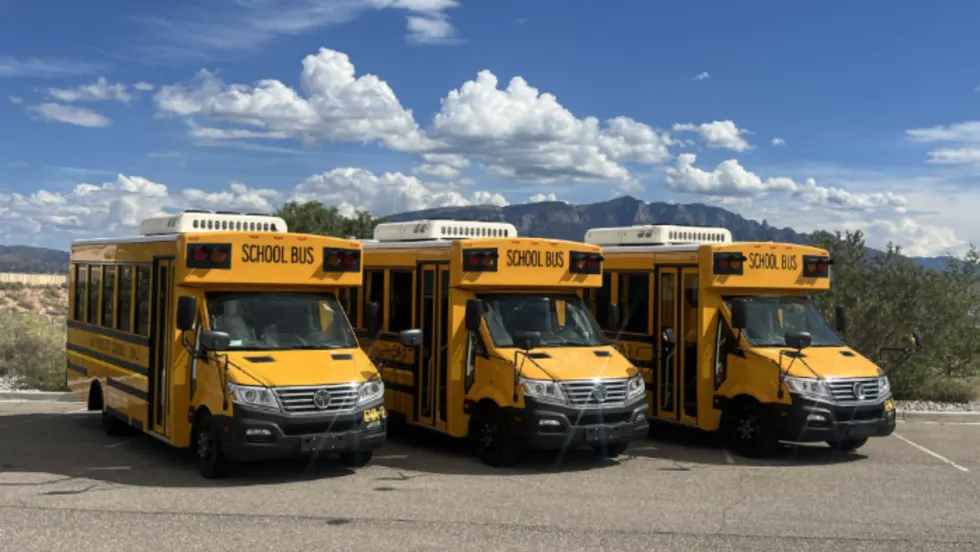
GreenPower Expands New Mexico EV Pilot With Larger Buses, V2G Testing
After logging more than 17,000 electric miles in the first year, New Mexico’s statewide pilot is moving into its second phase with larger vehicles, continued charging evaluations, and more.
Read More →
Can EV-as-a-Service Help Fleets Scale Electrification?
Sustainability Partners CEO Adam Cain explains how matching EVs, charging infrastructure, and duty cycles can help fleets scale electrification.
Read More →
How EV-as-a-Service Is Moving Fleets Beyond Pilots
Adam Cain, president and CEO of Sustainability Partners, explains how EV-as-a-service can help fleets scale deployments by addressing duty-cycle requirements and charging challenges.
Read More →
PowerFlex, The Mobility House Join Forces to Advance Fleet Electrification
Two EV charging providers are joining forces to deliver a broader portfolio of energy management and fleet electrification solutions.
Read More →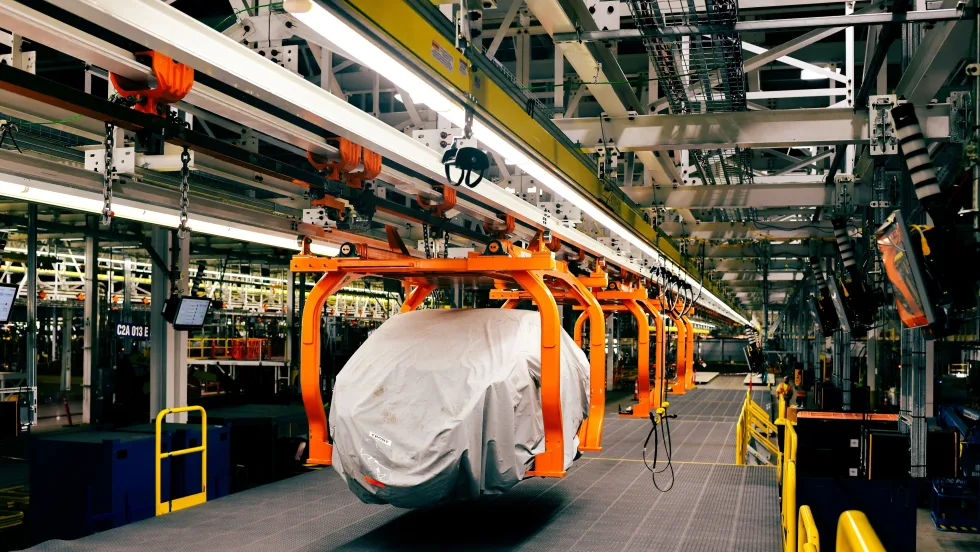
Ford Retools Louisville Plant for Fathom Electric Truck Production
Ford's $2 billion Louisville Assembly Plant overhaul introduces a three-part assembly process for the Fathom midsize electric truck, with production scheduled to begin in 2027.
Read More →
Merchants Fleet Reports 290M EV Miles as Fleets Navigate Changing Electrification Market
From millions in operating savings to hundreds of millions of EV miles, Merchants Fleet’s latest report reveals what’s working and what’s changing in fleet electrification.
Read More →
California District Commits to Electrify 25% of School Bus Fleet by 2028
One of the nation's largest school bus electrification projects to date demonstrates how grants, charging infrastructure, and public-private partnerships can help fleets transition to EVs at scale.
Read More →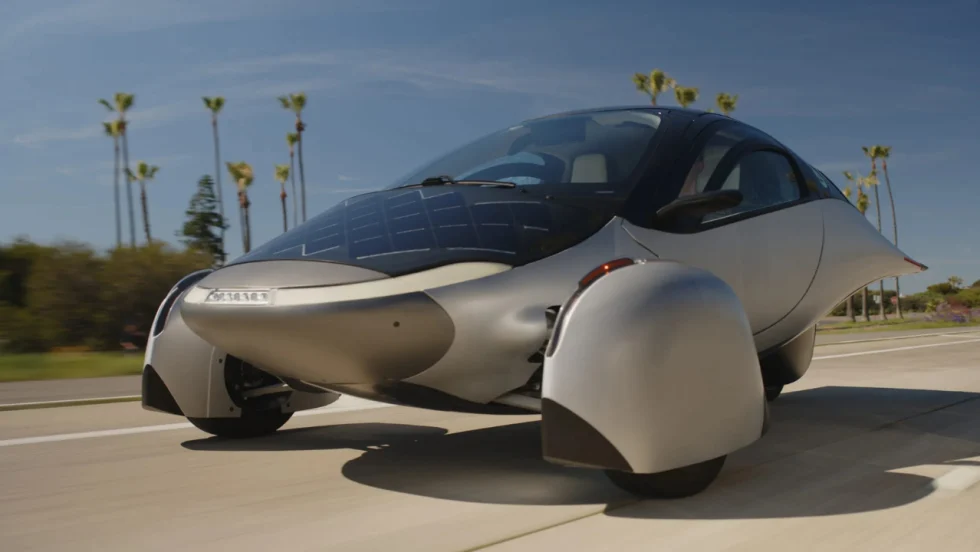
Aptera Orders Bodies and Chassis for Its First 40 Production Vehicles
Aptera Motors Corp. has issued purchase orders for the major structural components of its first 40 vehicles, and body and chassis components are expected to begin arriving in October.
Read More →