


In The News:GM, Tesla Expand EV Charging Access
First Steps to Installing Battery-Integrated Chargers for Electric Vehicles
Battery-integrated chargers provide DC fast charging without construction and permitting. Yet a smooth journey still requires compiling key metrics on EVs and chargers, learning from use cases, finding incentives, and then managing the charging equipment.
by Russ Jones, FreeWire
June 11, 2023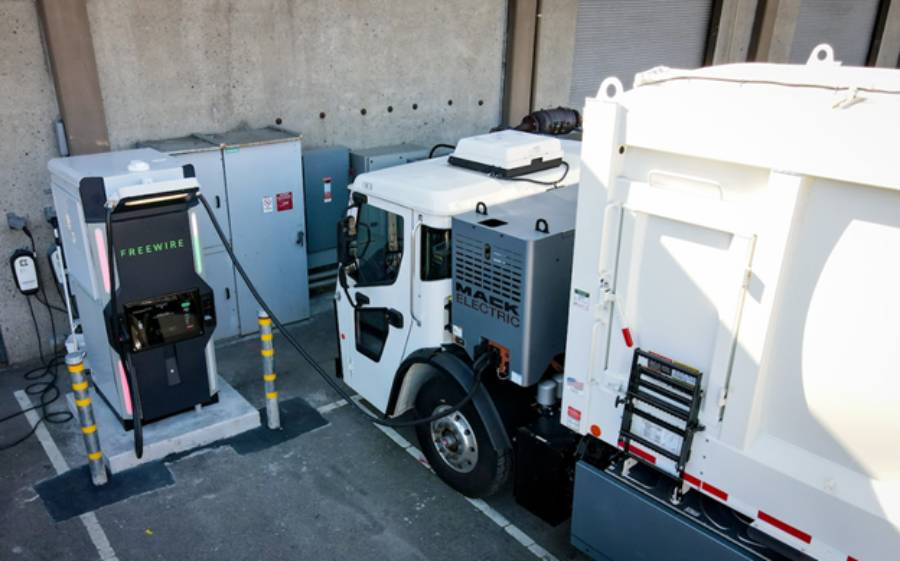
Fleet managers will need to determine the size of their electric fleets, the range of the vehicles, battery capacity, route distances, and the time when these vehicles will need to be charged.
Photo: FreeWire
4 min to read
As automotive fleets transition to electrification, businesses and government agencies are faced with the new logistical challenge of becoming a fueling provider, in addition to managing a fleet.
The process of determining the best solution can be complicated for fleet managers, with many factors at play.
We’ll walk through key considerations when developing or expanding fleet charging, with recommendations and case studies across light- to heavy-duty fleets to save money, time, and space with future-proof technology.
Assessing Vital Charging Metrics
The first step in the research process is to assess key metrics. Fleet managers will need to determine the size of their electric fleets, the range of the vehicles, battery capacity, route distances, and the time when these vehicles will need to be charged.
Remember to plan ahead — what are the organization’s electrification plans for the next five or 10 years?
The answer to this question, along with the metrics, will guide the type and number of chargers a fleet will need.
There are two primary charging categories for fleets to choose from:
Level 2 slow chargers if fleet vehicles have a long time period to charge between trips.
Fast chargers (DCFC) for large fleet vehicles, such as Class 8 trucks, or when fleet vehicles require a faster turnaround between charges.
Fast chargers mainly fall into two categories:
Traditional fast chargers frequently require extensive and costly utility upgrades and generally can’t be relocated after installation, but offer a fast charge for dozens of vehicles consecutively.
Battery-integrated fast charging solutions offer easy and cost-effective installation with the ability to relocate the equipment after installation and to minimize energy costs, namely demand charges. However, back-to-back fast charging on a battery-integrated ones can be limited depending on vehicle type. Each type of charger will have different requirements regarding electrical upgrades, ventilation in interior garages, and parking arrangements.
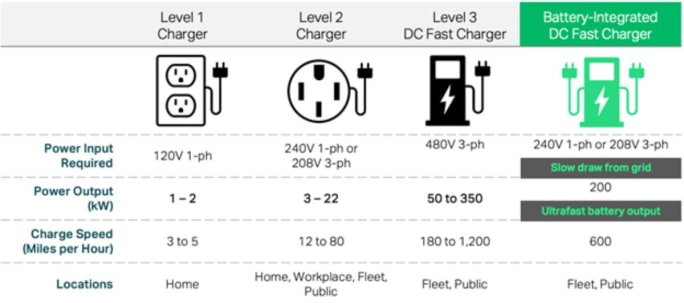
A comparison of electric vehicle charger types. Level usage depends on a fleet's particular duty cycles and routing demands.
Graphic: FreeWire
Lessons From Fast Charging Use Cases
Let’s look at some different fast-charging use cases.
Yusen Logistics has a fleet of electric terminal tractors used to organize shipping containers on their property. These terminal tractors are used 24/7 to support distribution logistics and need to be charged quickly since they don’t see any downtime. Yusen chose FreeWire’s battery-integrated ultrafast boost chargers for their fleet. Battery integration allows Yusen to reduce costly demand charges and lower their operating costs, while still offering an ultrafast charge around the clock. With lower electrical requirements, the configuration also offers the ability to relocate the chargers in the future if needed. This is a strategic ability given that Yusen leases their property.
A leading driverless robotaxi company based in San Francisco manages hundreds of light-duty electric vehicles at multiple locations nationwide. These light-duty EVs are used 24 hours a day, leaving little time to recharge. This company leases the properties where they store and charge their fleets, and generally need to deploy charging stations within a few weeks of establishing new locations rather than wait for time-consuming electrical grid upgrades. The company chose to install FreeWire's battery-integrated Boost chargers at a 15:1 car-to-charger ratio. This has allowed them to quickly charge vehicles in their fleet without having to wait for the upgrades needed for traditional fast-charging solutions. They can quickly expand their charging infrastructure as needed in the future, and the light-touch installation of boost chargers means the units can be easily moved to new locations.
Navigating EV Charging Incentives
The next example highlights the importance of incentive research. There are dozens of incentive programs nationwide designed to offset the cost of electrification and understanding the availability of these opportunities can save businesses tens of thousands of dollars.
A few important federal incentives to be aware of are the Energy Storage Tax Credit available to battery configured solutions and the EV Charging Tax Credit available to a wide range of charging solutions in certain parts of the country. Some charging providers offer resources to help businesses identify financial incentives that apply to their specific use case. FreeWire for example recently launched its CLAIM service to help site hosts navigate the process of identifying incentives.
The City of Santa Cruz for instance recently identified and received an incentive of over $90,000 to support its electrification goals. The city is electrifying its fleet of refuse trucks and needed a solution that could work with a solar energy system and also charge their heavy-duty Mack LR electric refuse truck.
FreeWire helped the city identify this incentive through the California Energy Commission’s EnergIIZE Fast Track grant program.
Managing Fleet Charging Equipment
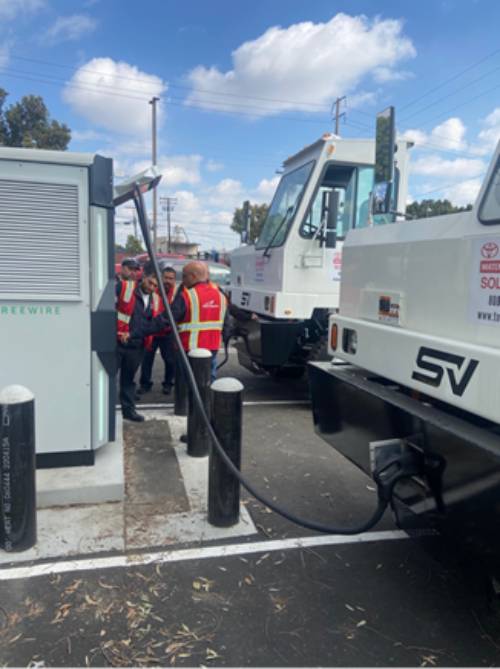
A charging management plan should include internal policies for who is authorized to use the chargers, how to monitor and maintain the chargers, and how to use the charger data to improve the fleet’s efficiency.
Photo: FreeWire
Once fleet managers have selected a charging solution and installed their chargers, it’s important to develop a plan for managing the equipment.
This plan should include internal policies for who is authorized to use the chargers, how to monitor and maintain the chargers, and how to use the charger data to improve the fleet’s efficiency.
In many cases, charging providers will offer tools to help with these important steps.
By taking the time to plan and execute properly, businesses and government agencies can ensure that their electric fleets have the proper infrastructure and get the most ROI on their investments.
All while taking pride and leading by example to help create a greener future for their communities.
Russ Jones is the senior director of construction and installation services at FreeWire, a provider of ultrafast EV charging and energy management solutions.
Topics:Fleet electrificationBattery Chargercharging infrastructureEV Charging StationsElectric VehiclesCharging
Originally posted on Automotive Fleet
Subscribe to Our Newsletter
More Electric Vehicles
EV Charging Use Is Outpacing Infrastructure Growth
ChargePoint’s 2026 Charging Forward Report points to rising charger use, higher-powered charging, commercial vehicle electrification, and energy-management technology. Here’s what fleets should know.
Read More →
EV Realty Names Henrik Holland President as Charging Platform Expands
The former Prologis Mobility and Shell executive will help expand EV Realty’s truck charging business and move its power-first infrastructure model into autonomous vehicle depots and other fleet sectors.
Read More →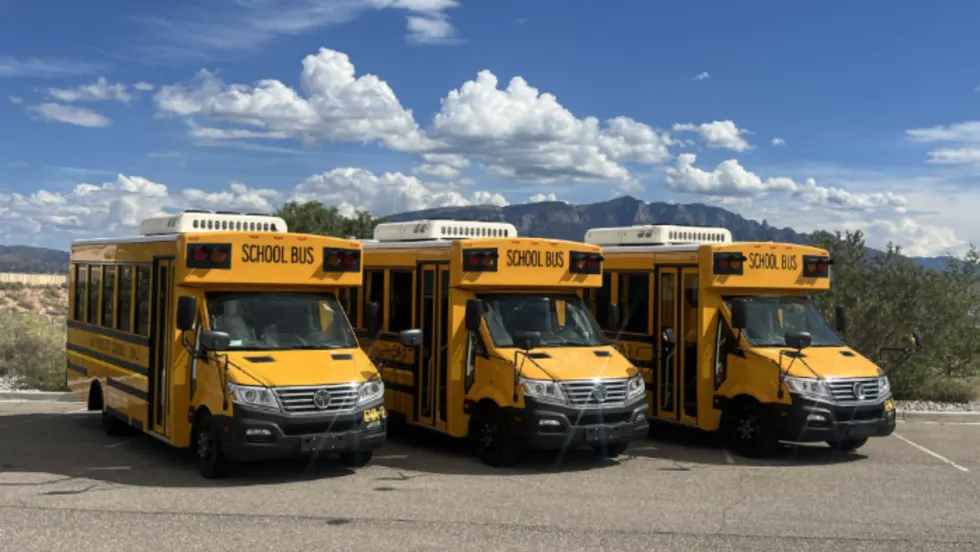
GreenPower Expands New Mexico EV Pilot With Larger Buses, V2G Testing
After logging more than 17,000 electric miles in the first year, New Mexico’s statewide pilot is moving into its second phase with larger vehicles, continued charging evaluations, and more.
Read More →
Can EV-as-a-Service Help Fleets Scale Electrification?
Sustainability Partners CEO Adam Cain explains how matching EVs, charging infrastructure, and duty cycles can help fleets scale electrification.
Read More →
How EV-as-a-Service Is Moving Fleets Beyond Pilots
Adam Cain, president and CEO of Sustainability Partners, explains how EV-as-a-service can help fleets scale deployments by addressing duty-cycle requirements and charging challenges.
Read More →
PowerFlex, The Mobility House Join Forces to Advance Fleet Electrification
Two EV charging providers are joining forces to deliver a broader portfolio of energy management and fleet electrification solutions.
Read More →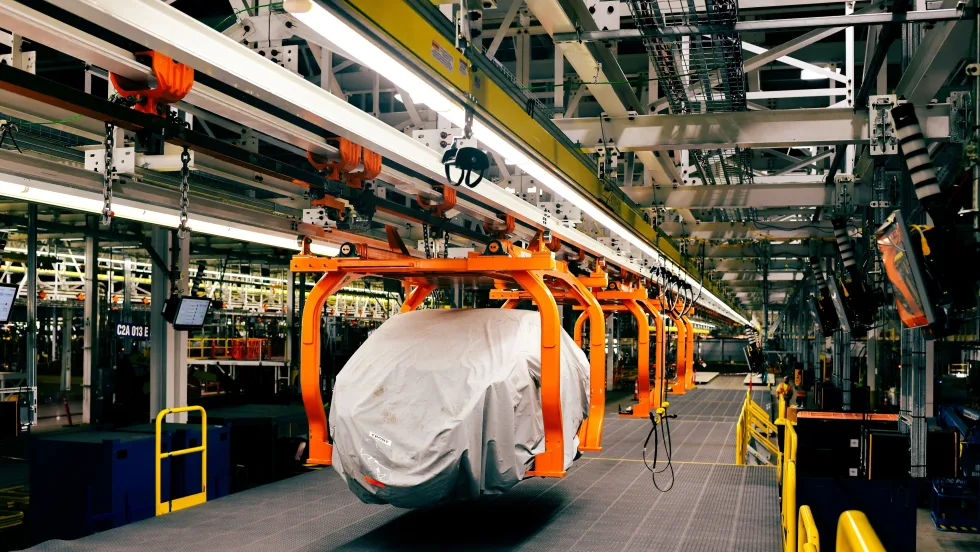
Ford Retools Louisville Plant for Fathom Electric Truck Production
Ford's $2 billion Louisville Assembly Plant overhaul introduces a three-part assembly process for the Fathom midsize electric truck, with production scheduled to begin in 2027.
Read More →
Merchants Fleet Reports 290M EV Miles as Fleets Navigate Changing Electrification Market
From millions in operating savings to hundreds of millions of EV miles, Merchants Fleet’s latest report reveals what’s working and what’s changing in fleet electrification.
Read More →
California District Commits to Electrify 25% of School Bus Fleet by 2028
One of the nation's largest school bus electrification projects to date demonstrates how grants, charging infrastructure, and public-private partnerships can help fleets transition to EVs at scale.
Read More →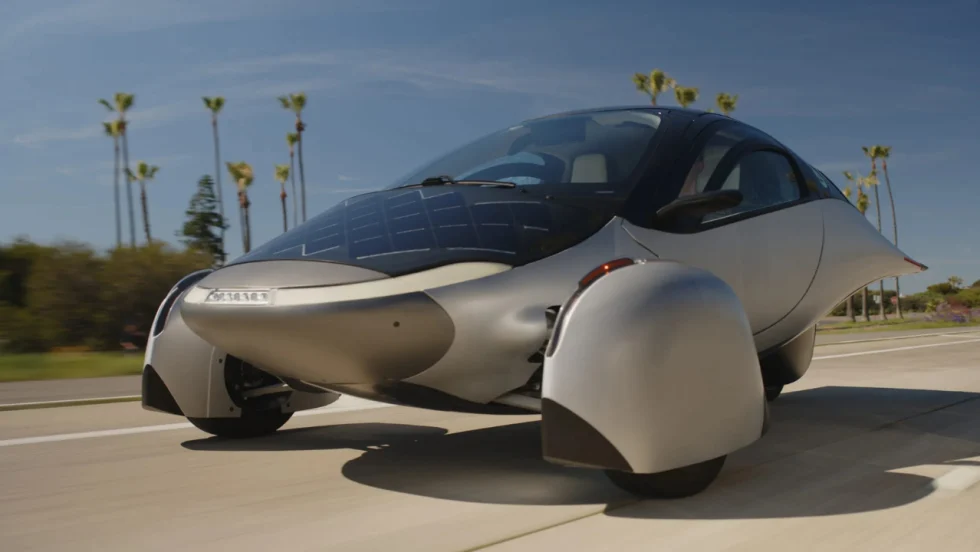
Aptera Orders Bodies and Chassis for Its First 40 Production Vehicles
Aptera Motors Corp. has issued purchase orders for the major structural components of its first 40 vehicles, and body and chassis components are expected to begin arriving in October.
Read More →