



For More Info:Mounting Problems Plague EV Public Charging
EV Mandates Jump Ahead of Energy and Charging Resources
The Off-Peak Video Summary: The goals and visions of mass adoption of electric vehicles do not yet match the realities of power sources. How should fleet managers factor energy, power grid, and utility access options into planning for EV fleet growth in the years ahead?
September 18, 2023
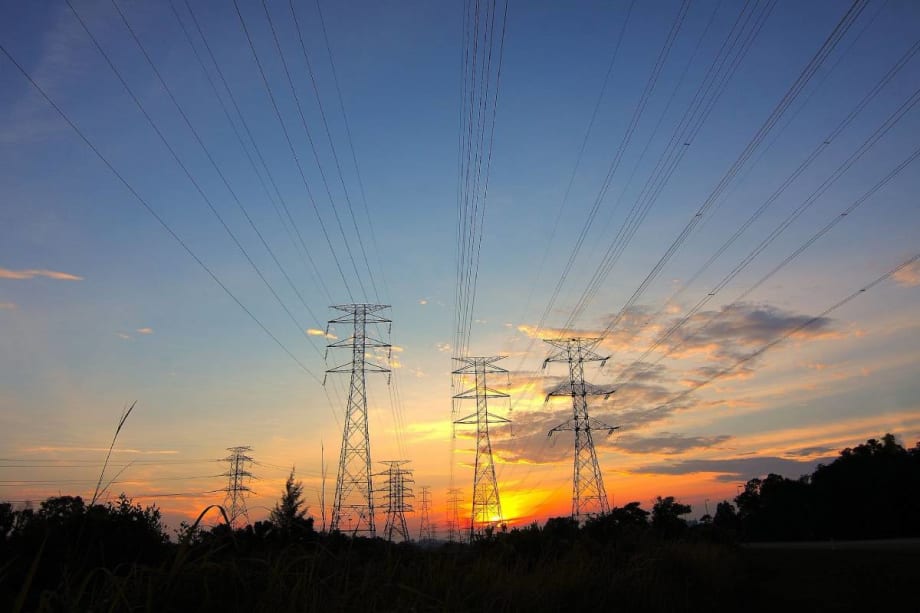
To bring about stable reliable energy long-term, federal and state governments should encourage a diversity of energy supplies and strong transmission capacity.
Photo: Pok Rie / Pexels
7 min to read
As more electric vehicles plug in to the grid in coming years, what resources and policies are best suited to ensure electric power will remain stable and seamless 24/7?
That is the foremost reality check question facing mass electrification of America’s transportation system amid long-range mandates and goals now likely to arrive sooner than the infrastructure can accommodate.
Chris Ventura, executive director of the Consumer Energy Alliance, recently spoke about the state of EV charging in America and how to make it 24/7 sustainable and reliable for the long-term. The organization recently published a “Freedom to Fuel” report.
Navigating Charging Supply Shortages
The U.S. now has an imbalance between available EV chargers and the number needed for efficient electrification, Ventura said.
Citing the latest stats, the U.S. has 55,000 public charging stations with 143,000 charging ports, he said. Only about 32,000 are Level 2 and about 2,000 are Level 3 fast chargers.
“Those are your fastest charging ports where they can take about 30 minutes to fully charge the battery,” Ventura said. “And if we contrast that with the liquid fuel side, we've got over 145,000 gas stations with over one million pumps. When you've got a refueling time of about five minutes for a tank with a range of 350 miles, whether it's a sedan or a commercial vehicle, or a larger semi that may take about 15 minutes to fill up, you’re looking at a substantial increase in time for using public charging stations.”
Those so-called fast charging times can range from 30 minutes to one hour.
How the Charging Imbalance Happened
Ventura pointed out how the charging imbalances partially result from politics and policy making with lofty goals failing to meet reality.
“Sometimes technology did not keep up the pace with what our policymakers think that it will be,” he said. “That's a delicate balance we're in with some aggressive mandates by a variety of states.” He mentioned California and the EPA pushing strict emissions rules for heavy duty trucks and light-duty passenger vehicles.
“We’re going to see continued tension with EV mandates because the infrastructure necessary to charge the vehicles takes a lot longer to be built out and constructed,” Ventura said. That provides challenges for fleet managers on how and when to integrate EVs into their operations.
Growing the Energy Resources for Electrification
The foundation for mass adoption of EVs lies in a strong baseload of power generation, Ventura said.

In a recent episode of Charged Fleet's video series, The Off Peak, Chris Ventura, executive director of the Consumer Energy Alliance, spoke about the state of EV charging in America.
Photo: Consumer Energy Alliance
“If your traditional power plant, whether it's coal fired, natural gas, nuclear, or renewable like hydro-electric provides power consistent over any amount of time, it has to be there when you need it,” he said. Energy sources cannot be dependent on the weather.
“As technology progresses and you get utility-scaled battery storage in place, then we’ll have the ability to look at using wind and solar when it is available.” Maintaining enough battery storage is essential to charging infrastructure sourced with renewables, he said.
Governments’ Role in Boosting Energy Supply
To bring about stable reliable energy long-term, federal and state governments should encourage a diversity of energy supplies and strong transmission capacity. “It's not just the energy supply that matters; it’s also how that energy is supplied,” Ventura said. One promising technology, classified as green energy, is small modular nuclear reactors that provide clean, carbon-free baseload energy.
But the Nuclear Regulatory Commission (NRC) continues to delay approvals for such projects at a time when coal-fired power plants are closing, Ventura said. “There are manufacturers that have already signed on to building small modular reactors to power their operations, whether they plan to [make] electric vehicles or process heat,” among other purposes.
“With the Inflation Reduction Act providing opportunities to expand our charging infrastructure, one of the goals is to build about 100 million charging stations in about 35 states,” Ventura said. “And most of that would be around the 53,000 miles of our national highway system. That will take time. It's not something that can happen overnight.”
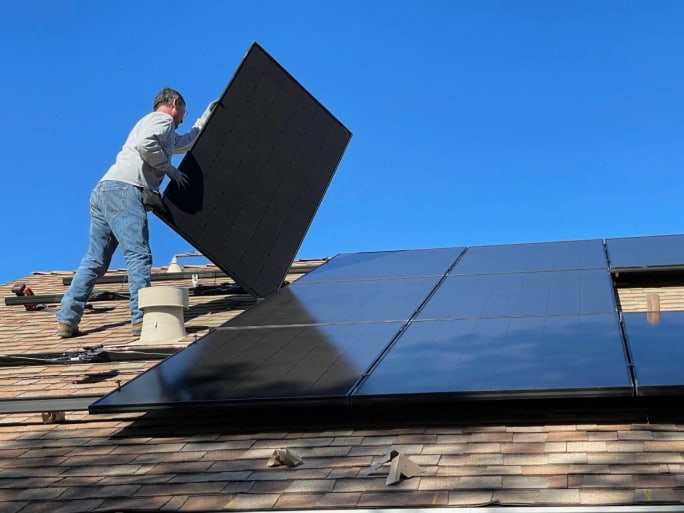
Another unknown with energy is what share of the EV energy supply could be generated from wind and solar.
Photo: Bullet EV Charging Solutions
Wind and Solar Energy Potential
Another unknown with energy is what share of the EV energy supply could be generated from wind and solar.
That potential source is held back by limits of the power transmission network and technology permitting. Ventura cited opposition to underground pipelines, which are not visible like transmission lines that also draw pushback in some areas.
Governments need to reform permitting that allows for more upgraded and expanded transmission lines as well as underground pipelines to ensure an adequate steady supply of wind and solar energy, he said.
Through stress tests and research, national independent grid operators identify three factors for improvement:
Is there sufficient generation for adequate resources?
Are you able to provide the energy when your customers need it at all hours?
What's the reliability of the network?
To be guaranteed a charge when plugging in on reliable energy infrastructure, the independent system operators have found about 30% of the electricity on the grid today can come from renewable sources, he said. “Can we get higher than 30%? Yes. We can get to about 40% with some increased coordination between utilities and transmission providers and end users. If you're looking at getting about 50% penetration by renewables, that's where you will see a significant cost increase.
Effects on Commercial and Municipal Fleets
Challenges for all types of fleets center on the purchasing costs of EVs now on the market, which cost on average about $15,000 to $16,000 more than a traditional internal combustion engine vehicle.
For fleet drivers who take vehicles home, ICE ones can be fueled anywhere. “But with an all-electric fleet, the question is how do you actually charge the vehicle?” Ventura asked. “Will you provide your employee charging as a solution (CaaS), or will they be required to bring the vehicle back to the to the city depot every night to be charged? Then you get to the question, are there enough spaces available? Now, when you're looking at your medium- or heavy-duty vehicles, those are some of the hardest to electrify.”
In northern states, the electric versions of snowplows, for example, hold less of their charges in colder weather. Charging also is slower than fueling, so fleet managers have to balance out the EV performance and scheduling.
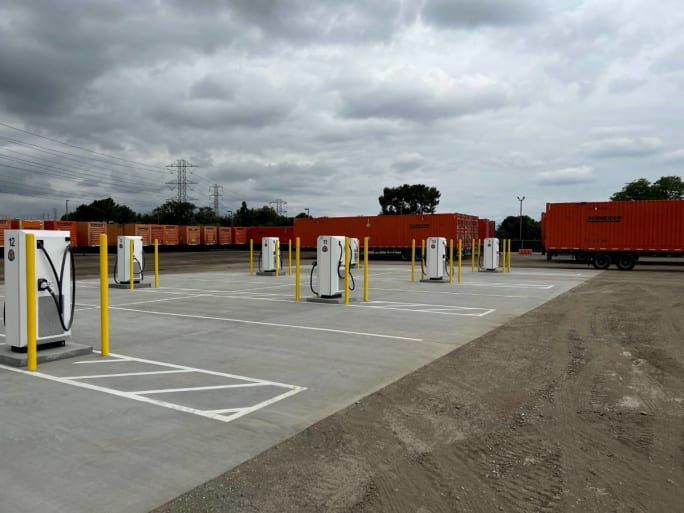
An immediate benefit for fleet operations are the tax incentives available in the Inflation Reduction Act for charging equipment and infrastructure that can save up to 30% of the total costs.
Photo: Martin Romjue / Bobit
EV Transition Guidance for Fleet Managers
An immediate benefit for fleet operations are the tax incentives available in the Inflation Reduction Act for charging equipment and infrastructure that can save up to 30% of the total costs. The benefit comes with some labor and construction requirements.
In transitioning to an EV fleet operation, managers should be aware they may need to upgrade and fortify internal electric wiring and conduits and renovate a facility to handle more electric access and output, Ventura advised.
Managers and operators also may face long wait times to order and manufacture heavier equipment, such as transformers, that could delay installation of charging infrastructure, he said.
When evaluating the scope of fleet electrification, fleet managers must consider the charging and electrical internal infrastructure as much as the prices of EVs when planning the long-term costs of an electric fleet, Ventura said. The CEA’s recent “Freedom to Fuel Report” offers more recommendations for fleet managers.
The Risks of Electrification
In sum, Ventura identified three primary risks that fleet operations should be prepared to navigate when pursuing electrification:
Dealing with the supply chain when considering the components necessary to build electric vehicles. Many rare earth minerals are not sourced in the U.S. and not sourced in an area of the world friendly to the U.S. About 90% of the mining, processing, and refining of rare earths and critical minerals for EV batteries are done in China, which gives them export and embargo leverage that they have used against Australia and Japan. “If we have to build a fleet of 100 million electric vehicles, not just here but worldwide, where will we get that supply and make sure those vehicles continue to be available?”
The second risk relates to generation and transmission. It requires a good balance of supply and battery storage which are not scaled now to future demand. Electricity will have to be stored at a utility-wide level so it’s available the moment EV customers and users need it. But there is no way now to store electricity at a utility scale. Generation and demand must be in sync to avoid brownouts and blackouts.
Onsite integration for each electrified fleet facility brings its own risks that must be managed. Can a business handle the electric requirements of vehicles being considered? Will the EVs be able to operate and perform at the levels fleets expect or are accustomed to?
Such questions must be answered accurately before embarking on fleet electrification.
Subscribe to Our Newsletter
More Charging
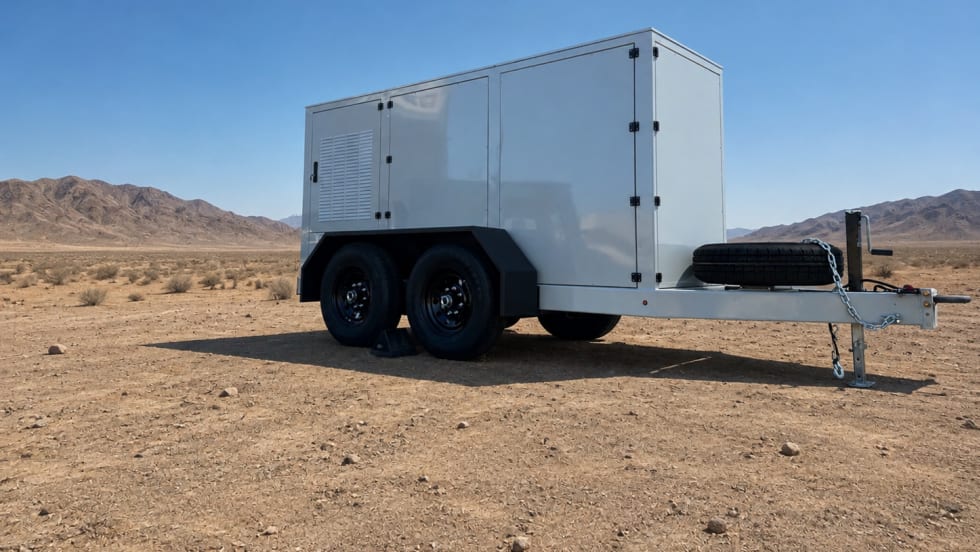
Xos Mobile Charging Hub Surpasses 1 GWh of Energy Delivered
As fleets electrify, charging capacity does not always arrive on the same timeline as the vehicles. Operating data from one Xos Hub shows how mobile, grid-independent charging can support vehicles when permanent infrastructure or utility upgrades aren't available.
Read More →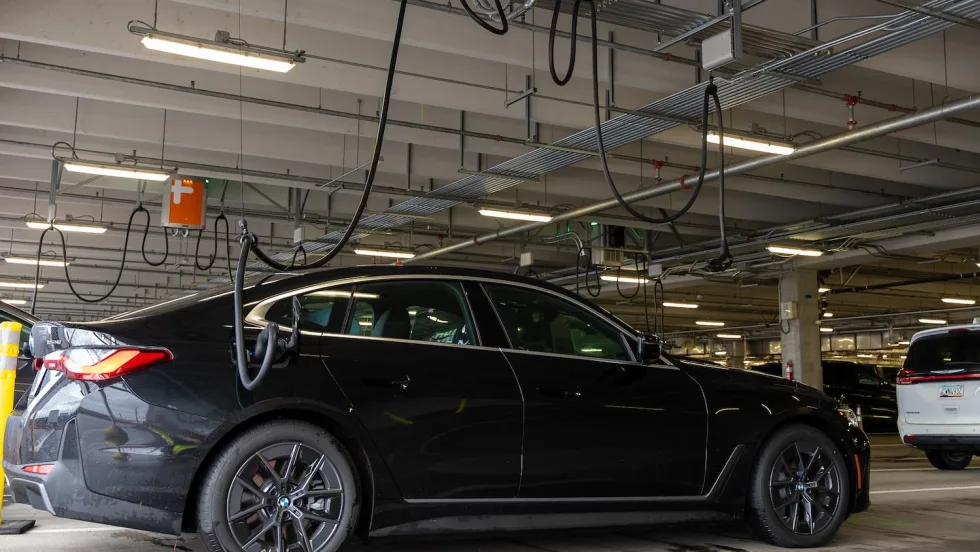
ChargePoint Adds Overhead EV Fast Charging at Portland International Airport
The installation can charge up to 20 rental vehicles simultaneously and uses overhead equipment to preserve ground-level space at the airport's Quick Turnaround Facility.
Read More →
Octopus Energy Launches Public EV Charging App in U.S.
Octopus Charge allows EV drivers to locate and access public charging stations through a single app, building on the company's Electroverse platform in Europe.
Read More →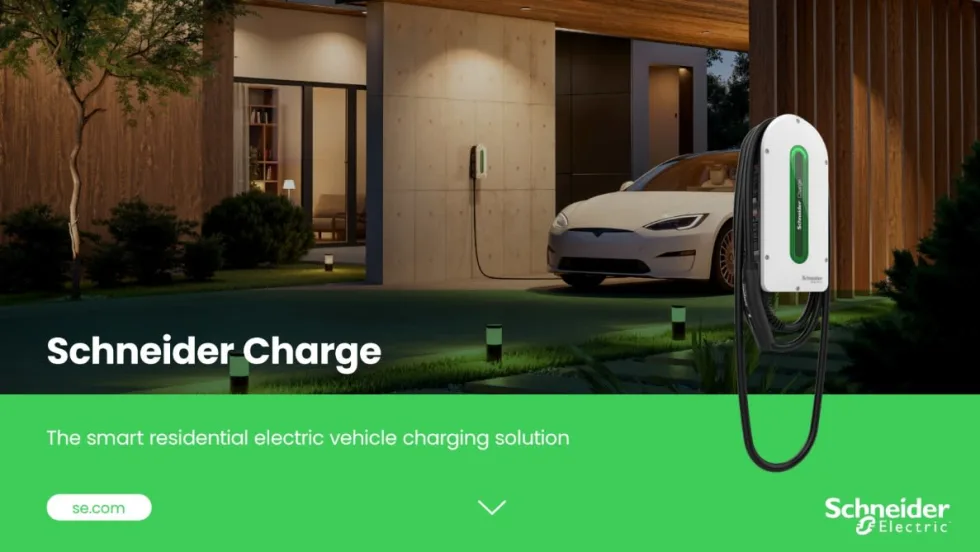
Schneider Electric Launches Level 2 Home EV Charger With Integrated Load Management
Schneider Charge uses integrated SmartAmp technology to adjust charging output based on household electrical demand and is available with NACS or J1772 connectors.
Read More →
Why EV Charging Reliability Is More Complicated Than It Looks
GridLink CEO Josh Silets explains what causes EV chargers to fail, why fleet operators often struggle to identify the source, and what questions they should ask charging vendors.
Read More →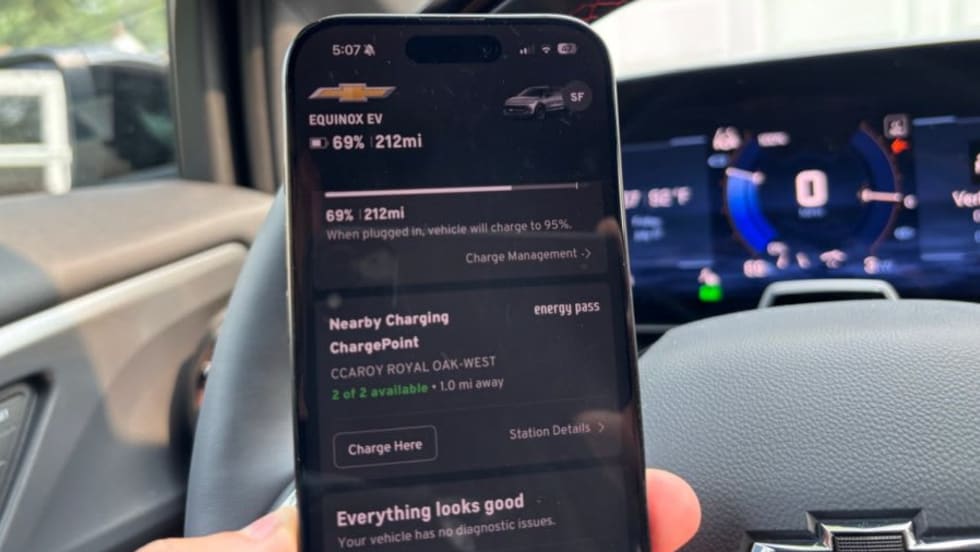
GM Adds ChargePoint Network to Energy Pass Platform
The integration gives GM EV drivers access to additional DC fast chargers and Level 2 stations through a single app while expanding the automaker's public charging ecosystem.
Read More →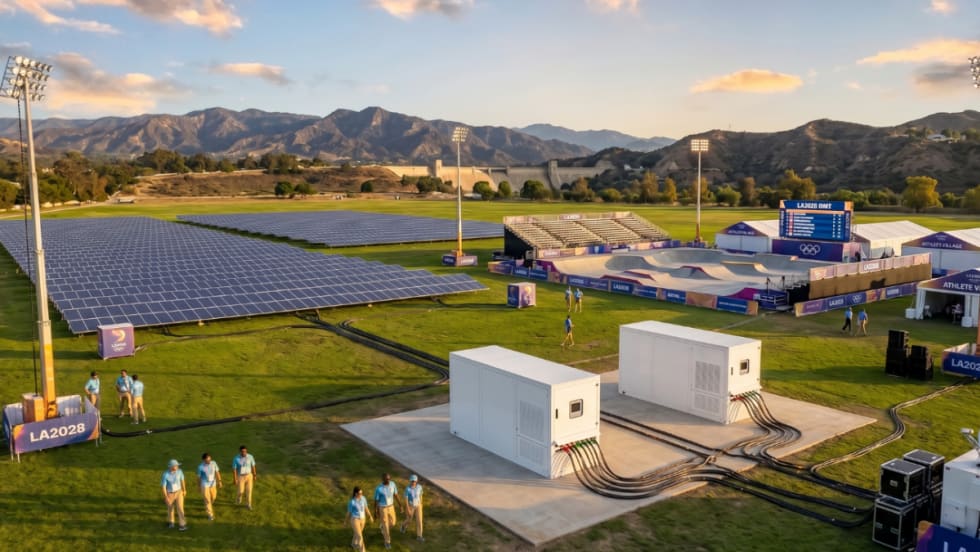
Xos White Paper Asserts LA Olympics Will Lack Enough EV Chargers
The commercial EV fleet company recommends some faster and more flexible remedies to relieve the anticipated shortfall.
Read More →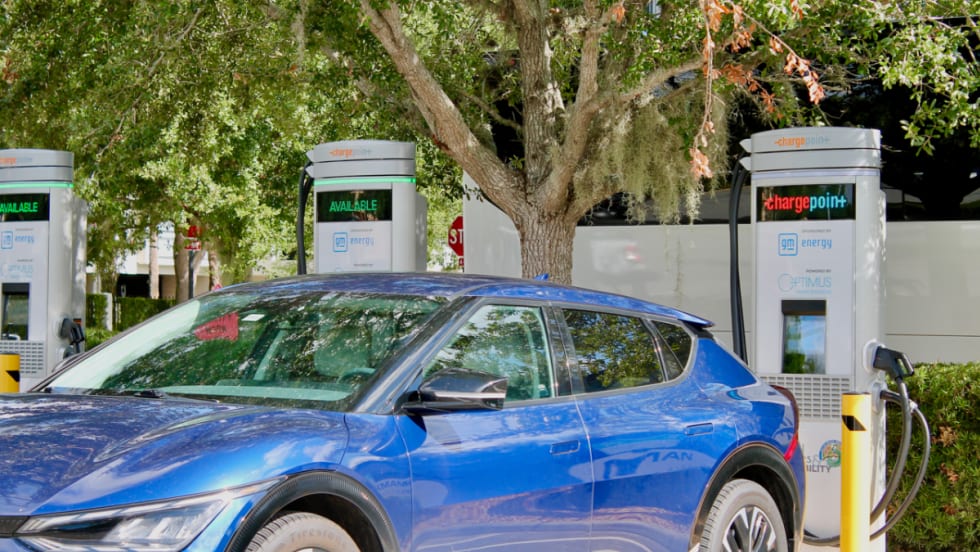
ChargePoint, Optimus Expand Fast-Charging Network Across Southeastern U.S.
ChargePoint will serve as the exclusive solutions provider, delivering hardware, software, and services to support Optimus’ growing charging network.
Read More →
Running A Profitable Electric Rental Fleet
How do you successfully operate an all-electric rental car fleet? Whether you manage a rental fleet or another commercial fleet, this conversation offers practical lessons on deploying, operating, and scaling electric vehicles.
Read More →
Why Charging May Never Be As Easy As Filling Up Gas
A seamless charge depends on a string of independent companies getting it right together, every time. How can electric fleets navigate the challenges to create a successful charging plan?
Read More →