


Sharky Laguana is the president of the American Car Rental Association and CEO of Bandago Van Rental based in San Francisco.
Electric Vehicles Still Destined to Succeed
2025 ARN Fact Book ACRA Column: The technology, lower costs, and energy improvements of future electric vehicles will make them too good to turn down. Rental fleets should prepare now.
by Sharky Laguana
January 9, 2025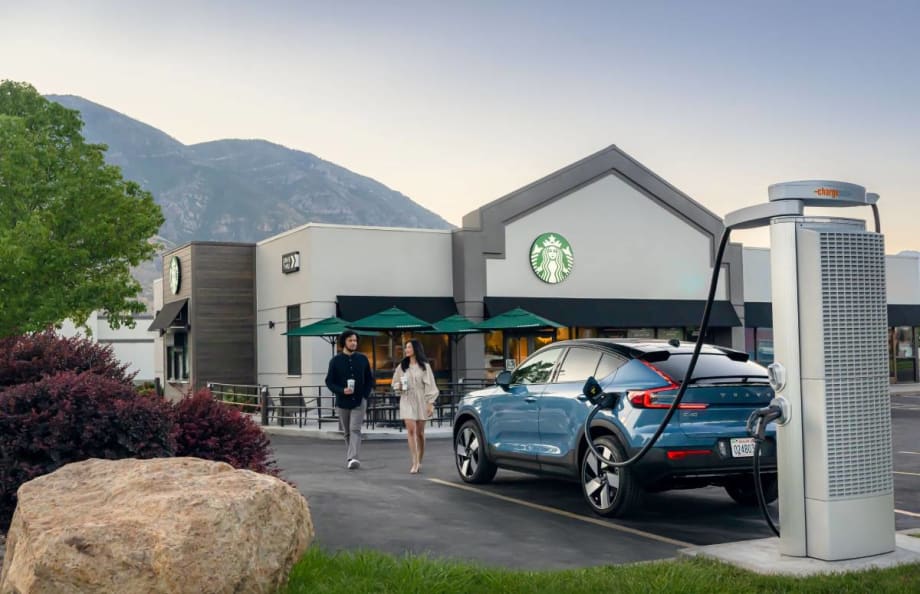
EVs will soon be far superior to ICE vehicles that only a handful of enthusiasts will choose to buy. The range keeps getting longer, charging times shorter, and across the country chargers, more chargers are coming online.
Photo: Volvo
4 min to read
Now that the election has concluded, we may have a little more visibility into the future in some respects, but many of the same questions remain for the car rental industry, and new ones have arisen.
The key question facing our industry, perhaps an existential one, is how we will adapt if and/or when the nation transitions to electric vehicles.
Not long ago it would have been a safe bet to expect the re-election of Donald Trump would be a death knell for EV manufacturers, but the CEO of the world’s most successful OEMs may have somewhat surprisingly thrown a wrench into this assumption.
Tesla CEO Elon Musk has poured enormous amounts of money and effort into re-electing Trump, and as a result, he has now emerged as one of Trump’s closest confidants. Given their closeness, it is now quite difficult to imagine this administration punishing EV manufacturers as one might have previously assumed.
But it is also clear that the future will not look like the past. For example, Musk has been quite clear about not being a fan of EV tax credits, so I suspect that it will not be long before those tax credits disappear. In the short run, this should weaken demand for new EVs. However, Musk clearly thinks that EVs can succeed without them, and there is evidence that he may be right about this.
Chinese EV manufacturer BYD (“Build Your Dreams”) sells a car in Europe called the Seagull for just under $10,000. As I said at the International Car Rental Show last April, you will never convince me that American consumers will say no to a sub-$10,000 car that can get 200 miles of range on pennies per day in fuel cost.
This May, BYD launched a line up — the Quin L and Seal 06 sedans, which are plug-in hybrids with a shocking range of 1,300 miles. Imagine driving across the entire United States and only having to stop for fuel…. Once.
The only thing stopping BYD from being an imminent threat to U.S. auto manufacturing are the 100% tariffs that Trump introduced during his first term, which Biden elected to continue. There are many reasons why Chinese manufacturers can make EV vehicles so cheaply, and some of them have to do with generous subsidies they receive from the Chinese government.
However, clearly, our manufacturing sector is still behind the eight ball. If it wants to compete over the long term, it must get serious about innovation and reducing costs.
Last year, I was appointed to the U.S. EV Working Group, created by the U.S. Congress. This group brings together stakeholders from the private and public sectors to discuss what steps the country needs to take to ensure a smooth transition to EVs.

Sharky Laguana, president of the American Car Rental Association, speaks at the International Car Rental Show in Las Vegas on April 24, 2024.
Please take note: We aren’t debating whether this transition will happen. We are only discussing how to make the best transition. There’s a reason for this: the private sector has already committed billions and billions of dollars to this effort because EVs will soon be far superior to ICE vehicles that only a handful of enthusiasts will choose to buy. The range keeps getting longer, charging times shorter, and more chargers are coming online across the country. More than 7,000 chargers came online in October 2024 alone.
Periodically, we see news reports that EV purchases have “stalled,” and more recently, we’ve seen reports of auto manufacturers laying off workers because EV sales have not materialized at the hoped-for rate. Do not be fooled by this. The slope of the curve may not yet be as steep as some manufacturers might have hoped for, but it is still going up. As of Sept. 30, 2024, 1,137,505 PEVs were sold this year, up 7.8% over year.
Our industry must think about this future. Electrical grid providers are laying plans for the required infrastructure, and the wait times for power upgrades are getting frustratingly long.
In addition, we are in tight competition with AI and crypto data centers for access to power. I have been communicating on the EV Working Group that there is a national interest in ensuring we reserve sufficient power for transportation and that it doesn’t all go to mining Bitcoin or making weird pictures of celebrities.
For smaller operators like me, it may not yet be time to make big investments, but we should start running pilots and thinking about how we prepare.
There’s an old saying about how in business you are either growing or dying. The companies that grow in the future will be the ones that are ready for electric fleets. The ones that aren’t ready will die. Don’t let change pass you by.
Topics:Rental FleetsFleet electrificationAmerican Car Rental AssociationElectric VehiclesBatteries/TechLegal/Legislative
Originally posted on Auto Rental News
Subscribe to Our Newsletter
More Electric Vehicles
EV Charging Use Is Outpacing Infrastructure Growth
ChargePoint’s 2026 Charging Forward Report points to rising charger use, higher-powered charging, commercial vehicle electrification, and energy-management technology. Here’s what fleets should know.
Read More →
EV Realty Names Henrik Holland President as Charging Platform Expands
The former Prologis Mobility and Shell executive will help expand EV Realty’s truck charging business and move its power-first infrastructure model into autonomous vehicle depots and other fleet sectors.
Read More →
GreenPower Expands New Mexico EV Pilot With Larger Buses, V2G Testing
After logging more than 17,000 electric miles in the first year, New Mexico’s statewide pilot is moving into its second phase with larger vehicles, continued charging evaluations, and more.
Read More →
Can EV-as-a-Service Help Fleets Scale Electrification?
Sustainability Partners CEO Adam Cain explains how matching EVs, charging infrastructure, and duty cycles can help fleets scale electrification.
Read More →
How EV-as-a-Service Is Moving Fleets Beyond Pilots
Adam Cain, president and CEO of Sustainability Partners, explains how EV-as-a-service can help fleets scale deployments by addressing duty-cycle requirements and charging challenges.
Read More →
PowerFlex, The Mobility House Join Forces to Advance Fleet Electrification
Two EV charging providers are joining forces to deliver a broader portfolio of energy management and fleet electrification solutions.
Read More →
Ford Retools Louisville Plant for Fathom Electric Truck Production
Ford's $2 billion Louisville Assembly Plant overhaul introduces a three-part assembly process for the Fathom midsize electric truck, with production scheduled to begin in 2027.
Read More →
Merchants Fleet Reports 290M EV Miles as Fleets Navigate Changing Electrification Market
From millions in operating savings to hundreds of millions of EV miles, Merchants Fleet’s latest report reveals what’s working and what’s changing in fleet electrification.
Read More →
California District Commits to Electrify 25% of School Bus Fleet by 2028
One of the nation's largest school bus electrification projects to date demonstrates how grants, charging infrastructure, and public-private partnerships can help fleets transition to EVs at scale.
Read More →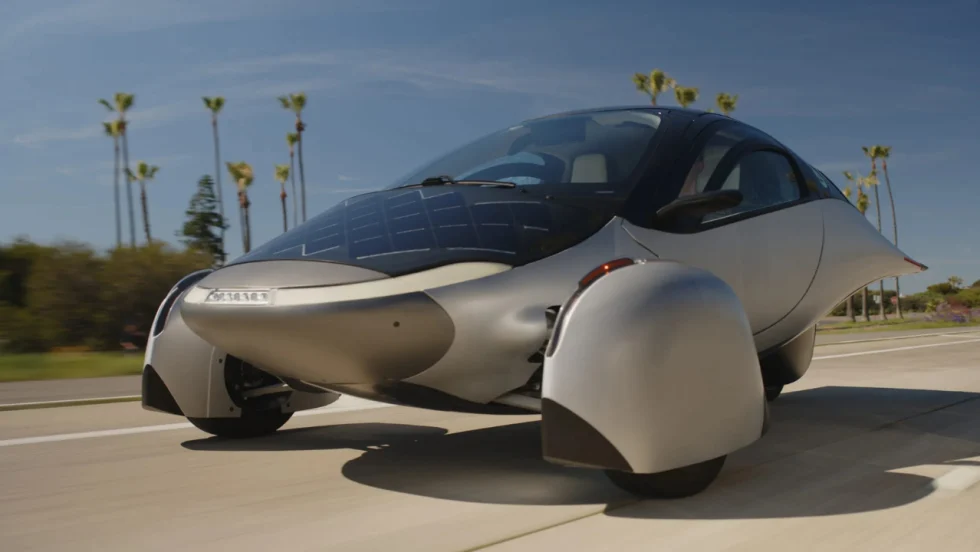
Aptera Orders Bodies and Chassis for Its First 40 Production Vehicles
Aptera Motors Corp. has issued purchase orders for the major structural components of its first 40 vehicles, and body and chassis components are expected to begin arriving in October.
Read More →