


Chicago Streets to Feel a Surge of Electricity
All-electric refuse trucks will bring a whole new level of “clean” to the Windy City.

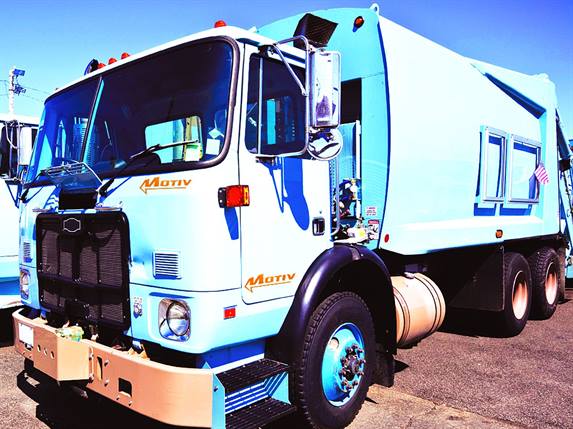
The City of Chicago’s all-electric refuse trucks will be equipped with an electric powertrain control system (ePCS) from Motiv Power Systems. The trucks will carry 10 battery packs and have a range of more than 60 miles. Photo: Motiv Power Systems
The City of Chicago made headlines in the last few months of 2012 with its campaign to lead the nation’s transportation industry toward greater environmental sustainability via electrification. The City is literally “charging” forward with its commitment to not only green its own fleet, but to get the rest of the fleets in the Chicago metropolitan area to jump on the electrified bandwagon as well.
Leading the Charge
Last November, Mayor Rahm Emanuel announced the spring 2013 launch of a first-of-its kind program incentivizing private and public fleets in the Chicago area to convert their diesel trucks to electric power.
According to Emanuel, the program is “a creative way to achieve sustainability goals and business goals at the same time,” and has received $15 million in funding from the Chicago Metropolitan Agency for Planning (CMAP) and its Congestion Mitigation and Air Quality (CMAQ) Improvement Program selection committee.
Fleets eligible for the program are those operating in the Illinois counties of Cook, DuPage, Kane, Lake, McHenry, and Will. The City will be issuing approximately 250 vouchers that will be good toward the purchase of electric vehicles (EVs) through dealerships or manufacturers. The vouchers will cover 60 percent of the incremental cost of the EVs. Fleets in these designated counties will be able to apply starting this spring, according to the City.
Setting the Example
Just a few weeks before the City of Chicago announced the electric truck incentive program, Motiv Power Systems revealed it had signed on to help the City become the first in the country with all-electric, zero-emissions garbage trucks via a five-year contract of up to $13.4 million.
The City of Chicago currently operates more than 2,200 alternative-fuel vehicles in its fleet, including flex-fuel, hybrid-electric, and compressed natural gas (CNG) models. However, for its 600-unit fleet of garbage trucks, hybrid-electric and CNG models weren’t the most financially viable for its operations. Instead, the City decided to take the all-electric route.
Up to 20 refuse trucks will be equipped with Motiv’s electric Powertrain Control System (ePCS), which provides traditional truck chassis OEMs the flexibility to assemble electric trucks on their current diesel truck assembly lines. The ePCS uses off-the-shelf batteries and motors, which the company said can be mixed and matched to fit the exact size of the electric truck needed.
The EV garbage trucks will carry 10 battery packs and travel a range of more than 60 miles, with total energy storage of 200 kWh, according to Motiv.
A key selling point of the ePCS is its flexibility, which the City of Chicago will be able to take advantage of.
“We’ve designed the whole system to be compatible with any off-the-shelf motors and batteries, which are brought to a uniform operating standard by our software,” said Jim Catelaz, CEO of Motiv. “If Chicago ever wants newer batteries, the old ones can be easily swapped out.”
Motiv will work with Detroit Chassis to install the ePCS on to a standard refuse chassis with truck bodies provided by Loadmaster.
Emanuel’s goal is to make Chicago the “epicenter” of the electric vehicle and battery industry. “I am committed to every phase of this industry, from research to the construction of [electric] vehicles, to the presence of [EVs] on our streets,” he said.
These electric trucks are just one part of the City of Chicago’s electrification efforts.
In addition to these electric trucks, the City operates Ford Focus Electrics for its light-duty operations and has entered into a contract with Standard Equipment, a Chicago-based firm, for Smith Electric medium-duty trucks with various installed bodies, such as delivery and flatbed trucks.
Originally posted on Automotive Fleet
More Vehicle Research
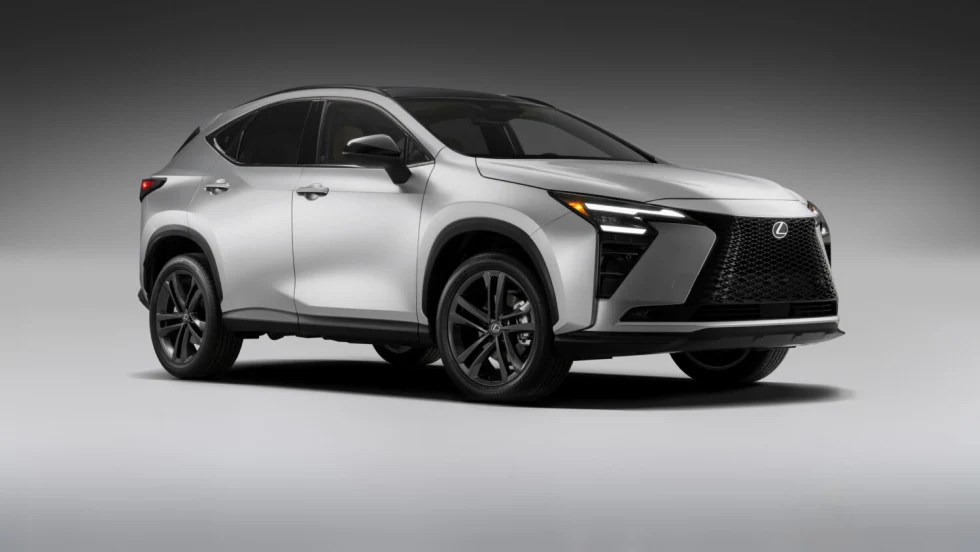
2027 Lexus NX Moves to Fully Electrified Lineup
For 2027, the NX moves to an entirely electrified lineup, with either hybrid or plug-in hybrid powertrains.
Read More →
2027 Mitsubishi Eclipse Sportback Named Green SUV of the Year
Green Car Journal recognized Mitsubishi’s new battery-electric crossover, which offers NACS compatibility and DC fast charging at up to 150 kW.
Read More →
Dave Carroll Named President of Ford Energy
Carroll succeeds Lisa Drake, who will remain with Ford through Dec. 31 to support the leadership transition.
Read More →
City of Long Beach Named No. 1 Green Fleet of 2026
NAFA's 2026 Green Fleet Awards recognized fleets for sustainability efforts spanning alternative fuels, technology, facilities, workplace culture and fleet operations.
Read More →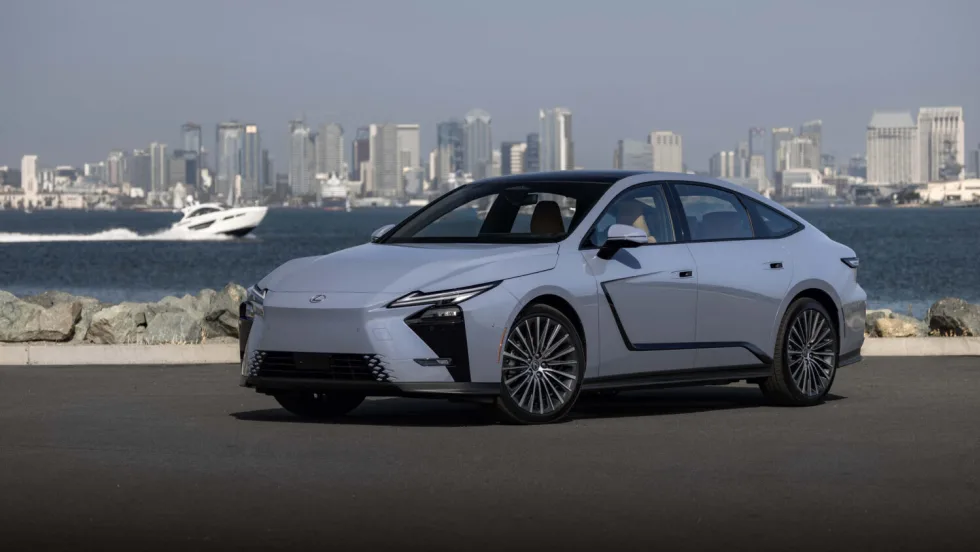
2027 Lexus ES Adds First Battery-Electric Models
The ES 350e and ES 500e join the hybrid ES lineup with up to 338 hp, an EPA-estimated 307 miles of range and standard NACS charging capability.
Read More →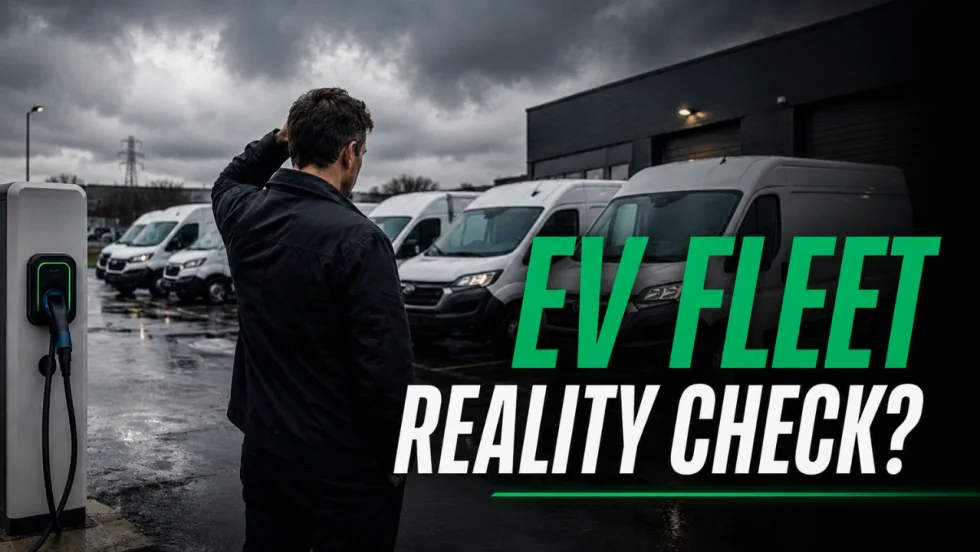
EV Fleet Reality Check: What Operators Wish They Knew Before Electrifying Their Work Vans
Electric work truck upfits bring new compatibility questions. Learn how parts availability, OEM guidance, power demands, and route planning can affect fleet performance.
Read More →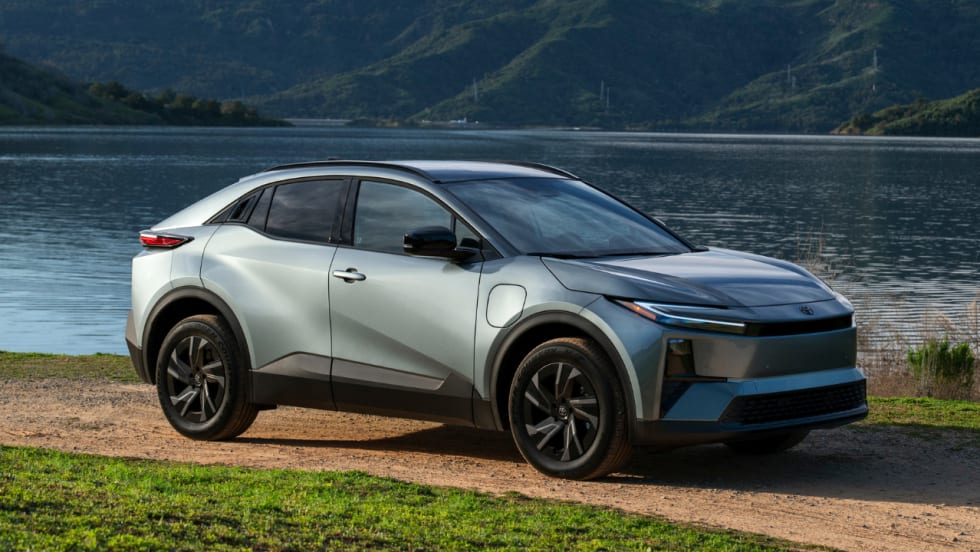
2027 Toyota C-HR Offers 287-Mile Range and Standard AWD
Toyota’s 2027 C-HR brings 287 miles of estimated range, standard all-wheel drive, and NACS fast-charging capability to the compact EV market. See what its mix of performance, cargo space, and everyday technology could offer business users.
Read More →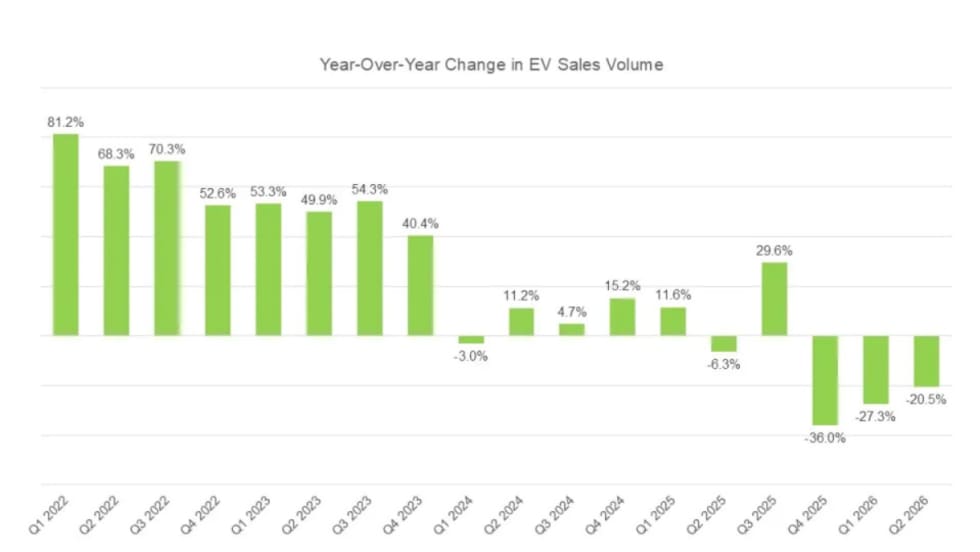
New Vehicle Models Stabilize Electrified Market In Q2
But more credit goes to hybrids than to all-electric vehicles, as more buyers look for fuel-efficient alternatives amid high gas prices.
Read More →
Slate Debuts Colorful, Unique EV Models
A recent media and client event, studded with electric vehicles dressed up on platforms, planted a new position for the manufacturer in the wider EV market. Fleets will find cost-saving advantages.
Read More →
Slate Electric SUV, Pickup Switchable Model Aims For Light-Duty Fleets
Everything about this EV is counterintuitive and understated, making it stand out from the crowd.
Read More →