



Related: Zero Emissions Vehicles Can Still Impact the Environment
Can the Electrical Grid Handle Electric Trucks?
Very few new power plants have been built in the U.S. in the past 10 years, yet demand for electric energy is rising, fueled by a boom in battery electric vehicle sales. Does the grid have the capacity to handle it?
February 19, 2018
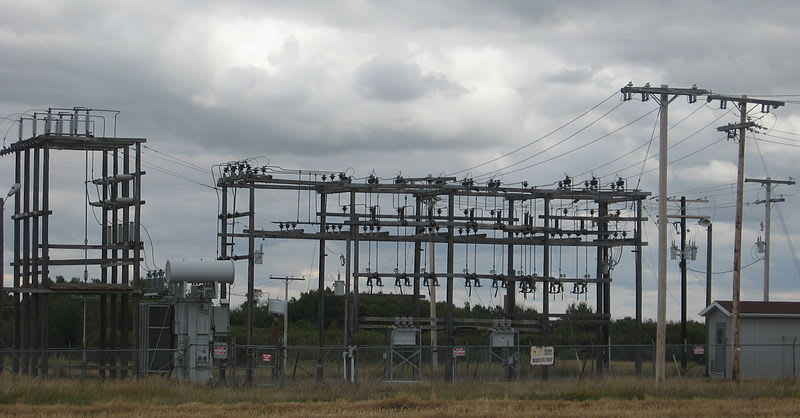
Demand for electric energy is rising, fueled by a boom in battery electric vehicle sales. Does the grid have the capacity to handle it? Photo: Trekphiler via Creative Commons
3 min to read
Demand for electric energy is rising, fueled by a boom in battery electric vehicle sales. Does the grid have the capacity to handle it?Photo: Trekphiler via Creative Commons
Very few new power plants have been built in the U.S. in the past 10 years, yet demand for electric energy is rising, fueled by a boom in BEV sales. Does the grid have the capacity to handle it? The short answer is yes, but some adjustment may be necessary.
According to the U.S. Energy Information Administration, in 2016, about 4.08 trillion kilowatt/hours (kWh) of electricity were generated at utility-scale facilities in the United States. About 65% of this electricity generation was from fossil fuels (coal, natural gas, petroleum, and other gases), about 20% was from nuclear energy, and about 15% was from renewable energy sources. The EIA also estimates that an additional 19 billion kWh of electricity generation came from small-scale solar photovoltaic systems.
As more coal-fired plants are decommissioned (in 2016 coal accounted for about 30% of the nation’s electricity production), wind and solar are filling that gap. But since demand for electricity is not constant throughout any 24-hour period, the time of day when the energy is required has a very large impact on the grid’s ability to meet demand. The addition of a huge fleet of electric vehicles may appear to be problematic, but it could actually be a huge advantage to electricity producers.
One of the problems with our electric grid is that it has no storage capacity. Power generation and transmission must be continuously managed to match fluctuating customer load. So, if all our BEVs (and the growing fleet of commercial BEVs) were to be plugged in at once, it would be a big problem.
“Fortunately, many commercial fleets (especially final-mile delivery vehicles) are parked at night, which is the optimal time for charging and for optimizing the use of the existing grid capacity,” says Scott Perry, chief technology and procurement officer, Ryder Global Fleet Management Solutions.
Once the commercial fleet reaches a critical mass, this will allow energy producers to run their facilities at higher and more efficient output during periods of traditionally lower demand, such as overnight. But the secondary advantage now being proposed and tested is to have the BEV batteries on individual vehicles serve as a sort of surge protector for the system and as a buffer in the event of a significant disruption in transmission, such as a blown transformer or a downed high-tension power transmission line, as well as providers of capacity at times when wind or solar output may be diminished.
Writing in the New Journal of Physics, Andrej Gajdu notes that potential benefits of the Vehicle-2-Grid concept can include offering a possible backup for renewable power sources including wind and solar power, load balancing by valley-filling and peak load shaving, among others. “The V2G concept can improve grid efficiency, stability, reliability,” he says, “and can reduce utility operating costs and even potentially generate revenue for the consumer.”
Subscribe to Our Newsletter
More Vehicle Research
2027 Lexus NX Moves to Fully Electrified Lineup
For 2027, the NX moves to an entirely electrified lineup, with either hybrid or plug-in hybrid powertrains.
Read More →
2027 Mitsubishi Eclipse Sportback Named Green SUV of the Year
Green Car Journal recognized Mitsubishi’s new battery-electric crossover, which offers NACS compatibility and DC fast charging at up to 150 kW.
Read More →
Dave Carroll Named President of Ford Energy
Carroll succeeds Lisa Drake, who will remain with Ford through Dec. 31 to support the leadership transition.
Read More →
City of Long Beach Named No. 1 Green Fleet of 2026
NAFA's 2026 Green Fleet Awards recognized fleets for sustainability efforts spanning alternative fuels, technology, facilities, workplace culture and fleet operations.
Read More →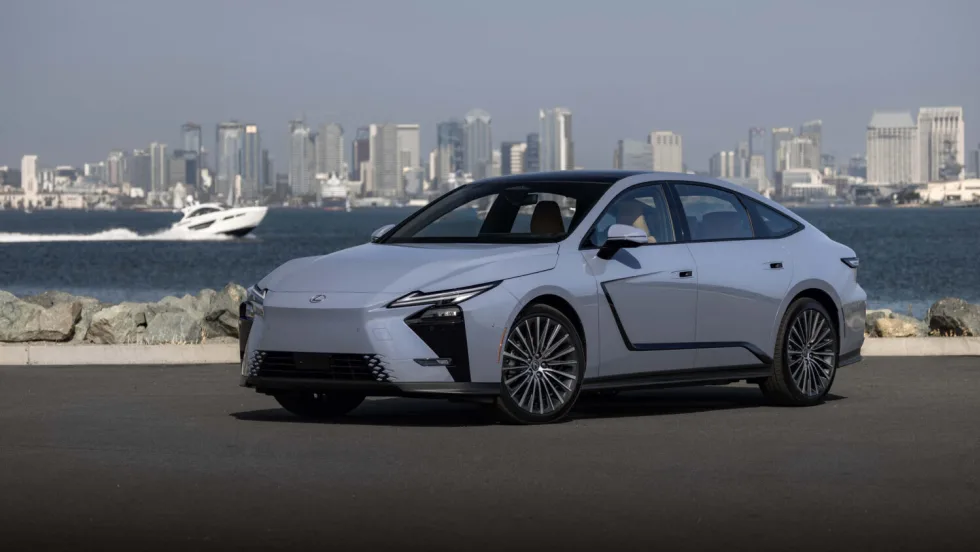
2027 Lexus ES Adds First Battery-Electric Models
The ES 350e and ES 500e join the hybrid ES lineup with up to 338 hp, an EPA-estimated 307 miles of range and standard NACS charging capability.
Read More →
EV Fleet Reality Check: What Operators Wish They Knew Before Electrifying Their Work Vans
Electric work truck upfits bring new compatibility questions. Learn how parts availability, OEM guidance, power demands, and route planning can affect fleet performance.
Read More →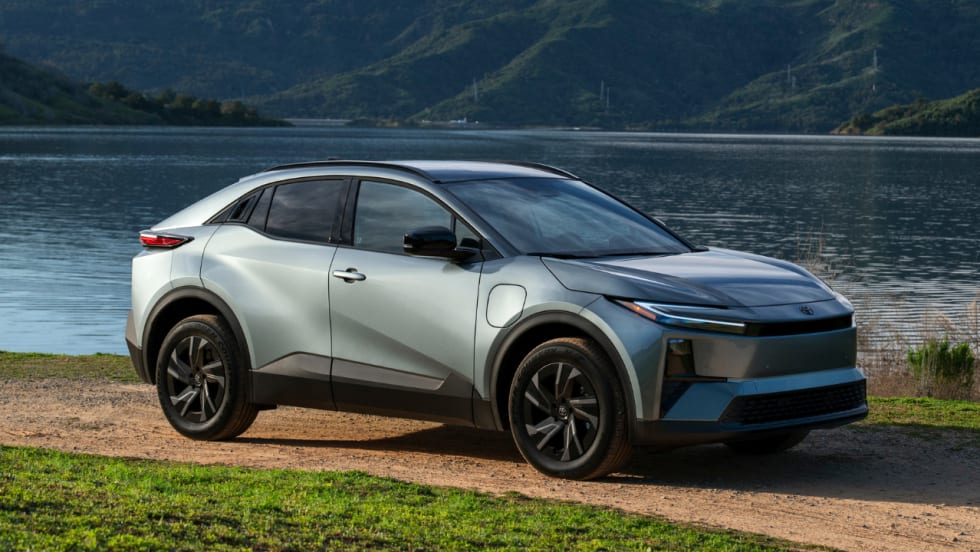
2027 Toyota C-HR Offers 287-Mile Range and Standard AWD
Toyota’s 2027 C-HR brings 287 miles of estimated range, standard all-wheel drive, and NACS fast-charging capability to the compact EV market. See what its mix of performance, cargo space, and everyday technology could offer business users.
Read More →
New Vehicle Models Stabilize Electrified Market In Q2
But more credit goes to hybrids than to all-electric vehicles, as more buyers look for fuel-efficient alternatives amid high gas prices.
Read More →
Slate Debuts Colorful, Unique EV Models
A recent media and client event, studded with electric vehicles dressed up on platforms, planted a new position for the manufacturer in the wider EV market. Fleets will find cost-saving advantages.
Read More →
Slate Electric SUV, Pickup Switchable Model Aims For Light-Duty Fleets
Everything about this EV is counterintuitive and understated, making it stand out from the crowd.
Read More →