


5 Big Green Myths
How a business handles its effects on the environment is becoming just as important as cost, quality, and service.
All areas of transportation are under the environmental microscope. These sectors account for about 30% of all greenhouse gas emissions. Every business that deals with transporting people or goods will be judged on its ability to reduce its environmental footprint.
Consider this quote from IBM: “The traditional parameters of supplier selection have been cost, quality, and service. These parameters are joined by a fourth: carbon.”
The only way any business can truly demonstrate its progress toward a greener operation is through accurate measurement and continuous reporting. Measurements of your carbon footprint in all areas of your business (fleet, heat, electricity, waste, supply chain) are mandatory if you will ever answer the impending client question, “Can you prove that your green efforts are producing reductions in your overall footprint?”
Many companies are able to confidently answer YES and provide reports. Most companies will answer NO.
If you have taken steps or plan on taking steps to green your business, the single most important step you must take is to build an accurate baseline measurement of your carbon footprint. Only then will you be able to prove that your efforts are genuine, effective, and fact-based.
THE TOP 5 MISCONCEPTIONS ABOUT GREENING YOUR FLEET:
#1 Clients don’t really care about green ground travel
If you still believe this, you are living in 2005. Yes, these days it seems cost and quality are paramount. However, cost and quality coupled with a robust environmental sustainability program will certainly tip the scales in your favor. Of the largest public companies in North America, 77% deem environmental leadership a very high priority. These are the companies that book significant volumes of ground transportation, and they are the largest users of DMCs and meeting planners. The green mandates are being rolled out. Make sure you are prepared.
#2 Light bulbs and recycling make you green
Yes, they are important. But many organizations forget that a change in behavior must be integrated at the same time. If you continue to leave the lights on when they are not needed and use paper recklessly, you really aren’t moving forward. Remember, only accurate measurements will affect behavior and demonstrate progress.
#3 Purchasing carbon offsets reduce your footprint
Sending money to an external clean energy project might make you feel good, but it does nothing to reduce the emissions of your daily operations. A good rule is to reduce your own footprint first, and only after significant progress has been made should you consider looking into offsetting the remaining balance of your emissions each year. But be careful — make sure you thoroughly research your options.
#4 Zero emission vehicles are just around the corner
Electric cars, hydrogen cars, or vehicles that run on 100% bio-fuel will have a major effect one day. Your business has made significant investments in your fleet — it is now your responsibility to operate those vehicles as efficiently as possible and reduce your emissions now. Don’t be misled by over enthusiastic automotive manufacturers, as zero emissions vehicles are still way off in the future.
#5 Hybrids alone are the answer
Did you know that a gasoline powered 2007 Lincoln L can operate as efficiently as a 2009 Cadillac Escalade Hybrid? Yes, some hybrid models are much more efficient and environmentally friendly. But at this point in time greenhouse gas emissions reduction is more a function of vehicle use (city vs. highway) and driver behavior than the type of vehicle on the road. Once again, accurate measurements will demonstrate these facts.
More Batteries/Tech
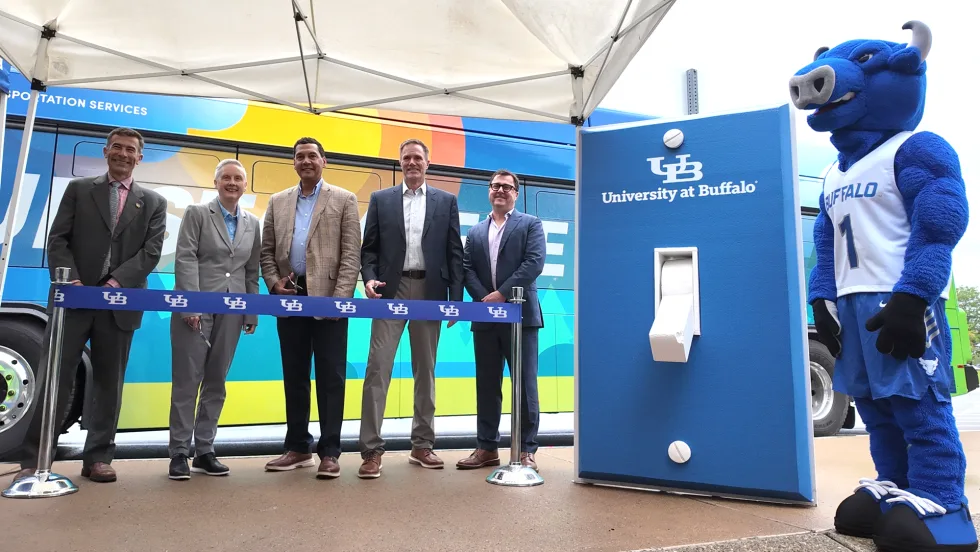
University at Buffalo Deploys 8 Electric Buses, 10 Chargers
The university, WeDriveU, and Zenobē welcomed the first electric buses to the school’s fleet under its zero-emissions roadmap.
Read More →
Samsung SDI Takes Full Control of GM Battery JV as Indiana Plant Pivots to Energy Storage
Samsung SDI is taking full control of its Indiana battery plant with GM, marking a major shift from the EV-focused joint venture Charged Fleet first covered in 2023.
Read More →
Xos White Paper Asserts LA Olympics Will Lack Enough EV Chargers
The commercial EV fleet company recommends some faster and more flexible remedies to relieve the anticipated shortfall.
Read More →
New EV and Hybrid Training Available For Auto Technicians
The curriculum covers those skill sets highly sought by electric fleet operations.
Read More →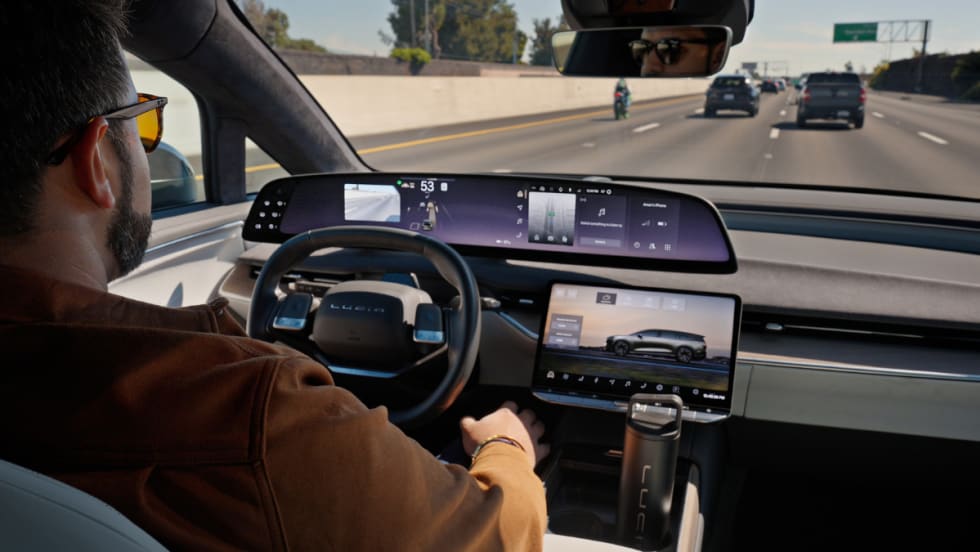
Lucid Adds Hands-Free Highway Driving, Software Updates To Gravity SUV
Hands-free drive assist makes highway driving more comfortable while keeping drivers attentive to the road.
Read More →
California Adopts Sweeping New Autonomous Vehicle Regulations
Updated DMV rules open the door for heavy-duty AV testing and deployment while strengthening safety standards, emergency response coordination, and manufacturer accountability.
Read More →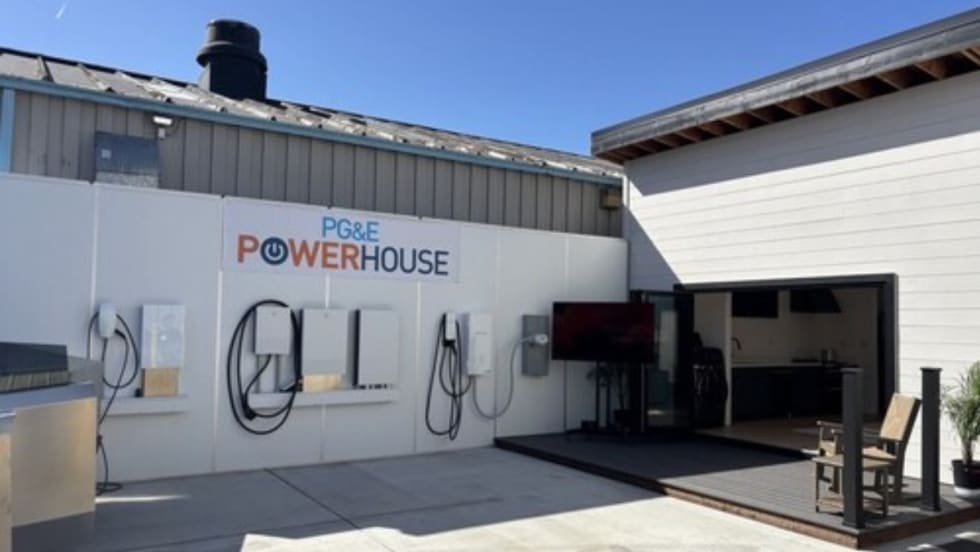
All Electric Test House Could Ease Path To EV Usage
An experimental model home shows how residential charging could enable electric fleet operations by allowing drivers to take EVs home.
Read More →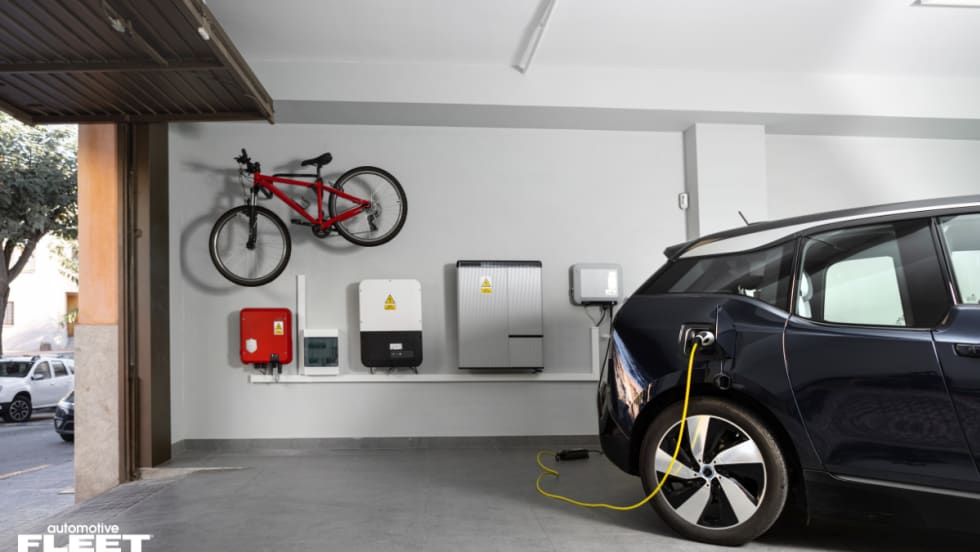
WEX Launches Solution to Close EV At-Home Charging Visibility Gap
At NAFA I&E 2026, WEX debuted an EV solution that adds a layer of verification to help fleets track, validate, and trust every at-home charging dollar.
Read More →
Major Truck Charging Hub Opens In Southern California
EV Realty opens a 76-port, 9 MW truck charging hub in San Bernardino, designed to support more than 200 medium- and heavy-duty vehicles per day with CCS and MCS capability.
Read More →
Software Speeds Up EV Fleet Charging
Learn about a new level of energy management that helps fleets control costs while maintaining service reliability. [VIDEO]
Read More →