


Amos Haggiag is CEO/cofounder of Optibus, a Tel Aviv-based company that provides technology to make mass transit operations more efficient.
3 Things You Need to Know About Electric Buses
Charging times require precise planning of route lengths, fleet usage, and daily turnover to max ROI on fixed routes and one-off trips.
by By Amos Haggiag
December 1, 20195 min to read

Charging electric buses comes with a new set of cost considerations for transit operators.
(photo: Proterra)
[This article first appeared in METRO Magazine].
Electric bus use is growing, with nearly half of municipal buses on the road globally expected to be electric by 2025 and the size of the U.S. electric bus market projected to reach $1.95 billion by 2024. With all this change in the (cleaner) air — amid growing environmental concerns, legislation mandating electric vehicle adoption, low maintenance costs, and funding and tax incentives — transit companies that aren’t already using electric buses would do well to consider planning how to integrate them into their fleet.
Although the infrastructure for electric vehicles needs to be considered, including issues such as which batteries to use and where charging stations should be located, integrating electric vehicles into a fleet is about much more than hardware.
The underlying challenge is that electric buses have different needs than diesel ones — perhaps most significantly, they need recharging more often than diesel buses require refueling — and that makes efficient scheduling both more complicated and more necessary than ever.
Here are three important factors that transit agencies, (private) bus operators and schedulers should consider when thinking about incorporating electric buses into their planning and scheduling:
Charge Times
Introducing electric buses requires operators to consider how charge times affect the planning and scheduling of bus routes and trips. It’s essential for operators to figure out each vehicle’s range limits and the minimum charging requirements for each route, which dictate the level of energy needed for a given trip and the amount of spare energy required. Charging time for each battery type must also be considered.
Since electric buses need more recharging than diesel buses, some drivers may face range anxiety, the fear that the vehicle won’t have enough juice to make it to the end of the route. The goal here is to schedule buses in a way that alleviates range anxiety while also getting the most value out of the vehicles by keeping them on the road while incorporating charge times into the schedule at the right junctures.
To do that, it’s important to build a charging strategy that answers questions such as:
What’s the range and minimum battery capacity for a given trip? For example, a bus with 70% remaining charge could have a remaining range of 45 miles and remaining time of 4 hours and 20 minutes. Once you know the baseline, the schedule can take that into account.
What’s the maximum widespread? The duration of a break at the depot is more significant for electric buses than diesel ones, since it dictates the potential for increasing the vehicle’s charge.
How many recharging events do you want to have? For instance, if you have multiple short charging events instead of long charges, you may be able to keep a vehicle at a lower remaining charge if you know it will be recharged shortly. But in some circumstances it may be better to charge just once at night.
What kind of batteries and chargers are used for each vehicle? Important variables include the type, capacity and discharge rate of the batteries as well as the battery types supported by the chargers and their charging rate.
Cost
Charging electric buses comes with a new set of cost considerations for operators. There’s a lot of interplay between cost and charging times, since bus schedules must take into account both the amount of time electric buses need to charge and the time of day they do so.
The cost of electricity changes over the course of a 24-hour period, and also varies based on the day of the week and the season. This means operations can exert some control over operational costs for electric buses by timing their charging events accordingly, but must be careful to consider the demand charges imposed by electric utilities at peak times, which can have a significant effects on cost.
Cost can also be affected by the type of recharging event, whether for longer periods during off-peak hours or shorter bursts throughout the day.
The lifetime cost of electric buses is lower than diesel buses, despite the demand charges and the higher initial cost of electric buses, a Columbia University electric bus analysis for New York City Transit found. The savings are due to lower operational costs, including maintenance and charging. In addition, battery costs are expected to decline in the coming years, further lowering the overall cost of ownership.
Fleet Size
Just as charge time scheduling can influence cost, it can also affect peak vehicle requirements and overall fleet size, since there need to be enough vehicles to allow for quick rotations as one bus gets charged and another moves into active use.
Analyzing multiple scheduling scenarios makes it easier to experiment in order to find the one that best meets needs like reducing PVR.
For example, we used two different charging strategies to see how the length of the charge time would affect the peak vehicle requirement for a hybrid fleet with six diesel buses. We found that when two full, long charges were scheduled per day, the peak vehicle requirement came to nine buses. But it dropped to eight buses with partial recharges that averaged out to four short bursts of energy a day.
Charge times, cost and fleet size are important factors to calculate when planning how best to integrate electric vehicles into a bus fleet. Once these variables are expressed as preferences and constraints, sophisticated scheduling platforms can maximize electric miles by creating efficient schedules that eke the most value out of each bus.
Subscribe to Our Newsletter
More Electric Vehicles
EV Charging Use Is Outpacing Infrastructure Growth
ChargePoint’s 2026 Charging Forward Report points to rising charger use, higher-powered charging, commercial vehicle electrification, and energy-management technology. Here’s what fleets should know.
Read More →
EV Realty Names Henrik Holland President as Charging Platform Expands
The former Prologis Mobility and Shell executive will help expand EV Realty’s truck charging business and move its power-first infrastructure model into autonomous vehicle depots and other fleet sectors.
Read More →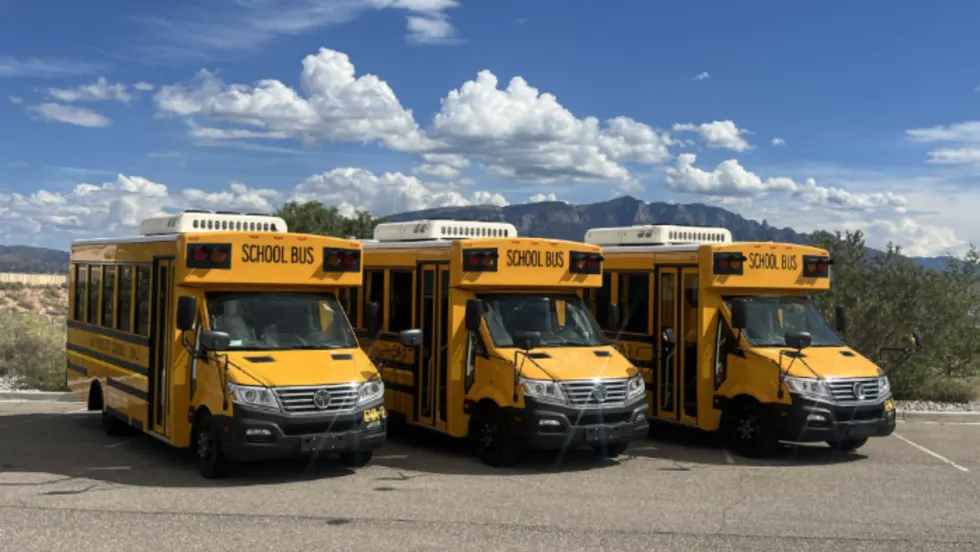
GreenPower Expands New Mexico EV Pilot With Larger Buses, V2G Testing
After logging more than 17,000 electric miles in the first year, New Mexico’s statewide pilot is moving into its second phase with larger vehicles, continued charging evaluations, and more.
Read More →
Can EV-as-a-Service Help Fleets Scale Electrification?
Sustainability Partners CEO Adam Cain explains how matching EVs, charging infrastructure, and duty cycles can help fleets scale electrification.
Read More →
How EV-as-a-Service Is Moving Fleets Beyond Pilots
Adam Cain, president and CEO of Sustainability Partners, explains how EV-as-a-service can help fleets scale deployments by addressing duty-cycle requirements and charging challenges.
Read More →
PowerFlex, The Mobility House Join Forces to Advance Fleet Electrification
Two EV charging providers are joining forces to deliver a broader portfolio of energy management and fleet electrification solutions.
Read More →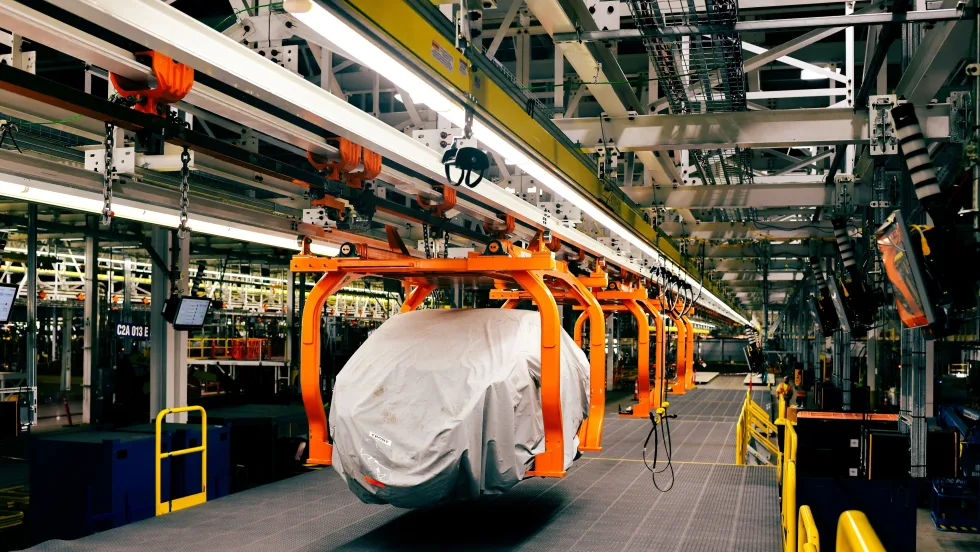
Ford Retools Louisville Plant for Fathom Electric Truck Production
Ford's $2 billion Louisville Assembly Plant overhaul introduces a three-part assembly process for the Fathom midsize electric truck, with production scheduled to begin in 2027.
Read More →
Merchants Fleet Reports 290M EV Miles as Fleets Navigate Changing Electrification Market
From millions in operating savings to hundreds of millions of EV miles, Merchants Fleet’s latest report reveals what’s working and what’s changing in fleet electrification.
Read More →
California District Commits to Electrify 25% of School Bus Fleet by 2028
One of the nation's largest school bus electrification projects to date demonstrates how grants, charging infrastructure, and public-private partnerships can help fleets transition to EVs at scale.
Read More →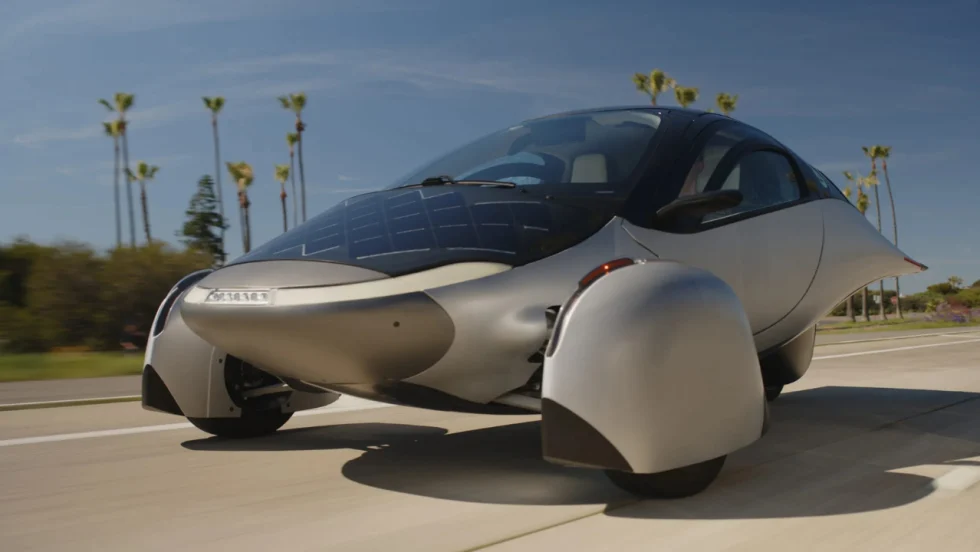
Aptera Orders Bodies and Chassis for Its First 40 Production Vehicles
Aptera Motors Corp. has issued purchase orders for the major structural components of its first 40 vehicles, and body and chassis components are expected to begin arriving in October.
Read More →