


Up Next: Connected Fleets Face Growing Cyber Risks as Technological Landscape Grows
9 Ways to Keep Your Fleet and Your Clients Safe and Sound Through the Winter
Cold weather can expose vehicle problems that may go unnoticed during warmer months. A thorough winter check can help fleets catch trouble early, reduce roadside issues, and keep drivers and passengers safer when conditions turn harsh.
by Bryan Baker (Dr. Limo)
November 1, 2007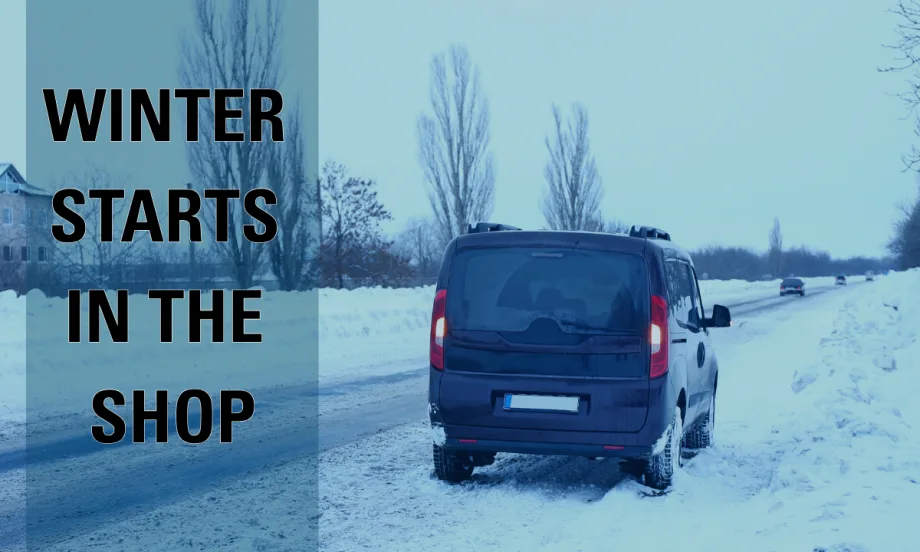
Preparing vehicles for winter goes beyond checking the tires. Lighting, brakes, batteries, visibility, heating systems, and emergency supplies can all help keep vehicles safely on the road.
6 min to read
As we enter fall and look ahead to winter, it is time to get the fleet standing proud for the Thanksgiving travelers and Christmas parties. As the seasons change, a few things need to be done to prepare for the cold months ahead. For many of you, winter means sleet, freezing rain, snow, and bitter cold temperatures. No owner wants to get the call that their car is on the side of the road with a mechanical issue — especially in the freezing cold.
Let’s walk around the car and see what we can do to help ensure that call doesn't come.
LIGHTS
Turn on all the car's lights and check the bulbs, high beams, fog lights, and low beams. At night, pull the car up to a wall and check the headlight alignment. We have all seen the car go down the road with one headlight shining straight into your lane, blinding you.
Don’t be that car.
The lights should be even and shine straight ahead. If they are not, your local body shop usually has a headlight alignment machine that can set them back correctly. Proper headlight alignment is critical to eliminating snow blindness caused by light shining on new snow.
Make sure the hazard lights work. You never know when you will have to pull over, and a 30-ft. long white car can disappear beside a snow bank.
TIRES
Look at the tires.
Are they inflated correctly? How much tread is left on them? If you insert a penny upside down in the tread and can see the top of Abe’s head, it is time for some new tires. Worn, underinflated tires have much less traction in wet and slippery conditions and can leave you stuck, or worse — in a ditch.
WIPERS
Simply put, if you don’t know when you last changed the wiper blades, put a new set on. Wiper blades are cheap, and a set that streaks or does not clean well can be dangerous. Before you put on a new set, take a minute to clean the glass with glass cleaner and a single-edged razor blade. Spray the windshield with glass cleaner and scrape the glass gently from top to bottom, then side to side. You will be surprised by how much road grime comes off.
As the blades go back and forth, they leave tiny bits of rubber on the glass; a gentle scrape will remove them, and you will be amazed at how well they work the next time you need them. I use Rainex on my windows. It helps water bead up and roll off, so wipers aren’t necessary during a gentle mist.
Another thing to do before you install the new wipers is to check the windshield washers. Fill the reservoir with washer antifreeze (not regular antifreeze, or you will have one heck of a mess). Many good products will keep your washer fluid from freezing, and frozen washer fluid is useless.
Operate the washers and make sure that they cover the windshield. You can clear a stopped-up nozzle with a pin or a little compressed air. Make sure they work well. Now put those new blades on.
EXHAUST
Get under the car and check the exhaust from front to back for any leaks or holes that have occurred during the summer. Driving in snow reduces the car's ground clearance, and leaks can let exhaust into the cabin. Make sure that nothing is damaged from scraping over the entrance to that one club every city has — the one with the bad rise in the driveway that you have to go over crossways, while hoping your clients didn’t eat a lot at dinner.
BRAKES
Drive the car and make sure that there are no pulling issues with the brakes. A vehicle that pulls one way or the other under hard brake application will be 50 times worse with the limited traction caused by water or slush on the roads.
Make sure your brakes are in good shape and properly adjusted. Often, rotors on a stretch become warped during summer driving and cause a shudder when you stop. This needs to be corrected because that shudder is uneven braking on that one wheel.
If you hit a slick spot and the wheel stops turning, you have lost steering control on that wheel, which can land you in a ditch or, worse yet, get you into an accident.
BATTERY
Make sure you check the battery! Batteries lose as much as three-quarters of their power when the temperature goes below freezing. A weak battery in warm weather will become a dead battery in cold weather. Check that the charging system is putting out the correct voltage to both the coach and vehicle batteries.
Make sure all of the connections are clean and tight. With all the lights, heater blowers, and entertainment devices running, the electrical system will be stressed to its maximum. Don’t let a dirty or loose cable leave you stranded.
HEAT
Make sure the heat works in the car. I know this sounds silly, but the little vacuum hoses that operate the heat in the coach section can split and fall off at the worst times, leaving you with no heat in the rear of the car. Make sure that the defroster blows warm air at the windshield to keep it free of fog and to melt whatever falls on the outside of the glass.
BODY
I suggest taking the car to the local “jiffy wash” and using the wand to spray the undercarriage thoroughly. When you finish, turn the knob to wax, and spray the undercarriage with wax. This will help keep road salt and similar debris from attacking the car's body during the winter season. When you get back to base, wash the outside and apply wax generously. If your car has a vinyl top, apply a dressing to keep it pliable so it doesn’t get brittle and crack in the cold.
SAFETY
Last, but nowhere near least, check your safety kit. Make sure the flares or safety triangles are still there, that there is a blanket, and some emergency food in the car. Make sure the car has a working flashlight and a pair of gloves in case you have to change a tire in the snow. A cell phone charger is also a good addition to your safety kit. Check the first aid kit to make sure it is well stocked.
You will never have everything you need with you, but with a good plan and a little foresight, you should have enough to get you through a problem safely. The Boy Scout motto is “Be prepared.”
I hope this list serves as a general guide to help you stay prepared for the coming winter months. If you follow good maintenance and planning guidelines, you and your coaches should have a great winter season.
Editor’s note: This article was originally published in 2013 and was reviewed and updated in September 2026 to verify that the information and recommendations remain current.
Subscribe to Our Newsletter
More Vehicle Research
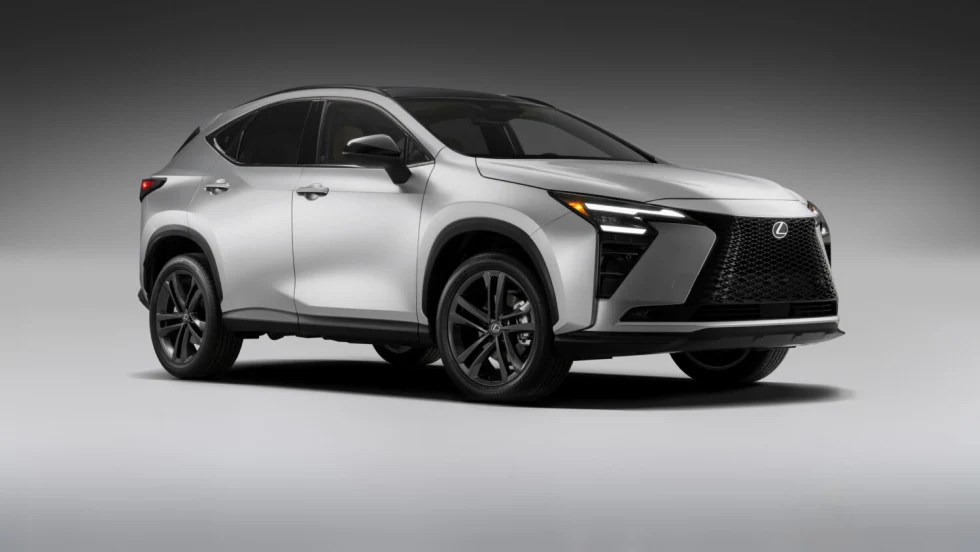
2027 Lexus NX Moves to Fully Electrified Lineup
For 2027, the NX moves to an entirely electrified lineup, with either hybrid or plug-in hybrid powertrains.
Read More →
2027 Mitsubishi Eclipse Sportback Named Green SUV of the Year
Green Car Journal recognized Mitsubishi’s new battery-electric crossover, which offers NACS compatibility and DC fast charging at up to 150 kW.
Read More →
Dave Carroll Named President of Ford Energy
Carroll succeeds Lisa Drake, who will remain with Ford through Dec. 31 to support the leadership transition.
Read More →
City of Long Beach Named No. 1 Green Fleet of 2026
NAFA's 2026 Green Fleet Awards recognized fleets for sustainability efforts spanning alternative fuels, technology, facilities, workplace culture and fleet operations.
Read More →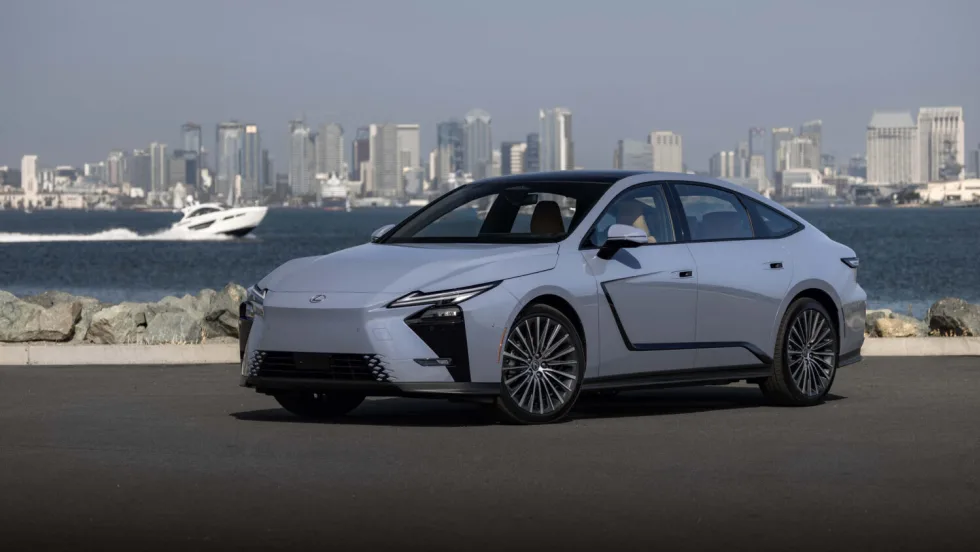
2027 Lexus ES Adds First Battery-Electric Models
The ES 350e and ES 500e join the hybrid ES lineup with up to 338 hp, an EPA-estimated 307 miles of range and standard NACS charging capability.
Read More →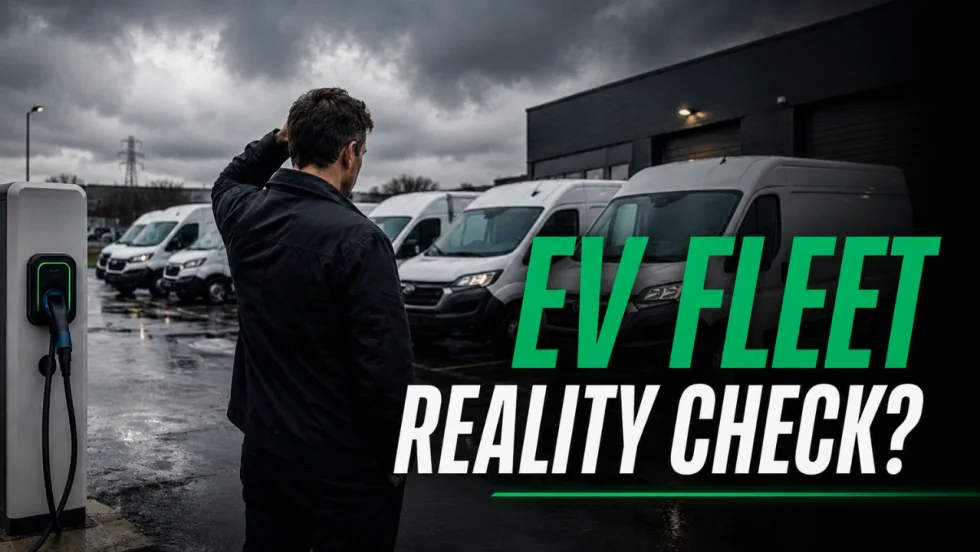
EV Fleet Reality Check: What Operators Wish They Knew Before Electrifying Their Work Vans
Electric work truck upfits bring new compatibility questions. Learn how parts availability, OEM guidance, power demands, and route planning can affect fleet performance.
Read More →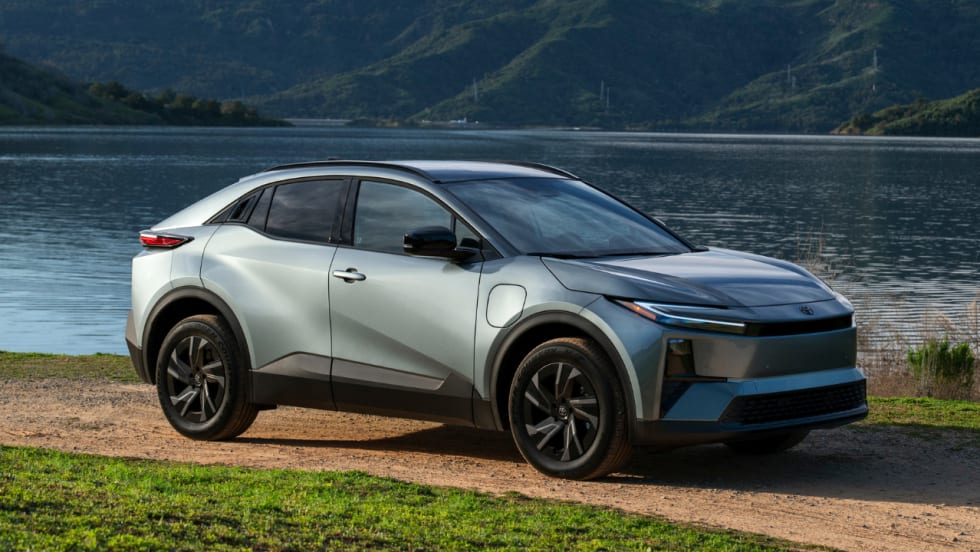
2027 Toyota C-HR Offers 287-Mile Range and Standard AWD
Toyota’s 2027 C-HR brings 287 miles of estimated range, standard all-wheel drive, and NACS fast-charging capability to the compact EV market. See what its mix of performance, cargo space, and everyday technology could offer business users.
Read More →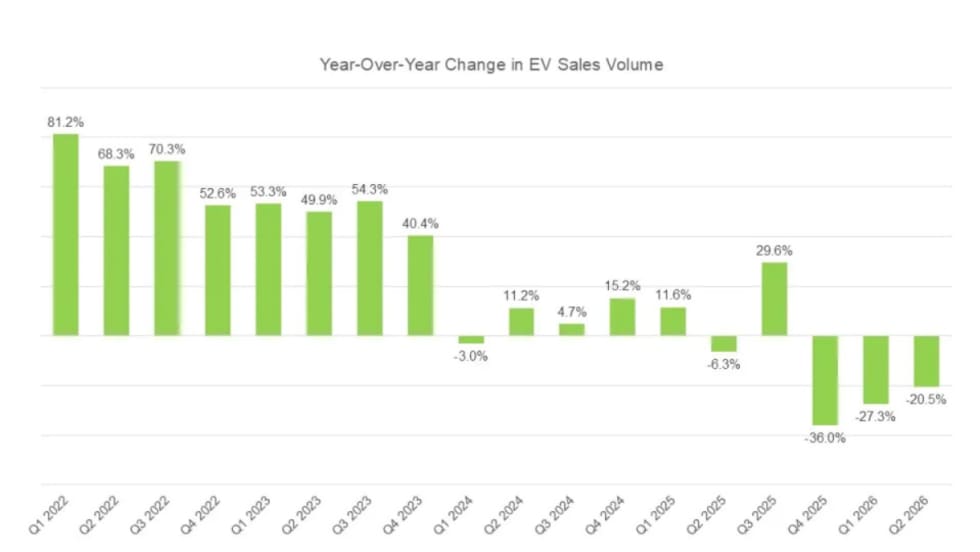
New Vehicle Models Stabilize Electrified Market In Q2
But more credit goes to hybrids than to all-electric vehicles, as more buyers look for fuel-efficient alternatives amid high gas prices.
Read More →
Slate Debuts Colorful, Unique EV Models
A recent media and client event, studded with electric vehicles dressed up on platforms, planted a new position for the manufacturer in the wider EV market. Fleets will find cost-saving advantages.
Read More →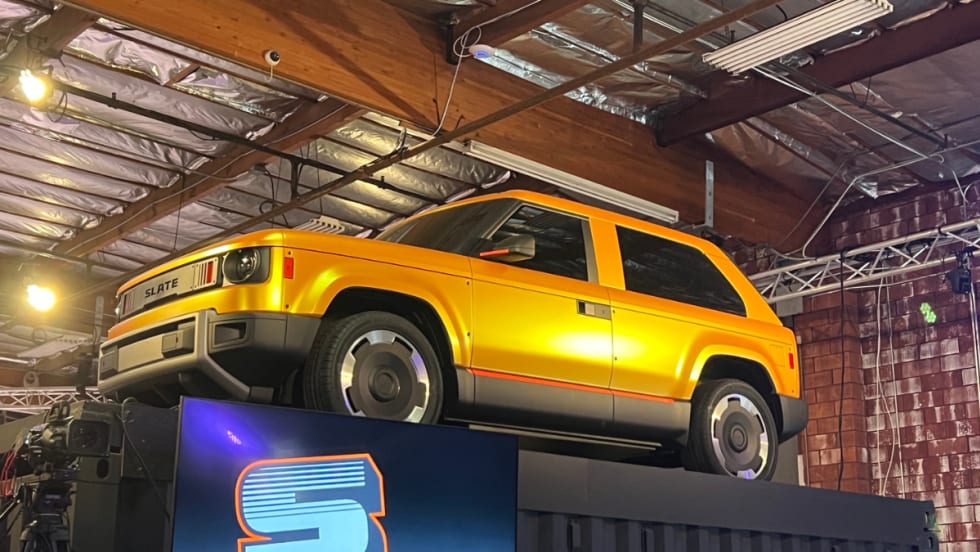
Slate Electric SUV, Pickup Switchable Model Aims For Light-Duty Fleets
Everything about this EV is counterintuitive and understated, making it stand out from the crowd.
Read More →