


EV Sales Hit Record in Q3 Before Incentives Expire
But most OEMs record low-volume sales, which means EV profitability remains a distant dream for nearly every automaker.

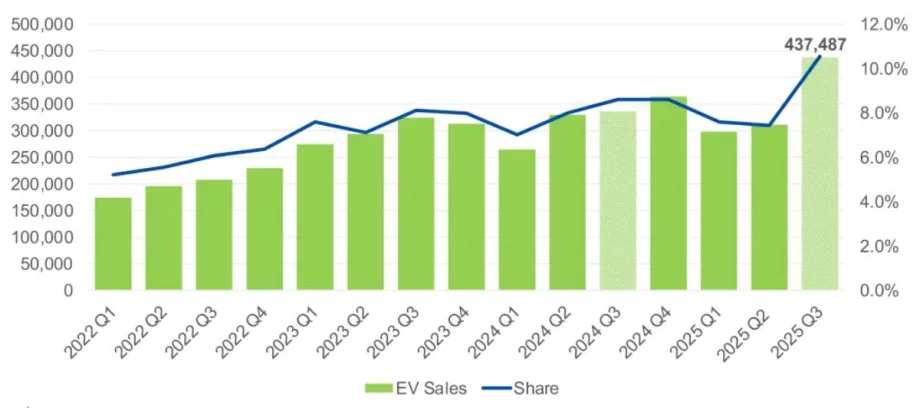
EV sales volume in Q3 was up 40.7% from the previous quarter and higher by 29.6% year over year.
Graphic: Cox Automotive
As expected, electric vehicle (EV) sales volume in the U.S. hit an all-time high in Q3 2025: 438,487 units sold, according to Kelley Blue Book estimates released Oct. 10.
EV sales volume in Q3 was up 40.7% from the previous quarter and higher by 29.6% year over year. The Q3 record beat the prior peak set in Q4 2024 by nearly 20%. During the third quarter, electric vehicles accounted for 10.5% of total vehicle sales, also a new record and a significant increase from the 8.6% share in the same period last year.
However, not all automakers joined the sales party. Mercedes-Benz EV sales in Q3 were mostly flat year over year, while Toyota and Nissan both sold fewer EVs last quarter compared to Q3 2024.
Meanwhile, Volkswagen, General Motors, Honda, and Hyundai saw sizeable gains — VW and GM posted EV sales more than double year-ago levels — and even Tesla managed to eke out an 8% year-over-year gain in the quarter, the company’s first increase in 2025 after seeing sales tumble in the first half. Clearly, the urgency of an incentive-ending deadline prompted people and dealers to take action.
Tesla’s share of total EV sales fell to 41% from 49% in Q3 2024, according to Kelley Blue Book estimates. The EV pioneer struggles to maintain its market share in a segment where every automaker is working to expand its own electric vehicle portfolio. Recently announced price cuts may help Musk’s company maintain volume. But the challenges are only getting tougher for Tesla, which has a two-vehicle lineup supported by three niche vehicles.
In Q3, about 90 EV models registered sales, with only nine posting sales above 10,000 units. The Tesla Model Y and Model 3 continue to stand out, with sales of 114,000+ and 53,000+, respectively, in Q3. The new Chevy Equinox was the third best-selling EV last quarter with sales of nearly 25,000.
That may seem like a reasonable volume, but the top 3 are outliers, as most EVs sell at a rate of far less than 2,000 a month, or 6,000 units a quarter. In the volume-driven business of automotive manufacturing, low volume is the enemy; EV profitability remains a distant dream for nearly every automaker.
With government-backed EV sales incentives now eliminated, making and selling EVs for the U.S. market becomes even more challenging. The all-time sales and share records in Q3 were all but certain. What is far less certain is what happens next.
“The training wheels are coming off,” noted Cox Automotive’s director of industry insights, Stephanie Valdez Streaty, in a news release. “The federal tax credit was a key catalyst for EV adoption, and its expiration marks a pivotal moment. This shift will test whether the electric vehicle market is mature enough to thrive on its own fundamentals or still needs support to expand further.”
Cox Automotive forecasts EV sales to drop notably in Q4 and through the early months of 2026. Although many automakers have already pulled back on plans for new product launches, Cox Automotive continues to believe that over the long term — the next 10 years or more — sales of vehicles powered solely by internal combustion engines (ICE) will continue to decline.
Electrified vehicles — hybrids, plug-in hybrids, and pure EVs — are the future. Valdez Streaty added, “Growth will be slower than many advocates hoped, but continued innovation in battery technology, improved transparency in battery health, and expanding infrastructure give reason for optimism. The road ahead will be challenging, but progress will continue.”
More Electric Vehicles
EV Charging Use Is Outpacing Infrastructure Growth
ChargePoint’s 2026 Charging Forward Report points to rising charger use, higher-powered charging, commercial vehicle electrification, and energy-management technology. Here’s what fleets should know.
Read More →
EV Realty Names Henrik Holland President as Charging Platform Expands
The former Prologis Mobility and Shell executive will help expand EV Realty’s truck charging business and move its power-first infrastructure model into autonomous vehicle depots and other fleet sectors.
Read More →
GreenPower Expands New Mexico EV Pilot With Larger Buses, V2G Testing
After logging more than 17,000 electric miles in the first year, New Mexico’s statewide pilot is moving into its second phase with larger vehicles, continued charging evaluations, and more.
Read More →
Can EV-as-a-Service Help Fleets Scale Electrification?
Sustainability Partners CEO Adam Cain explains how matching EVs, charging infrastructure, and duty cycles can help fleets scale electrification.
Read More →
How EV-as-a-Service Is Moving Fleets Beyond Pilots
Adam Cain, president and CEO of Sustainability Partners, explains how EV-as-a-service can help fleets scale deployments by addressing duty-cycle requirements and charging challenges.
Read More →
PowerFlex, The Mobility House Join Forces to Advance Fleet Electrification
Two EV charging providers are joining forces to deliver a broader portfolio of energy management and fleet electrification solutions.
Read More →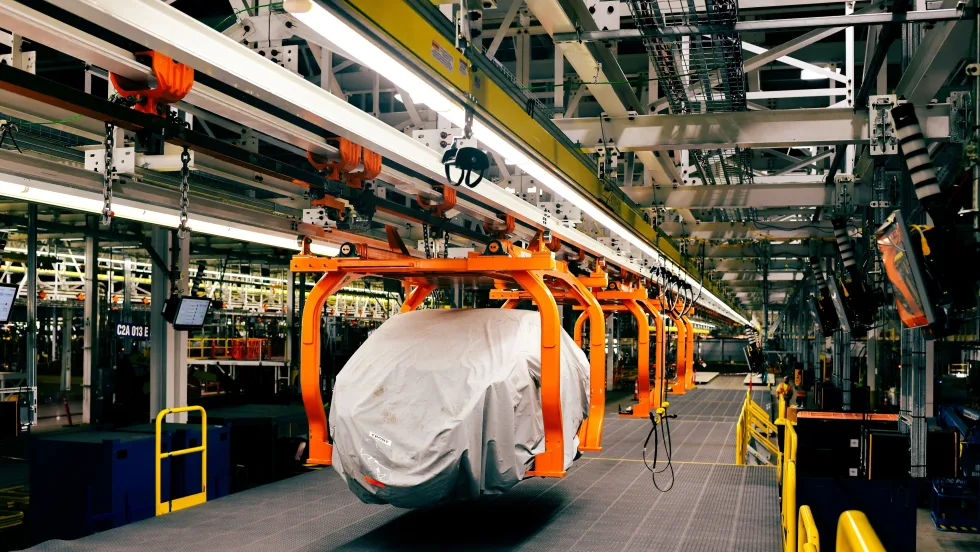
Ford Retools Louisville Plant for Fathom Electric Truck Production
Ford's $2 billion Louisville Assembly Plant overhaul introduces a three-part assembly process for the Fathom midsize electric truck, with production scheduled to begin in 2027.
Read More →
Merchants Fleet Reports 290M EV Miles as Fleets Navigate Changing Electrification Market
From millions in operating savings to hundreds of millions of EV miles, Merchants Fleet’s latest report reveals what’s working and what’s changing in fleet electrification.
Read More →
California District Commits to Electrify 25% of School Bus Fleet by 2028
One of the nation's largest school bus electrification projects to date demonstrates how grants, charging infrastructure, and public-private partnerships can help fleets transition to EVs at scale.
Read More →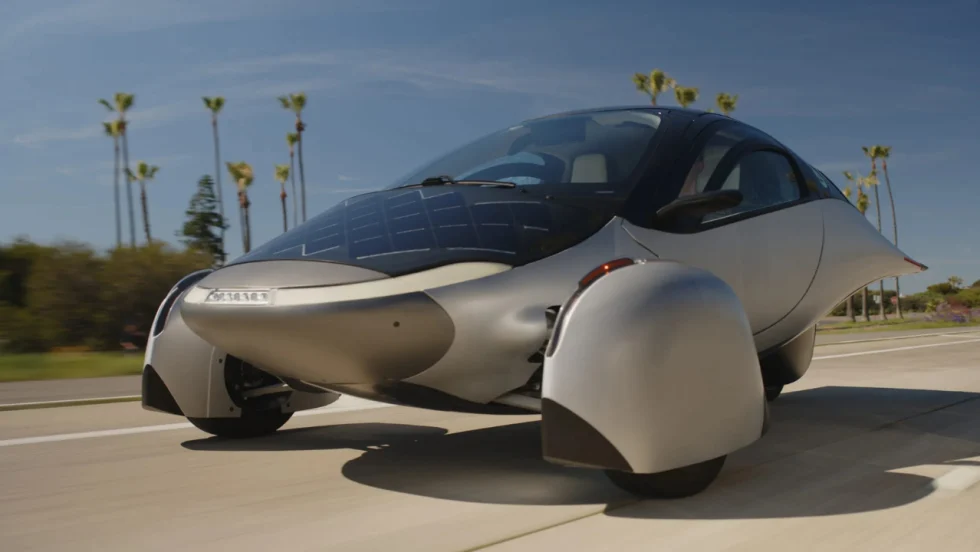
Aptera Orders Bodies and Chassis for Its First 40 Production Vehicles
Aptera Motors Corp. has issued purchase orders for the major structural components of its first 40 vehicles, and body and chassis components are expected to begin arriving in October.
Read More →