



More News: GM Energy Helps Electrify Commercial Fleets
GM, Microvast to Develop Part for Safer, Stronger EV Batteries
The new separator technology aims to enhance all types of lithium-ion cells to improve safety, charging, and battery life.
November 2, 2022
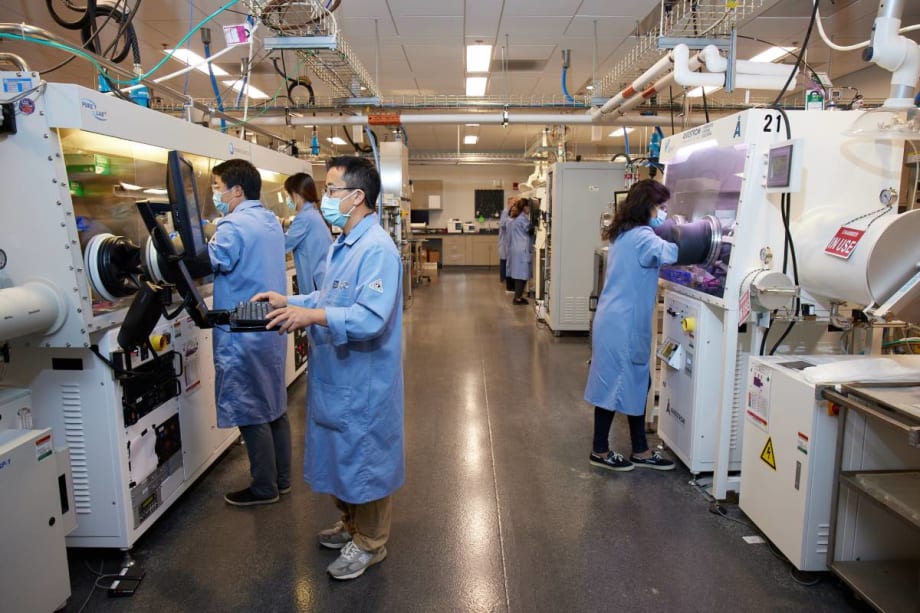
GM is joining a team of battery experts from national laboratories, academia and industry who are working to develop more reliable, affordable, longer range and higher performance EV batteries.
Photo: General Motors
2 min to read
General Motors and battery manufacturer Microvast will work together to develop specialized EV battery separator technology and build a new separator plant in the U.S., which is expected to create hundreds of new jobs, the companies announced Nov. 2.
This work will be supported by a $200 million grant from the U.S. Department of Energy's Battery Materials Processing and Battery Manufacturing initiative.
Separators are safety-critical EV battery components that serve to separate the anode from the cathode, allowing for ion transfer. GM will contribute its cutting-edge separator and coating technology to the collaboration with Microvast.
The companies will work together to develop new separator technology that can help improve EV safety, charging and battery life. This advanced technology is designed to enhance thermal stability of EV batteries and work with nearly all types of lithium-ion cells, including graphite, silicon, and lithium-metal anodes and nickel-rich, cobalt-free, lithium iron phosphate-type and high-voltage cathodes.
"This collaboration with Microvast supports our ongoing efforts to develop a North American-focused EV supply chain and help put everyone in an EV," said Kent Helfrich, GM chief technology officer and VP of research and development, in a news release. "It will also provide us with pioneering separator technology that can be used in future Ultium batteries, and most importantly, supports our continuing commitment to safety."
Dr. Wenjuan Mattis, chief technology officer at Microvast, added, “We expect the safety advantages of our innovative, highly thermally stable polyaramid separators to transform high-energy lithium-ion battery development and drive significant value for the industry."
In addition, the Department of Energy has further recognized GM's battery expertise by selecting the company for its Battery500 Consortium, which is being awarded $75 million for a second phase of research.
Led by the Pacific Northwest National Laboratory, the consortium is a team of battery experts from national laboratories, academia and industry working to develop more reliable, affordable, longer range and higher performance EV batteries.
GM is the only auto manufacturer selected for the consortium and will work with other members to accelerate development of high-energy, rechargeable lithium metal batteries.
More Batteries/Tech
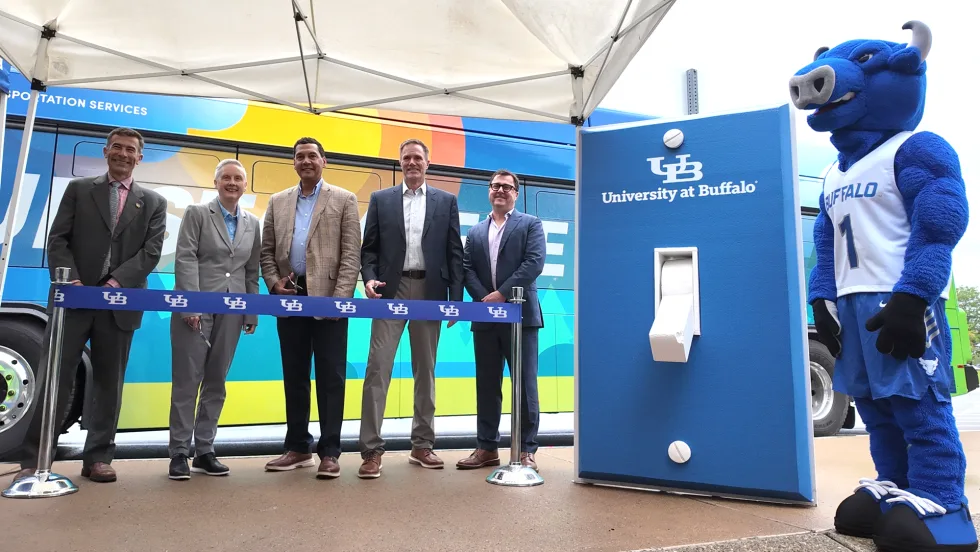
University at Buffalo Deploys 8 Electric Buses, 10 Chargers
The university, WeDriveU, and Zenobē welcomed the first electric buses to the school’s fleet under its zero-emissions roadmap.
Read More →
Samsung SDI Takes Full Control of GM Battery JV as Indiana Plant Pivots to Energy Storage
Samsung SDI is taking full control of its Indiana battery plant with GM, marking a major shift from the EV-focused joint venture Charged Fleet first covered in 2023.
Read More →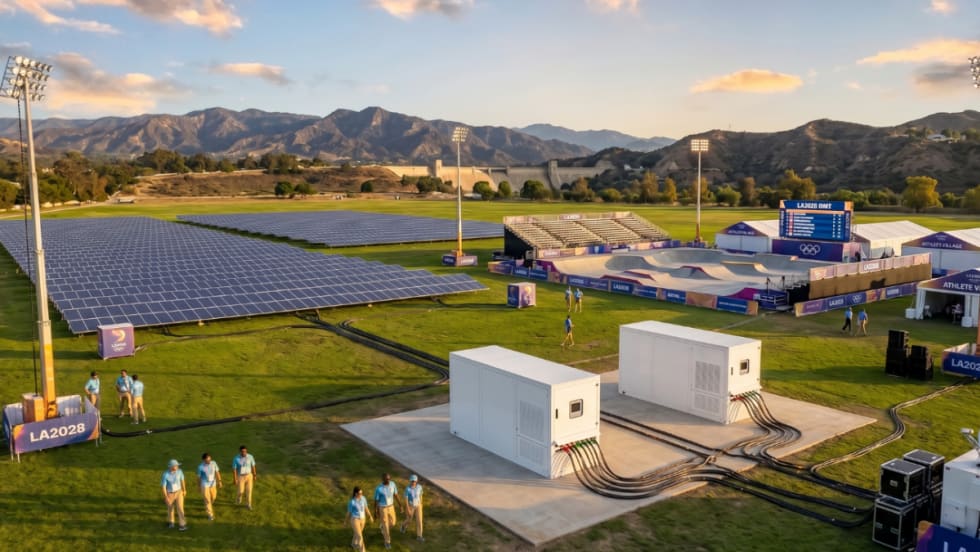
Xos White Paper Asserts LA Olympics Will Lack Enough EV Chargers
The commercial EV fleet company recommends some faster and more flexible remedies to relieve the anticipated shortfall.
Read More →
New EV and Hybrid Training Available For Auto Technicians
The curriculum covers those skill sets highly sought by electric fleet operations.
Read More →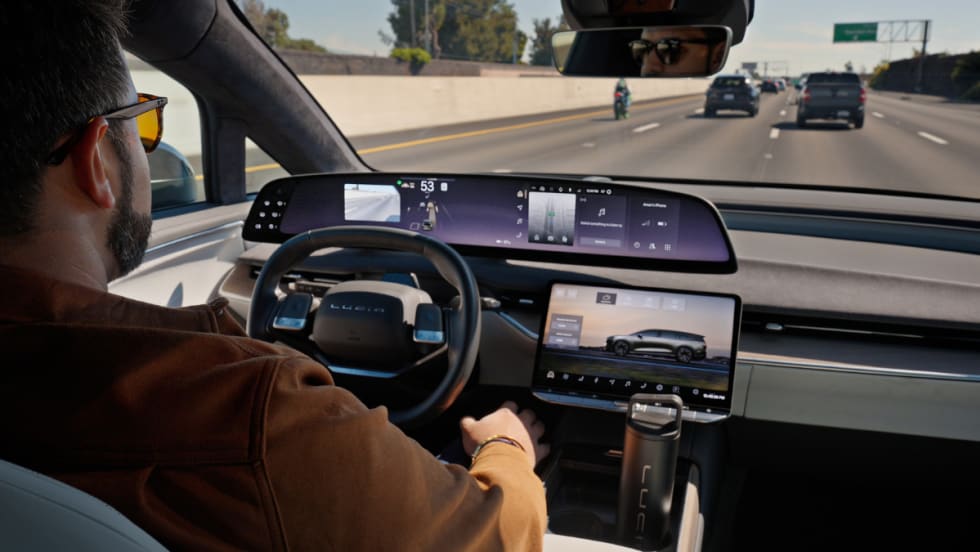
Lucid Adds Hands-Free Highway Driving, Software Updates To Gravity SUV
Hands-free drive assist makes highway driving more comfortable while keeping drivers attentive to the road.
Read More →
California Adopts Sweeping New Autonomous Vehicle Regulations
Updated DMV rules open the door for heavy-duty AV testing and deployment while strengthening safety standards, emergency response coordination, and manufacturer accountability.
Read More →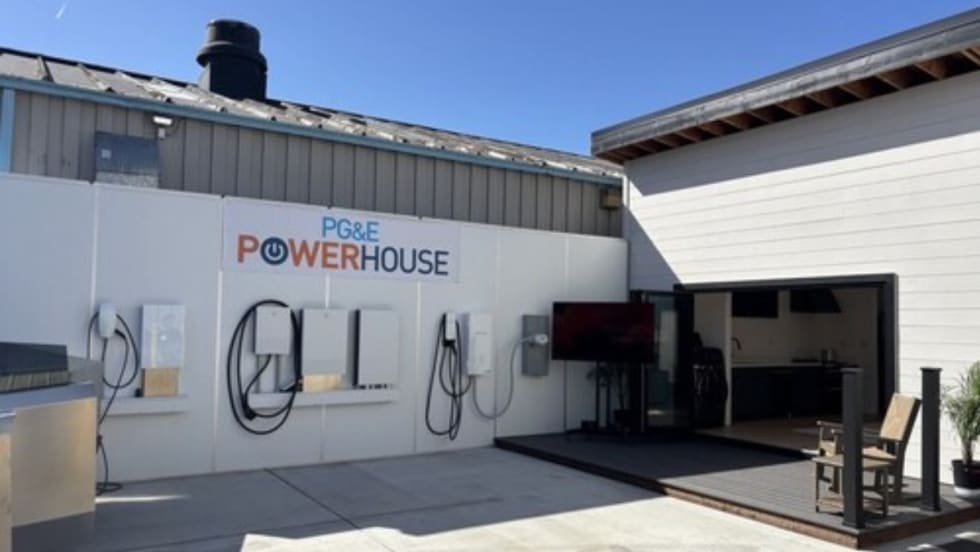
All Electric Test House Could Ease Path To EV Usage
An experimental model home shows how residential charging could enable electric fleet operations by allowing drivers to take EVs home.
Read More →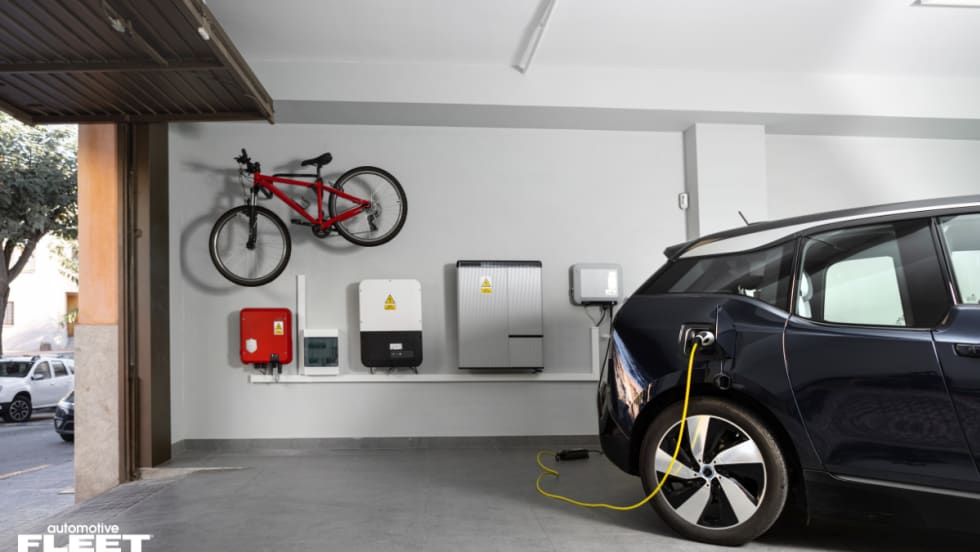
WEX Launches Solution to Close EV At-Home Charging Visibility Gap
At NAFA I&E 2026, WEX debuted an EV solution that adds a layer of verification to help fleets track, validate, and trust every at-home charging dollar.
Read More →
Major Truck Charging Hub Opens In Southern California
EV Realty opens a 76-port, 9 MW truck charging hub in San Bernardino, designed to support more than 200 medium- and heavy-duty vehicles per day with CCS and MCS capability.
Read More →
Software Speeds Up EV Fleet Charging
Learn about a new level of energy management that helps fleets control costs while maintaining service reliability. [VIDEO]
Read More →