



Related article: How Payload and Towing Affect Commercial EV Range
ELMS Prepares to Bring Class 2-3 Electric Truck to Fleet Market
The EV manufacturer will expose the vehicle later this summer and says it’s drawing strong interest from fleet operators and FMCs.
June 1, 2021

So far, ELMS has only suggested a design with a silhouetted image it posted on social media, with actual photos and images of the truck still to come.
Photo: ELMS
3 min to read
The maker of a Class 1 electric delivery van ready to roll out this fall plans to unveil its next, larger electric vehicle designed to compete in the Class 2 and 3 vehicle categories.
Electric Last Mile Solutions will reveal a new truck and begin customer testing this summer. It plans mass production and deliveries during the second half of 2022.
The small truck is designed and engineered to compete with cargo vans such as the Ford Transit, Mercedes-Benz eSprinter, and the Canoo MPDV as well as cab-forward trucks from Isuzu and Chevrolet.
ELMS says the truck already has drawn strong interest from leading fleet operators and fleet management companies. It will be produced at the former Hummer plant in Mishawaka, Indiana, which has been converted to build the ELMS Urban Delivery Class 1 van starting in the third quarter.
The truck will have a Class 3 cab chassis with at least a 14-foot cargo box on the back, and potentially a 16-foot box, said Erik Grossman, director of communications and investor relations for ELMS. Its range will be at least 150 miles, just like the Urban Delivery van. Grossman said the payload capacity will be competitive with those of longer wheelbase Sprinter and Transit vans.
The ELMS electric truck will straddle the Class 2 and 3 niches, just like the Urban Delivery is Class 1 but competes in the Class 1 and 2 categories, Grossman said.
“The demand has been extremely strong from large fleet operators for the Class 3,” Grossman said. “With the Class 3, we are opening customer access for those who don’t have Class 1 in their portfolio with their use cases.”
The truck can accommodate a wide range of client uses, such as delivery services, moving truck rentals, and parcel deliveries. “It will have a bigger footprint in last-mile delivery,” Grossman said. Other customers could include utilities, municipalities, retail outlets such as flower shops, and food deliverers.
The ELMS truck will have the potential for upfitting equipment and tools, such as temporary cold storage solutions, wire harnesses, shelving, and ladder racking.
So far, ELMS has only suggested a design with a silhouetted image it posted on social media, with actual photos and images of the truck still to come.
ELMS Urban Delivery Van Scheduled for Fall 2021
Since the ELMS Urban Delivery Van prototype was released late last fall, the van model has gained 45,000 non-binding preorders, Grossman said. ELMS has not announced the size of its first production order yet. The manufacturing plant has the capacity to build 100,000 vehicles per year.
Randy Marion Automotive Group’s commercial division is ELMS’ first distributor to help launch the Urban Delivery van. Marion Group will be scheduled to receive 6,000 of the vans once the parties finalize the deal.
“We’re not selling one at a time; these all have to go through a dealer,” Grossman said. The first customers will be fleets, not one-off buyers.
ELMS so far has not identified any near-term competitors to its Class 1 van in the EV space and believes it has an advantage among customers interested in an affordable Class 1 electric van.
ELMS will import the van bodies and chassis from China, which have already been used for vans running there and can provide millions of miles of data on usage and performance, Grossman said.
“We don’t have the expensive tooling, re-tooling, or engineering of a platform from the ground up,” he said. “This is a fast way to get to market in a way that’s proven and reliable.” Such a production set up can lead to a lower total cost of ownership for customers, he added.
Colliers Securities recently hosted a plant tour/test drive of the Urban Delivery vehicle, noting “the vehicle is real” and the factory is “ready to go,” according to ELMS.
More Electric Vehicles
EV Charging Use Is Outpacing Infrastructure Growth
ChargePoint’s 2026 Charging Forward Report points to rising charger use, higher-powered charging, commercial vehicle electrification, and energy-management technology. Here’s what fleets should know.
Read More →
EV Realty Names Henrik Holland President as Charging Platform Expands
The former Prologis Mobility and Shell executive will help expand EV Realty’s truck charging business and move its power-first infrastructure model into autonomous vehicle depots and other fleet sectors.
Read More →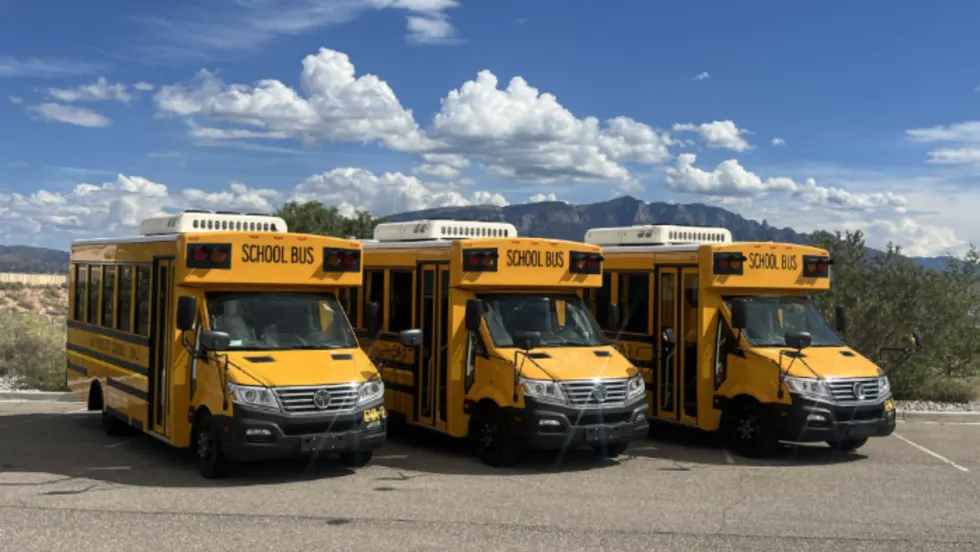
GreenPower Expands New Mexico EV Pilot With Larger Buses, V2G Testing
After logging more than 17,000 electric miles in the first year, New Mexico’s statewide pilot is moving into its second phase with larger vehicles, continued charging evaluations, and more.
Read More →
Can EV-as-a-Service Help Fleets Scale Electrification?
Sustainability Partners CEO Adam Cain explains how matching EVs, charging infrastructure, and duty cycles can help fleets scale electrification.
Read More →
How EV-as-a-Service Is Moving Fleets Beyond Pilots
Adam Cain, president and CEO of Sustainability Partners, explains how EV-as-a-service can help fleets scale deployments by addressing duty-cycle requirements and charging challenges.
Read More →
PowerFlex, The Mobility House Join Forces to Advance Fleet Electrification
Two EV charging providers are joining forces to deliver a broader portfolio of energy management and fleet electrification solutions.
Read More →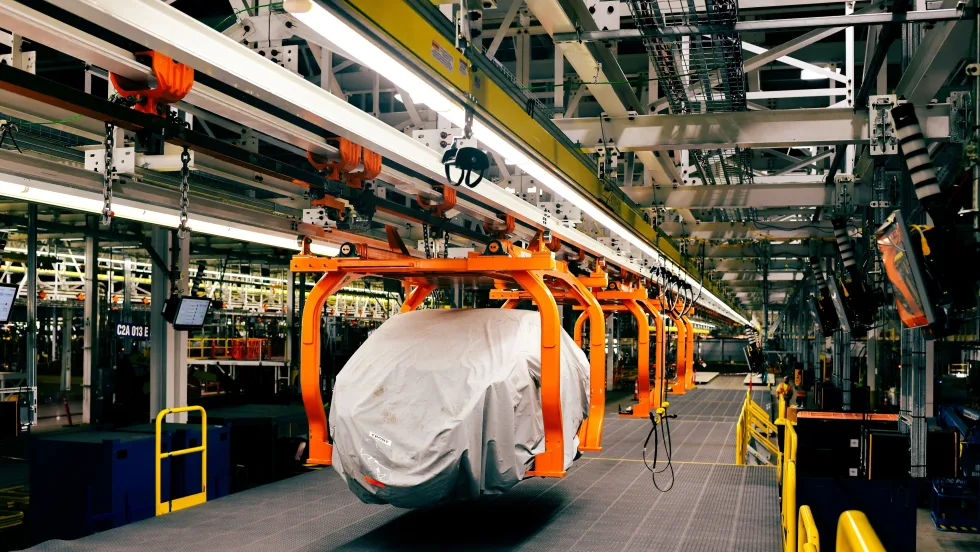
Ford Retools Louisville Plant for Fathom Electric Truck Production
Ford's $2 billion Louisville Assembly Plant overhaul introduces a three-part assembly process for the Fathom midsize electric truck, with production scheduled to begin in 2027.
Read More →
Merchants Fleet Reports 290M EV Miles as Fleets Navigate Changing Electrification Market
From millions in operating savings to hundreds of millions of EV miles, Merchants Fleet’s latest report reveals what’s working and what’s changing in fleet electrification.
Read More →
California District Commits to Electrify 25% of School Bus Fleet by 2028
One of the nation's largest school bus electrification projects to date demonstrates how grants, charging infrastructure, and public-private partnerships can help fleets transition to EVs at scale.
Read More →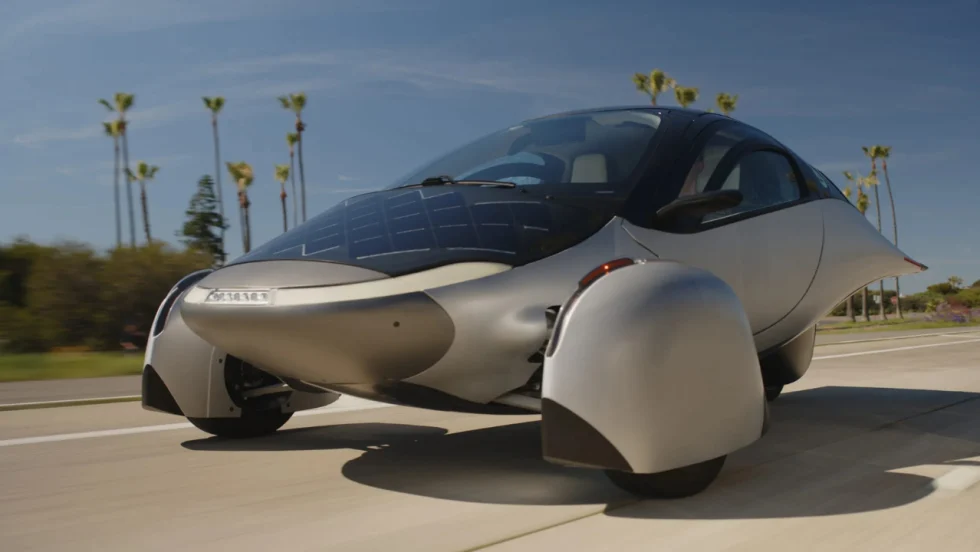
Aptera Orders Bodies and Chassis for Its First 40 Production Vehicles
Aptera Motors Corp. has issued purchase orders for the major structural components of its first 40 vehicles, and body and chassis components are expected to begin arriving in October.
Read More →